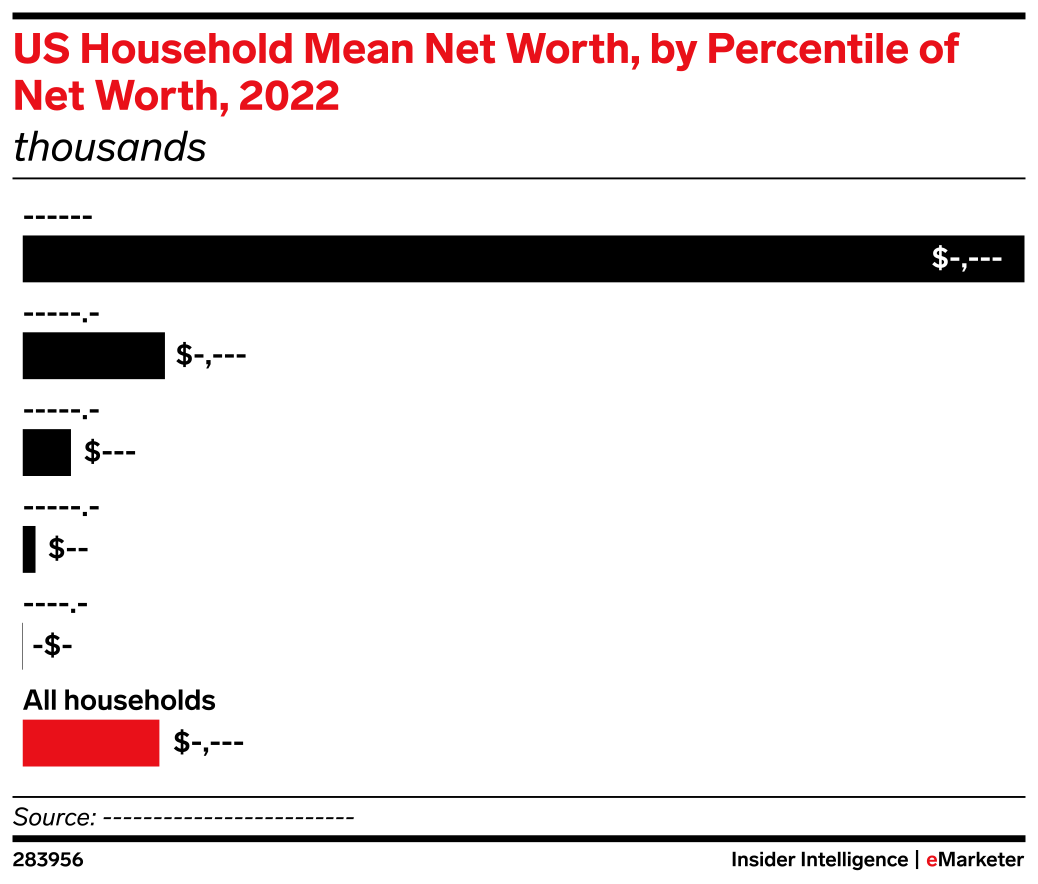
To be in the top 1% of net worth in 2026, the threshold varies significantly by age, ranging from approximately $680,000 for individuals under age 30 to over $18.4 million for those in the 60–64 age bracket. Being "on track" requires consistent asset appreciation, high income-to-savings ratios, and strategic use of leverage and tax-efficient investment vehicles.
Understanding the 1 Percentile Net Worth Threshold
Net worth is a definitive measure of financial health, calculated by subtracting total liabilities (debts) from total assets (what you own). While many financial discussions focus on income, net worth provides a more accurate picture of long-term stability and wealth. To reach the 1 percentile—the top 1 out of every 100 households—an individual or family must generally move beyond W-2 earnings and into the realm of significant capital ownership.
As we move through 2026, the 1% threshold is an ever-shifting target. It is influenced by the performance of equity markets, the valuation of private businesses, and the appreciation of residential and commercial real estate. Because wealth compounds over time, the "entry fee" for the 1% club increases dramatically as you age. A 25-year-old with half a million dollars is statistically rarer and often "wealthier" relative to their peers than a 65-year-old with five million dollars.
Distinguishing between the 1% and the "merely wealthy" often comes down to the types of assets held. While the 90th to 95th percentiles often have a high concentration of their net worth in primary residences and retirement accounts (401ks/IRAs), the top 1% typically holds a much higher percentage of wealth in private business equity, taxable brokerage accounts, and investment real estate.
1 Percentile Net Worth Benchmarks by Age (2026 Projections)
The following data represents projected net worth thresholds for the top 1% of U.S. households by age bracket for the year 2026. These figures are based on historical data from the Federal Reserve’s Survey of Consumer Finances (SCF), adjusted for inflationary trends and market performance observed through the mid-2020s.
| Age Bracket | 1% Net Worth Threshold (2026 Est.) | Median Net Worth (For Context) | Primary Wealth Drivers |
|---|---|---|---|
| Under 30 | $685,000 | $22,000 | Inheritance, Tech Equity, High-Income Professional Roles |
| 30–34 | $1,450,000 | $51,000 | Stock Options, Early Real Estate Investment, Professional Services |
| 35–39 | $3,320,000 | $112,000 | Business Ownership, Mid-Career Management, Compounding |
| 40–44 | $5,280,000 | $195,000 | Executive Compensation, Diverse Portfolios, Home Equity |
| 45–49 | $8,950,000 | $285,000 | Accelerated Compounding, Exit Events, Peak Earning Years |
| 50–54 | $12,700,000 | $345,000 | Private Equity, Mature Portfolios, Legacy Asset Growth |
| 55–59 | $16,400,000 | $410,000 | Long-term Market Participation, Inheritance, Maximum Equity |
| 60–64 | $18,450,000 | $480,000 | Career Culmination, Realized Capital Gains |
| 65–69 | $17,800,000 | $510,000 | Decumulation Phase, Estate Transfers, Philanthropy |
| 70–74 | $16,200,000 | $495,000 | Required Minimum Distributions (RMDs), Wealth Transfer |
Source: Estimates derived from Federal Reserve Survey of Consumer Finances data trends and historical CAGR.
Wealth Accumulation Milestones by Decade
The Foundation: Age 20 to 34
In your 20s and early 30s, the top 1% threshold is relatively low because most peers are burdened with student loans or are just beginning their careers. Entering the 1% at this stage usually requires one of three things: a high-paying specialized career (medicine, corporate law, specialized engineering), early-stage participation in a successful startup (equity/stock options), or generational wealth transfer. For those without an inheritance, "staying on track" means maximizing the savings rate and aggressively investing in equities to take advantage of a 40-year compounding horizon.
The Acceleration: Age 35 to 49
This period represents the steepest climb in the 1% threshold. Between age 35 and 50, the requirement jumps from roughly $3.3 million to nearly $9 million. This is often due to the "hockey stick" effect of compound interest and the fact that successful professionals often reach senior management or partner status during these years. To stay in the top 1% during this phase, one must generally move beyond saving income and begin focusing on capital efficiency. This involves tax-loss harvesting, utilizing backdoor Roth strategies, and potentially employing leverage through real estate or private lending.
The Peak: Age 50 to 64
By the time individuals reach their late 50s and early 60s, the 1% threshold hits its zenith. At this stage, the top 1% are often business owners or C-suite executives whose assets have had decades to grow. The gap between the median household ($480,000) and the top 1% ($18.4 million) is at its widest. Staying on track here is less about earning new income and more about risk management and asset protection. A 20% market correction for a 1-percenter in this age bracket represents a multi-million dollar swing, requiring sophisticated hedging strategies.
Essential Components of a 1% Net Worth Portfolio
Reaching the 1% is rarely achieved through a standard savings account. In 2026, the composition of top-tier wealth is heavily weighted toward high-yield, high-growth assets.
- Public Equities: A cornerstone of wealth, but the 1% often utilize more than just index funds. They may hold concentrated positions in specific sectors or utilize "direct indexing" to optimize tax outcomes.
- Private Business Equity: This is arguably the most common factor among the ultra-wealthy. Owning a piece of a profitable, scalable business allows for wealth creation that is not tied to a 1-to-1 ratio of hours worked.
- Real Estate: Beyond the primary residence, the top 1% often hold diversified real estate portfolios, including multi-family units, commercial properties, or REITs. Real estate provides a unique combination of cash flow, appreciation, and significant tax advantages through depreciation.
- Alternative Investments: As of 2026, the 1% are increasingly allocated to private equity, venture capital, and hedge funds—asset classes that are often restricted to "accredited investors" as defined by the Securities and Exchange Commission (SEC).
Common Barriers to Reaching the Top 1 Percentile
Many high earners (the "HENRYs"—High Earners, Not Rich Yet) fail to reach the 1% threshold due to specific financial behaviors that erode long-term wealth accumulation.
- Lifestyle Creep: As income increases, expenses often follow suit. The 1% are characterized not just by what they earn, but by their ability to maintain a high "investable surplus." If every raise is met with a new luxury vehicle or a larger mortgage, the net worth remains stagnant.
- Tax Inefficiency: For those in the 1% income bracket, taxes are the single largest expense. Failing to utilize tax-advantaged structures—such as Defined Benefit plans, Captive Insurance, or charitable lead trusts—can result in a 40% to 50% drag on wealth growth in some jurisdictions.
- Lack of Diversification: While concentration creates wealth, diversification preserves it. Many professionals in the 1% are "paper rich" through company stock but fail to diversify, leaving them vulnerable to single-company or single-industry collapses.
- Excessive Liability: High net worth individuals often have access to cheap credit. While leverage can accelerate growth, over-leveraging during periods of rising interest rates can lead to a rapid erosion of equity when asset values fluctuate.
How to Calculate and Monitor Your Track
To determine if you are on track, you must perform a rigorous net worth audit at least annually. In 2026, several automated tools can aggregate this data, but manual verification is necessary for private assets.
- Asset Valuation: List all bank accounts, brokerage accounts, retirement funds, and the current market value of real estate. For private business interests, use a conservative valuation based on EBITDA multiples or recent comparable sales.
- Liability Deductions: Include all outstanding mortgages, car loans, student loans, credit card balances, and any business-related debt.
- The "Track" Calculation: Compare your current net worth against the threshold for your age group. However, also calculate your Velocity of Wealth. If you are 35 and have $2 million, you are below the 1% threshold ($3.3M), but if your net worth grew by 25% last year through savvy investing, you are "on track" to enter the 1% by age 40.
FAQ
What is the difference between the 1% in income and the 1% in net worth?
Income refers to the flow of money received over a period (usually a year), while net worth refers to the total stock of wealth accumulated. Many people in the 1% of income (earning roughly $650,000+ annually in 2026) are not yet in the 1% of net worth because they have not had enough time to accumulate assets or because they have high spending levels. Conversely, many retirees are in the 1% of net worth but have relatively low annual incomes.
Does the 1% net worth include my primary residence?
Yes, standard net worth calculations include the equity in your primary residence (Market Value minus Mortgage). However, many financial advisors prefer to look at "Investable Net Worth" or "Liquid Net Worth," which excludes the primary home, as you cannot easily spend that equity without selling your house or taking a loan. To be in the "Investable 1%," the thresholds are generally 15% to 25% lower than the total net worth figures.
Is it harder to reach the 1% in 2026 than in previous years?
In nominal dollar terms, yes. Inflation and the rising cost of assets like real estate and stocks mean the "number" required to be in the 1% is higher than ever. However, the tools for wealth creation—access to global markets, low-cost indexing, and digital entrepreneurship—are more accessible than they were 20 years ago.
How does geography affect the 1% threshold?
The 1% threshold is a national statistic, but "feeling" like the 1% is highly regional. In high-cost-of-living (HCOL) areas like San Francisco, New York, or London, a $5 million net worth may feel like middle-class stability. In lower-cost regions, that same $5 million puts an individual in the upper echelon of local society.
Does inheritance play a major role in the 1%?
While a significant portion of the 1% (roughly 20-30%) received some form of inheritance, the majority of the top 1% in the United States are "self-made" or "first-generation wealthy." This is often achieved through corporate leadership, specialized professional practices, or business ownership.
Strategic Actions to Accelerate Your Net Worth
If you find yourself behind the 1% benchmark for your age, catching up requires a shift from passive saving to active wealth management. The first step is optimizing your tax-efficiency ratio. Every dollar saved in taxes is a dollar that can be compounded. Consider consulting with a specialized tax strategist to explore structures like the "Mega Backdoor Roth" or utilizing 1031 exchanges in real estate.
Secondly, evaluate your asset allocation. The 1% are rarely 100% in cash or bonds. They maintain a high exposure to growth assets. If your portfolio is too conservative for your age bracket, you may be missing the growth required to leap into the next percentile. Finally, focus on income scalability. W-2 income has a ceiling. To reach the top 1%, most individuals eventually need to decouple their income from their time, usually through business ownership or significant capital investments that generate passive returns.