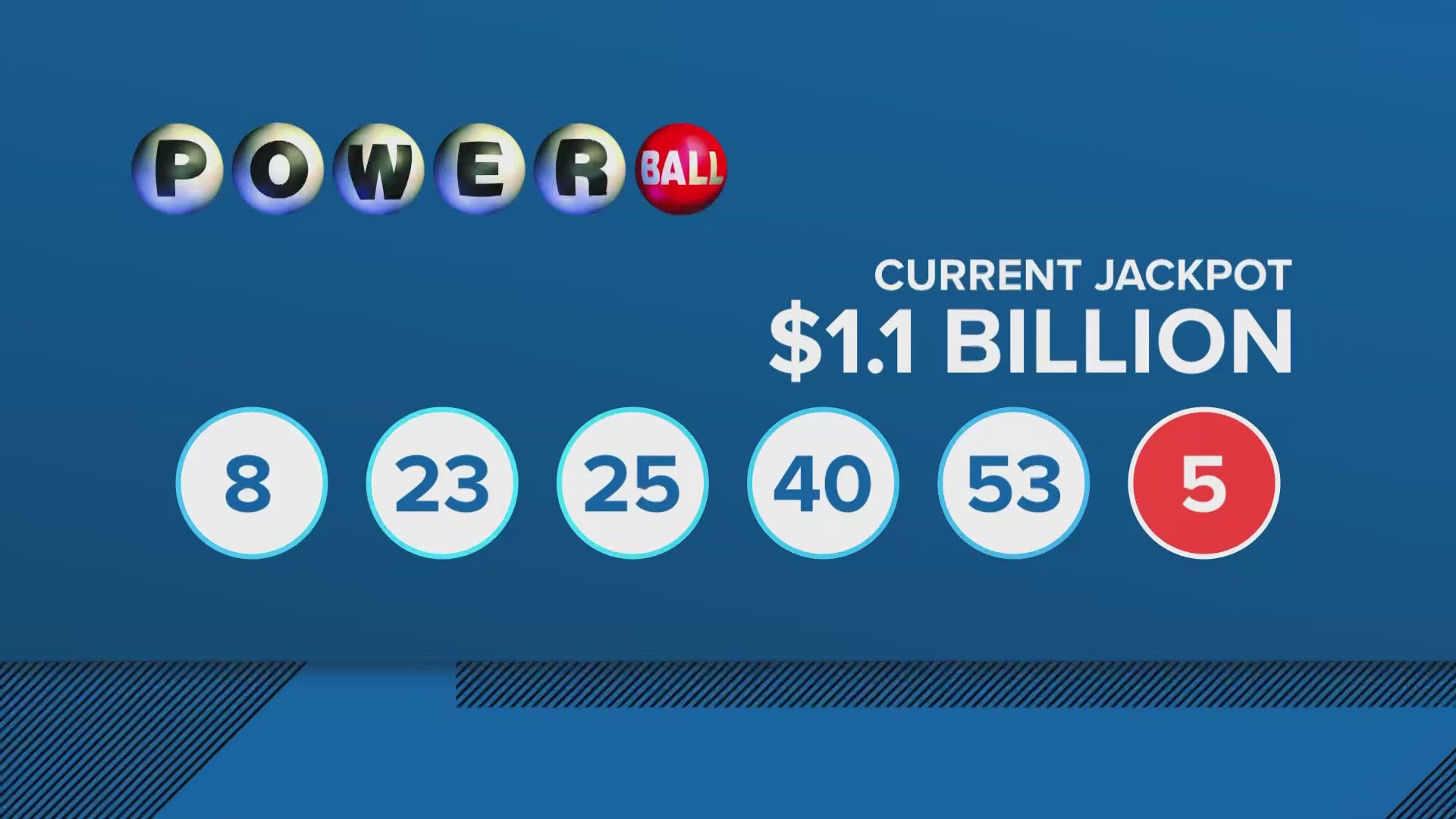
As of 2026, there are no verified reports from official lottery commissions or reputable news agencies confirming the death of any recent $1.6 billion Powerball or Mega Millions winner. These sensationalist claims are typically categorized as viral misinformation or "death hoaxes" designed to generate social media engagement and ad revenue through clickbait headlines.
The lure of a billion-dollar jackpot is so immense that it naturally attracts a storm of tabloid speculation, security concerns, and urban legends. When a headline suggests a winner has met a tragic end, it often taps into the "Lottery Curse" narrative—a cultural fascination with the idea that sudden wealth leads to ruin. However, looking at the facts surrounding the largest lottery prizes in history, the reality is far more focused on legal protection, extreme privacy, and complex wealth management than on sudden tragedy.
Identifying the $1.6 Billion Jackpot Winners
To understand why these death rumors circulate, we must first identify the actual individuals or entities that have won prizes in this stratosphere. In the history of American lotteries, only a handful of prizes have exceeded the $1.5 billion mark.
The most prominent "1.6 billion" prize was actually the $1.602 billion Mega Millions jackpot drawn in August 2023 in Florida. This prize was claimed by an entity known as Saltines Holdings, LLC. Because the prize was claimed through a limited liability company, the individual winners' identities remained shielded from the immediate public eye. This anonymity is a primary driver of rumors; when the public cannot "see" the winner enjoying their wealth, the vacuum of information is often filled with fabricated stories of tragedy or death.
Another closely related prize was the $1.765 billion Powerball jackpot won in October 2023 in California. That prize was claimed by a group of winners represented by Theodorus Struyck. While Mr. Struyck’s name became public due to California’s transparency laws, he and his co-winners have largely remained out of the spotlight since the initial announcement. As of 2026, they continue to manage their windfall through private legal channels.
Summary of Historic Jackpots and Winner Status (2026)
| Jackpot Amount | Lottery Type | Draw Date | Winner Identity | Current Status (2026) |
|---|---|---|---|---|
| $2.04 Billion | Powerball | Nov 2022 | Edwin Castro | Active / Private Wealth Management |
| $1.765 Billion | Powerball | Oct 2023 | Theodorus Struyck (Group) | Active / Private |
| $1.602 Billion | Mega Millions | Aug 2023 | Saltines Holdings, LLC | Active / Anonymous Entity |
| $1.586 Billion | Powerball | Jan 2016 | Three Winning Tickets | All Active / Retired from Public Life |
| $1.337 Billion | Mega Millions | July 2022 | Two Anonymous Winners | Active / Anonymous |
Debunking the Death Rumors: Fact vs. Fiction
The "shocking truth" behind headlines claiming a $1.6 billion winner has died is that they are almost universally fraudulent. These stories often originate on "satire" websites or low-quality content farms. They frequently use the same template: a winner is found dead in a mansion, or a winner died of an overdose just weeks after claiming the prize.
The reason these rumors persist is rooted in the "Lottery Curse" mythology. Historically, there have been winners of smaller jackpots—such as Andrew Jackson Whittaker Jr. ($315 million) or Urooj Khan ($1 million)—who faced significant personal tragedies or untimely deaths. Tabloids extrapolate these rare, tragic cases to the billion-dollar winners to create a narrative that "money can't buy happiness" or, more extremely, "money kills."
In the case of the 2023 $1.602 billion Mega Millions winner, the lack of a public face allowed rumors to swirl. In reality, the use of a Limited Liability Company (LLC) or a trust is a standard financial strategy used by high-net-worth individuals to avoid the very harassment that can lead to security risks. By 2026, these winners have had years to establish robust security details and legal barriers, making the "shocking death" stories even more improbable.
The Reality of the "Lottery Curse" and Media Sensationalism
The "Lottery Curse" is a psychological phenomenon where the public focuses on the failures of lottery winners while ignoring the hundreds of winners who live quiet, successful lives. When a $1.6 billion winner "disappears," they aren't usually dead; they are simply wealthy enough to purchase the ultimate luxury: anonymity.
Media sensationalism thrives on the juxtaposition of extreme luck and extreme tragedy. Digital algorithms in 2026 continue to prioritize "negative surprise" content. A headline saying "Billionaire Winner Lives Quietly in Florida" gets very few clicks, whereas "1.6 Billion Winner Dies Under Mysterious Circumstances" triggers a high click-through rate.
Why Winners "Go Dark"
- Security Risks: At the billion-dollar level, kidnapping and extortion are legitimate concerns.
- Solicitation: Winners are bombarded with requests for money from strangers, charities, and long-lost relatives.
- Litigation: Large winners often face frivolous lawsuits from people claiming a share of the ticket.
For example, Edwin Castro, the winner of the $2.04 billion Powerball, faced a lawsuit from a man claiming the ticket was stolen. Despite the legal drama, Castro remained alive and well, focused on real estate investments. The "shocking truth" is usually a mundane legal battle rather than a life-ending event.
Legal and Security Measures for Jackpot Winners
When a person wins $1.6 billion, they do not simply walk into a gas station to cash a ticket. The process involves a "cooling-off period" and the assembly of a professional team. This team is the primary reason why winners seem to "vanish."
The Wealth Management Team
A typical billion-dollar winner in 2026 employs:
- Tax Attorneys: To navigate the 37% federal withholding and state-specific taxes.
- Certified Financial Planners (CFP): To manage the transition from the lump sum (usually around $700M–$900M after taxes) into long-term investments.
- Private Security Firms: To provide residential protection and digital privacy.
- Public Relations Consultants: To manage the "exit" from public life and handle media inquiries.
By the time the public hears a rumor about a winner's death, that winner is usually behind several layers of legal entities. In many jurisdictions, such as Delaware or Wyoming, trusts can be used to mask the identity of the beneficiaries entirely. If a winner were to pass away, the estate would be handled through a private trust, often avoiding the public probate process that would make the death a matter of immediate public record.
Financial Realities of a Billion-Dollar Win in 2026
Winning $1.6 billion in the mid-2020s carries different implications than it did a decade prior. Inflation, changes in tax code, and the evolution of digital assets have changed how these windfalls are managed.
A $1.6 billion prize usually offers two options: an annuity paid over 30 years or a significantly smaller cash lump sum. Most winners choose the lump sum. For a $1.6 billion prize, the cash value is often approximately $780 million. After a 37% federal tax hit, the winner is left with roughly $491 million, not accounting for state taxes which can take another 8–10% in places like New York or New Jersey.
The Breakdown of a $1.6B Prize (Estimated)
| Component | Amount |
|---|---|
| Advertised Jackpot | $1.6 Billion |
| Cash Value (Estimated) | $783.3 Million |
| Federal Tax (37%) | -$289.8 Million |
| Net Take-Home (Zero State Tax) | $493.5 Million |
While $493 million is a staggering sum, it is a far cry from the "1.6 billion" headline. Winners who are rumored to have "lost it all" or "died in poverty" are often victims of this misunderstanding of the actual cash on hand versus the advertised prize.
How to Verify Lottery News and Avoid Misinformation
In an era of AI-generated content and deepfakes, verifying the status of a lottery winner requires looking at official sources. If a winner of a historic jackpot actually died, the news would be reported by major, verified outlets such as the Associated Press, Reuters, or the official state lottery website (e.g., the Florida Lottery or California Lottery).
To avoid being misled by "shocking truth" headlines:
- Check the Source: Is the website a known news organization or a blog with no "About" page?
- Verify with the Lottery Commission: Every state lottery has a media relations department that confirms when prizes are claimed and, occasionally, the status of winners if it affects the prize distribution.
- Search for Official Obituaries: High-profile deaths are recorded in local newspapers and official records.
- Look for "Satire" Disclaimers: Many sites that post "shocking" news have small disclaimers stating their content is for entertainment purposes only.
Recommendations for Managing Sudden Wealth Information
If you are following the stories of lottery winners or find yourself interested in the logistics of sudden wealth, it is essential to focus on the procedural reality rather than the sensationalized myths. The most important "next action" for anyone studying these cases—or for those who might one day find themselves in a similar (if smaller) position—is to prioritize legal literacy.
The "shocking truth" is that billion-dollar winners are generally safer and more stable than the media suggests. They use the legal system to build a fortress around their lives. For the public, the best practice is to treat viral death reports with skepticism until an official statement is released by a state-sanctioned lottery board. As of 2026, the winners of the $1.6 billion prizes remain some of the most protected and private individuals in the country, far removed from the tragic headlines that attempt to follow them.