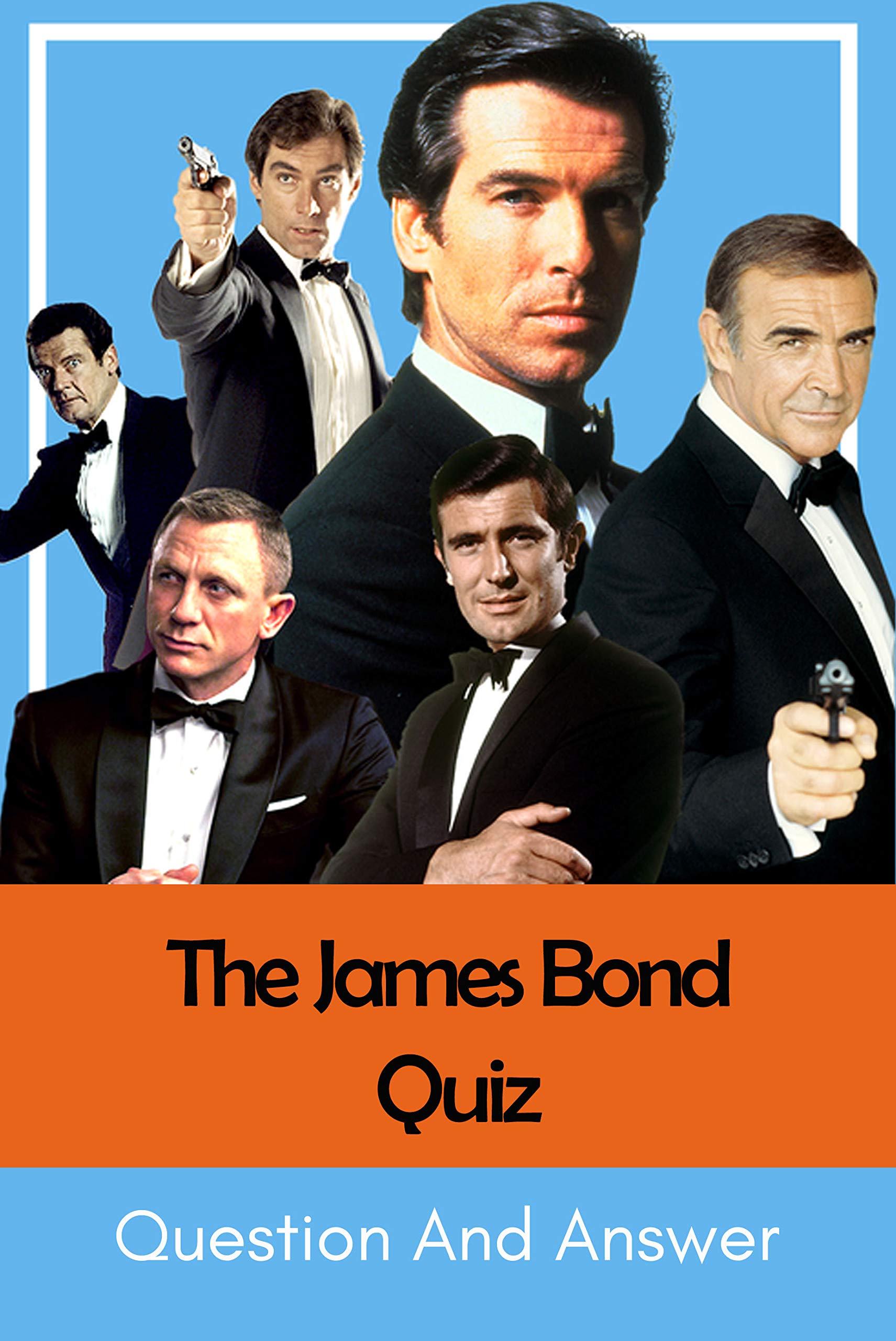
James Bond, the world's most famous secret agent, has appeared in 25 official Eon Productions films and several unofficial entries since 1962. Created by Ian Fleming, the franchise spans over six decades of cinematic history, featuring six lead actors, iconic gadgets, and a legacy that defines the spy genre in global popular culture.
The James Bond franchise is a cornerstone of modern cinema, blending high-stakes espionage with luxury, technology, and a distinct British sensibility. For enthusiasts of 007 trivia, the depth of the series offers a nearly bottomless well of production secrets, literary origins, and statistical anomalies. Understanding the nuances of the Bond universe requires looking beyond the tuxedo to the technical innovations, legal battles, and creative risks that have kept the character relevant into 2026.
The Evolution of 007: Comparing the Six Iconic Actors
Since the premiere of Dr. No in 1962, six actors have officially taken on the mantle of Commander James Bond within the Eon Productions canon. Each brought a distinct flavor to the character, often reflecting the cultural zeitgeist of their respective eras.
Sean Connery, the original cinematic Bond, established the template of "cruel sophistication." Interestingly, Ian Fleming was initially skeptical of the Scottish actor, fearing he was too "unrefined" and resembled a "stuntman." However, after seeing Connery’s performance, Fleming was so impressed that he gave the literary Bond Scottish ancestry in the novel You Only Live Twice. Connery’s tenure was marked by the establishment of core tropes, but it was not without friction; he famously grew tired of the "Bond-mania" and the physical demands of the role, leading to his first departure after 1967.
George Lazenby holds the record for the shortest tenure, appearing in only one film, On Her Majesty's Secret Service (1969). Despite his lack of acting experience—he was a model before being cast—many modern critics and trivia buffs cite his film as one of the most faithful to Fleming’s source material. Roger Moore followed, ushering in an era of camp and lightheartedness that lasted 12 years and seven films. Moore’s Bond was less likely to bleed and more likely to raise a suggestive eyebrow, a stark contrast to Timothy Dalton’s subsequent portrayal. Dalton attempted to bring the character back to his gritty, literary roots in the late 1980s, a move that was perhaps ahead of its time but is now highly respected by purists.
Pierce Brosnan revitalized the franchise in the 1990s after a six-year legal hiatus, blending Connery’s coolness with Moore’s charm. Finally, Daniel Craig’s tenure (2006–2021) introduced a serialized narrative and a more vulnerable, physically bruised Bond. As of 2026, the discussion surrounding the next actor to take the mantle remains one of the most debated topics in entertainment history, illustrating the enduring weight of the 007 legacy.
From Page to Screen: Ian Fleming’s Literary Legacy
The origins of James Bond are found in the Jamaican estate "Goldeneye," where former naval intelligence officer Ian Fleming wrote 12 novels and two short-story collections. Trivia regarding the name "James Bond" reveals Fleming’s desire for the most boring name possible. He took it from the author of Birds of the West Indies, an ornithologist, because he wanted his spy to be an anonymous instrument of the government rather than a superhero.
The literary Bond is notably different from his cinematic counterpart. In the books, Bond is a heavy smoker (often 70 cigarettes a day) and suffers from significant psychological wear and tear. The films often stripped away this internal monologue in favor of spectacle. Furthermore, many of the film titles—such as Quantum of Solace or The Living Daylights—were taken from short stories that had entirely different plots.
One of the most significant pieces of 007 trivia is the "00" prefix. In Fleming’s lore, the "double-O" designation indicates a "license to kill," earned after two successful assassinations in the line of duty. This concept was loosely based on the real-world Special Operations Executive (SOE) during World War II, where Fleming observed the high-risk nature of covert operations.
Technical Marvels: The Gadgets and Vehicles of Q Branch
No discussion of James Bond trivia is complete without acknowledging Major Boothroyd, better known as Q. While the character appeared briefly in Dr. No (played by Peter Burton), it was Desmond Llewelyn who defined the role for 36 years. Llewelyn appeared in 17 Bond films, more than any other actor in the franchise.
The gadgets provided by Q Branch were often grounded in emerging technology of the time, though exaggerated for dramatic effect. For instance:
- The Aston Martin DB5: First appearing in Goldfinger (1964), it featured revolving number plates, a passenger ejector seat, and oil slick dispensers. The car became so synonymous with the brand that it has returned in Thunderball, GoldenEye, Skyfall, and No Time to Die.
- Little Nellie: The heavily armed autogyro in You Only Live Twice was a real aircraft (the Wallis WA-116 Agile) piloted by its inventor, Ken Wallis, during filming.
- The Lotus Esprit: In The Spy Who Loved Me, the car’s transformation into a submarine was achieved using a functional "wet sub" shell, which Elon Musk famously purchased at auction in 2013.
The gadgets also reflected the transition from the mechanical age to the digital age. In the Brosnan era, smartphones and remote-controlled BMWs took center stage, while the Craig era saw a return to "less is more," with Q (Ben Whishaw) famously noting that a "radio transmitter and a signature gun" were more practical than exploding pens.
A Statistical Comparison of Official James Bond Tenures
To understand the scale of the franchise, it is helpful to look at the hard data regarding the actors who have portrayed 007 in the Eon Productions series.
| Actor | Number of Films | Start Year | End Year | Debut Film |
|---|---|---|---|---|
| Sean Connery | 6 | 1962 | 1971* | Dr. No |
| George Lazenby | 1 | 1969 | 1969 | On Her Majesty's Secret Service |
| Roger Moore | 7 | 1973 | 1985 | Live and Let Die |
| Timothy Dalton | 2 | 1987 | 1989 | The Living Lights |
| Pierce Brosnan | 4 | 1995 | 2002 | GoldenEye |
| Daniel Craig | 5 | 2006 | 2021 | Casino Royale |
*Connery also appeared in the non-Eon film "Never Say Never Again" in 1983, which is not counted in the official Eon tally.
Behind the Lens: Production Secrets and Legal Battles
The 007 franchise has survived numerous legal challenges that almost ended the series. The most famous was the dispute over the rights to Thunderball. Kevin McClory, who worked with Fleming on an early screenplay, successfully sued for the rights to the story and the organization SPECTRE. This resulted in McClory producing the "unofficial" Bond film Never Say Never Again in 1983, which competed directly with the official Roger Moore film Octopussy. It wasn't until 2013 that MGM and Eon Productions finally secured the full rights to the SPECTRE name and the character of Ernst Stavro Blofeld from the McClory estate.
Stunt work is another area where 007 trivia excels. The franchise has a long history of practical effects. The opening dam jump in GoldenEye was voted the best movie stunt of all time in several polls, involving a 750-foot bungee jump at the Contra Dam in Switzerland. Similarly, the "barrel roll" car jump in The Man with the Golden Gun (1974) was calculated using early computer modeling at Cornell Aeronautical Laboratory to ensure the car landed safely on its wheels.
Frequently Asked Questions
Who has played James Bond the longest?
Roger Moore holds the record for the most official films (seven), but Daniel Craig held the role for the longest chronological period, spanning 15 years from the release of Casino Royale in 2006 to No Time to Die in 2021. This extended tenure was partly due to production delays and corporate restructuring at MGM.
What was the first James Bond movie ever made?
The first official cinematic release was Dr. No in 1962. However, the very first screen adaptation of James Bond was a 1954 television episode of the anthology series Climax!, which featured an American actor named Barry Nelson as "Jimmy Bond" in a version of Casino Royale.
Is James Bond’s "007" code name a title passed down?
In the original Ian Fleming novels and the vast majority of the films, "James Bond" is the character’s actual name, not a codename. While fan theories often suggest the name is passed from agent to agent, the films have consistently debunked this by showing personal history, such as the Bond family estate and parents' graves in Skyfall.
Which Bond film won the most Oscars?
For decades, the Bond series was largely ignored by the Academy Awards outside of technical categories. However, Skyfall (2012) became the most decorated, winning two Oscars (Best Sound Editing and Best Original Song). No Time to Die followed with a win for Best Original Song in 2022.
Why does Bond prefer his Vesper martini "shaken, not stirred"?
According to the novels, Bond believes that stirring a drink "bruises" the gin and that shaking it makes the drink colder. Biographers of Ian Fleming also suggest that Fleming himself preferred his drinks shaken because he believed it preserved the flavor better. In Casino Royale, the specific "Vesper" recipe is three parts Gordon's gin, one part vodka, and half a part Kina Lillet.
How to Utilize 007 Trivia for Research or Entertainment
For those looking to deepen their knowledge of the franchise or host a themed event in 2026, it is essential to source information from verified archives. The official 007.com website and the Ian Fleming Publications site provide the most accurate historical data regarding both the films and the original literature.
When organizing a trivia competition or academic study, categorize your facts into "The Actors," "The Music," "The Villains," and "The Production." This structure allows for a more comprehensive understanding of how the different elements of the franchise interact. For instance, the transition of the musical score from John Barry’s orchestral foundations to the modern interpretations by Hans Zimmer reflects broader shifts in cinematic soundscapes. Staying updated with official announcements from Eon Productions remains the best way to separate legitimate news from the persistent rumors that surround the casting of the next 007.