Zoe Saldaña portrays Joe, a high-level CIA station chief, in the Paramount+ series Special Ops: Lioness. As both the lead actress and an executive producer, Saldaña reportedly earns between $1 million and $2 million per episode. The production, led by Taylor Sheridan, utilizes a massive international budget to achieve its gritty, tactical realism.
The Character of Joe: Balancing Tactical Command and Domestic Chaos
In Special Ops: Lioness, Zoe Saldaña’s character, Joe, serves as the primary protagonist and the professional "handler" for the Lioness Engagement Team. Joe is a seasoned CIA operative tasked with training, managing, and leading young female undercover agents—known as "Lionesses"—into high-stakes missions to take down terrorist organizations from the inside.
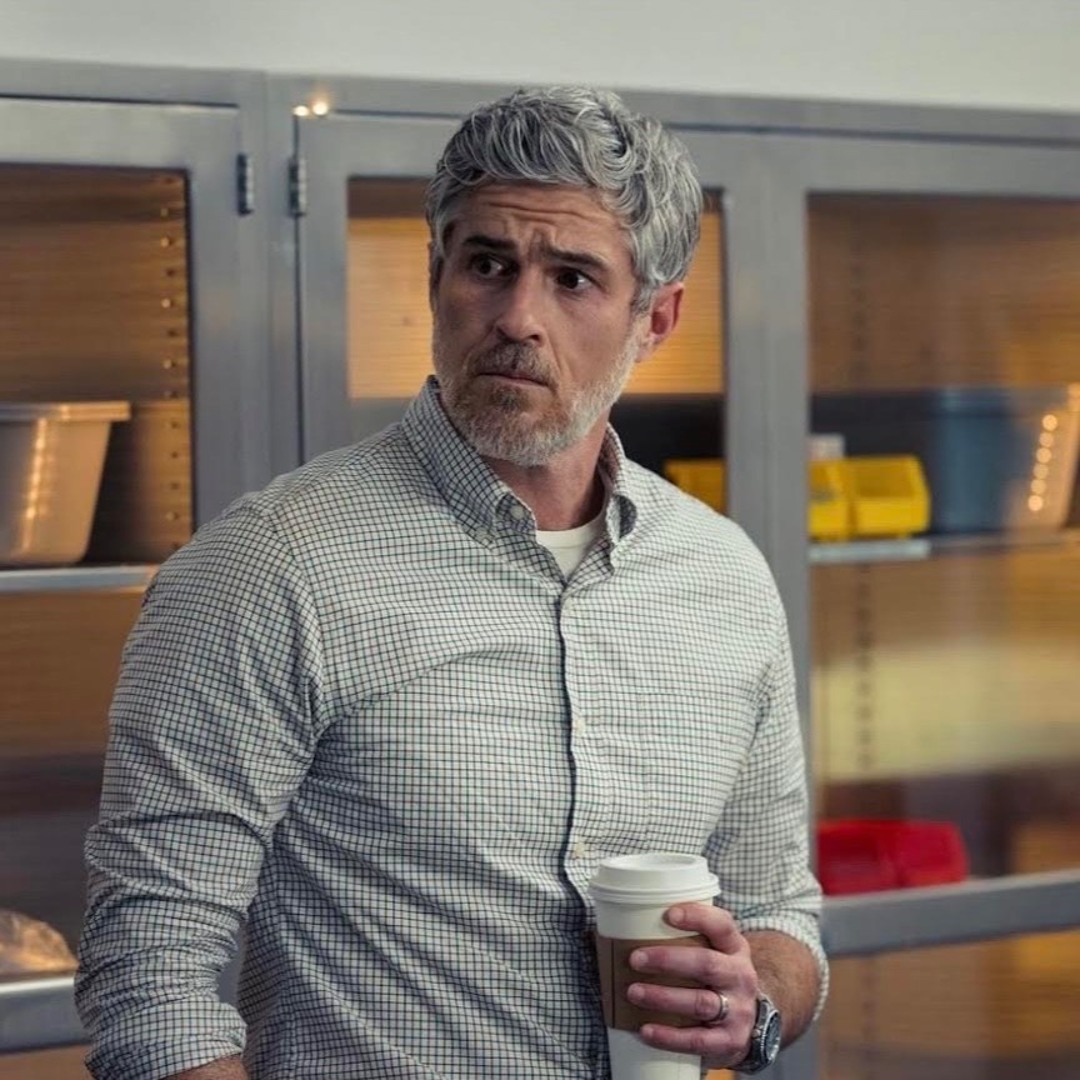
Joe represents a departure from traditional spy tropes. Unlike the lone-wolf archetype often found in espionage thrillers, Joe is a middle-manager within a massive federal bureaucracy. Her struggle is twofold: she must maintain the cold, calculating mindset required to send young women into life-threatening situations while simultaneously managing a fractured home life. Her relationship with her husband, Neil (played by Dave Annable), and their two daughters provides the emotional heartbeat of the series, contrasting the sterile, lethal world of the CIA with the complex realities of motherhood and marriage.
Saldaña’s performance is defined by its restraint. As Joe, she must remain stoic in the presence of her superiors, such as Kaitlyn Meade (Nicole Kidman) and Byron Westfield (Michael Kelly), while exhibiting a fierce, protective, and sometimes brutal mentorship toward her recruit, Cruz Manuelos (Laysla De Oliveira). This multifaceted role allows Saldaña to showcase a range of skills beyond the physical action sequences for which she is well known in the Marvel and Avatar franchises.
Financial Breakdown: Zoe Saldaña’s Earnings and Market Value
As of 2026, Zoe Saldaña remains one of the most bankable stars in global cinema, holding the unique distinction of having starred in four of the highest-grossing films of all time. This immense "box office gravity" translated directly into her negotiations for Special Ops: Lioness.
Industry reports from major trade publications like Variety and The Hollywood Reporter indicate that Saldaña, along with co-star Nicole Kidman, commanded a salary in the range of $1 million to $2 million per episode. For an eight-episode season, this puts her base acting compensation at approximately $8 million to $16 million. However, her financial involvement extends beyond her time in front of the camera.
Executive Producer Credits and Backend Participation
Saldaña serves as an executive producer through her production company, Cinestar Pictures, which she runs with her sisters. Being an executive producer (EP) provides several financial and creative advantages:
- Production Fees: EPs receive a separate fee for their oversight of the project’s development and execution.
- Backend Points: Top-tier talent often negotiates "points" or a percentage of the show’s profits. While streaming residuals differ from traditional syndication, a star of Saldaña’s caliber likely has a "buyout" or a "bonus" structure based on viewership milestones on Paramount+.
- Creative Control: This role allowed Saldaña to influence the casting and the narrative direction, ensuring the project aligned with her professional brand.
In the context of 2026’s streaming landscape, these figures represent the "A-list premium." As platforms consolidated their budgets, they prioritized "sure bets"—actors who can guarantee international subscribers. Saldaña’s global recognition made her a cornerstone of the Paramount+ strategy to expand its audience beyond the traditional Yellowstone demographic.
Production Details: The Scale of Taylor Sheridan’s Vision
The production of Special Ops: Lioness is a massive undertaking, characterized by the high-velocity, high-budget style typical of Taylor Sheridan’s projects. Sheridan, known for Yellowstone and 1883, brought a specific aesthetic to the series: a blend of cinematic scope and grounded, tactical detail.
Filming Locations and Global Logistics
To achieve the show's authentic international feel, the production moved across several major hubs. While many "Middle Eastern" scenes in television are filmed on backlots, Lioness utilized expansive location scouting to enhance the stakes.
- Mallorca, Spain: This served as a primary filming hub, doubling for various international locales, including the high-stakes Mediterranean sequences in Season 1.
- Washington, D.C., and Maryland: Used for the political maneuvering scenes involving the CIA headquarters and the corridors of power.
- Texas: As the home base for much of Sheridan’s production infrastructure, Texas provided the landscape for training sequences and domestic interiors.
- Morocco: Utilized for its unique architecture and desert landscapes to provide visual authenticity to the overseas missions.
Technical Authenticity and Training
A hallmark of the production was its commitment to tactical realism. The cast underwent significant physical training to ensure they moved like trained operatives. This included weapons handling, close-quarters combat (CQC) drills, and learning the specific jargon used by Special Operations Forces. The production employed actual military and intelligence consultants to vet the scripts and oversee the choreography of the raid sequences, ensuring that the "Lioness" program felt plausible to an audience increasingly familiar with real-world special ops history.
Comparative Overview of Lead Roles and Production Scope
The following table contextualizes Zoe Saldaña’s involvement in Special Ops: Lioness relative to the show's other primary pillars.
| Category | Zoe Saldaña (Joe) | Nicole Kidman (Kaitlyn Meade) | Laysla De Oliveira (Cruz Manuelos) |
|---|---|---|---|
| Primary Role | CIA Station Chief / Lead | Senior CIA Supervisor | Undercover Operative |
| Production Credit | Executive Producer | Executive Producer | Lead Cast |
| Reported Salary | $1M - $2M per episode | $1M+ per episode | Standard Lead Rate |
| Character Focus | Operational Management / Family | Political Strategy / Oversight | Tactical Execution / Trauma |
| Narrative Weight | Central Protagonist | Supporting Powerhouse | Secondary Protagonist |
The Impact of the "Sheridan-verse" on Saldaña’s Career
By 2026, the collaboration between Zoe Saldaña and Taylor Sheridan has been recognized as a strategic pivot for both parties. For Sheridan, casting Saldaña was a move to diversify his "Sheridan-verse," which had been heavily criticized for being too focused on Western and rural American themes. By moving into the world of international espionage with a globally recognized Afro-Latina lead, Sheridan expanded his reach into the "prestige thriller" category.
For Saldaña, Special Ops: Lioness offered a reprieve from the heavy prosthetics and CGI of Avatar and Guardians of the Galaxy. It allowed her to ground her performance in a contemporary, gritty reality. The show’s success proved that she could carry a high-budget dramatic series on her own merits, without the safety net of a major film franchise.
The production also highlighted the shifting power dynamics in Hollywood. Saldaña’s ability to command an executive producer title and a massive per-episode salary reflects the era of "Talent as an Entity." In 2026, stars are no longer just employees; they are production partners who bring their own audiences and brand equity to a platform.
FAQ: Common Questions About Zoe Saldaña and Special Ops: Lioness
Is the Lioness program in the show based on a real CIA program?
Yes, the series is inspired by a real-life U.S. military program. The "Team Lioness" concept was developed during the Iraq and Afghanistan wars to involve female soldiers in search operations of local women, as cultural sensitivities often prevented male soldiers from doing so. The show takes this real-world premise and dramatizes it into a high-stakes CIA undercover operation.
How many seasons of Special Ops: Lioness are there as of 2026?
As of 2026, the series has completed two full seasons. The first season established the team and the mission against an oil tycoon’s daughter, while the second season expanded the scope of the CIA's domestic and international targets, further exploring the personal toll on Joe and her family.
Does Zoe Saldaña perform her own stunts in the show?
Saldaña performs a significant portion of her own tactical movements and choreography. Given her background in dance and her extensive experience in action-heavy roles (like Neytiri and Gamora), she is highly capable of handling the physical demands of the role. However, for high-risk stunts or highly specialized maneuvers, professional stunt performers are utilized to ensure safety and production continuity.
Why is the salary for the leads so high compared to other shows?
The salaries for Saldaña and Kidman are reflective of their "Above-the-Line" status. Paramount+ views Lioness as a "tentpole" series designed to drive subscriptions. Paying A-list movie stars high salaries is considered a marketing expense, as their names alone generate international media coverage and attract a global audience that might not otherwise subscribe to the service.
Who created the show, and what is Zoe Saldaña’s relationship with them?
The show was created by Taylor Sheridan. Saldaña has spoken in interviews about her admiration for Sheridan’s fast-paced writing style and his ability to create complex female characters who are both strong and vulnerable. Their professional partnership is a cornerstone of the show's success, blending Sheridan’s storytelling with Saldaña’s performance and production oversight.
Future Outlook and Streaming Strategy
For those following the career of Zoe Saldaña or the business of streaming television, the primary takeaway from Special Ops: Lioness is the importance of the "Star-Producer" model. As the industry moves further into 2026, expect more projects where lead actors take on heavy production roles to ensure creative and financial control.
Viewers interested in the tactical and political aspects of the series should look toward upcoming Paramount+ projects within the Sheridan-verse, as Lioness has set a new standard for how the platform handles high-budget espionage. If you are analyzing the show from a financial perspective, keep an eye on the "Viewership vs. Cost" metrics that platforms now prioritize; the high earnings of stars like Saldaña are only sustainable if they continue to deliver top-tier subscriber retention numbers.