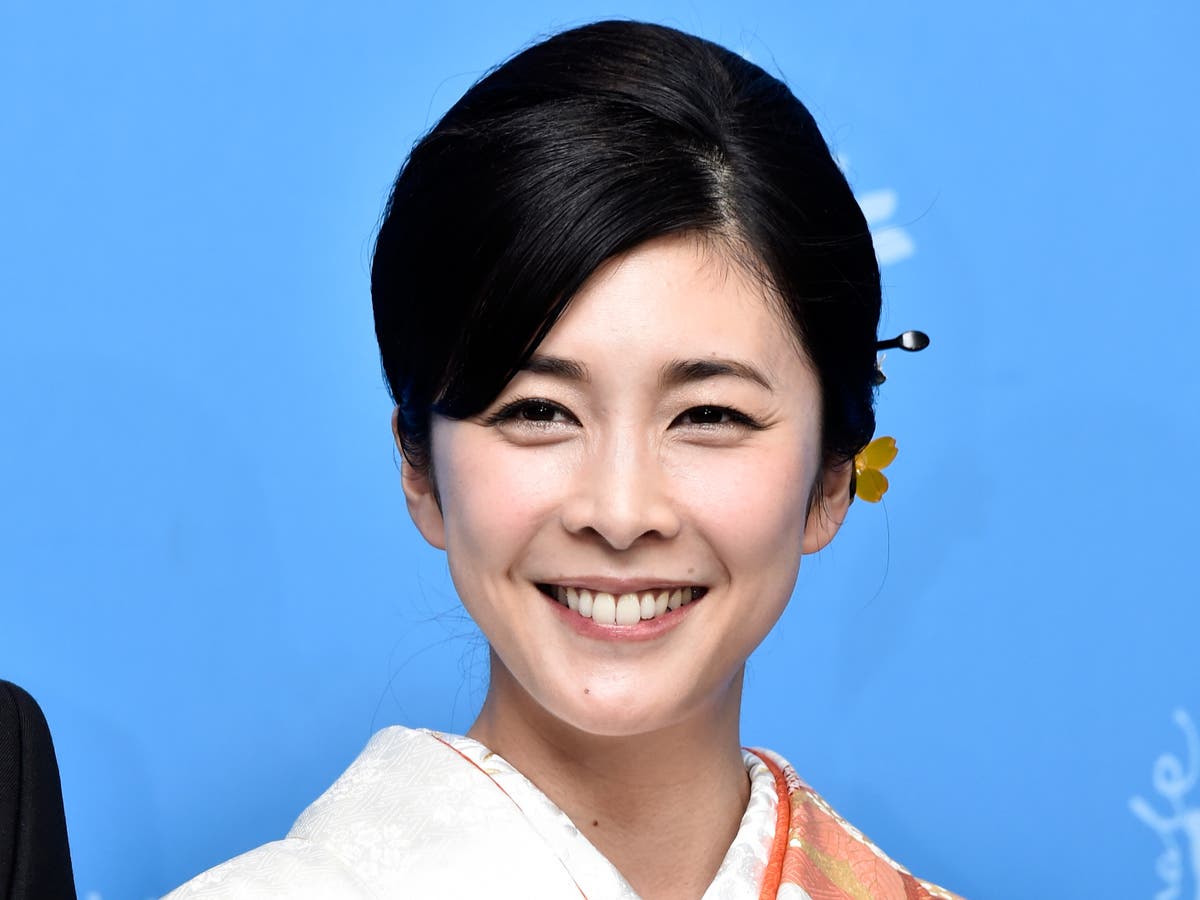
Yuko Takeuchi, the celebrated Japanese actress known for her "Queen of Smiles" persona, died by suicide on September 27, 2020, at her home in Shibuya, Tokyo. The Tokyo Metropolitan Police Department confirmed the cause of death as hanging. No suicide note was recovered, and her passing at age 40 remains a significant moment of reflection for the Japanese entertainment industry.
The Circumstances Surrounding September 27, 2020
The news of Yuko Takeuchi’s death sent shockwaves through the global film community and the Japanese public. On the morning of September 27, 2020, Takeuchi was discovered by her husband, actor Taiki Nakabayashi, in the bedroom of their apartment in Tokyo's Shibuya Ward. Emergency services were called immediately, and she was transported to a local hospital, where she was officially pronounced dead.
The investigation conducted by the Tokyo Metropolitan Police concluded that the death was a suicide by hanging. Unlike many high-profile cases, there was no note left behind to explain her state of mind or the motivations behind her decision. This lack of a final message led to widespread speculation in the media, ranging from the pressures of the industry to potential struggles with postpartum depression, as she had given birth to her second child just eight months prior, in January 2020. However, these remains speculative, as the family requested privacy and no official psychological autopsy was made public.
As of 2026, her passing is still cited as a watershed moment in the conversation regarding mental health in Japan’s entertainment sector. The fact that an actress of her stature, who appeared to have a fulfilling personal life and a thriving career, could be suffering in silence forced a national dialogue on the hidden pressures faced by public figures.
A Career Defined by Versatility and Brilliance
Yuko Takeuchi was not merely a celebrity; she was a foundational figure in contemporary Japanese cinema and television. Born on April 1, 1980, in Saitama Prefecture, she began her career in the mid-1990s. Her breakthrough came in 1999 when she was cast as the lead in the NHK Asadora (morning drama) Asuka. Her portrayal of a traditional confectioner won the hearts of the nation and established her as a household name.
Following Asuka, Takeuchi’s career trajectory moved into high-gear. She became known for her ability to convey deep emotional resonance with a subtle, naturalistic acting style. In 2004, she starred in the film Be With You (Ima, Ai ni Yukimasu), a romantic fantasy that became a massive box-office hit across Asia. Her performance as a deceased mother who returns to her family during the rainy season cemented her status as a top-tier film star.
In later years, she broke away from the "girl next door" archetype to take on more complex, authoritative roles. Most notable among these was her lead role in Miss Sherlock (2018), a co-production between HBO Asia and Hulu Japan. By playing a female version of Sherlock Holmes, Takeuchi showcased her range, portraying a brilliant, socially awkward, and demanding investigator. This role expanded her international recognition significantly, making her one of the few Japanese actresses of her generation with a substantial global following.
Key Facts and Personal Milestones
Takeuchi’s life was marked by both professional triumphs and significant personal developments. Understanding these facts provides a more comprehensive view of her life beyond the headlines of her passing.
- Family and Marriages: Takeuchi was married twice. Her first marriage was to Kabuki actor Nakamura Shidō II in 2005, whom she met on the set of Be With You. They had a son together before divorcing in 2008. In 2019, she married actor Taiki Nakabayashi. She gave birth to her second son in early 2020.
- The "Queen of Smiles": This was a title given to her by the Japanese media because of her radiant and comforting screen presence. It became a bittersweet moniker after her death, highlighting the discrepancy between her public image and her internal struggles.
- Agency Affiliation: Throughout her career, she was managed by Stardust Promotion, one of Japan’s most powerful talent agencies. Her death prompted the agency to increase mental health support for its roster of artists.
- International Reach: Beyond Miss Sherlock, she had a brief role in the American television series FlashForward (2009), signaling her potential for a Hollywood career which she ultimately chose not to pursue in favor of Japanese domestic projects.
Awards and Critical Recognition
Yuko Takeuchi was one of the most decorated actresses of her era. Her peers and critics alike recognized her consistency and her ability to elevate even standard procedural dramas into something memorable. She was a frequent nominee and winner at the Japan Academy Film Prize, the country’s equivalent of the Oscars.
| Year | Award / Organization | Category | Work | Result |
|---|---|---|---|---|
| 2004 | Japan Academy Film Prize | Best Actress | Yomigaeri | Nominated |
| 2005 | Japan Academy Film Prize | Best Actress | Be With You | Nominated |
| 2006 | Japan Academy Film Prize | Best Actress | Spring Snow | Nominated |
| 2007 | Nikkan Sports Film Awards | Best Actress | Sidecar ni Inu | Won |
| 2014 | Japan Academy Film Prize | Best Supporting Actress | Cape Nostalgia | Nominated |
| 2018 | Pen Mag International | Best Actress | Miss Sherlock | Won |
Her streak of three consecutive Best Actress nominations at the Japan Academy Film Prize (2004–2006) is a feat few have matched, underscoring her dominance in the industry during the mid-2000s.
The Cultural Context: The 2020 Celebrity Suicide Wave
To understand the impact of Yuko Takeuchi’s death, one must look at the specific cultural environment of 2020. Her passing was not an isolated event; it occurred within a distressing string of suicides among prominent Japanese celebrities.
Earlier that year, professional wrestler and Terrace House star Hana Kimura passed away following intense cyberbullying. In July 2020, popular actor Haruma Miura was found dead in his home, followed by actress Sei Ashina in September, just weeks before Takeuchi. This cluster of deaths among young, successful individuals in their 30s and 40s sparked a national crisis.
Sociologists and mental health experts in Japan pointed to several contributing factors:
- Isolation during COVID-19: The pandemic halted film productions and isolated performers from their support networks.
- The "Stigma of Weakness": In the Japanese entertainment industry, there is immense pressure to maintain a "perfect" public image, making it difficult for stars to seek help for depression or anxiety.
- Lack of Support Systems: Unlike in Hollywood, where many stars have personal therapists and publicists who manage mental health crises, the Japanese "talent" system often prioritizes work schedules over personal well-being.
The Legacy of Yuko Takeuchi in 2026
Six years after her passing, the legacy of Yuko Takeuchi is preserved through her extensive filmography. Her works continue to be staples on streaming platforms like Netflix and Hulu Japan. Miss Sherlock remains a cult favorite internationally, often cited as one of the best modern reinterpretations of the Arthur Conan Doyle characters.
More importantly, her death contributed to a tangible shift in how the Japanese media reports on suicide. Following her passing, the World Health Organization (WHO) guidelines for reporting on suicide were more strictly enforced by major Japanese news outlets to prevent "copycat" incidents. Additionally, several major talent agencies in Japan have since established internal mental health hotlines and counseling services for their artists, a direct response to the tragedies of 2020.
FAQ: Common Questions About Yuko Takeuchi
Was there a suicide note found at the scene?
No. Despite extensive investigation by the Tokyo Metropolitan Police, no suicide note or digital message explaining her intent was found. This lack of explanation is common in impulsive acts of self-harm, though it often leaves fans and family with many unanswered questions.
What was Yuko Takeuchi's last project?
Her final film appearance was in The Confidence Man JP: Princess, which was released in July 2020, shortly before her death. She also appeared in the film The Confidence Man JP: Episode of the Hero, which was released posthumously in 2022 using footage filmed prior to her passing.
How did the Japanese entertainment industry change after her death?
The industry saw an increase in the availability of mental health resources for actors. There was also a notable shift in the "contract system" between agencies and talent, with more emphasis being placed on the physical and mental health of the performers, although critics argue that more systemic change is still needed as of 2026.
Who is raising Yuko Takeuchi's children?
Following her death, her husband, Taiki Nakabayashi, expressed his commitment to raising both her eldest son (from her first marriage) and their infant son together. He has largely stepped back from the public eye to focus on his family responsibilities.
Where can I watch Yuko Takeuchi’s most famous works?
Most of her major films, including Be With You and Cape Nostalgia, are available on major streaming platforms in Japan. Miss Sherlock remains available on HBO Max (and its successor platforms) and Hulu in various international markets.
Honoring Her Memory Through Awareness
For fans and researchers looking to honor Yuko Takeuchi, the most meaningful action is to support mental health initiatives and promote a culture where seeking help is normalized. Her death serves as a reminder that professional success and a cheerful public exterior do not always reflect an individual's internal reality.
In 2026, many fan communities continue to hold digital memorials on the anniversary of her death, focusing on the joy her performances brought to millions. By celebrating her "Queen of Smiles" legacy while acknowledging the tragedy of her passing, the public continues to push for a more compassionate and supportive environment for artists worldwide.
Professional Advice Limitation: This article is for informational purposes only and discusses sensitive topics including suicide. If you or someone you know is struggling or in crisis, help is available. In the US and Canada, call or text 988 or chat at 988lifeline.org. In the UK, call 111 or contact Samaritans at 116 123. In Japan, contact TELL Japan at 03-5774-0992.