Oxford student life is an immersive experience defined by the three-term structure—Michaelmas, Hilary, and Trinity—and the unique collegiate system. Success involves balancing rigorous tutorials with centuries-old traditions, navigating a historic city by bicycle, and uncovering "city secrets" like hidden gardens and quiet libraries that offer respite from intense academic pressure.
Spending a year in Oxford is unlike any other educational experience in the world. As we move through 2026, the city remains a peculiar blend of a high-pressure global academic hub and a small, intimate market town where the 13th and 21st centuries exist in a constant, beautiful friction. For a student, the city is not just a place to study; it is a complex social ecosystem governed by its own vocabulary, dress codes, and rhythms.
The Temporal Rhythm: Navigating the Three Terms
The Oxford academic year is famously short and exceptionally intense. It is divided into three terms, each lasting eight weeks (known as "Full Term"). Understanding this timeline is essential for managing your workload and your mental health.
Michaelmas Term (October to December): This is the beginning of the academic year. For new students, it starts with "Noughth Week," a period of orientation and "Freshers' Fair" activities. The atmosphere is one of excitement and frantic socialising. You will undergo Matriculation, a ceremony at the Sheldonian Theatre where you officially become a member of the University. As the leaves turn gold along the Broad Walk in Christ Church Meadow, the academic pressure begins to mount rapidly.
Hilary Term (January to March): Often considered the most challenging stretch, Hilary takes place during the depths of the English winter. The days are short, and the "Oxford Blues" (a period of low mood due to weather and workload) can set in. However, this is also the term for cozy pub nights and formal dinners in wood-paneled halls. It is a time for deep focus, as the distractions of the outdoors are minimal.
Trinity Term (April to June): The city transforms in Trinity. The cherry blossoms bloom, and the focus shifts to the outdoors. While this is the primary exam season (often referred to as "Schools"), it is also the season of punting on the Cherwell, garden parties, and the famous May Morning celebration on May 1st. The year culminates in "Encaenia," the University’s honorary degree ceremony, and for many, the jubilant "trashing" after the final exam.
The Collegiate System: Your Micro-Community
Unlike most universities, Oxford is a federation of over 40 semi-autonomous colleges. Your college is where you will likely live, eat, and receive your tutorials. It serves as your primary social circle and administrative home.
The Junior Common Room (JCR) for undergraduates or Middle Common Room (MCR) for postgraduates is both a physical space and a student body. These rooms are the heart of college life, offering a place to relax, watch films, or engage in lively debates. Each college has its own personality; some are known for being "sporty," others for their musical traditions, and some for their radical politics.
The Porters’ Lodge (or "Plodge") is the gateway to your college. Porters are much more than security guards; they are the keepers of college history, the handlers of your mail, and often a source of sage advice. Building a good relationship with your college porters is a quintessential Oxford "pro-tip" that will make your life significantly easier throughout 2026.
Academic Life and the Tutorial System
The hallmark of Oxford education is the tutorial. Usually consisting of one or two students and a tutor, these weekly meetings require you to produce an essay or a problem set and then defend your ideas in a rigorous intellectual exchange.
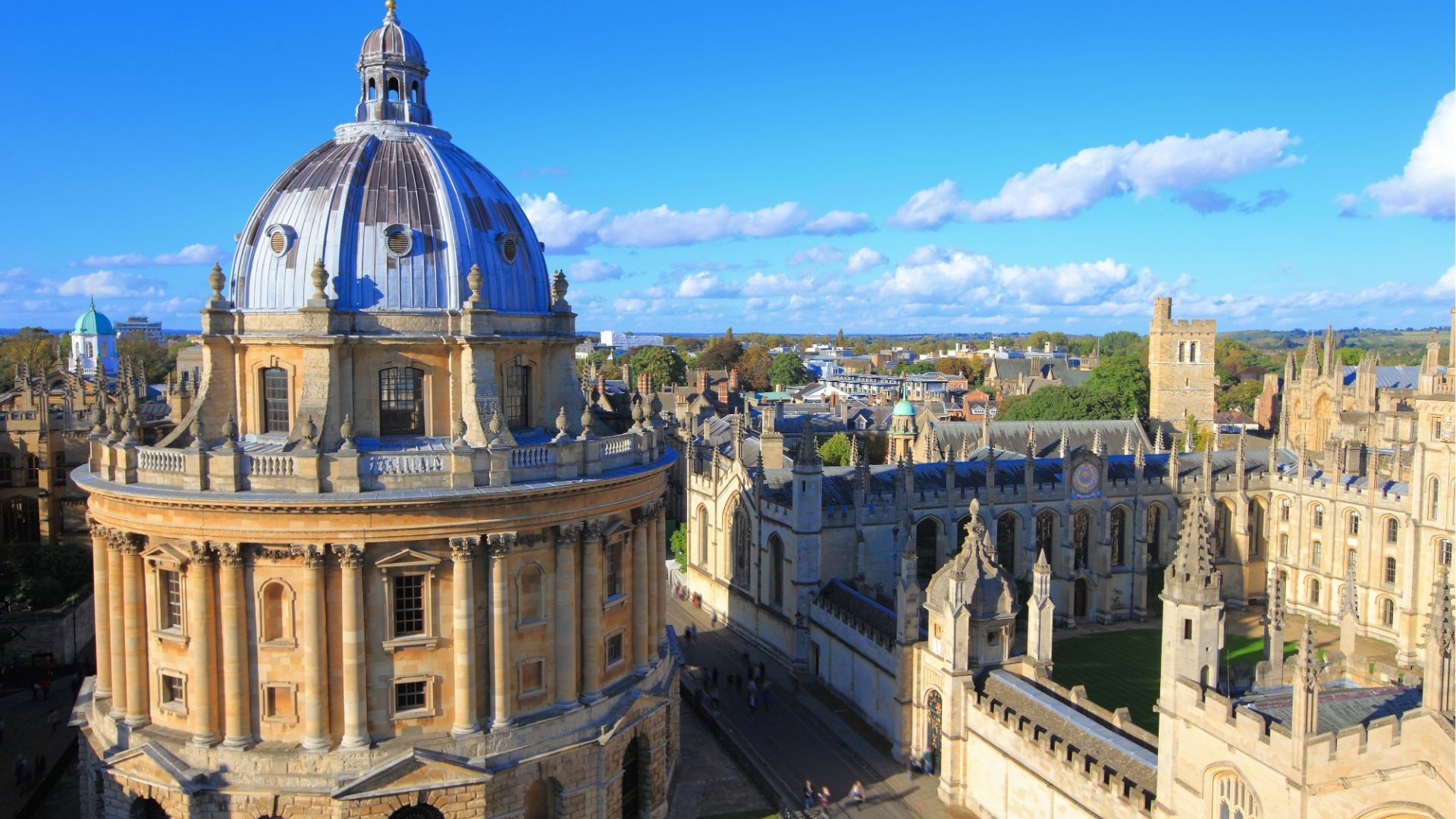
In 2026, while digital resources and AI-assisted research are integrated into the workflow, the core of the Oxford experience remains the human-centric debate. You are expected to be an independent learner. The Bodleian Libraries, a massive network of over 25 libraries, provide the physical space for this study. The "Rad Cam" (Radcliffe Camera) is the most famous, but many students prefer the quiet, modern interiors of the Weston Library or the hidden, specialized faculty libraries scattered across the city.
One important distinction for newcomers is the concept of "Sub Fusc." This is the formal academic dress worn for exams and ceremonies. It consists of a dark suit or skirt, a white shirt/blouse, a white or black tie (or black ribbon), and your academic gown and mortarboard. While it may feel like a costume at first, it is a powerful symbol of the University’s continuity.
Hidden Oxford: City Secrets and Student Hangouts
Beyond the grand facades of the High Street lie the "secrets" that locals and long-term students cherish. These are the spaces where you can escape the tourist crowds that flock to the city center.
- The Turf Tavern: Tucked away down a series of narrow winding alleys near the Bridge of Sighs, this 14th-century pub is a favorite for its low ceilings and historic atmosphere. It is famously where Bill Clinton "did not inhale."
- The Perch and The Trout: For those willing to walk or cycle a bit further, these pubs located in Binsey and Wolvercote offer a peaceful riverside setting far removed from the city's bustle.
- The Oxford Botanic Garden: As the oldest botanic garden in the UK, it offers a serene escape. It is particularly beautiful in late spring and is a perfect spot for quiet reflection between tutorials.
- The "Hidden" Libraries: While everyone knows the Bodleian, the library at the Oxford Union is one of the most beautiful Victorian spaces in the city, and many college libraries have secret rooftop views or quiet courtyards that are accessible only to their members.
- G&D’s (George and Danver/Davis): An Oxford institution, these ice cream cafes are open late and serve as the go-to spot for post-study sugar hits and socialising.
Logistics: Bicycles, Budgeting, and Housing
Oxford is a compact city, and the most efficient way to navigate it is by bicycle. However, the city is also a hotspot for bike theft. Investing in a high-quality D-lock and registering your bike with the University security services is essential. Be prepared for the cobblestones; they are charming but can be treacherous in the rain.
Financially, Oxford can be expensive. In 2026, the cost of living remains high, particularly for private rentals. Most students find that eating in the College Hall is the most cost-effective option. These meals are often subsidized and provide a great opportunity to meet people from different disciplines.
| Feature | Michaelmas Term | Hilary Term | Trinity Term |
|---|---|---|---|
| Primary Focus | Orientation & Foundation | Deep Research & Focus | Exams & Celebrations |
| Key Event | Matriculation | College Bops / Formal Balls | May Morning / Commemoration |
| Weather Mood | Crisp, Autumnal | Cold, Grey, "Oxford Blue" | Sunny, Floral, Punting Weather |
| Academic Load | High (Setting the pace) | Very High (The "grind") | Peak (Revision and Finals) |
| Social Vibe | Networking & Clubs | Cozy Pubs & Societies | Garden Parties & Riversides |
Student Well-being and Support
The intensity of a year in Oxford can take a toll. The "eight-week sprint" leaves little room for error or illness. It is vital to recognize the signs of burnout early. The University has significantly expanded its mental health provision by 2026, offering collegiate-level peer support, university-wide counseling services, and "welfare teas" in most JCRs/MCRs.
One of the best ways to maintain balance is to join one of the hundreds of student societies. Whether it is the Oxford Union for world-class debating, the Oxford University Dramatic Society (OUDS), or various sports clubs (the "Blues"), these activities provide a necessary outlet for stress. Rowing, in particular, is a major part of the culture, culminating in "Bumps" races where colleges compete for "Head of the River" status.
Frequently Asked Questions
Do I really need to wear a gown to dinner?
In many colleges, "Formal Hall" requires students to wear their academic gowns over smart attire. This is not universal; some colleges have formal dinners only once or twice a week, while others have them more frequently. Always check your specific college’s "Blue Book" or student handbook for the rules regarding dining etiquette and dress codes.
Is it possible to hold a part-time job while studying?
The University of Oxford generally discourages students from working during term time because of the intense academic workload. In some cases, postgraduates may be allowed to take on limited teaching or research assistant roles, but undergraduates are typically expected to focus entirely on their studies. It is important to ensure your funding or student loans cover your living expenses for the 24 weeks of the academic year.
How do I get into the famous secret societies?
Most "secret societies" in Oxford are more about social networking than actual secrecy. Some are tied to specific colleges, while others are university-wide. Generally, membership is by invitation, often based on shared interests in dining, wine, or specific academic fields. However, the vast majority of student life revolves around open, inclusive clubs that anyone can join at the Freshers' Fair.
What is the "Oxford Bubble"?
The "Oxford Bubble" refers to the tendency for students to become so immersed in university life, academic pressure, and college social circles that they lose touch with the world outside the city. It can feel as though the eight weeks of term are a different reality. To break the bubble, many students take advantage of Oxford's excellent rail links to London (the "Oxford Tube" bus is also a 24/7 staple) or explore the nearby Cotswolds for a weekend.
Essential Steps for the 2026 Intake
If you are beginning your year in Oxford in 2026, your first priority should be logistical readiness. Ensure your visa documentation (for international students) is finalized well in advance and that you have secured college or private accommodation.
Once you arrive, do not spend all your time in the library during the first two weeks. The social connections you make during "Noughth Week" are often the ones that will sustain you through the difficult Hilary Term. Finally, remember that while the academic standards are world-leading, the true value of a year in Oxford lies in the people you meet and the ancient, quiet corners of the city you discover for yourself. Join a society that has nothing to do with your degree, learn to punt (even if you fall in), and take the time to look up at the "dreaming spires" every once in a while.