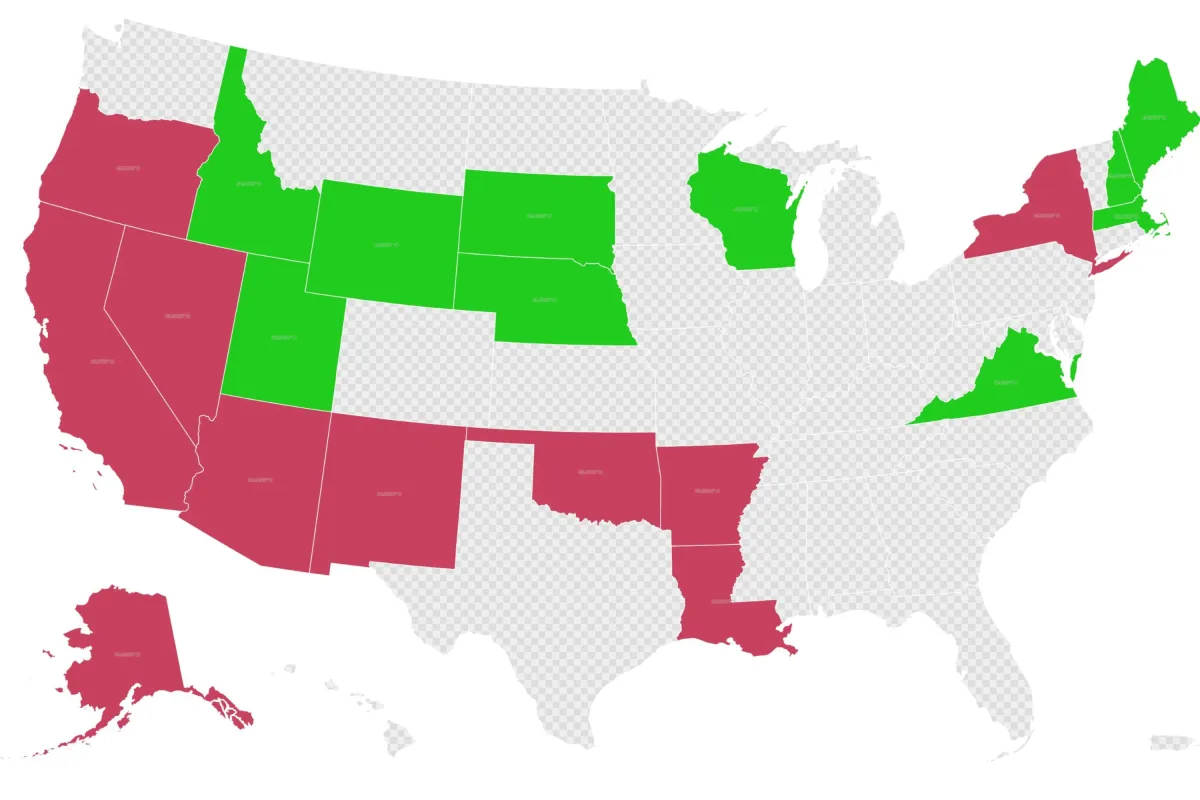
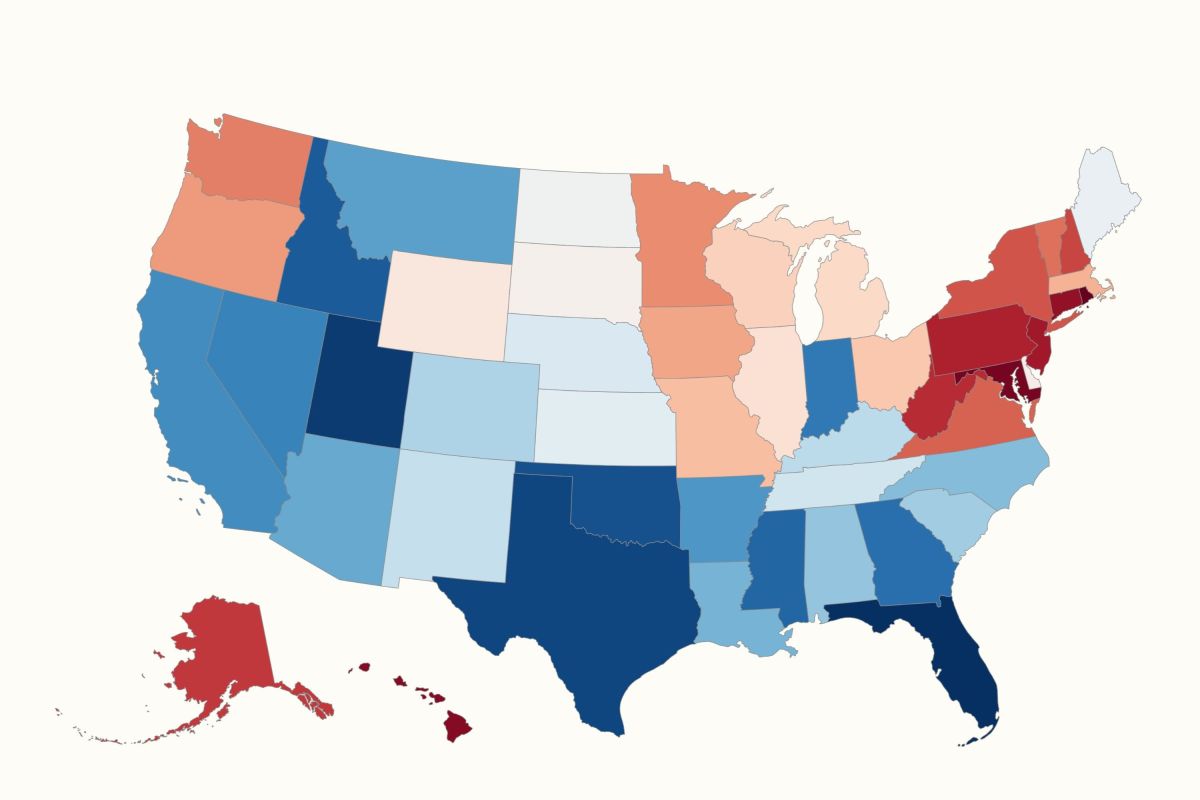
Identifying the "worst states" to live in 2026 requires a multi-dimensional analysis of economic stability, healthcare accessibility, public safety, and infrastructure quality. Currently, states like Mississippi, Louisiana, and New Mexico frequently occupy the bottom of these rankings due to high poverty rates, lagging educational outcomes, and systemic health disparities that impact overall quality of life.
Defining the Metrics of "Worst": How States Are Ranked
Determining which states fall into the "worst" category is not an exercise in subjective opinion but rather a result of aggregating massive datasets from federal agencies and private research institutions. To provide an objective view in 2026, analysts prioritize several core "pillars" of livability. These include economic health (growth, median income, and poverty), education (attainment and school quality), healthcare (outcomes and costs), and crime (violent and property crime rates).
A state might excel in one area—such as having a very low cost of living—while failing dramatically in another, such as public safety or air quality. For instance, several states in the Deep South offer some of the most affordable housing in the nation, yet they are often ranked poorly because their healthcare systems are overburdened and their labor markets offer fewer high-paying opportunities. Conversely, some Western states struggle with affordability but offer superior environmental quality and outdoor amenities.
By analyzing data from the U.S. Census Bureau and the Bureau of Labor Statistics, we can see that the states at the bottom of the rankings are often those that have failed to diversify their economies or have suffered from long-term "brain drain," where educated residents move elsewhere in search of better prospects.
Economic Hardship and Opportunity Gaps
Economic viability is perhaps the most significant factor in state rankings. In 2026, the divide between states with tech-driven economies and those reliant on declining industries has widened. The "worst" states for economic opportunity are characterized by low median household incomes, high unemployment rates, and a lack of venture capital investment.
Mississippi and West Virginia frequently lead this category. These states have historically relied on manufacturing or coal mining—sectors that have seen significant automation or shifts due to global energy transitions. Without a robust transition to the digital or green energy economy, these regions struggle with high rates of labor force non-participation. Furthermore, the lack of high-speed broadband in rural areas of these states continues to hinder the growth of remote work, which has become a staple of the 2026 labor market.
Poverty is a compounding issue. When a state has a high percentage of residents living below the federal poverty line, the tax base shrinks. This leads to underfunded public services, creating a cycle of decline that is difficult to break. According to current data, states with the highest poverty levels also tend to have the lowest rates of entrepreneurship, as the local population lacks the "safety net" capital required to start new businesses.
Healthcare Access and Public Health Outcomes
The quality and accessibility of healthcare are critical indicators of a state’s livability. In 2026, healthcare rankings are often dominated by outcomes related to life expectancy, infant mortality, and the prevalence of chronic diseases like obesity and diabetes. The states ranked worst in healthcare are predominantly located in the Southeast.
Louisiana and Arkansas often face significant challenges here. These states deal with "healthcare deserts," where residents in rural counties must drive hours to reach a specialist or a trauma center. The Centers for Disease Control and Prevention (CDC) reports that these regions also have some of the highest rates of preventable deaths.
Beyond physical health, mental healthcare access is a major component of 2026 rankings. States that have failed to expand Medicaid or invest in community health centers find themselves at a disadvantage. High rates of uninsured residents lead to higher costs for everyone, as emergency rooms become the primary source of care for minor ailments. This systemic inefficiency is a hallmark of states that consistently rank at the bottom of quality-of-life indices.
Public Safety and Crime Statistics
Safety is a primary concern for families and businesses alike. When analyzing the "worst" states for safety, we look at both violent crime rates and property crime rates per 100,000 residents. New Mexico and Alaska often appear in these discussions, despite their vastly different geographies.
In New Mexico, high rates of violent crime have been a persistent issue, often linked to systemic poverty and substance abuse challenges. Crime affects not just the individuals involved but the entire state’s reputation, deterring outside investment and tourism. Alaska, while having a high median income due to its resource-wealthy economy, struggles with high rates of domestic violence and aggravated assault, often exacerbated by the isolation of its communities.
Data from the FBI Crime Data Explorer suggests that crime is often a lagging indicator of economic distress. States that fail to provide adequate social services or educational opportunities often see higher crime rates a generation later. In 2026, the most successful states are those that have moved toward integrated policing and community support models, while the "worst" states remain stuck in cycles of high recidivism and low public trust in law enforcement.
Infrastructure and Environmental Resilience
Infrastructure in 2026 is no longer just about roads and bridges; it includes the electrical grid, water systems, and climate resilience. States with aging infrastructure and a high vulnerability to natural disasters often rank poorly.
Louisiana is a prime example of a state facing an infrastructure crisis. With the increasing frequency of severe weather events, the state's levee systems and coastal protections are under constant strain. Furthermore, the rising cost of homeowners' insurance in high-risk zones has made living in these areas economically non-viable for many.
Other states, like Hawaii, rank poorly in infrastructure categories due to the sheer cost of maintenance and the high price of utilities. While Hawaii is often viewed as a paradise, the "hidden" costs of decaying infrastructure and the highest electricity rates in the nation can make it one of the most difficult states for middle-class residents to sustain a high quality of life.
2026 Comparative State Performance Table
The following table summarizes the performance of states frequently cited as the "worst" across four critical metrics. A lower score in Rank typically indicates a poorer performance relative to the national average.
| State | Poverty Rate (Est. 2026) | Healthcare Access Rank | Violent Crime Rate (per 100k) | Infrastructure Grade |
|---|---|---|---|---|
| Mississippi | 18.9% | 50th | 290 | D+ |
| Louisiana | 17.8% | 48th | 640 | D- |
| New Mexico | 17.5% | 42nd | 780 | C |
| West Virginia | 16.2% | 47th | 350 | D |
| Arkansas | 15.8% | 46th | 670 | C- |
| Alabama | 15.5% | 45th | 450 | C |
Note: Rankings are composite estimates based on trends from the mid-2020s. Higher crime rates and poverty percentages indicate lower overall livability.
The Cost of Living Paradox
One of the most complex aspects of ranking the "worst" states is the relationship between affordability and quality of life. Many of the states at the bottom of the list are technically the "cheapest" to live in. For example, Mississippi consistently has the lowest cost of living in the United States.
However, this is often a "poverty trap." While rent might be half the price of the national average, the local wages are often even lower, and the quality of public services (schools, parks, libraries) is significantly reduced. In 2026, many remote workers who moved to these "cheap" states during the early 2020s have found that the lack of amenities and poor infrastructure offset the financial gains. This has led to a re-evaluation of what "value" means in a residential context. A state is not necessarily "good" just because it is inexpensive; if the trade-off is poor health outcomes and limited safety, it may still be considered among the worst options for long-term residency.
Frequently Asked Questions
Which state has the lowest life expectancy in 2026?
Mississippi consistently reports the lowest life expectancy in the U.S. This is attributed to a combination of high rates of cardiovascular disease, limited access to preventive care, and socioeconomic factors that prevent residents from maintaining a healthy lifestyle. State-level health initiatives have attempted to address these gaps, but systemic progress remains slow.
Why does New Mexico rank poorly despite its natural beauty?
While New Mexico offers significant cultural and environmental assets, it struggles with high violent crime rates and some of the lowest education rankings in the country. The state's economy is also heavily dependent on the volatile oil and gas industry, which can lead to economic instability during global energy shifts.
Are "worst state" rankings biased against rural areas?
Not necessarily. While rural states often struggle with infrastructure and healthcare access, they often rank very high in categories like air quality and "stress-free" living. Rankings become "worst" when the lack of services significantly impacts the lifespan, safety, or economic mobility of the population, regardless of whether the setting is urban or rural.
Which state is currently facing the worst insurance crisis?
In 2026, Louisiana and Florida are both dealing with severe insurance crises. Due to the high risk of hurricanes and floods, many private insurers have left these markets, forcing residents to rely on state-backed "insurers of last resort" which are often more expensive and provide less comprehensive coverage.
How does education affect these rankings?
Education is a "lead indicator." States with poor K-12 systems, like Alabama and Oklahoma, often struggle to attract high-tech companies because the local workforce lacks the necessary skills. This leads to lower tax revenue, which in turn leads to further underfunding of schools, creating a self-perpetuating cycle of low performance.
Strategic Considerations for Relocation
For those considering a move or evaluating their current state's standing, it is essential to look beyond a single headline or ranking. A state that is "the worst" for a young professional seeking a high-tech career might be perfectly acceptable for a retiree looking for low property taxes and a slower pace of life.
When evaluating a state, prioritize your personal "non-negotiables." If healthcare is your primary concern, consult the Agency for Healthcare Research and Quality to see state-by-step performance metrics. If safety is paramount, look at local municipal data rather than just state-wide averages, as crime is often concentrated in specific urban corridors. Ultimately, the "worst" state is the one that fails to provide the specific resources and safety nets required for your family's unique needs and long-term goals.