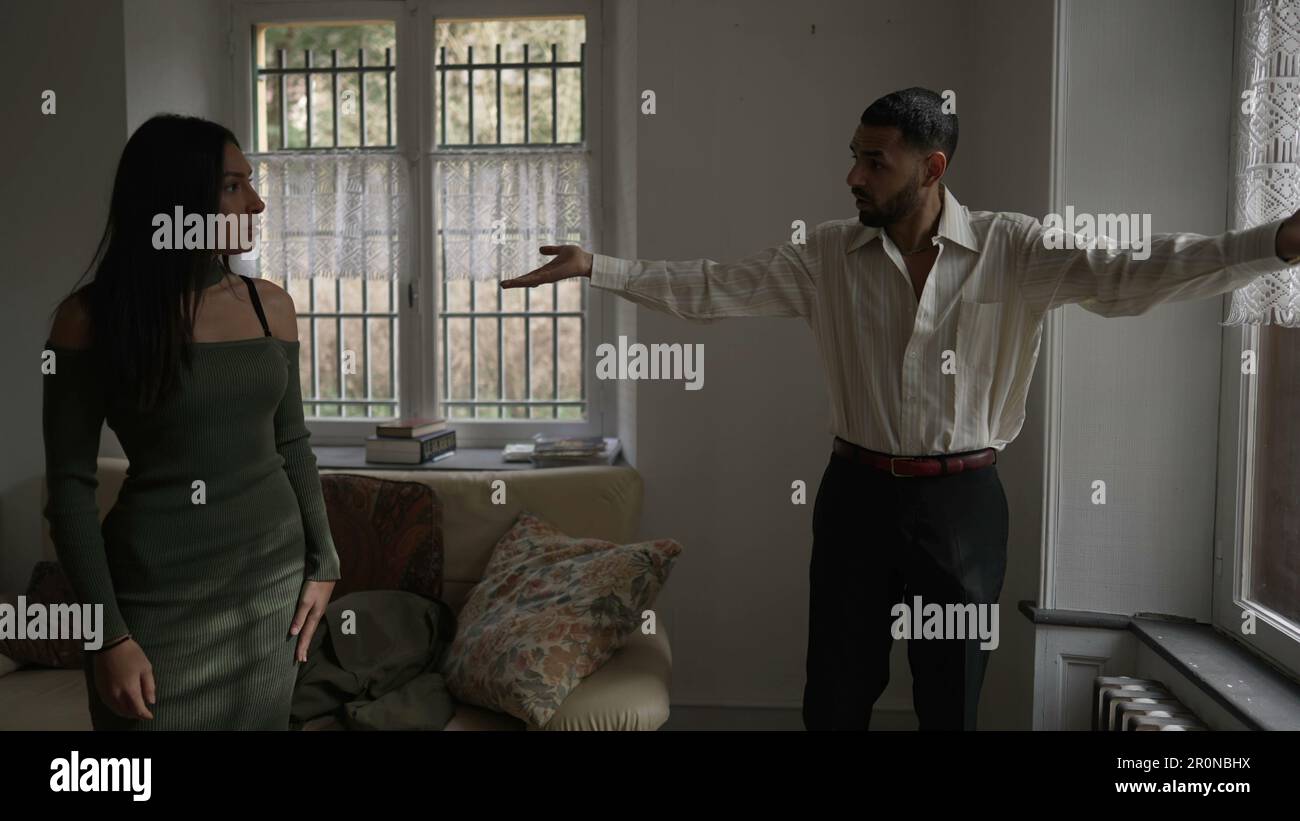
The phrase "A World of Married Couple" refers to the intricate, often private, and highly complex psychological and emotional ecosystem shared exclusively by two spouses. It encompasses the unspoken rules, shared history, and the intense bond that exists between partners, emphasizing that a marriage is a distinct "world" with its own unique gravity, secrets, and vulnerabilities.
Marriage is rarely just a legal contract; it is a social and psychological microcosm. When people use the phrase "A World of Married Couple"—often popularized by the 2020 South Korean drama The World of the Married (itself based on the BBC series Doctor Foster)—they are usually referring to the hidden depths of domestic life. In a relationship context, this "world" represents the boundary between the public face a couple presents and the private reality they inhabit. As we navigate the complexities of long-term partnerships in 2026, understanding this phrase requires looking at the pillars of trust, the devastation of betrayal, and the psychological architecture that keeps two people together.
The Origins and Cultural Weight of the Phrase
While the phrase "a world of married couple" may seem like a simple descriptive term, its contemporary weight is heavily influenced by media that explores the darker side of domesticity. The global success of television dramas centered on this theme has solidified the phrase as a shorthand for the high-stakes nature of marital stability. It suggests that once you enter the "world" of marriage, the rules of the outside world often feel secondary to the internal dynamics of the partnership.
In 2026, we see this phrase used frequently in relationship therapy and sociological studies to describe the "insular nature" of modern marriage. In an era where digital lives are highly curated, the "world" of a couple remains one of the few places where raw, unfiltered human emotion still resides. This phrase serves as a reminder that no one truly knows what happens behind closed doors, and that the internal logic of a marriage can often seem irrational or incomprehensible to those on the outside.
The Psychological Microcosm: Building the "World"
The "world" of a married couple is built over time through shared experiences, both mundane and monumental. This construction begins with the establishment of trust and the creation of a "private language"—jokes, references, and non-verbal cues that only the two partners understand. According to the Gottman Institute, these small moments of connection are the "bricks" that build the emotional fortress of a relationship.
Shared Narrative and Identity
A significant part of this "world" is the shared narrative. Couples create a history together that defines who they are as a unit. This narrative acts as a protective shield against external stressors. When a couple says they have their "own world," they are referring to this sense of shared identity that distinguishes them from their families, friends, and the broader society.
Boundaries and Privacy
A healthy "world" requires clear boundaries. In the context of 2026, where privacy is increasingly scarce due to social media and digital tracking, maintaining a "world" that is off-limits to others is a vital component of marital health. The "world of a married couple" is defined by what is excluded as much as by what is included. When those boundaries are breached—whether by overbearing in-laws or digital intrusions—the "world" begins to destabilize.
The Fragility of the Marital Microcosm
The phrase often carries a secondary, more ominous meaning: the inherent fragility of this private world. Because a marriage is a world built on the foundation of two people, the failure of one person to uphold their end of the emotional contract can lead to a total systemic collapse.
The Impact of Betrayal
When infidelity or deep deceit occurs, it isn't just a mistake; it is the destruction of the "world." The victim of the betrayal often feels as though their entire reality has been rewritten. This is why the phrase is so often associated with high-drama narratives. The "world" is a delicate ecosystem where one lie can act like an invasive species, eventually suffocating the life out of the entire structure.
Power Dynamics and Control
Within the "world of a married couple," power is rarely distributed 50/50 at all times. It ebbs and flows. However, when the "world" becomes a place of control rather than cooperation, the phrase takes on a toxic context. A "world" can quickly become a prison if one partner uses the isolation of the marital bond to exert undue influence over the other.
Dimensions of the Marital World: Healthy vs. Dysfunctional
To better understand the phrase in a practical relationship context, it is helpful to compare the characteristics of a flourishing "world" versus one that is in decline.
| Dimension | Healthy "World of a Couple" | Dysfunctional "World of a Couple" |
|---|---|---|
| Communication | Open, transparent, and grounded in "I" statements. | Passive-aggressive, secretive, or silent. |
| Conflict Resolution | Focused on the problem; maintains the safety of the bond. | Focused on the person; involves personal attacks or "winning." |
| External Boundaries | Semi-permeable; allows for external support while keeping secrets safe. | Rigidly isolated or overly porous (letting everyone in). |
| Individual Autonomy | Partners maintain their own identities within the unit. | Partners are enmeshed; one loses their sense of self. |
| Trust Foundation | Predictability and emotional safety are paramount. | Constant suspicion, testing, or "gaslighting" behaviors. |
| Financial Transparency | Shared goals and open accounting of resources. | Financial infidelity or using money as a tool of control. |
The Legal and Social Landscape in 2026
By 2026, the "world of married couples" has faced new challenges and evolutions. Legal structures in many jurisdictions have shifted to better recognize the "emotional labor" and non-tangible contributions within a marriage, reflecting a deeper understanding of the marital "world."
Furthermore, the rise of "digital infidelity"—emotional affairs conducted through virtual reality or advanced AI interfaces—has forced a redefinition of what it means to break the "world" of a couple. Counselors now emphasize that the "world" is not just a physical space but a digital and emotional one. The phrase now encompasses the need for "digital transparency" as a prerequisite for marital stability.
Rebuilding or Deconstructing the "World"
When the "world of a married couple" is shattered, there are generally two paths: reconstruction or deconstruction. Understanding the phrase in a relationship context involves recognizing that some worlds are worth saving, while others have become too toxic to inhabit.
The Process of Reconciliation
Rebuilding a world after a major breach of trust is a monumental task. It requires what psychologists call "radical transparency." The partners must be willing to dismantle the old, broken world and build a new one from the ground up. This process often takes years and requires the intervention of professional therapists specializing in complex trauma.
The "Clean Break" Deconstruction
In many cases, the "world" is so fundamentally compromised that deconstruction is the healthiest option. Modern divorce proceedings in 2026 often focus on "conscious uncoupling" or mediated separations that aim to dismantle the shared world without destroying the individuals within it. This is particularly important when children are involved, as they often exist in a "sub-world" created by the parents' marriage.
Modern Technology's Role in the Marital Context
In 2026, technology is both a builder and a destroyer of the marital world. Shared calendars, financial apps, and even "smart home" ecosystems contribute to the logistical cohesion of a couple's world. However, the same tools can be used for surveillance and control.
Ethical use of technology is now a primary topic in marriage seminars. The "world of a married couple" must include an agreement on how data and privacy are handled. A "world" where one partner is constantly monitoring the other's location or messages is not a world of partnership, but a world of surveillance. True marital context in the modern age requires a balance between the convenience of connectivity and the necessity of individual privacy.
Common Misconceptions About the Phrase
Many people mistake "a world of married couple" for a romantic ideal where two people become "one." In reality, the phrase is more about the structure of the relationship than the feeling of romance.
- It’s not just about love: A "world" can exist between two people who are currently unhappy or even hostile toward each other. The "world" is the container; love is the content.
- It’s not static: The world of a couple changes through different life stages—new parenthood, career shifts, and aging.
- It isn't always visible: Some of the strongest marital "worlds" look unremarkable from the outside, while some of the most "perfect" looking worlds are hollow on the inside.
How to Strengthen Your Own "World"
For those seeking to reinforce their relationship context, the focus should be on "intentionality." Creating rituals of connection—whether it's a daily 10-minute check-in or a weekly date night—serves to reinforce the borders of your shared world. According to Psychology Today, intentionality is the primary differentiator between couples who stay together and those who drift apart.
Frequently Asked Questions
What does "A World of Married Couple" mean in a psychological sense?
In psychology, it refers to the "Dyadic System"—the unique interactional pattern between two people. This system includes their communication styles, attachment bonds, and the psychological defense mechanisms they use to protect the relationship from external stress.
How can a couple recover if their "world" has been shattered by infidelity?
Recovery requires a multi-stage process: atonement, where the betrayer takes full responsibility; healing, where the victim's trauma is addressed; and rebuilding, where new boundaries and transparency measures are established. It often requires professional guidance from organizations like the American Association for Marriage and Family Therapy (AAMFT).
Can a "world" exist in a long-distance marriage?
Yes. A marital "world" is not defined by physical proximity but by emotional and cognitive presence. Digital rituals, shared goals, and frequent, meaningful communication can maintain the integrity of a couple's world even across great distances.
Why is the phrase often associated with "secrets"?
Because a marriage is a private contract, it naturally contains information that is not shared with the public. These "secrets" aren't necessarily negative; they can be intimate details, private jokes, or future plans that form the "inner sanctum" of the relationship.
Is it healthy for a couple to have their "own world" to the exclusion of others?
While a private world is essential, "total exclusion" can be a sign of an unhealthy or even abusive relationship (isolation). A healthy marital world should be a safe base from which both partners can confidently engage with the outside world, not a bunker they never leave.
How has the definition of this "world" changed by 2026?
By 2026, the definition has expanded to include "digital fidelity" and "emotional labor parity." There is a much greater emphasis on how technology affects the private sphere and how partners share the mental load of managing a household.
Recommendation for Maintaining a Healthy Marital Context
To maintain a healthy "world of married couple," partners should engage in a "Marital Audit" at least twice a year. This isn't a formal or cold process, but a dedicated time to discuss the state of the "world." Are the boundaries holding? Is the communication clear? Is there a sense of shared purpose?
If you find that your "world" feels unstable, do not wait for a crisis to seek help. Proactive counseling or relationship workshops can provide the tools needed to reinforce the foundation of your partnership. The goal is to ensure that your "world" remains a place of refuge, growth, and mutual respect, rather than a place of conflict or stagnation. Understanding the depth of this phrase is the first step in treating your marriage with the gravity and care it deserves.