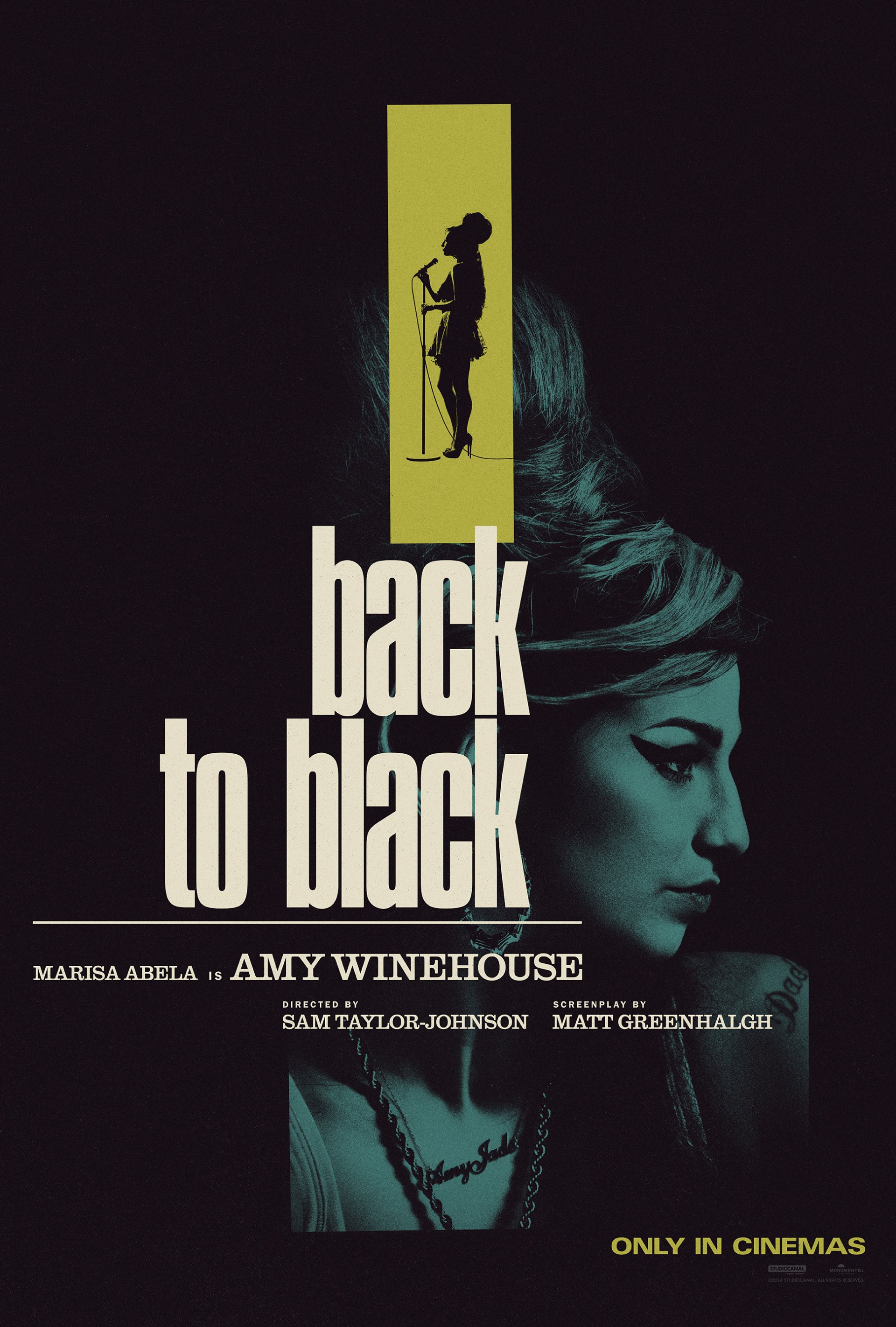
Amy Winehouse’s life and career are primarily documented through two major cinematic works: the Academy Award-winning documentary Amy (2015), directed by Asif Kapadia, and the narrative biopic Back to Black (2024), directed by Sam Taylor-Johnson. While the documentary utilizes archival footage to provide a raw, journalistic perspective, the biopic offers a dramatized exploration of her creative process and personal relationships.
The cinematic legacy of Amy Winehouse is a subject of intense interest for music historians and casual fans alike. As of 2026, these films remain the definitive visual records of a generational talent whose influence on soul, jazz, and R&B continues to resonate. Navigating the "Winehouse film" landscape requires an understanding of the different creative intentions behind each project—ranging from the investigative scrutiny of her rise and fall to the stylized celebration of her musical genius.
The Evolution of Amy Winehouse on Screen
The fascination with Amy Winehouse on film began almost immediately after her passing in 2011. Filmmakers faced the challenge of balancing her immense musical contributions with the tragic circumstances of her personal life. The result has been a bifurcated filmography: one side focused on the objective reality of her struggles (documentary), and the other on the subjective experience of her artistry (narrative film).
By 2026, the discourse around these films has matured. We no longer view them merely as entertainment but as cultural artifacts that reflect how society perceives celebrity, addiction, and female genius. The contrast between the documentary and the biopic provides a full-spectrum view of an artist who was often misunderstood by the media during her lifetime.
The Definitive Documentary: Amy (2015)
Directed by Asif Kapadia, Amy is widely considered one of the most significant music documentaries of the 21st century. Kapadia, known for his work on Senna, employed a "true-life thriller" style, eschewing traditional "talking head" interviews in favor of a seamless narrative constructed from home movies, concert footage, and voiceovers.
Narrative Depth and Source Material
The documentary is built upon more than 100 interviews with friends, family, and collaborators. However, the brilliance of the film lies in its use of Amy’s own words. By overlaying her handwritten lyrics onto the screen, Kapadia connects her personal trauma directly to her songwriting. The film covers her early years in Southgate, her initial success with the album Frank, and the overwhelming, often destructive fame that followed the release of Back to Black.
Critical Impact and Controversy
Upon its release, Amy won the Academy Award for Best Documentary Feature. However, it was not without controversy. Amy’s father, Mitch Winehouse, publicly distanced himself from the project, claiming it portrayed him in an unfavorable light and missed the "positivity" of his daughter's life. Despite these objections, the film is praised for its unflinching look at the role of the paparazzi and the music industry in her decline, making it a "must-watch" for those seeking a factual, albeit somber, account.
The Narrative Biopic: Back to Black (2024)
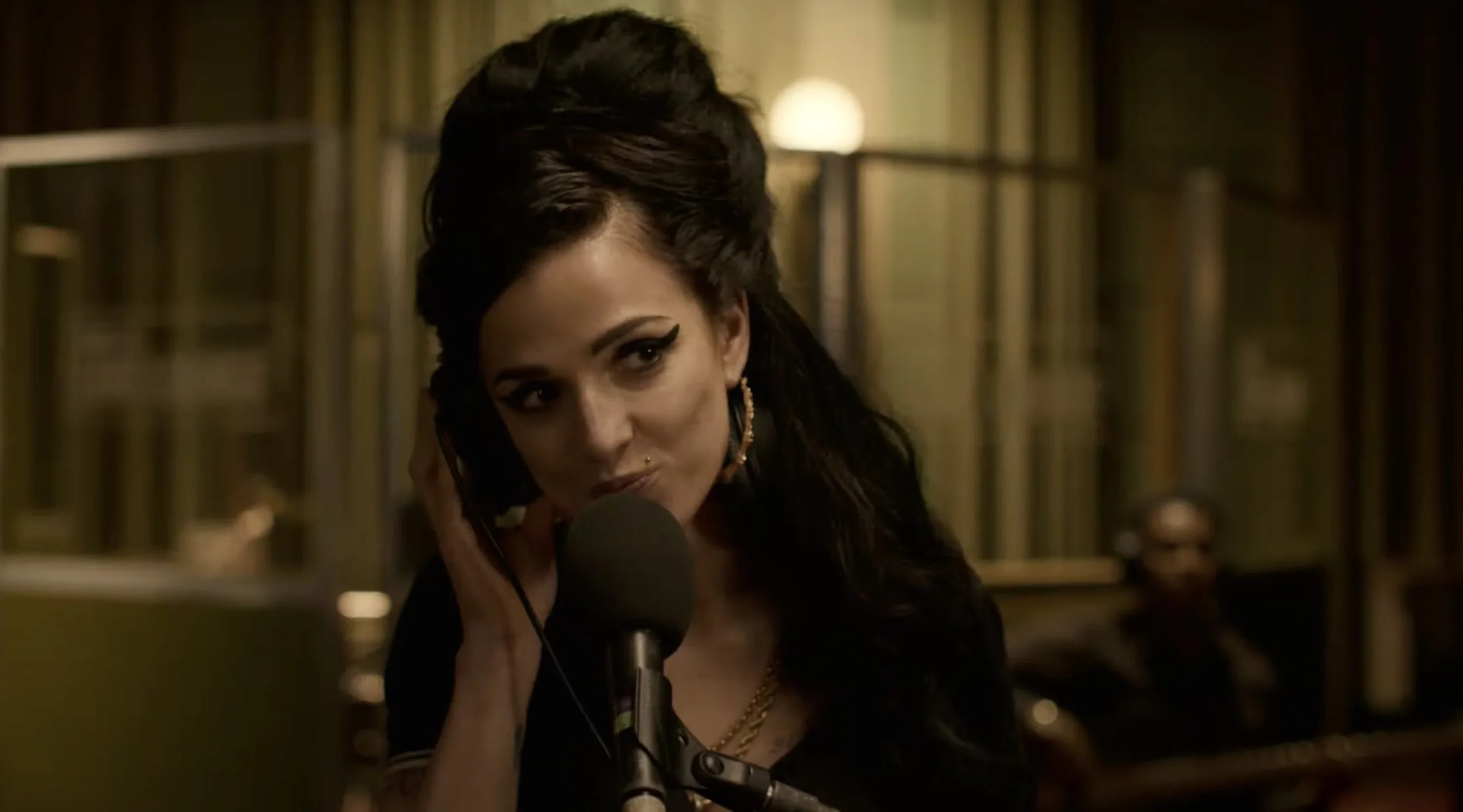
Nearly a decade after the documentary, director Sam Taylor-Johnson released Back to Black, the first major scripted feature film about Winehouse. Starring Marisa Abela as Amy and Jack O'Connell as Blake Fielder-Civil, the film sought to reclaim Amy’s narrative by focusing on her creative agency rather than just her victimhood.
Artistic Direction and Performance
A defining characteristic of the 2024 film is that Marisa Abela performed the vocals herself. Rather than lip-syncing to Amy’s original recordings, Abela underwent extensive vocal training to capture the essence of Winehouse’s unique phrasing and "dirty" jazz tone. This choice was intended to ground the performance in the physical act of creation, showing the audience how Amy’s emotions were funneled into her music.
The film focuses heavily on the Camden Town setting, treating the London neighborhood as a character in its own right. It traces the tumultuous relationship between Amy and Blake, which served as the primary inspiration for her magnum opus album. Unlike the documentary, the biopic received the support of the Amy Winehouse Estate, allowing the production access to her entire catalog and personal effects.
Narrative Focus: The Artist’s Perspective
While Amy (2015) is often viewed as a cautionary tale about the pitfalls of fame, Back to Black (2024) attempts to be a love letter to her talent. It highlights her influences—from The Shangri-Las to Dinah Washington—and portrays her as a woman who knew exactly what she wanted musically, even when her personal life was in disarray.
Comparing the Major Winehouse Films
For viewers in 2026, choosing between the documentary and the biopic often depends on what they hope to gain. The following table highlights the technical and thematic differences between the two primary works.
| Feature | Amy (2015) | Back to Black (2024) |
|---|---|---|
| Format | Documentary (Archival) | Narrative Biopic (Scripted) |
| Director | Asif Kapadia | Sam Taylor-Johnson |
| Lead Star | Amy Winehouse (Self) | Marisa Abela |
| Key Focus | Investigative, social critique | Creative process, romance |
| Vocal Source | Original Winehouse recordings | Performed by Marisa Abela |
| Estate Status | Disavowed by family | Supported by the Estate |
| Critical Tone | Somber, journalistic | Stylized, celebratory |
| Primary Theme | The cost of fame | The source of inspiration |
Secondary Documentaries and Making-Of Specials
Beyond the two "pillars" of Winehouse cinema, several other films provide niche insights into her work. These are often preferred by audiophiles and scholars who want to move past the tabloid headlines.
- Amy Winehouse: Back to Black (Classic Albums Series): This documentary focuses exclusively on the technical production of her second album. It features interviews with producers Mark Ronson and Salaam Remi, stripping back the tracks to show the brilliance of Amy’s vocal takes and the arrangement of the Dap-Kings.
- Reclaiming Amy (2021): Produced by the BBC to mark the 10th anniversary of her death, this film serves as a "rebuttal" to the 2015 documentary. It features her mother, Janis Winehouse-Collins, and other close friends who felt the previous films missed the "real" Amy behind the addiction.
- Amy Winehouse: En Her Own Words: A compilation of various television interviews and radio segments that allows the artist to speak for herself without the editorializing of a third-party director.
Viewing Requirements and Streaming Access in 2026
In the current landscape of 2026, accessing these films is straightforward, though they are distributed across different platforms due to licensing agreements.
- Amy (2015): Generally available on prestige documentary platforms or as a digital purchase on major storefronts like Apple TV and Amazon. It is frequently included in "Best of the Decade" collections.
- Back to Black (2024): Since its release, it has transitioned to major streaming services (often Peacock or Netflix, depending on the region). High-definition 4K versions are recommended to appreciate the period-accurate cinematography of mid-2000s London.
- Audio-Visual Quality: For both films, high-quality audio equipment is essential. Because Amy Winehouse's music is the soul of these films, viewing them with a soundbar or high-fidelity headphones significantly enhances the experience, particularly during the live performance recreations in the biopic.
Common Criticisms and Academic Reception
The "Winehouse film" sub-genre is frequently used in media studies to discuss the ethics of the biopic. Critics often argue that narrative films like Back to Black risk "sanitizing" a tragic life for the sake of entertainment. Conversely, the 2015 documentary is sometimes criticized for its "villainization" of certain figures in Amy's life through selective editing.
In 2026, the consensus among film historians is that both formats are necessary. The documentary provides the cold, hard facts of the era's paparazzi culture, while the biopic provides an emotional entry point for a younger generation who did not live through the "Amy-mania" of 2006-2011. Together, they form a comprehensive, if sometimes contradictory, portrait of an artist.
FAQ: Frequently Asked Questions about Winehouse Films
Did Marisa Abela actually sing in the 2024 film?
Yes. Unlike many musical biopics that use the original artist's masters, Marisa Abela trained for several months to perform the songs herself. This was a deliberate creative choice by director Sam Taylor-Johnson to ensure the performances felt integrated into the acting, though it remained a point of debate among fans of Winehouse’s inimitable voice.
Which film is more accurate to her real life?
The 2015 documentary Amy is considered more factually accurate in terms of chronology and actual events, as it uses real-life footage. However, accuracy is subjective; the 2024 biopic Back to Black claims to be more accurate to Amy’s "spirit" and her perspective on her own life, particularly regarding her relationship with Blake Fielder-Civil.
Are there any films that Amy Winehouse acted in?
Amy Winehouse did not have a career as a film actress. Her screen presence was limited to music videos, live concert films (such as I Told You I Was Trouble: Live in London), and guest appearances on television shows like The Buzzcocks.
Why was the 2015 documentary controversial?
The controversy primarily stemmed from Amy’s father, Mitch Winehouse. He argued that the film’s editing suggested he was negligent or prioritized her career over her health. The filmmakers defended their work, stating it was based on extensive research and the testimony of those closest to her.
Is there a film about her early "Frank" era?
While both major films cover her early years, the documentary Amy provides the most extensive footage of her "Frank" period (2003-2005), showing her as a young, jazz-focused singer before she became a global pop icon.
Recommendation for New Viewers
If you are approaching the work of Amy Winehouse for the first time in 2026, the most effective viewing order is to start with the 2015 documentary "Amy". This provides the necessary historical context and allows you to hear her actual voice and see the real-world impact of her celebrity. Following this with the 2024 biopic "Back to Black" allows you to see those events through a more artistic, cinematic lens, offering a deeper appreciation for the creative impulses behind her legendary discography. For the best experience, ensure your viewing environment is optimized for high-quality audio, as the sonic nuances of her music are the true heart of both films.