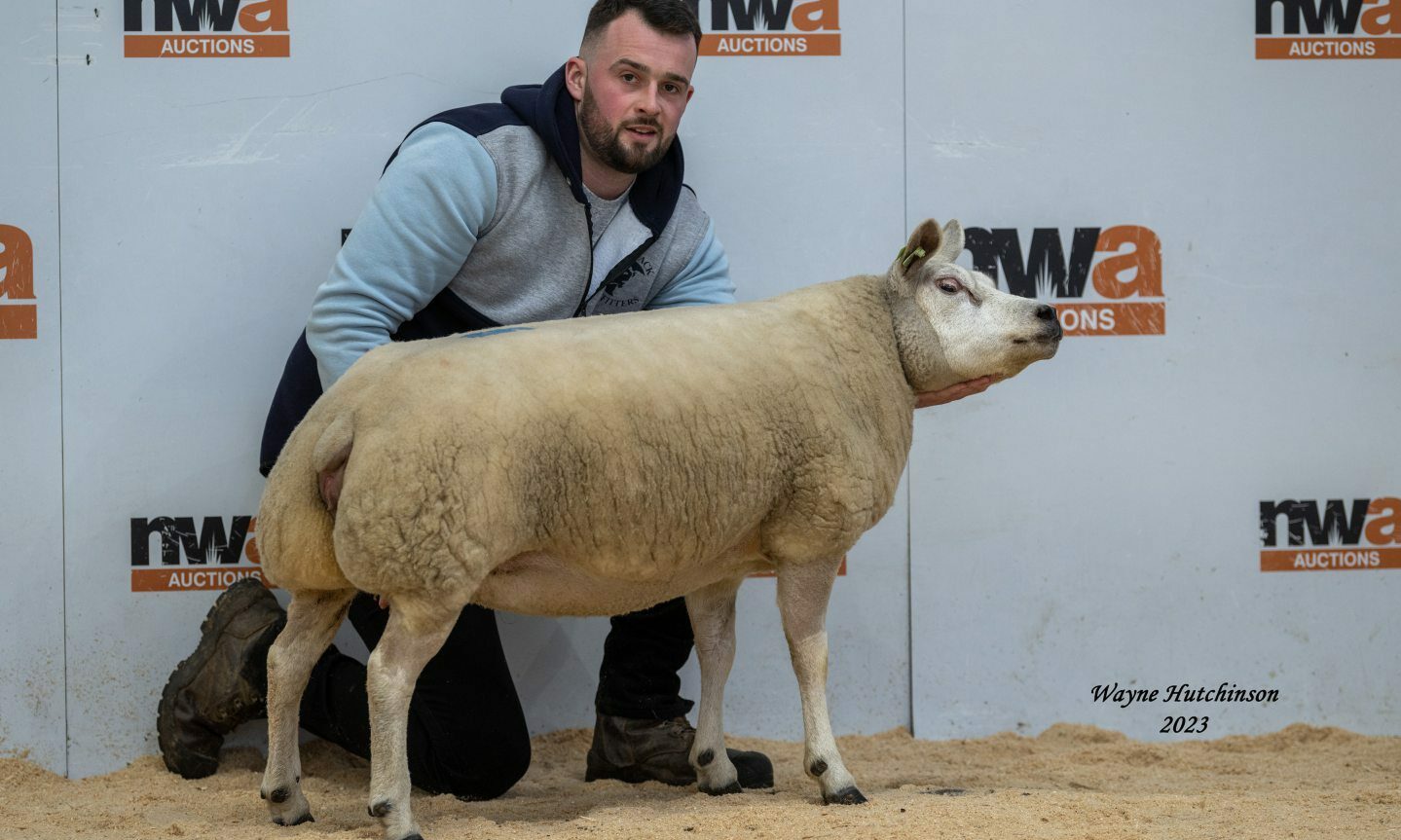
Willoughby Sheep Sales refers to the industry-leading digital marketplace and auction platform managed by Willoughby Sales, specifically tailored for the purchase and sale of high-quality club lambs, breeding ewes, and elite rams. This platform serves as the central hub for the American sheep industry, connecting elite geneticists with youth exhibitors, commercial producers, and seedstock enthusiasts through a sophisticated online bidding environment.
The landscape of livestock procurement has shifted fundamentally by 2026. What was once a localized, physical process has evolved into a high-tech, data-driven experience. Willoughby Sales remains at the forefront of this evolution, utilizing proprietary bidding software that ensures transparency, security, and real-time engagement for buyers across North America. Whether you are a 4-H member searching for a competitive show lamb or a seasoned producer looking to overhaul your flock's genetic profile, understanding the nuances of the Willoughby platform is essential for success in the 2026 market.
The Evolution of Online Livestock Auctions in 2026
By 2026, the transition from traditional "sale barn" environments to digital-first platforms like Willoughby has reached near-total adoption for elite genetics. This shift is driven by the need for biosafety, reduced animal stress during the marketing phase, and the ability to reach a global audience without the overhead of physical event hosting.
The current year has seen a significant integration of biometric data and high-definition video assets into every "lot" listed on the platform. Buyers no longer rely solely on static images; instead, they analyze 360-degree movement captures and detailed genetic markers provided by the consignors. This level of transparency has stabilized market volatility and increased buyer confidence in remote acquisitions.
The Digital Transformation of Pedigree Tracking
In the 2026 sales season, Willoughby has integrated direct API links to major breed registries. This allows for the instantaneous verification of pedigrees, scrapie resistance genotypes (QR/NN status), and performance data. Buyers can now filter sales based on specific EPDs (Expected Progeny Differences), ensuring that every purchase aligns with their long-term production goals or specific show ring requirements.
Navigating the Willoughby Sales Interface and Bidding Process
Success on the Willoughby platform requires more than just high bidding; it requires a strategic understanding of the software's mechanics. The 2026 interface is optimized for mobile responsiveness, allowing producers to monitor auctions from the barn, the field, or the show ring.
- Account Registration and Validation: To maintain the integrity of the marketplace, all bidders must undergo a multi-factor authentication process. This includes a credit card verification and, in some high-value elite sales, a pre-authorization of funds.
- The "Extended Bidding" Mechanism: One of the most critical features of Willoughby Sheep Sales is the "Going... Going... Gone" timer. If a bid is placed within the final minutes of a sale, the clock resets for that specific lot, preventing "sniping" and ensuring the true market value is achieved.
- Proxy Bidding Strategies: For buyers unable to monitor the sale in real-time, the proxy bid system allows for a maximum price to be set. The system then bids on the buyer's behalf in the smallest possible increments to maintain the lead.
- Real-Time Notifications: In 2026, the Willoughby app provides haptic feedback and push notifications for outbid alerts, ensuring that buyers never miss an opportunity due to connectivity lag.
Technical Specifications and Market Benchmarks
To assist buyers in budgeting and selection, the following table outlines the current 2026 market benchmarks for various categories of sheep sold through the Willoughby platform.
| Sheep Category | Primary Use Case | Average Price Range (USD) | Key 2026 Metric |
|---|---|---|---|
| Elite Club Lambs | 4-H/FFA Youth Show Circuit | $1,200 - $6,500 | Structural Correctness Score |
| Foundation Ewes | Seedstock Production | $2,500 - $10,000 | Lifetime Weaning Index |
| Stud Rams | Genetic Advancement | $4,000 - $25,000+ | Genomic Accuracy (GEBVs) |
| Commercial Ewe Lambs | Production Flocks | $450 - $900 | Scrapie Resistance Status |
| Wether Dams | Producing Show Prospects | $1,500 - $4,500 | Muscle Expression Depth |
Critical Health and Transportation Standards
In 2026, the logistical side of "Willoughby sheep sales" is governed by strict interstate health regulations and animal welfare standards. Once the digital gavel falls, the responsibility shifts to the "settle-up" process and physical movement of the livestock.
Consignors on the Willoughby platform are required to provide a Certificate of Veterinary Inspection (CVI) for every animal crossing state lines. Furthermore, many elite sales now require "Green Tag" certification, which mandates a specific vaccination protocol including CD&T, Pasteurella, and a comprehensive deworming schedule prior to the sale date.
Transportation is typically coordinated through professional livestock haulers who specialize in "show-quality" transport. These professionals utilize climate-controlled trailers with air-ride suspension to ensure the animal arrives in peak condition. Buyers should expect to pay between $150 and $400 for professional hauling, depending on the distance and the number of "legs" in the transport route.
Pros and Cons of Purchasing via Willoughby Online Auctions
While the Willoughby platform is the gold standard for 2026, it is important for stakeholders to weigh the operational realities of digital procurement.
Advantages:
- Access to Premier Genetics: Buyers can source sheep from the top 1% of breeders in the country without traveling thousands of miles.
- Data-Rich Decision Making: Access to videos, genetic testing, and performance history is often more comprehensive online than at a live event.
- Market Transparency: Real-time bidding histories allow buyers to see exactly what the competition is willing to pay.
Disadvantages:
- Inability to Touch: You cannot physically "handle" the sheep to feel the rack shape or hide quality before bidding.
- Logistical Complexity: Coordinating transport from multiple sellers across different states can be a significant administrative burden.
- Bidding Fever: The fast-paced nature of the "Extended Bidding" period can lead to emotional overspending if a strict budget is not maintained.
Expert Strategies for Consignors: Maximizing Sale Results
For breeders looking to sell through Willoughby, 2026 requires a high-production approach to digital marketing. A listing is no longer just a photo; it is a digital representation of your brand's integrity.
Professional Presentation Guidelines
Visual Assets: Utilize 4K video taken on a level, professional surface. Ensure the sheep is fitted (sheared) according to industry standards to show muscle definition and skeletal lines. Use natural lighting to avoid distorting the animal's color or hide quality.
Data Integrity: Provide all available data points. In the 2026 market, lots with missing scrapie genotypes or incomplete pedigree information sell for 20-30% less than fully documented counterparts. Transparency regarding "flaws" or management history builds long-term buyer trust.
Communication: Be available for phone calls or texts during the preview period. The most successful sellers on Willoughby are those who provide additional "behind the scenes" videos or photos to serious inquiries.
Frequently Asked Questions (FAQ)
How do I pay for a sheep purchased on Willoughby Sales in 2026? Payments are typically processed through the Willoughby secure checkout system using credit cards, ACH transfers, or pre-approved wire transfers. Most sales require payment within 24-48 hours of the auction's conclusion, and some consignors may offer a small discount for cash or check payments if coordinated beforehand.
Can I inspect the sheep in person before the online auction begins? Yes, most consignors host "Open House" events at their farms prior to the sale date listed on Willoughby. It is highly recommended that serious buyers visit the farm to handle the sheep and see the environment in which they were raised, as this provides a physical context that digital listings cannot fully replicate.
What happens if a sheep I buy arrives in poor health? Willoughby Sales operates under a "Buyer Beware" policy (Caveat Emptor), but they maintain strict standards for their consignors. If an animal arrives with a health issue not disclosed in the sale terms, the buyer must immediately contact the seller and a veterinarian. Most reputable breeders will work to resolve the issue to protect their reputation on the platform.
Are there hidden fees for buyers on the Willoughby platform? There are no "buyer premiums" charged by Willoughby itself for most standard sheep auctions; the price you bid is the price you pay for the animal. However, buyers are responsible for all transportation costs, health paper fees (if applicable), and a small convenience fee if paying by credit card (typically 3-4%).
How does the "Extended Bidding" or "Racehorse Style" closing work? In this format, no lot in the sale closes until there has been no bidding activity on any lot for a set period (usually 5 minutes). This allows buyers who lose out on their first choice to pivot and bid on their second or third choice, ensuring the breeder gets maximum value across the entire offering.
Future Outlook: Sheep Genetic Markets Beyond 2026
As we look toward the latter half of the decade, the Willoughby Sheep Sales model is expected to integrate even more advanced technologies. Augmented Reality (AR) overlays that allow buyers to "place" a virtual model of a lamb in their own barn to judge scale, and blockchain-verified pedigree certificates, are currently in pilot phases.
For the modern producer, the Willoughby platform is more than an auction site; it is a valuation tool. By tracking the "Sold" archives, breeders can gain a technical understanding of which genetic lines are currently in demand and adjust their breeding programs accordingly. In the high-stakes world of 2026 sheep production, data-driven platforms like Willoughby are the heartbeat of the industry.