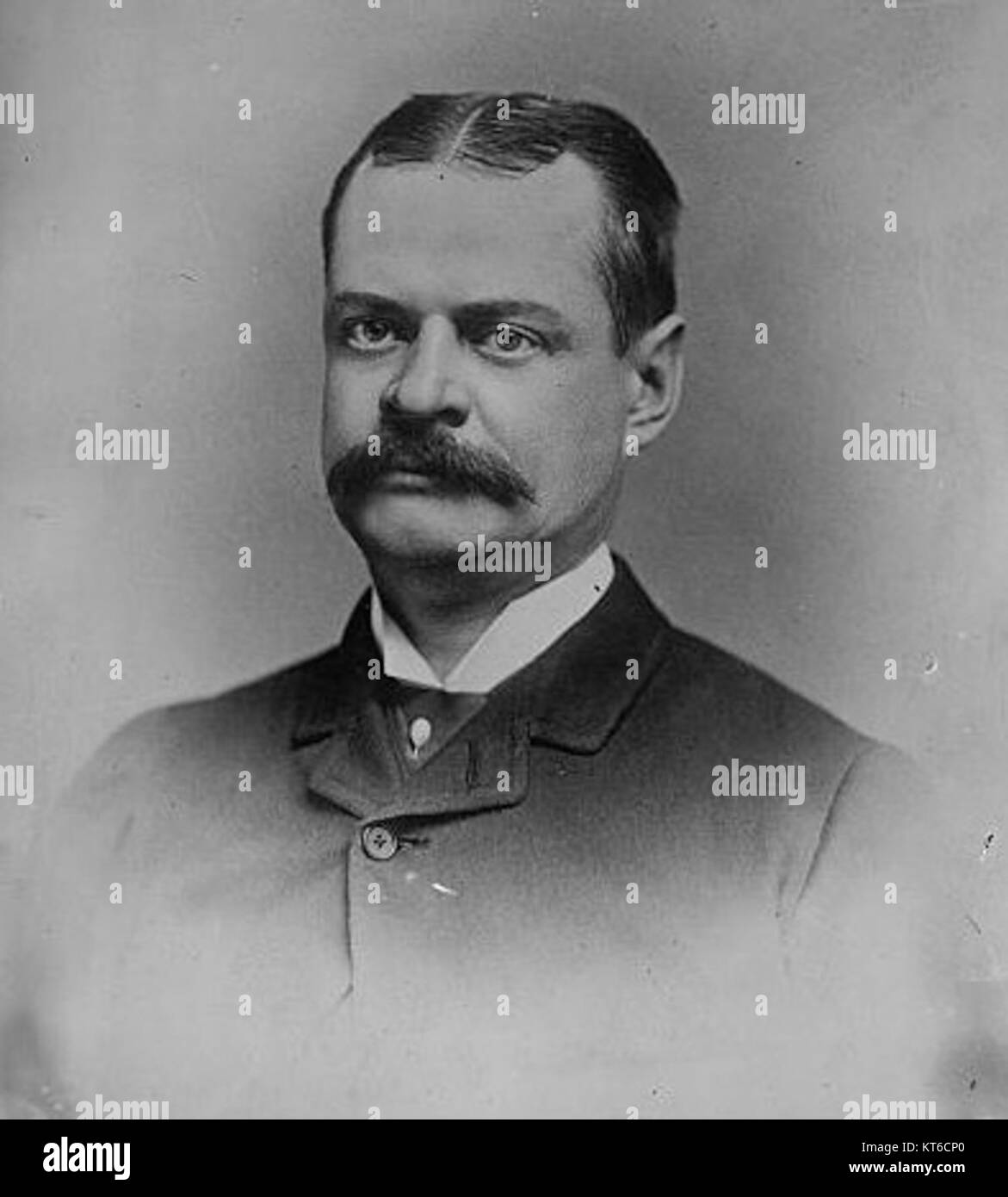
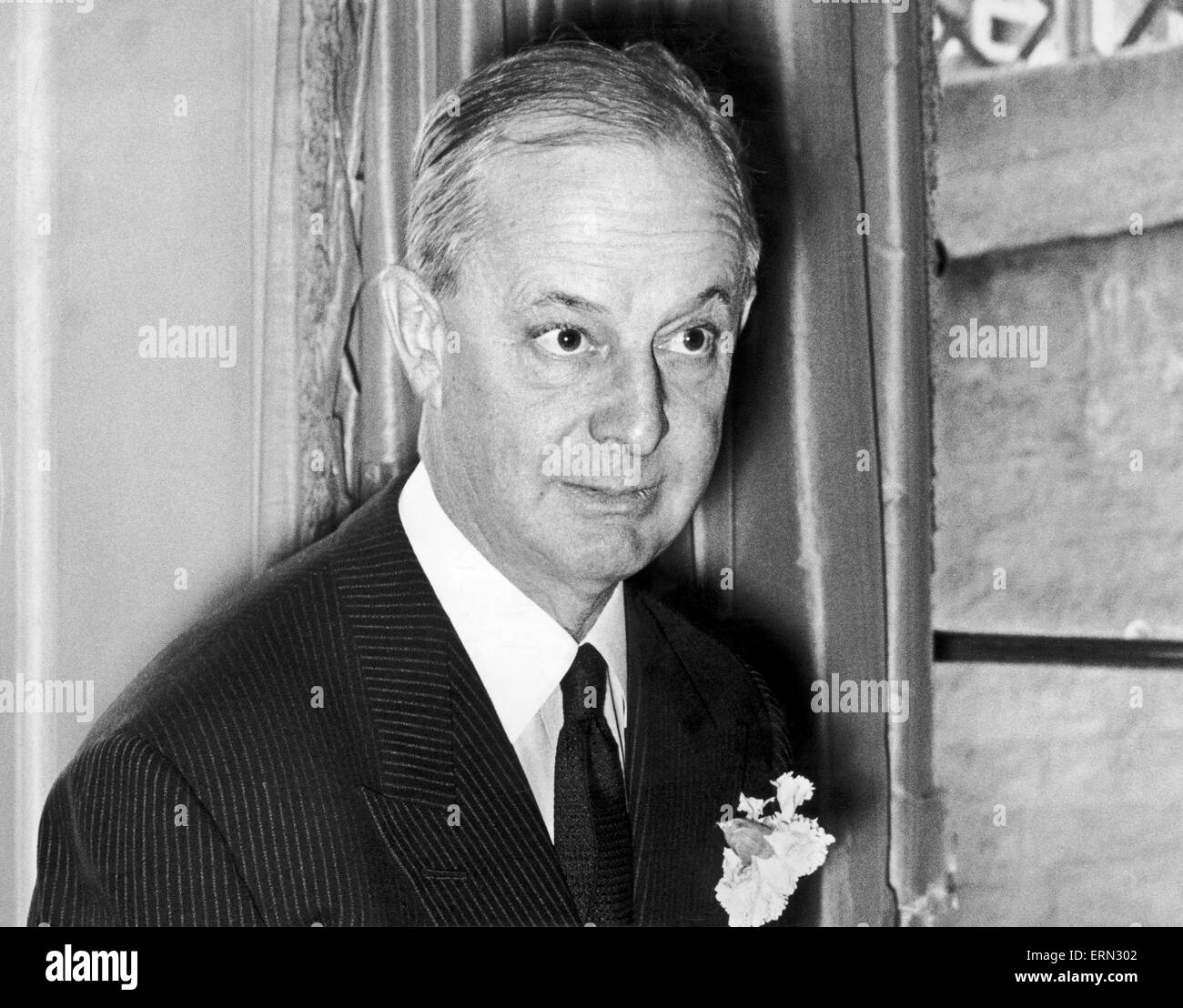
As of 2026, William Astor, 4th Viscount Astor, maintains an estimated net worth of approximately £210 million ($265 million). This wealth is anchored by a diverse portfolio of ancestral landed estates, substantial proceeds from high-value media divestments, and a long-standing career within the British corporate and political sectors.
William Waldorf Astor III, known professionally and socially as the 4th Viscount Astor, represents a bridge between the legendary American "Gilded Age" fortune and the modern British establishment. Unlike many peers whose wealth is tied exclusively to diminishing land holdings, Astor has successfully navigated the worlds of venture capital, media production, and legislative governance. His wealth profile is characterized by strategic diversification, shifting from traditional agriculture and property toward intellectual property and international business ventures.
The Astor Legacy: From Manhattan Real Estate to British Peerage
To understand the current wealth of the 4th Viscount, one must recognize the scale of the original Astor fortune. Founded by John Jacob Astor in the late 18th century through the fur trade and later cemented by New York City real estate, the Astor family was once the wealthiest in the United States. The "British branch" was established when William Waldorf Astor (the 1st Viscount) moved to the United Kingdom in the 1890s, bringing a significant portion of the family’s capital with him.
By the time the 4th Viscount inherited the title in 1966 following the death of his father, the 3rd Viscount, the family’s financial structure had evolved. The massive estates of the early 20th century, such as Cliveden in Buckinghamshire, had transitioned to the National Trust. This move, while seemingly a loss of assets, served as a crucial wealth-preservation strategy, relieving the family of the immense maintenance costs and inheritance taxes associated with "stately homes," while allowing them to retain long-term residential leases and social prestige.
The 4th Viscount’s wealth is not merely a static inheritance. Over the last four decades, he has actively managed the family’s capital, moving away from the passive ownership of land toward active participation in the British economy. This transition is essential to his 2026 valuation, as it reflects a modernized portfolio that includes liquid equities, private equity interests, and commercial real estate.
Primary Asset Classes and Landed Estates
The physical footprint of the Astor fortune remains substantial, though it is more concentrated and commercially viable than in previous generations. The 4th Viscount’s wealth profile includes two primary geographical pillars: Oxfordshire and the Scottish Hebrides.
Ginge Manor and Oxfordshire Holdings
The Viscount’s primary residence is Ginge Manor, located in West Hendred, Oxfordshire. Unlike Cliveden, Ginge Manor is a private estate that serves as both a family home and a functional agricultural asset. The property includes substantial acreage, several cottages, and high-value farmland. In the current 2026 property market, such an estate is valued not just for its acreage but for its development potential and "trophy asset" status, with estimates for the manor and surrounding grounds exceeding £25 million.
The Tarbert Estate on the Isle of Jura
One of the most significant components of the Astor wealth is the Tarbert Estate on the Isle of Jura in Scotland. Spanning approximately 20,000 acres, this estate is a prime example of the "sporting estate" model. It provides revenue through traditional stalking and fishing, but more importantly, it represents a massive land bank. In recent years, the valuation of Scottish estates has risen significantly due to the increasing demand for "natural capital," including peatland restoration and carbon sequestration credits. The Tarbert Estate is estimated to account for a significant portion of the family’s non-liquid net worth.
Corporate Career and the Silvergate Media Success
Perhaps the most significant boost to William Astor’s personal wealth in the 21st century came from his involvement in the media sector. As a seasoned businessman, he has held numerous directorships and chairmanships, but his role with Silvergate Media stands as a hallmark of his commercial acumen.
Lord Astor served as the Chairman of Silvergate Media, the production company responsible for global children's hits such as Octonauts and the revival of Peter Rabbit. In late 2019, Sony Pictures Television acquired Silvergate Media for approximately $195 million (£155 million). As a key stakeholder and executive, the Viscount benefitted significantly from this transaction. This liquidity event allowed for the diversification of family trusts into more resilient, post-pandemic investment vehicles.
His corporate influence extends beyond media. Over the years, he has held positions in:
- Networkers International PLC: A global recruitment consultancy where he served as Chairman.
- Canadian Special Events: Involved in the leisure and hospitality sector.
- Streetcar: An early investor in the car-sharing economy (later acquired by Zipcar).
These roles demonstrate a preference for "growth industries" over traditional aristocratic ventures, which has been the primary driver in maintaining the Astor fortune's relevance in 2026.
Political Profile and the House of Lords
William Astor is one of the 92 hereditary peers elected to remain in the House of Lords after the 1999 reforms. While his role as a Conservative peer is primarily legislative, it provides a unique intersection of social influence and professional networking that bolsters his wealth profile.
Between 2010 and 2011, he served as a Lord-in-Waiting (a government whip) and has been a vocal participant in debates regarding transport, broadcasting, and heritage. This political engagement ensures that his business interests—particularly in media and land management—are informed by a deep understanding of the UK’s regulatory environment. Furthermore, his familial connection to the political elite (being the stepfather of Samantha Cameron, wife of former Prime Minister David Cameron) has solidified his position within the upper echelons of British society, an intangible but vital asset for a wealth profile of this nature.
Comparative Wealth Analysis: The Astor Portfolio
To contextualize the 4th Viscount’s wealth, it is helpful to compare his holdings against standard aristocratic benchmarks. The following table outlines the estimated distribution of his wealth across different sectors as of 2026.
| Asset Category | Estimated Value (2026) | Primary Components |
|---|---|---|
| Landed Property | £75 Million | Ginge Manor (Oxfordshire), Tarbert Estate (Jura), and associated cottages/farmland. |
| Business Equity | £90 Million | Proceeds from Silvergate Media sale, private equity in tech/logistics, and board remunerations. |
| Family Trusts | £30 Million | Historical capital reserves, art collections, and inherited heirlooms. |
| Investment Portfolios | £15 Million | Diversified stocks, bonds, and ESG-focused "natural capital" investments in Scotland. |
| Total Estimated Net Worth | £210 Million | Combined liquid and illiquid assets. |
Note: These figures are estimates based on public filings, land registry data, and historical sale valuations. Private trust figures are inherently speculative but consistent with peerage wealth management standards.
Wealth Preservation and Succession Planning
A key aspect of the Viscount's wealth profile is the structure of his estate for the 5th Viscount, his son William Waldorf Astor IV. Wealth of this magnitude is rarely held in simple personal bank accounts; instead, it is managed through a complex series of offshore and domestic trusts designed to mitigate the impact of the UK’s 40% inheritance tax (IHT).
By utilizing "Agricultural Property Relief" (APR) and "Business Property Relief" (BPR), the Astor family can pass down significant portions of their landed and corporate wealth with reduced tax liabilities. The 4th Viscount’s strategy has focused on ensuring that the estate remains a "going concern"—meaning the land is farmed and the businesses are active—which is a prerequisite for these tax advantages. This ensures that the Astor name will continue to be associated with significant financial power well into the mid-21st century.
Common Questions Regarding Lord Astor's Wealth
Does William Astor own Cliveden House?
No, the Astor family no longer owns Cliveden House. It was given to the National Trust in 1942. However, the family maintained a presence there for many years, and the 4th Viscount's history is inextricably linked to the estate. The current wealth profile is entirely separate from the Cliveden property, which operates as a luxury hotel.
How did the sale of Silvergate Media impact his net worth?
The sale to Sony Pictures Television in 2019 was a transformative event for the Viscount's liquid wealth. It shifted a significant portion of his net worth from "paper value" in a private company to cash and diversified investments, providing the capital necessary to weather economic volatility in the early 2020s.
What is the primary source of his current income?
His current income is derived from a combination of dividends from private investments, rental income from his Oxfordshire and Scottish properties, and his ongoing roles in corporate governance. As a hereditary peer, he does not receive a salary but can claim a daily attendance allowance for his work in the House of Lords.
Is the Astor fortune still one of the largest in the UK?
While the Astors are no longer among the top 10 wealthiest families in the UK (a list now dominated by international billionaires and industrial magnates), they remain in the top tier of the "Old Money" or landed gentry category. Their wealth is significant for its longevity and its successful transition from the 19th-century industrial age to the 21st-century digital and green economies.
Tracking the Future of the Astor Estate
For those monitoring the wealth of the British peerage, William Astor, 4th Viscount Astor, serves as a primary case study in successful wealth adaptation. His profile suggests that the survival of historical fortunes in 2026 depends on three specific actions:
- Aggressive Diversification: Moving capital out of static land holdings and into high-growth sectors like media and technology.
- Strategic Philanthropy and Heritage Management: Utilizing organizations like the National Trust to preserve the family legacy while offloading the financial burden of massive historical structures.
- Active Political Participation: Maintaining a seat at the table where land and business regulations are formed.
Investors and historians interested in the intersection of aristocracy and modern finance should look to the "Jura model"—the conversion of traditional sporting estates into environmental assets—as the next major frontier for the Astor family’s wealth expansion.