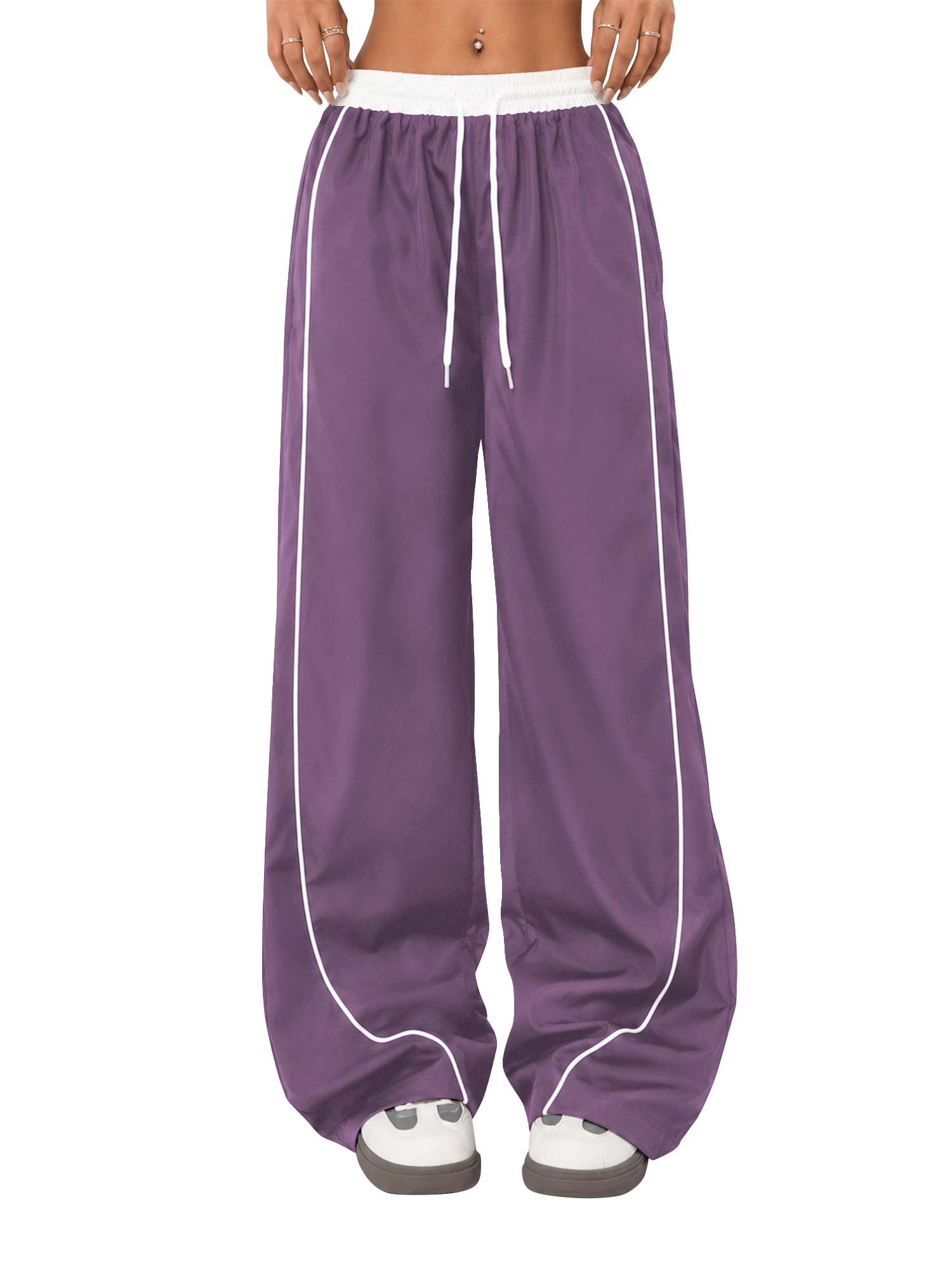
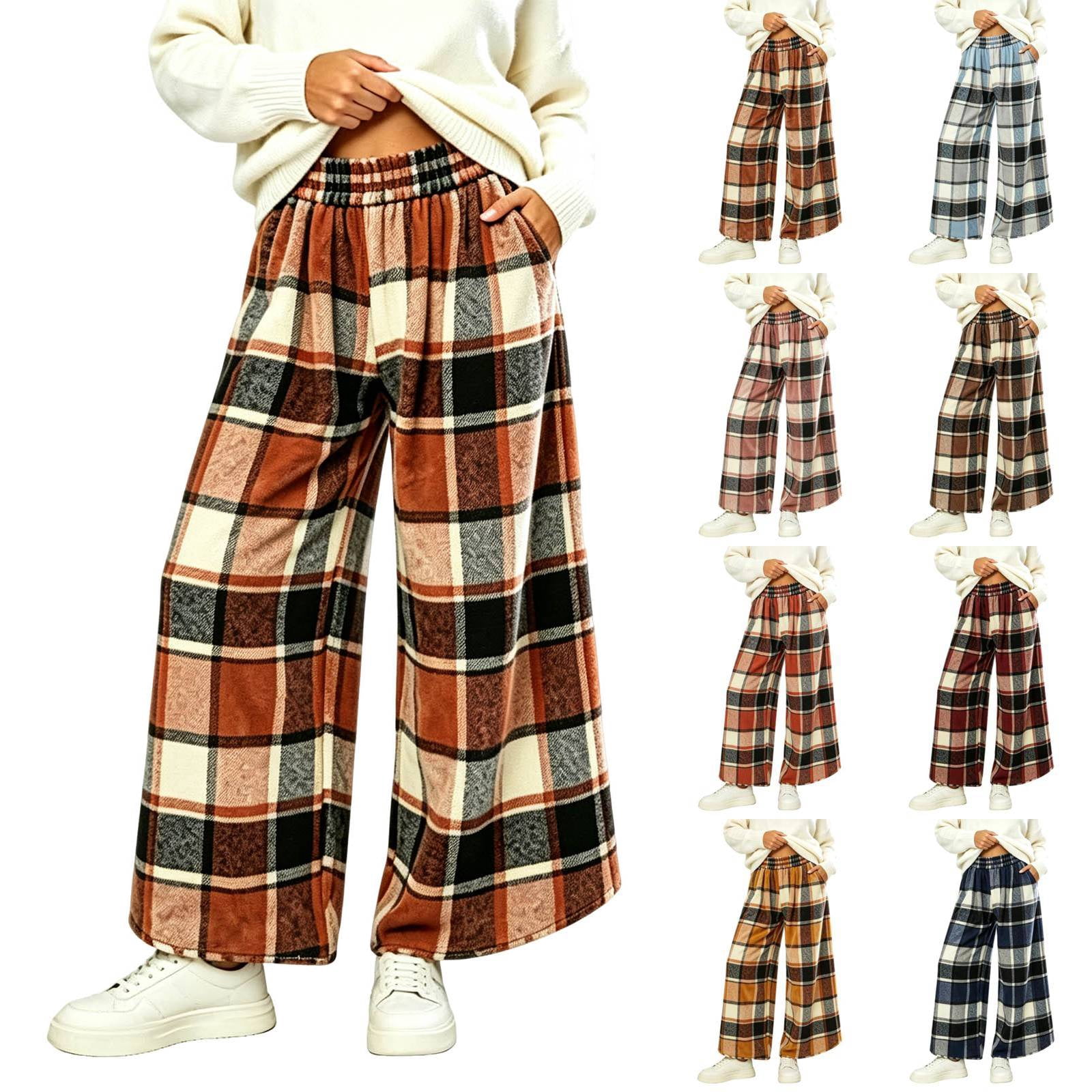
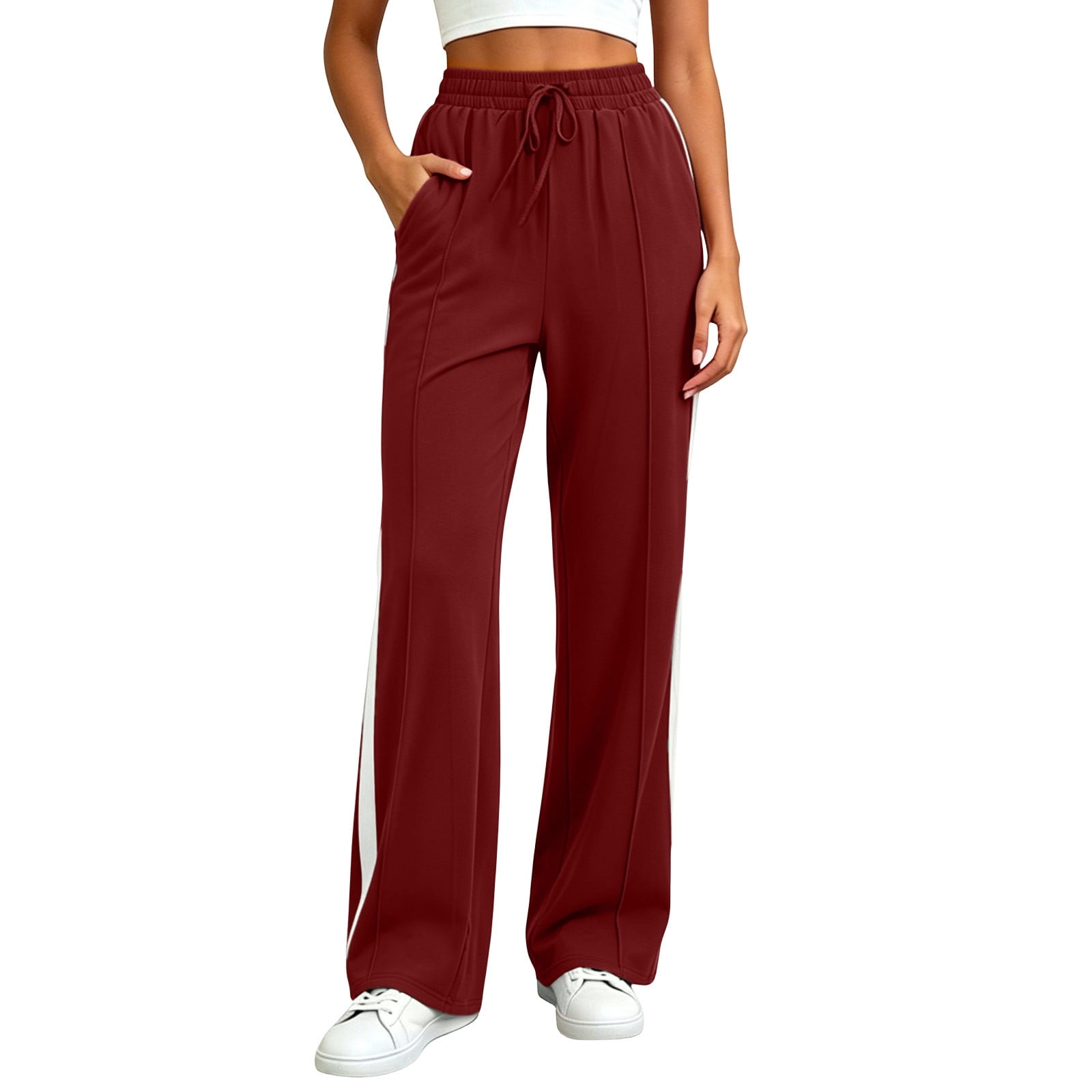
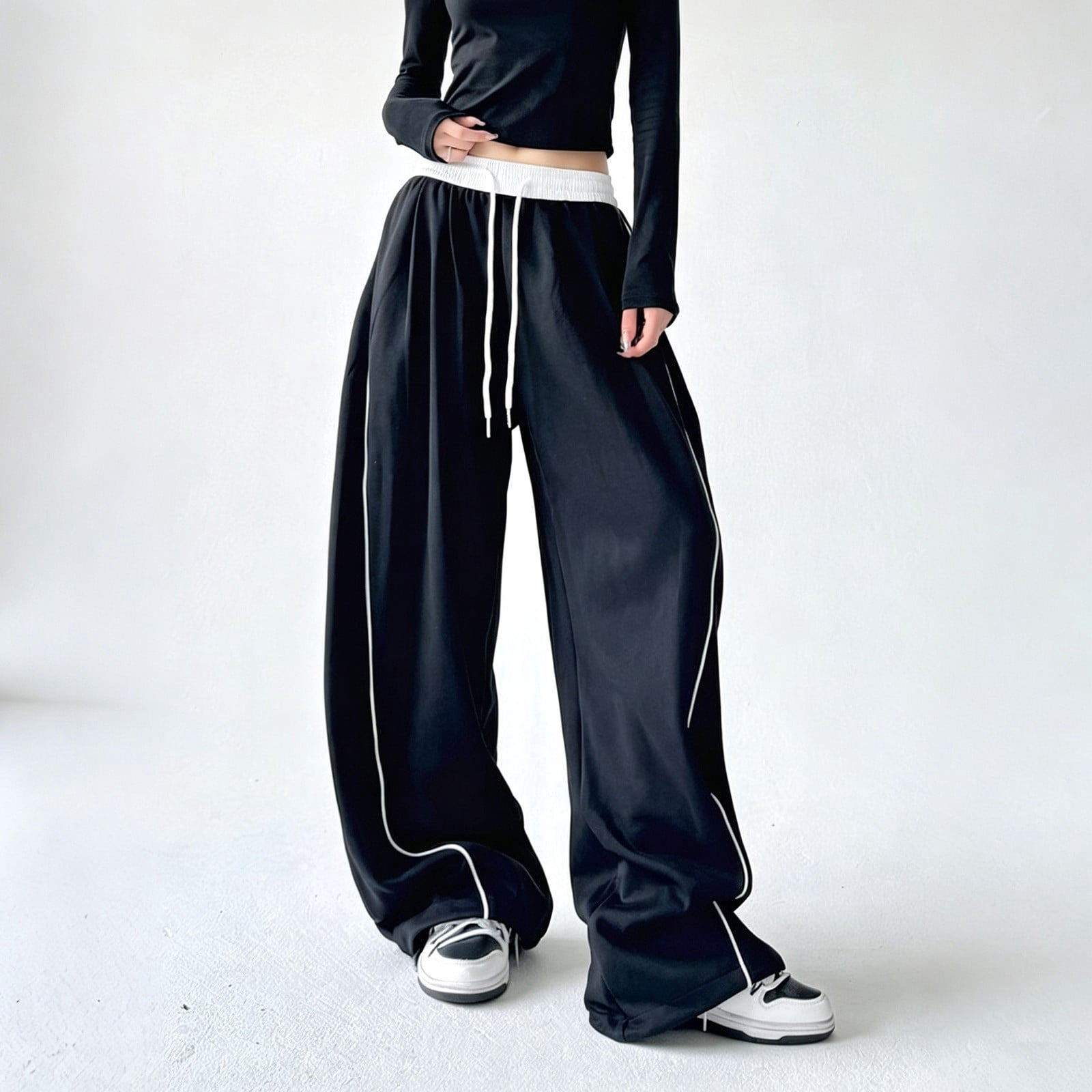
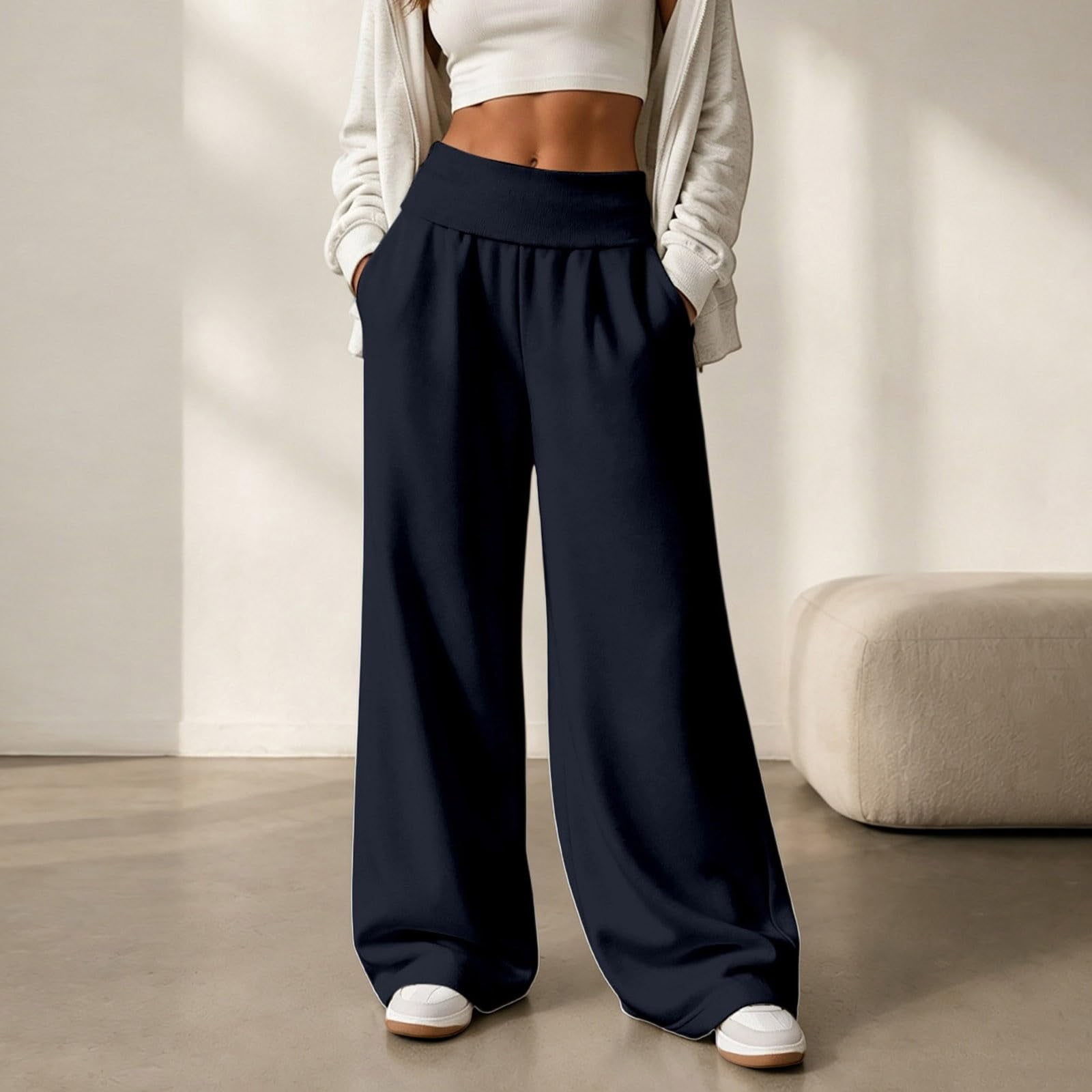
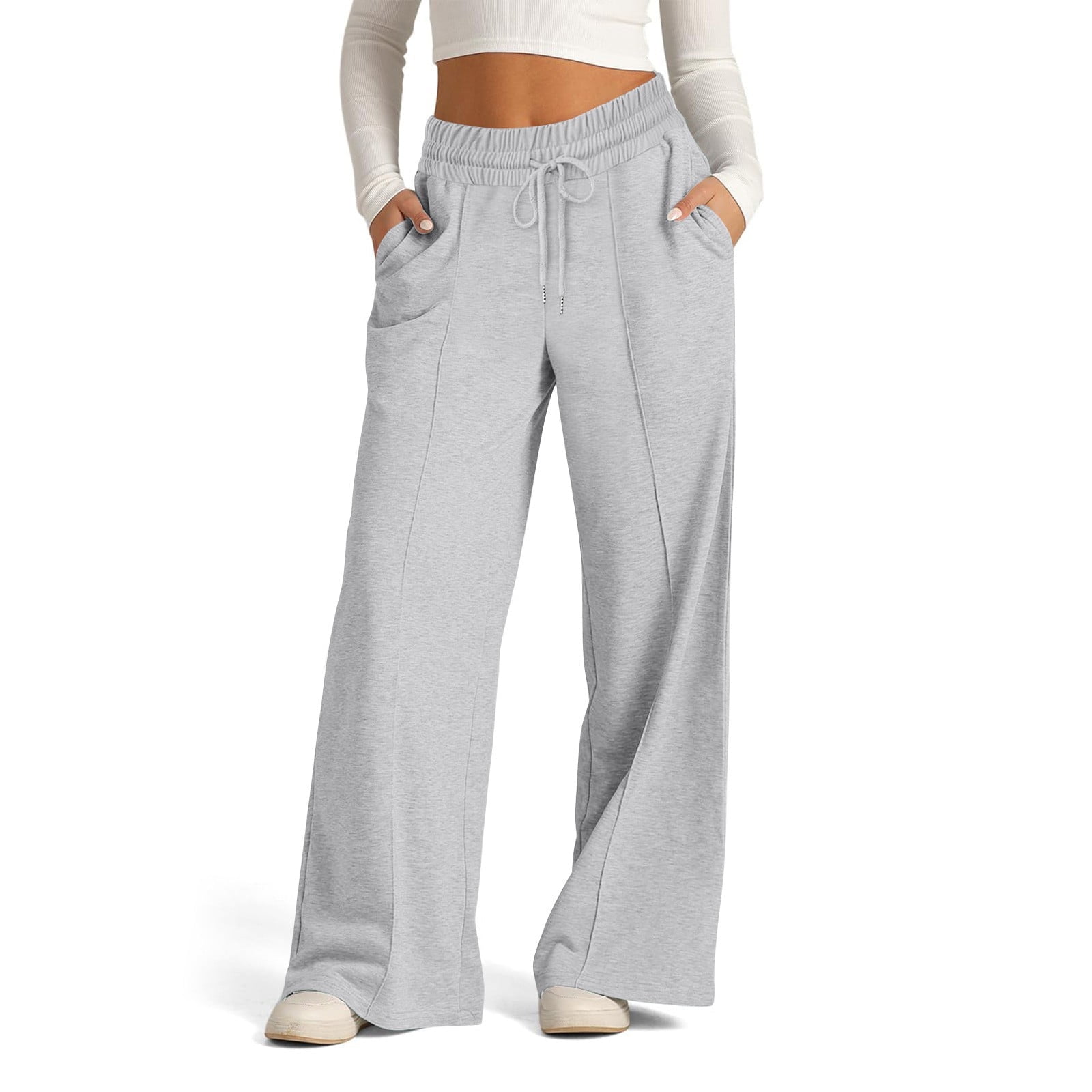
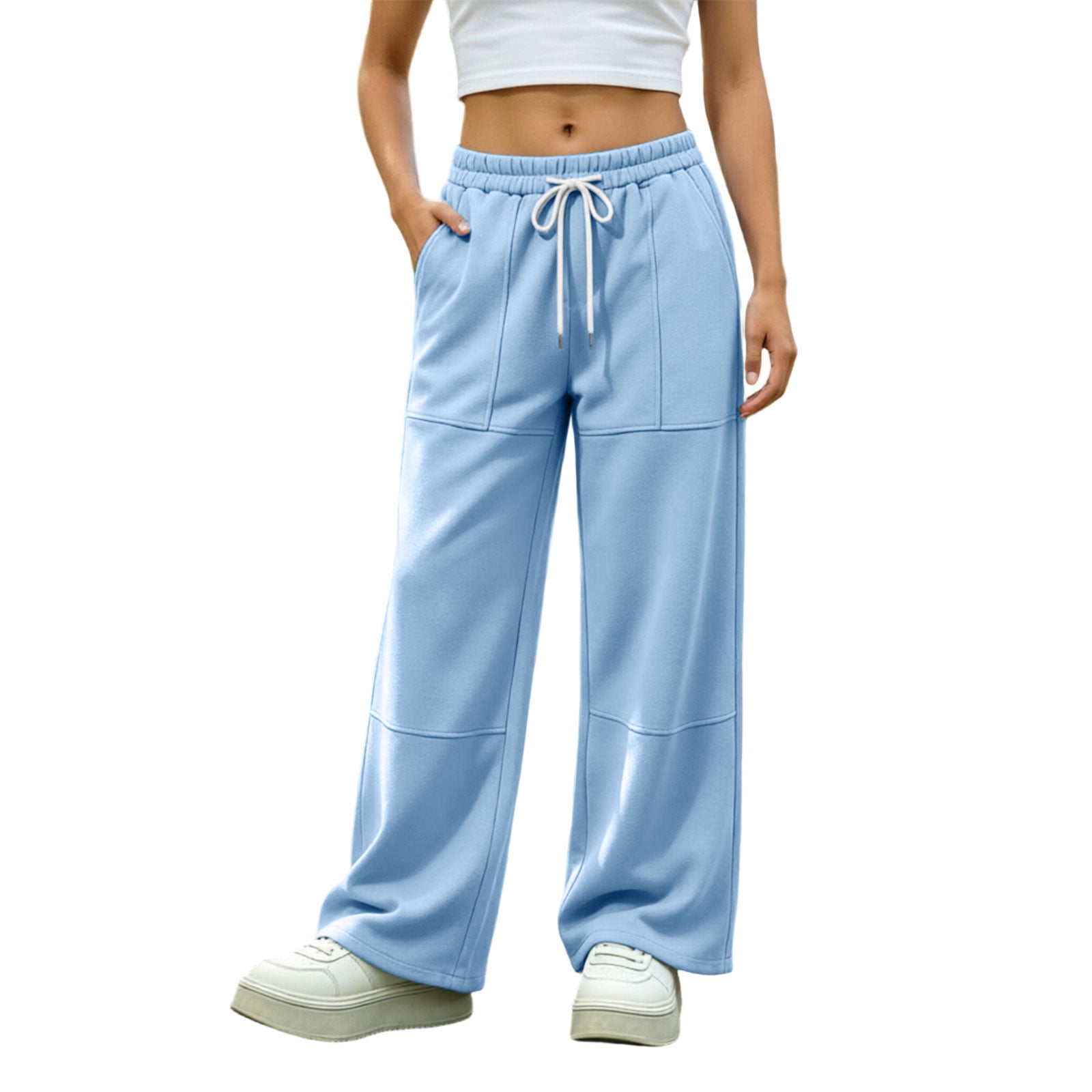
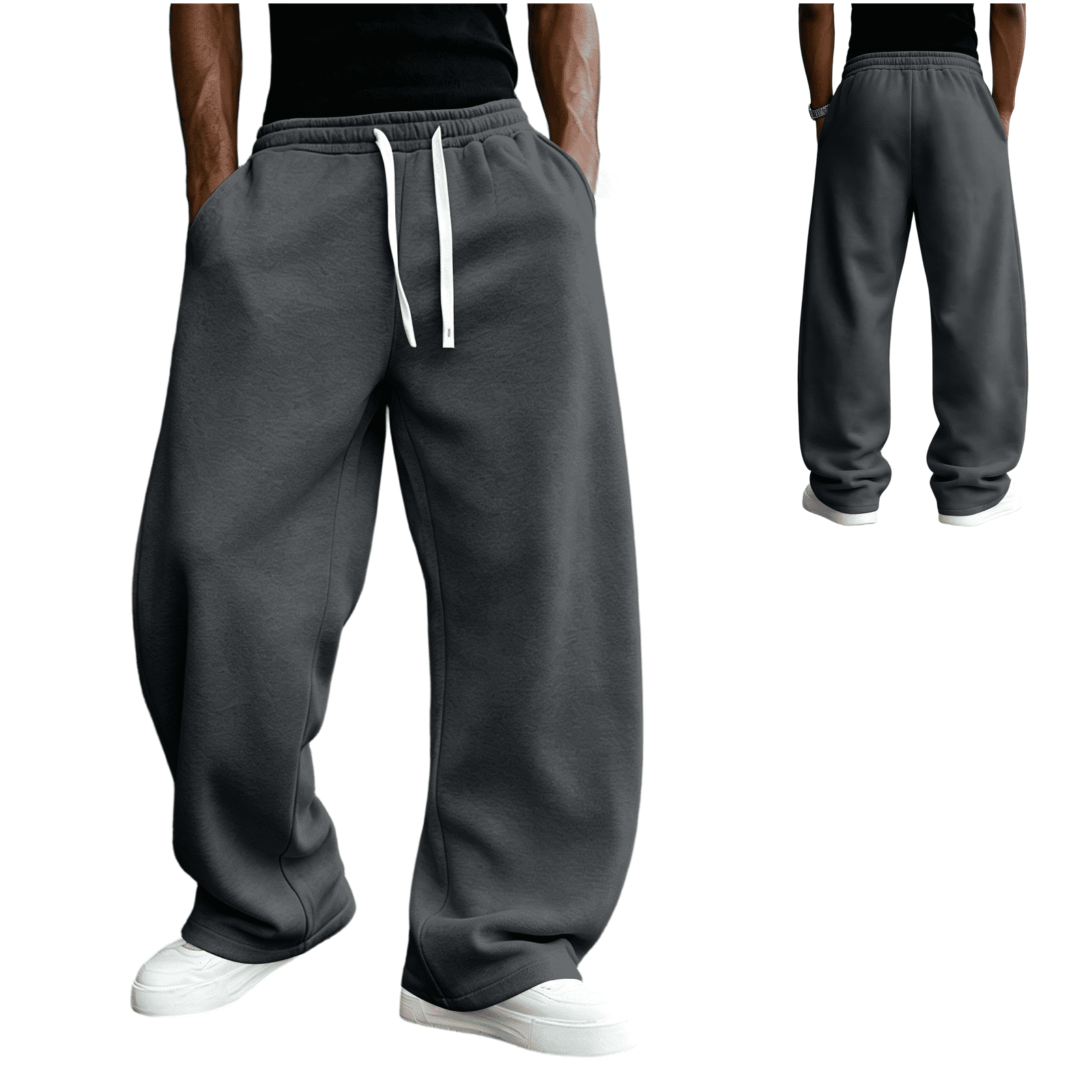
Wide leg sweatpants represent the intersection of high fashion and loungewear, offering a voluminous silhouette that prioritizes both movement and aesthetic appeal. Unlike traditional tapered joggers, these garments feature a generous cut from the hip to the hem, providing a sophisticated alternative for those seeking comfort without sacrificing a polished, modern look.
The Evolution of the Wide Leg Silhouette in Athleisure
The journey of wide leg sweatpants from the gym to the runway is a testament to the changing landscape of professional and personal attire. Historically, sweatpants were strictly utilitarian, designed for athletes to stay warm during intervals. In the late 20th century, hip-hop culture introduced oversized fits as a statement of rebellion and style. However, the 2020s marked a pivotal shift toward "athleisure" and "quiet luxury," where comfort became a non-negotiable standard for daily wear.
By 2026, the wide leg silhouette has matured into a wardrobe staple that transcends the home office. This evolution is driven by a desire for "structured relaxation." Designers have moved away from the shapeless, baggy fleece of the past toward tailored wide leg designs that utilize darts, heavy-weight fabrics, and intentional draping. This shift allows the wearer to maintain the physical ease of pajamas while projecting the silhouette of high-waisted trousers or palazzo pants. The cultural embrace of body neutrality has also supported this trend, as the wide leg cut offers a flattering, inclusive fit that does not cling to the body, making it a favorite across diverse demographics.
Material Science and Fabric Weight (GSM)
When selecting wide leg sweatpants, the technical specifications of the fabric are paramount to how the garment performs and drapes. The most critical metric is GSM (Grams per Square Meter), which measures the density and weight of the fabric.
For a wide leg cut, a higher GSM is generally preferred. Fabrics in the 350 to 500 GSM range offer the "substance" required to maintain the wide shape without collapsing or clinging to the legs. Lower GSM fabrics (under 250) are often too thin for this silhouette, leading to a "pajama-like" appearance that lacks the structural integrity necessary for outdoor wear.
Common materials used in 2026 include:
- French Terry: Characterized by loops on one side and a smooth surface on the other. It is highly breathable and mid-weight, making it ideal for transitional seasons.
- Brushed Fleece: This fabric undergoes a mechanical brushing process to create a soft, fuzzy loft on the interior. It provides maximum warmth and a thicker profile.
- Organic Cotton and Tencel Blends: As sustainability remains a primary focus in 2026, many premium brands utilize GOTS-certified organic cotton blended with Tencel (lyocell) to improve drape and reduce the environmental footprint.
- Heavyweight Jersey: A double-knit construction that offers a clean, technical look with significant stretch and recovery.
Styling Theory: Balancing Proportions
The primary challenge of wearing wide leg sweatpants is managing the volume. Because the bottom half of the body is enveloped in fabric, styling requires an understanding of the "Rule of Thirds" and proportional balance.
The Top Half
To avoid looking overwhelmed by fabric, stylists recommend pairing wide leg sweatpants with more fitted or cropped tops. A tucked-in ribbed tank top, a fitted bodysuit, or a cropped hoodie creates a clear waistline, which helps define the silhouette. If you prefer an oversized look on both the top and bottom, ensure the fabrics have different textures to create visual depth, and consider a "half-tuck" to maintain some structural definition.
Footwear Integration
The hem of a wide leg sweatpant interacts uniquely with footwear. In 2026, the trend has shifted toward two distinct looks:
- The Floor-Sweeping Look: Long hems that partially cover the shoe. This is best paired with platform sneakers or lug-sole boots to provide the necessary height to prevent the fabric from dragging excessively.
- The Cropped Wide Leg: Hems that hit just above the ankle. This style is more practical for rainy environments and highlights footwear like high-top sneakers or sleek Chelsea boots.
Comparative Analysis of Wide Leg Fabrications
The following table provides a technical comparison of the most common fabrications found in wide leg sweatpants to help you determine which is best for your specific needs.
| Fabric Type | Typical GSM | Best For | Durability | Drape Quality |
|---|---|---|---|---|
| Heavyweight Fleece | 400 - 500 | Winter/Outdoor wear | High | Structured/Stiff |
| French Terry | 300 - 350 | Spring/Fall/Indoor | Medium | Moderate/Fluid |
| Pima Cotton Blend | 250 - 320 | Luxury Loungewear | Medium-High | Soft/Flowing |
| Recycled Polyester Mix | 300 - 450 | Active/High-Wear | Very High | Synthetic/Smooth |
Critical Fit Considerations: Waistbands and Inseams
A common mistake when purchasing wide leg sweatpants is ignoring the construction of the waistband. Because wide leg styles use more fabric than joggers, the garment is physically heavier. Without a high-quality waistband, the pants may sag during movement.
Waistband Construction
Look for encased elastic that is multi-stitched to prevent the elastic from rolling or twisting inside the fabric. A functional drawstring is essential for wide leg styles to allow for micro-adjustments in fit. High-waisted versions are particularly popular in 2026 because they provide a secure "anchor" at the narrowest part of the torso, allowing the wide legs to flow naturally from the hips.
The Importance of Inseam Length
Inseam measurement is more critical for wide leg pants than for any other style. If the inseam is too short, the "wide" effect is lost, and the pants can look like ill-fitting culottes. If the inseam is too long, the hems will fray and collect dirt. Many brands now offer "Short," "Regular," and "Tall" lengths to accommodate different heights. When measuring yourself, account for the heel height of the shoes you plan to wear most frequently with the pants.
Care, Maintenance, and Longevity
To preserve the silhouette and texture of heavyweight wide leg sweatpants, specific care instructions must be followed. Fleece and terry cloth are prone to pilling—the formation of small balls of fiber on the surface—especially in high-friction areas like the inner thighs.
- Washing: Always wash sweatpants inside out in cold water. This protects the outer finish and reduces pilling. Use a gentle cycle and avoid heavy agitators if possible.
- Detergent: Use a mild, liquid detergent. Avoid fabric softeners, as they can coat the fibers and reduce the breathability and absorbency of the cotton.
- Drying: High heat is the enemy of cotton-based loungewear. It causes shrinkage and weakens the elastic in the waistband. The ideal method is to lay the pants flat to dry. If you must use a dryer, use the lowest heat setting and remove them while they are slightly damp to air-dry the rest of the way.
- Depilling: If pilling occurs, use a dedicated fabric shaver or a pilling comb. Avoid pulling the pills off by hand, as this can tear the fibers and lead to holes.
Common Styling Mistakes to Avoid
- Ignoring the Hem Height: Letting wide leg sweatpants drag on the ground not only ruins the garment but also creates a sloppy appearance. Ensure the hem sits 0.5 to 1 inch above the ground when wearing shoes.
- Overpowering the Waist: Wearing a long, bulky sweater untucked over wide leg sweatpants can result in a "column" effect that hides the wearer's shape entirely.
- Mismatched Weights: Pairing a very thin, silk top with heavy, 500 GSM fleece sweatpants can look unbalanced. Aim for complementary fabric weights or intentional contrasts, such as a crisp cotton button-down with structured fleece.
Frequently Asked Questions
Are wide leg sweatpants out of style in 2026?
No, wide leg sweatpants remain a dominant trend in 2026. The style has shifted from the "baggy" looks of previous years toward more "tailored" silhouettes that feature cleaner lines and higher-quality fabrications, making them a staple of the "refined lounge" aesthetic.
Do wide leg sweatpants make you look shorter?
They can if the proportions are not balanced. To avoid looking shorter, choose a high-waisted fit and pair the pants with a cropped or tucked-in top. This creates the illusion of longer legs. Additionally, wearing shoes with some height, like platform sneakers, helps maintain a streamlined vertical line.
What is the difference between wide leg sweatpants and palazzo pants?
The primary difference lies in the fabric and intent. Palazzo pants are typically made from light, flowing fabrics like silk, rayon, or crepe and are considered formal or semi-formal attire. Wide leg sweatpants are made from knit fabrics like fleece or jersey and are designed for comfort and casual wear, though modern versions often mimic the palazzo silhouette.
Can I wear wide leg sweatpants to the office?
In 2026's hybrid and casual work environments, yes, provided you choose a "structured" pair. Look for wide leg sweatpants in neutral colors (black, navy, or heather grey) with minimal branding and a heavy fabric weight. Pair them with a structured blazer and loafers to elevate the look for a professional setting.
How do I prevent my wide leg sweatpants from stretching out at the knees?
Knee bagging occurs when the fabric loses its "memory." To prevent this, look for sweatpants that include a small percentage of elastane (spandex) or polyester blended with the cotton. These synthetic fibers help the fabric snap back into shape. Additionally, avoid sitting for extremely long periods in 100% cotton sweatpants without occasionally standing and smoothing the fabric.
Determining Your Ideal Wide Leg Aesthetic
To choose the right pair of wide leg sweatpants, first identify your primary use case. If you are looking for a pair to wear primarily at home or for light errands, a mid-weight French Terry with an elasticated cuff-less hem offers the best balance of breathability and comfort. For those looking to make a fashion statement or replace traditional trousers, a heavyweight fleece (450+ GSM) with a high-waisted, structured band will provide the most polished appearance.
Always prioritize the quality of the "drape"—how the fabric hangs when you are standing still. A high-quality pair should fall straight from the hip without bunching at the thighs or collapsing inward at the knees. By focusing on fabric weight, waistband integrity, and proportional styling, you can master one of the most versatile and comfortable trends of the decade.