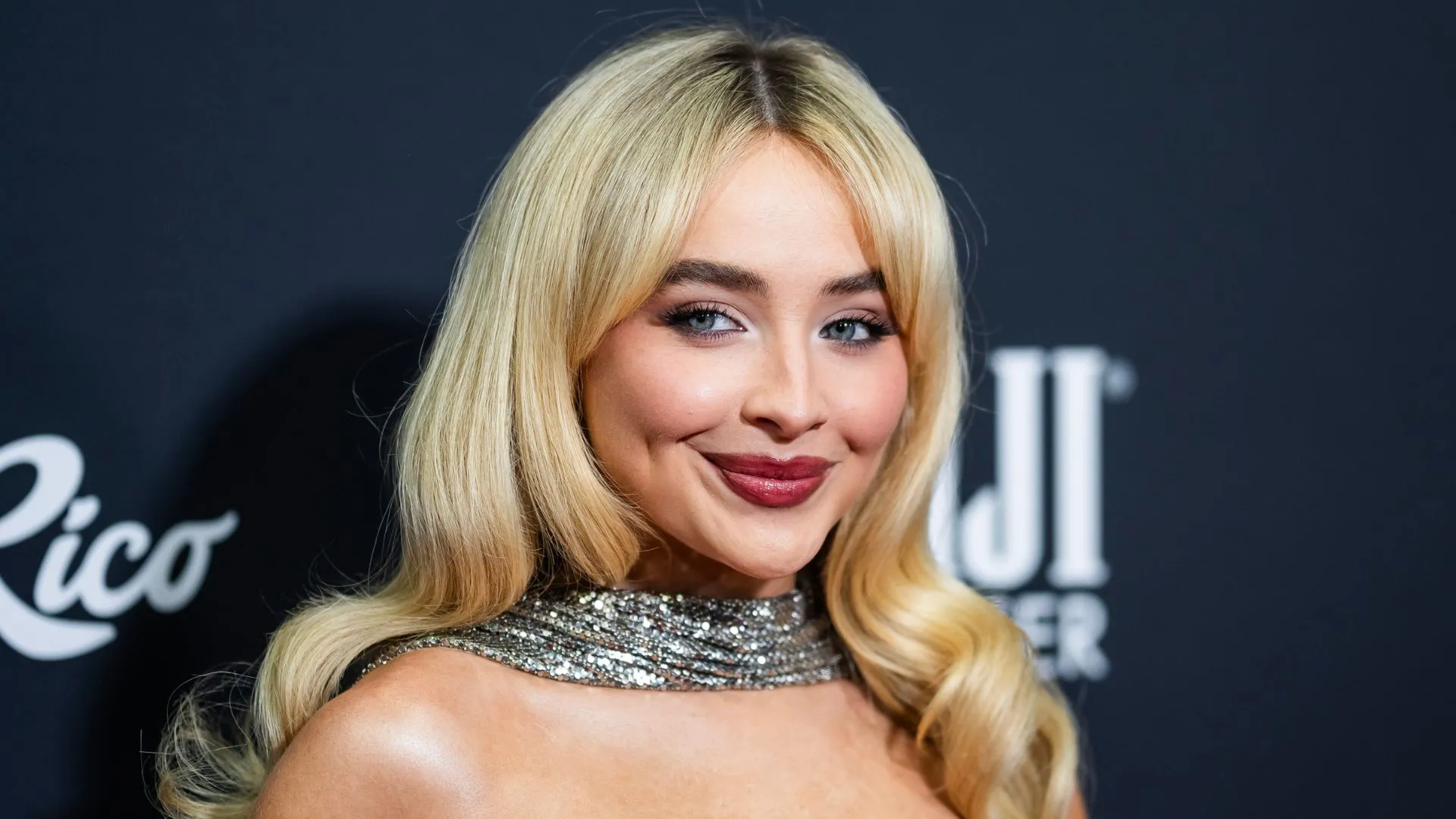
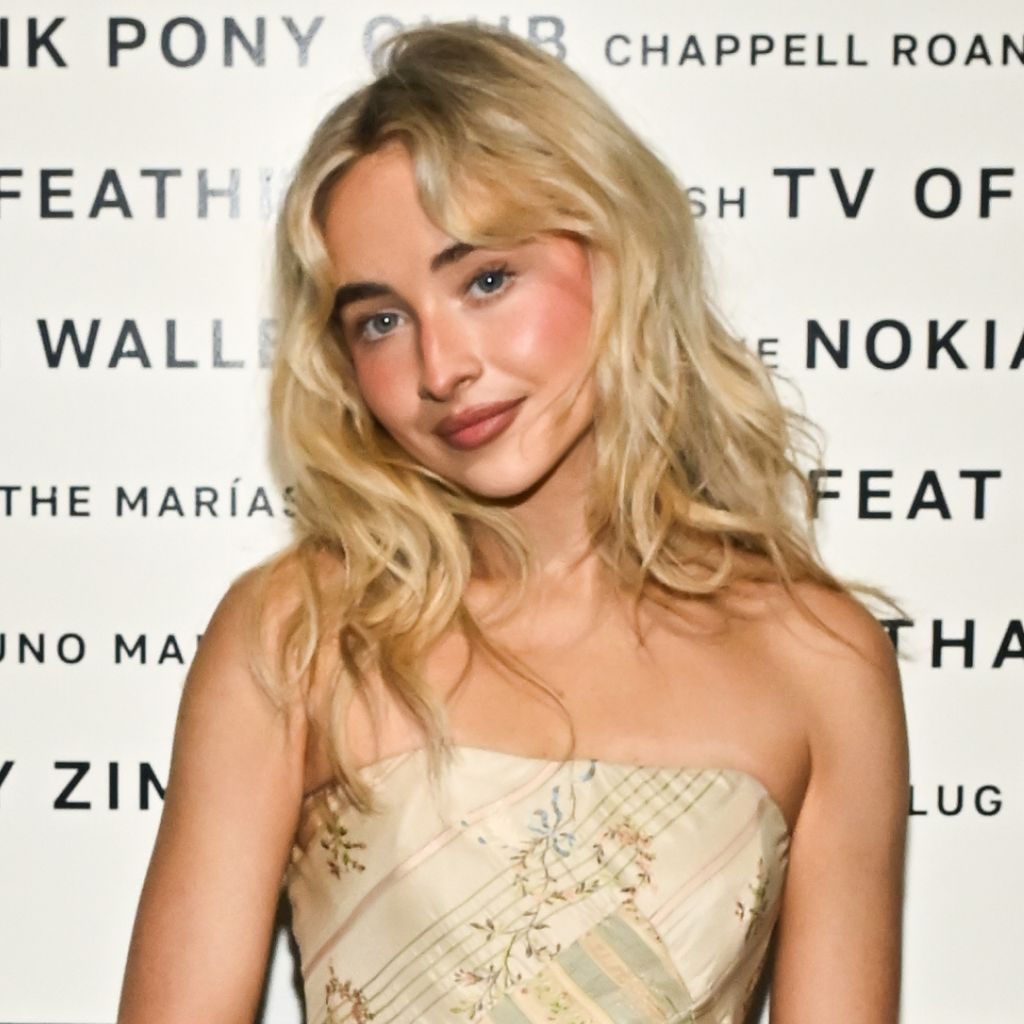
Sabrina Carpenter has not publicly identified with a specific religious denomination or creed. While she grew up in an environment where she was exposed to various cultural and social traditions, she has maintained a private stance regarding her personal spiritual beliefs, focusing instead on her professional development as a musician, actress, and songwriter.
Understanding the Intersection of Privacy and Public Persona
In the contemporary entertainment industry, celebrities often face intense scrutiny regarding their personal lives, including their political views, private relationships, and religious affiliations. For an artist like Sabrina Carpenter, who rose to prominence through the Disney Channel and later transitioned into a globally recognized pop icon, maintaining a clear distinction between a professional public persona and a private inner life is a deliberate strategic choice.
When fans ask, "What is Sabrina Carpenter's religion?" they are often seeking to understand the foundational values or the cultural upbringing that informs an artist's worldview. However, it is essential to distinguish between a person’s upbringing—which may involve secular, cultural, or religious influences—and their personal adult faith. Carpenter has consistently chosen to keep her religious views out of the spotlight, prioritizing her creative output and her connection with her audience through her music and live performances rather than through institutional or spiritual advocacy.
Cultural Context and Background
Sabrina Carpenter was born and raised in Pennsylvania. Her upbringing occurred within a framework that reflects the diverse cultural landscape of the United States. While biographical details often highlight her familial roots, educational background, and early career trajectory in the performing arts, there is no public record of her involvement in a specific religious community or institution.
Many artists of her generation navigate a space where spirituality is treated as a highly personal, non-public matter. This silence should not be interpreted as an absence of personal values, but rather as a boundary setting. By not aligning herself with any specific organized religion, Carpenter avoids the complications of public religious debate, allowing her fan base to connect with her art universally, regardless of their own individual backgrounds or belief systems.
Media Representation and Speculation
The curiosity regarding Carpenter’s religion often stems from social media discourse and fan-driven forums. In an era where digital footprints are analyzed in minute detail, speculative questions often arise when public figures do not explicitly broadcast their beliefs.
It is common for fans to search for symbols, lyrical themes, or interview responses that might hint at a religious upbringing. For instance, listeners may analyze song lyrics for metaphors related to faith or existentialism. However, from a technical analytical standpoint, interpreting artistic metaphors as concrete, biographical, or religious declarations is frequently inaccurate. Songwriting is an act of storytelling that often pulls from fictional scenarios, emotional experiences, and stylistic choices, which may or may not mirror the artist's personal life.
Comparative Analysis of Celebrity Privacy
To understand why Carpenter’s stance is typical of modern pop culture, it is useful to compare how different generations of celebrities handle public inquiries into their personal lives.
| Approach | Characteristics | Industry Example |
|---|---|---|
| Institutional Alignment | Openly affiliates with a religious organization or movement. | Artists who perform gospel or speak publicly about their faith. |
| Secular Neutrality | Maintains a professional focus; does not engage in religious discourse. | Sabrina Carpenter and many contemporary pop peers. |
| Spiritual Individualism | Discusses personal philosophy or non-denominational spiritual practices. | Artists who emphasize meditation or personal growth over dogma. |
As shown in the table above, the "Secular Neutrality" approach allows for a broader, more inclusive connection with a diverse, international audience. By remaining silent on religious affiliation, an artist preserves their ability to be defined by their craft rather than by potentially polarizing personal beliefs.
The Role of Personal Choice in Modern Stardom
As of 2026, the demand for transparency from celebrities has evolved. While there is a cultural expectation for stars to be "authentic," this has been redefined as being true to one's creative vision rather than providing full disclosure of one's private life. Sabrina Carpenter’s career longevity, marked by multiple successful albums and touring cycles, is a testament to the fact that her audience values her work and her engagement with her fans more than her participation in any specific religious identity.
If an artist were to publicly shift their position, it would likely be through a direct statement, such as an interview or a personal social media post. Without such a disclosure, any claims regarding her religious status remain purely speculative. Fans and observers should rely on verified information, which currently confirms only that she has not declared a religious affiliation.
Frequently Asked Questions
Has Sabrina Carpenter ever stated her religious beliefs?
No, Sabrina Carpenter has never made any public statements regarding her personal religious beliefs or affiliations. She has maintained a clear boundary regarding her private life, focusing her public presence entirely on her music and acting career.
Does the lack of religious information affect her music?
There is no evidence to suggest that her personal religious background—or lack thereof—informs the marketing or reception of her music. Her songwriting is generally centered on themes of human experience, such as relationships, personal growth, and self-discovery, which appeal to a broad demographic regardless of individual religious beliefs.
Are there any symbols or rituals associated with her public performances that suggest religious beliefs?
No. Her stage production, visual aesthetics, and performances are centered on artistic themes, fashion, and pop-culture storytelling. They do not utilize religious iconography or rituals that would signal a specific faith tradition.
Is it common for celebrities to be private about their religion?
Yes. Many modern entertainers choose to keep their religious or spiritual lives private to maintain professional focus and to ensure that their work remains accessible to audiences from all cultural and religious backgrounds.
How can fans verify information about her personal life?
The most reliable way to verify information is to look for direct, first-party statements in reputable, high-profile interviews or verified social media channels. If a claim does not come from the artist herself or a reputable, fact-checked journalistic source, it should be treated as speculation.
Professional Next Steps for Clarification
If you are researching this topic for personal interest or as part of a biography, it is important to recognize that the absence of information is itself a factual indicator. Rather than attempting to infer beliefs from artistic choices, one should accept the subject’s privacy as a conscious choice. For those seeking further updates, the best approach is to monitor official, verified press releases and interviews, as any change in an artist's personal philosophy would likely be addressed directly if they chose to make it public. Relying on primary sources—interviews, press kits, and direct statements—will always be more accurate than secondary social media interpretations.