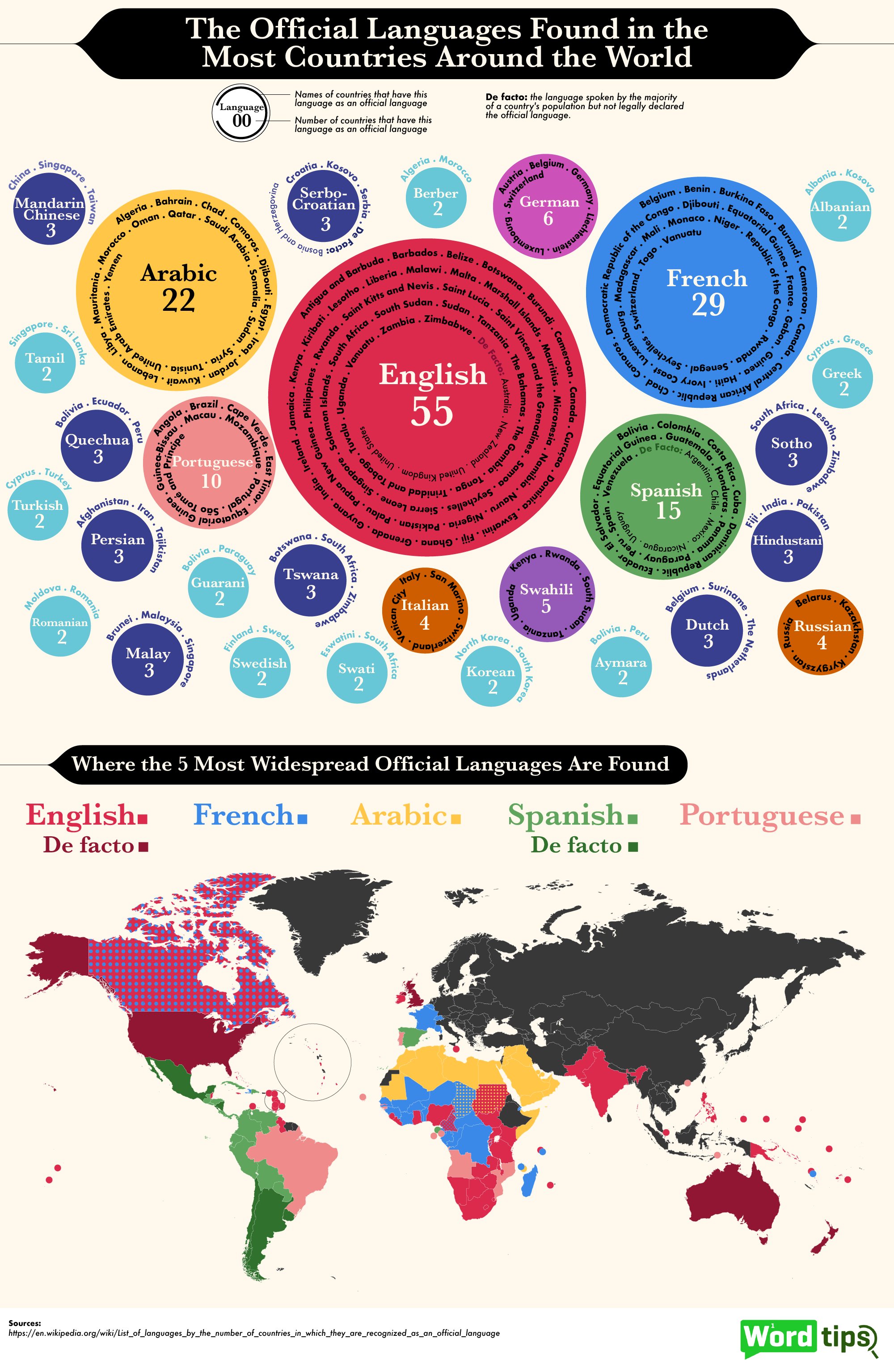
The United States of America does not have an official language at the federal level. While English serves as the primary language for government operations, legislation, and public life, there is no provision in the U.S. Constitution or federal law that mandates its status as the official language of the country.
The Constitutional and Legislative Context
Many citizens and visitors assume that the United States has an official language because English is the default medium for most official documents, court proceedings, and legislative activities. However, the Founding Fathers never codified a national language in the Constitution. This silence was largely intentional, as the young nation was composed of immigrants speaking various European languages, including German, Dutch, French, and Spanish, alongside indigenous languages.
At the federal level, the legal status of English remains a matter of tradition and practical necessity rather than statutory mandate. Because the Constitution does not delegate the power to designate an official language to the federal government, the United States functions as a multilingual society where English is the "de facto" language—the language used in practice—without being the "de jure" language, or the language required by law.
Historical Perspective on Language in the U.S.
Throughout American history, there have been periodic calls to establish English as the official language. These movements, often referred to as "English-only" initiatives, typically emerge during periods of high immigration. Proponents argue that a single official language promotes national unity and assimilation, while opponents argue that such mandates are unnecessary and potentially discriminatory against non-English speaking populations who contribute significantly to the economy and social fabric of the country.
Despite these debates, Congress has consistently declined to pass federal legislation declaring English the official language. Consequently, the United States remains an outlier among many modern nations that explicitly define an official language in their governing documents.
State-Level Official Language Policies
While the federal government remains neutral on the matter of an official language, the same is not true for individual states. As of 2026, a significant majority of U.S. states have passed their own legislation or constitutional amendments designating English as their official language.
These state-level mandates vary in scope and enforcement. In some jurisdictions, the designation is purely symbolic, intended to reinforce national identity. In others, the laws may place requirements on state government agencies to conduct business primarily in English, though these are almost always subject to exceptions for public safety, court proceedings, and health services.
Comparison of Language Status by Jurisdiction
| Jurisdiction | Official Language Status | Legal Basis |
|---|---|---|
| Federal Level | None | No constitutional or statutory provision |
| State Level | Varies (Most have designated English) | State constitutions or statutes |
| Puerto Rico | English and Spanish | Commonwealth status legislation |
| Native American Lands | Varies (Sovereign authority) | Tribal law and federal recognition |
The table above illustrates the fragmented nature of language policy in the United States. For instance, in Puerto Rico, both English and Spanish hold official status, reflecting the island's unique history and culture. Meanwhile, many Native American tribes maintain sovereignty over their lands and continue to preserve and promote their indigenous languages, which hold official status within those specific tribal nations.
The Role of English in Government and Public Services
The lack of a federal official language does not mean that the government operates without language standards. The Civil Rights Act of 1964 and various Executive Orders, such as Executive Order 13166, require federal agencies to provide meaningful access to services for persons with Limited English Proficiency (LEP).
This creates a dual reality: English is used for the vast majority of official government communications, but the law requires that non-English speakers be provided with appropriate language assistance services to ensure they can access federal programs, receive medical care, and participate in the judicial system. This framework prioritizes the pragmatic goal of equitable access over the symbolic goal of official linguistic uniformity.
Common Misconceptions Regarding Language Laws
One of the most frequent misconceptions is that the U.S. government is prohibited from using languages other than English. In reality, federal agencies frequently publish vital information in multiple languages, including Spanish, Chinese, Vietnamese, and many others, to reach diverse communities. These efforts are not considered contrary to the national interest; rather, they are seen as essential components of governance in a diverse democracy.
Another common myth is that naturalized citizens are required to speak English fluently at a native level. While applicants for U.S. citizenship must demonstrate a basic ability to read, write, and speak English, the threshold is designed to ensure functional communication, not linguistic perfection. Exceptions are also made for older applicants and those with specific disabilities.
Practical Implications for Residents
For individuals living in the United States, the absence of an official language means that:
- Government Documents: While English is the primary language for forms and applications, many government departments provide multilingual translations for accessibility.
- Court Proceedings: If a party in a legal case does not speak English, the court is generally required to provide a qualified interpreter to ensure due process.
- Education: Federal law mandates that public schools provide language support services for students who are not yet proficient in English, ensuring they receive an education alongside their peers.
- Employment: Employers may generally set English proficiency requirements if the job necessitates it for safety or efficiency, provided the policy does not violate anti-discrimination laws.
Moving Forward: Navigating Language Requirements
If you are interacting with government agencies or businesses, understanding your rights regarding language access is vital. Most government websites provide a "Language Assistance" or "Translation" tool. If you are ever denied access to a government service solely based on your inability to speak English, you may be entitled to request language assistance under current federal civil rights guidelines.
For further information on specific language policies in your area, you should consult the official website of your state’s government or contact the relevant federal agency directly. Being aware of the distinction between de facto English usage and the absence of a de jure official mandate helps residents better navigate the administrative landscape of the United States.
Frequently Asked Questions
Is English the official language of the United States?
No. There is no official language at the federal level. English is the de facto language, meaning it is used for most government and public business by tradition, but it has not been codified into law as the "official" language.
Can a state make its own official language?
Yes. Many U.S. states have enacted their own laws or constitutional amendments designating English as their official language. These laws exist independently of federal policy and vary significantly in how they are applied.
Are federal documents only in English?
No. Federal agencies are required to provide access to individuals with Limited English Proficiency. This frequently involves translating important documents and providing interpretation services in a variety of languages to ensure equitable access to public services.
Do I have to speak English to live in the United States?
There is no legal requirement for residents to speak English in their private lives. However, English proficiency is a requirement for the naturalization process for those seeking U.S. citizenship, subject to certain age and health-related exemptions.
Why doesn't the U.S. just make English the official language?
The debate has persisted for decades. Proponents of an official language law argue it would unify the country, while opponents argue it is unnecessary, potentially excludes minority groups, and ignores the historic, multilingual reality of the United States. Congress has never reached a consensus to pass such a law.