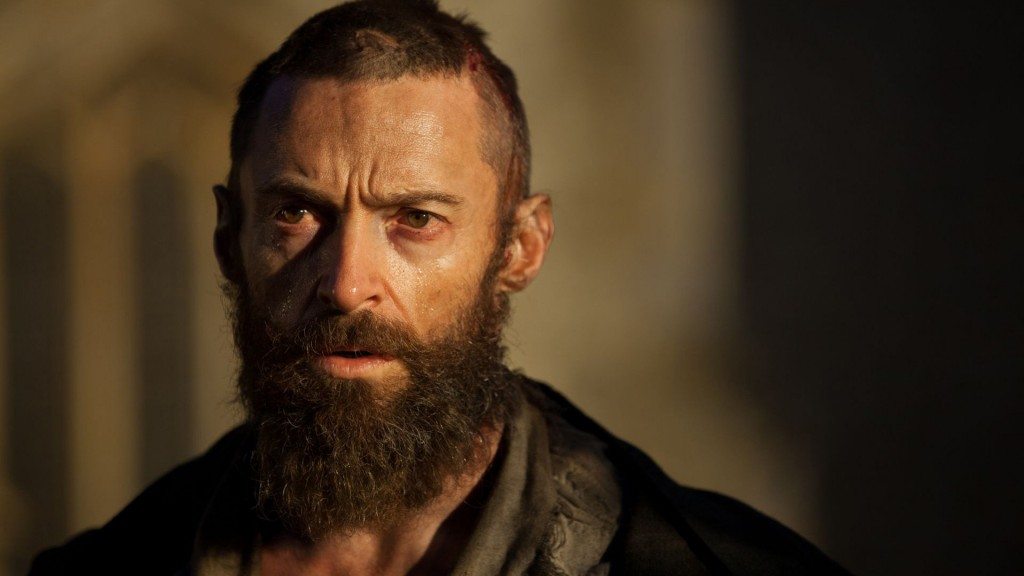
Hugh Jackman’s filmography spans over two decades, transitioning from his breakthrough as Logan in the X-Men franchise to diverse performances in musicals, dramas, and biopics. His major film roles include central protagonists in high-budget superhero cinema, critically acclaimed prestige dramas, and commercially successful musical features, reflecting a career defined by technical versatility and sustained Hollywood prominence.
The Foundations of a Leading Man
Hugh Jackman’s career trajectory began in Australian television and stage productions before his transition to international feature films. His rise to global stardom was solidified in 2000 when he was cast as James "Logan" Howlett, better known as Wolverine, in Bryan Singer’s X-Men. This role effectively established his reputation as a primary action star, a designation he balanced against smaller-scale character-driven performances throughout the early 2000s.
During this period, Jackman demonstrated an ability to navigate disparate genres. While maintaining his commitment to the X-Men franchise, he starred in projects such as Kate & Leopold (2001), which showcased his aptitude for romantic comedy, and The Prestige (2006), directed by Christopher Nolan, where he portrayed a man obsessed with professional rivalry. These early choices prevented typecasting and laid the groundwork for his later transition into musical theater-based cinema.
Major Film Roles and Genre Diversification
Jackman’s filmography is marked by a deliberate choice to oscillate between tentpole blockbusters and character studies. The X-Men series serves as the backbone of his commercial reach, yet his work in projects like Les Misérables (2012) proved his capacity for vocal performance and period-piece drama. His portrayal of Jean Valjean earned him an Academy Award nomination for Best Actor, confirming his status as a performer capable of bridging the gap between mainstream spectacle and serious dramatic art.
The following table provides a comprehensive summary of his major feature film roles, categorized by the nature of the project.
| Year | Title | Genre | Role |
|---|---|---|---|
| 2000 | X-Men | Superhero | Logan / Wolverine |
| 2001 | Kate & Leopold | Romance/Comedy | Leopold |
| 2003 | X2 | Superhero | Logan / Wolverine |
| 2004 | Van Helsing | Action/Horror | Gabriel Van Helsing |
| 2006 | The Prestige | Thriller/Drama | Robert Angier |
| 2006 | The Fountain | Sci-Fi/Drama | Tomas/Tommy/Tom Creo |
| 2009 | X-Men Origins: Wolverine | Superhero | Logan / Wolverine |
| 2012 | Les Misérables | Musical/Drama | Jean Valjean |
| 2013 | The Wolverine | Superhero | Logan / Wolverine |
| 2013 | Prisoners | Crime/Thriller | Keller Dover |
| 2014 | X-Men: Days of Future Past | Superhero | Logan / Wolverine |
| 2017 | Logan | Superhero/Western | Logan / Wolverine |
| 2017 | The Greatest Showman | Musical/Biography | P.T. Barnum |
| 2018 | The Front Runner | Biography/Drama | Gary Hart |
| 2021 | Reminiscence | Sci-Fi/Noir | Nick Bannister |
| 2024 | Deadpool & Wolverine | Superhero/Comedy | Logan / Wolverine |
The Impact of the Wolverine Persona
The role of Wolverine remains the most significant technical and professional anchor of Jackman’s film career. Spanning from 2000 to 2024, his portrayal of the character is one of the longest-tenured in modern superhero cinema. This role required significant physical conditioning, which became a hallmark of his public image. The character’s evolution—from the gruff outsider in the early 2000s films to the weary, grounded protagonist in the 2017 film Logan—mirrors the changing tone of the superhero genre itself, moving from stylized action toward grittier, character-centric narratives.
His return to the role in the 2024 film Deadpool & Wolverine serves as a critical case study in legacy casting. By revisiting the character after a definitive conclusion in his previous solo film, Jackman utilized his historical association with the role to anchor a meta-narrative within the current cinematic landscape.
Musical and Biographical Contributions
Beyond his action-oriented work, Jackman is noted for his contributions to the musical genre. The Greatest Showman (2017) became a commercial phenomenon, heavily supported by its soundtrack. This role combined his background in musical theater—having starred in productions such as The Boy from Oz on Broadway—with his film-acting techniques. This pivot was not an outlier but a return to his artistic roots.
Similarly, his portrayal of Gary Hart in The Front Runner (2018) highlighted his interest in political drama and biographical storytelling. These roles require a different technical approach compared to action films, focusing on vocal cadence, historical research, and subtle emotional modulation. These films demonstrate that Jackman’s "major" roles are defined not just by box office returns, but by the diversity of his professional portfolio.
Technical Requirements of a Hollywood Career
Maintaining a career of this duration necessitates rigorous professional management. For Jackman, this includes physical preparation for high-intensity action roles, which involves strictly controlled training and dietary regimens. In contrast, roles in dramas like Prisoners (2013) require significant psychological preparation and an emphasis on internal performance rather than physical display.
Understanding the breadth of his work involves recognizing the specific demands of each genre:
- Superhero/Action: Requires coordination with stunt teams, extensive green-screen familiarity, and physical maintenance for long shooting cycles.
- Musicals: Demands vocal training and stamina for extended performance sequences, often requiring a "live-to-tape" recording approach.
- Dramas: Relies on script analysis, dialect work, and collaborative development of character motivations with directors.
Addressing Common Questions Regarding His Filmography
Why is Hugh Jackman sometimes credited with different levels of involvement in the X-Men films?
While Jackman is primarily recognized as a leading actor in the X-Men series, his screen time varies significantly depending on the narrative focus of the specific film. In some entries, he serves as the primary protagonist, while in others, his appearance functions as a focal point for the ensemble cast or as a brief, thematic cameo.
Does Hugh Jackman perform his own singing in film musicals?
Yes, in films such as Les Misérables and The Greatest Showman, Jackman performed his own vocals. He has stated in various interviews that he prefers to record vocals live on set where possible to preserve the emotional authenticity of the performance, rather than relying solely on pre-recorded studio tracks.
What is considered his most critically acclaimed dramatic performance?
Critics frequently cite his role as Keller Dover in Prisoners (2013) as one of his strongest dramatic performances. The film allowed him to explore intense, morally complex subject matter, contrasting sharply with his broader, more stylized work in superhero franchises.
How many times has he played Wolverine?
Hugh Jackman has appeared as Logan/Wolverine in ten feature films. This count includes his primary roles in the X-Men trilogy, his three solo films, various ensemble appearances, and his most recent appearance in Deadpool & Wolverine.
Are all of his major roles in English-language films?
While his primary career is based in Hollywood, Jackman has maintained a global reach. However, his major studio filmography remains almost exclusively in the English language, reflecting the standard operational environment of the major international film markets in which he has worked since the late 1990s.
Professional Next Steps for Enthusiasts
For those looking to explore the full breadth of Jackman’s acting range, a chronological review is recommended. Starting with his early work in Kate & Leopold provides a baseline for his comedic timing, which can then be contrasted with the stark, high-stakes performance in Prisoners. By comparing these roles, viewers can identify the specific nuances in his method—how he utilizes physical presence in action sequences versus the stillness required for dramatic tension.
The 2026 status of his career suggests a continued movement toward project diversity, with no indication of a reduction in his commitment to challenging, character-driven roles. Audiences should look for future projects that continue to subvert the expectations established by his long-running tenure as an action icon, focusing on independent drama and theatrical adaptations.