Jeffrey Epstein, a financier convicted of sex offenses, utilized his private Caribbean property, Little St. James, primarily as a base for sex trafficking operations. Investigations, including federal indictments and civil litigation, documented that Epstein systematically brought minors and young women to the island, where they were subjected to sexual abuse, exploitation, and restricted movement under the guise of employment or mentorship.
Geographic and Structural Context
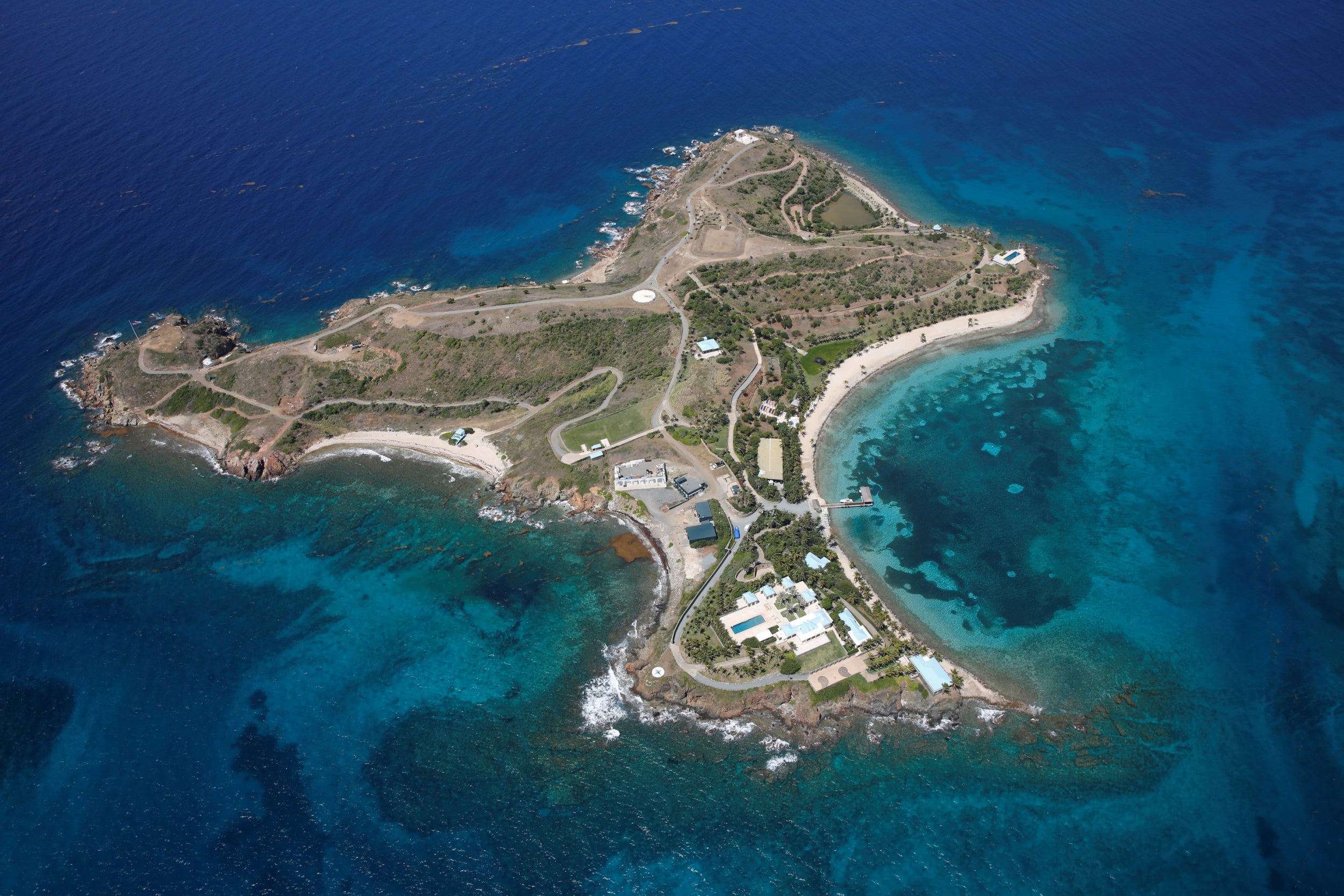
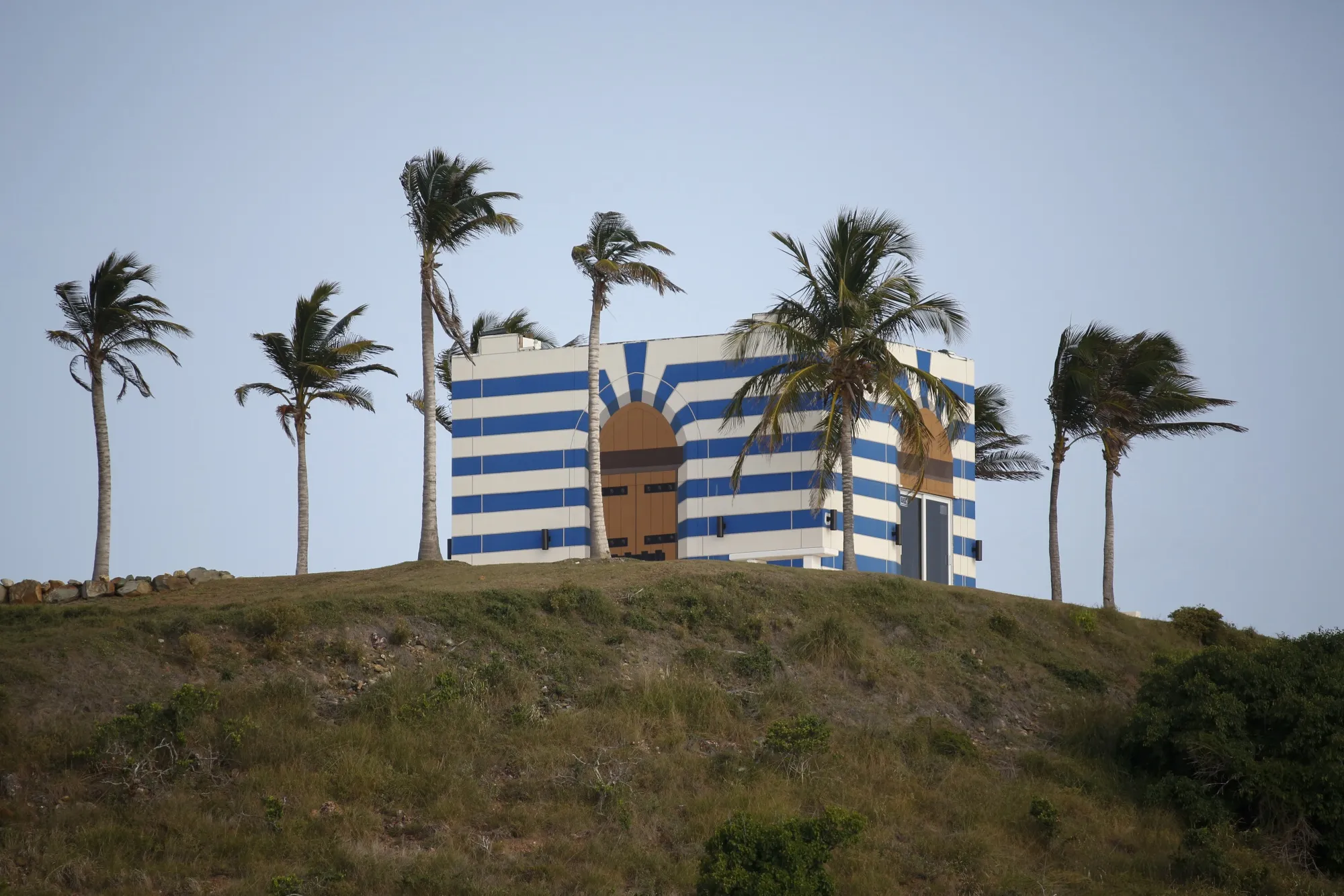
Little St. James is a 70-acre private island located in the United States Virgin Islands. Purchased by Epstein in 1998, the island was transformed from a relatively modest property into a highly fortified and private compound. The estate featured numerous structures, including a main villa, several guesthouses, a helipad, a swimming pool, and a distinctive blue-domed building that attracted significant public and media attention.
The infrastructure of the island was designed to ensure total seclusion. Its remote location allowed for the private arrival of high-profile guests via boat or helicopter, shielding the island’s internal activities from public view. The property served as a focal point for Epstein’s social and professional life, blending leisure with the criminal activities for which he was later indicted by the Southern District of New York.
Documented Criminal Activities
The primary purpose behind the operation of Little St. James, as established by federal investigations and testimonies provided in subsequent court proceedings, was the systematic facilitation of sex trafficking. Epstein employed a network of recruiters and associates to identify, transport, and house underage victims and young women on the island.
Once on the island, victims were often kept in conditions that limited their ability to leave or communicate with the outside world. Testimony from survivors describes a routine of coercion, physical and sexual abuse, and psychological manipulation. These activities were not spontaneous occurrences but part of a structured operation managed by Epstein and, according to multiple witness accounts, facilitated by his staff and associates.
The Role of Associates and Facilitators
The operation on Little St. James required a logistical support system to maintain secrecy and ensure the continuous flow of victims. Court filings and depositions have highlighted the involvement of various staff members, including housekeepers, security personnel, and personal assistants, who were reportedly aware of the nature of the activities occurring on the premises.
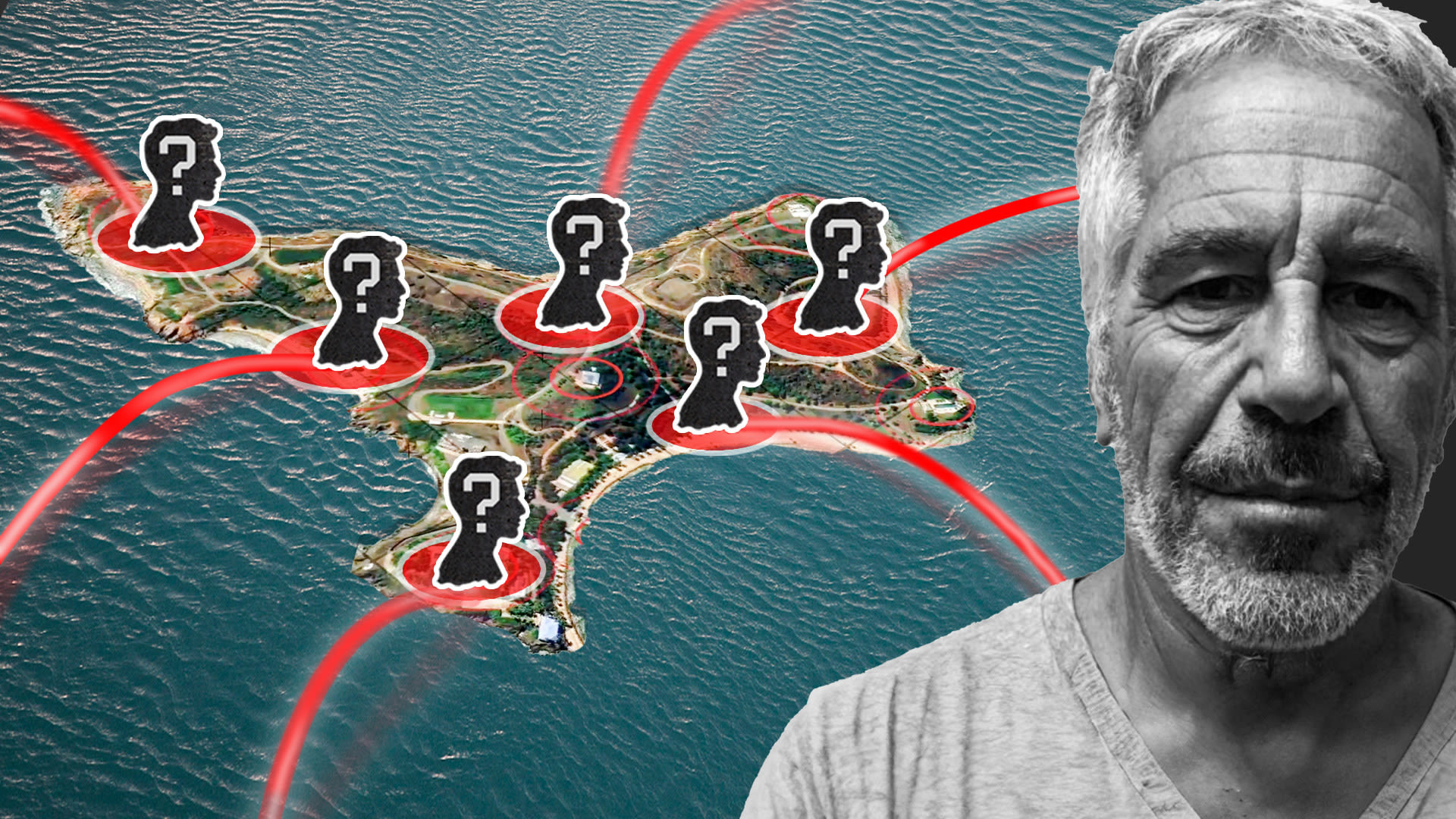
Furthermore, the island functioned as a site for social and business interactions with high-profile individuals, including politicians, academics, and corporate executives. While the presence of these individuals at the estate is a matter of extensive public documentation, investigators have sought to determine the extent to which guests were aware of the sexual exploitation occurring in the vicinity. The legal scrutiny of these associations remains a subject of ongoing civil litigation and historical analysis in 2026.
Comparison of Regulatory and Investigative Scrutiny
Understanding the scope of operations on Little St. James requires distinguishing between the various types of documentation that have emerged since the estate was first scrutinized by law enforcement.
| Source of Information | Focus Area | Primary Function |
|---|---|---|
| Federal Indictments | Criminal Activity | Establishing proof of sex trafficking and conspiracy. |
| Civil Litigation | Victim Restitution | Documenting specific harms and accountability of estates. |
| Investigative Reporting | Public Disclosure | Analyzing the network of associates and visitors. |
| Government Records | Property Status | Tracking ownership transitions and regulatory compliance. |
This multi-layered scrutiny has provided a clearer, though still evolving, picture of how the island was used. While the criminal case against Epstein concluded upon his death in a Manhattan jail in 2019, the documentation generated during the discovery process continues to inform legal and public understanding of the events that transpired between 1998 and his arrest.
Legal and Ethical Implications of Property Management
The legal ramifications of the island’s history have extended to the management of Epstein's estate after his death. The disposal of the property became a focal point for fulfilling financial obligations to victims and settling claims against the estate. The legal process involved the sale of Little St. James and its neighboring island, Great St. James, to generate funds for a compensation program designed to address the damages suffered by survivors.
The ethics of such a transaction have been widely debated. While the liquidation of assets is a standard procedural step in probate and bankruptcy-related litigation, the commodification of a site associated with severe human rights abuses raised complex questions. The transition of the property into new hands represents a significant milestone in the post-Epstein legal landscape, marking the closure of his physical footprint in the U.S. Virgin Islands.
Addressing Frequent Questions
Who frequented the private island?
Public documentation, including flight logs and witness testimony, shows that a wide array of high-profile guests visited the island. These individuals spanned various sectors, including politics, business, and science. The extent of their involvement in or knowledge of the illicit activities occurring on the island varies, and many have denied any awareness of the crimes.
Was there a purpose for the blue-domed building?
The blue-domed structure, which appeared to be an architectural focal point of the island, was frequently photographed by journalists and investigators. Testimony regarding the building’s internal use suggests it functioned as a multi-purpose space, though it is primarily noted in case records as a location where abuse occurred.
How did law enforcement investigate the island?
Investigations involved federal warrants, searches by the FBI, and the collection of digital and physical evidence from the property. These efforts were central to establishing the patterns of behavior and trafficking networks that linked the U.S. Virgin Islands properties to Epstein’s other residences in New York, New Mexico, and Florida.
Is the island still in the same condition?
Following the sale of the island, the property has undergone significant changes. New owners have initiated renovations and have moved to redefine the site’s function. By 2026, the estate no longer serves as a private compound for the deceased financier, and its physical structure has been altered to strip away the associations with the former owner.
Next Actions for Research and Verification
For those seeking to understand the historical reality of these events, it is necessary to consult primary sources such as the transcripts from the Southern District of New York cases and the released findings from the U.S. Virgin Islands Attorney General’s office. Relying on verified court records prevents the conflation of documented facts with speculative narratives. If you are conducting research, prioritize archived court filings over secondary media commentary, as these records provide the most direct evidence of the illicit operations conducted on Little St. James.