Consuming moldy rice can lead to acute food poisoning symptoms, such as nausea, vomiting, and diarrhea, or long-term health complications caused by mycotoxins. Dangerous fungi like Aspergillus produce aflatoxins, which are heat-resistant and carcinogenic. If you suspect you have eaten moldy rice, monitor your symptoms closely and prioritize hydration.
Understanding Mold Growth in Rice
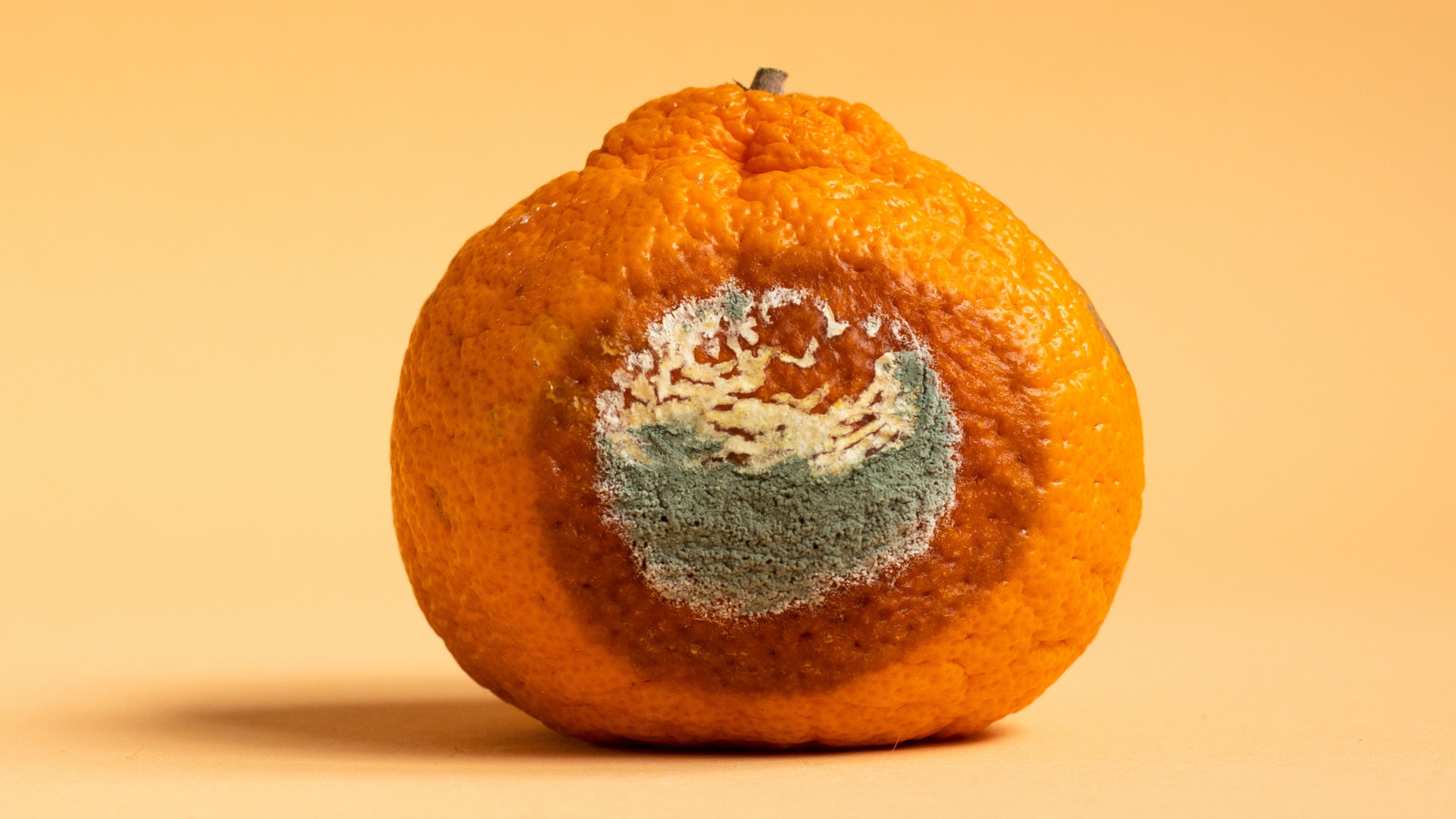
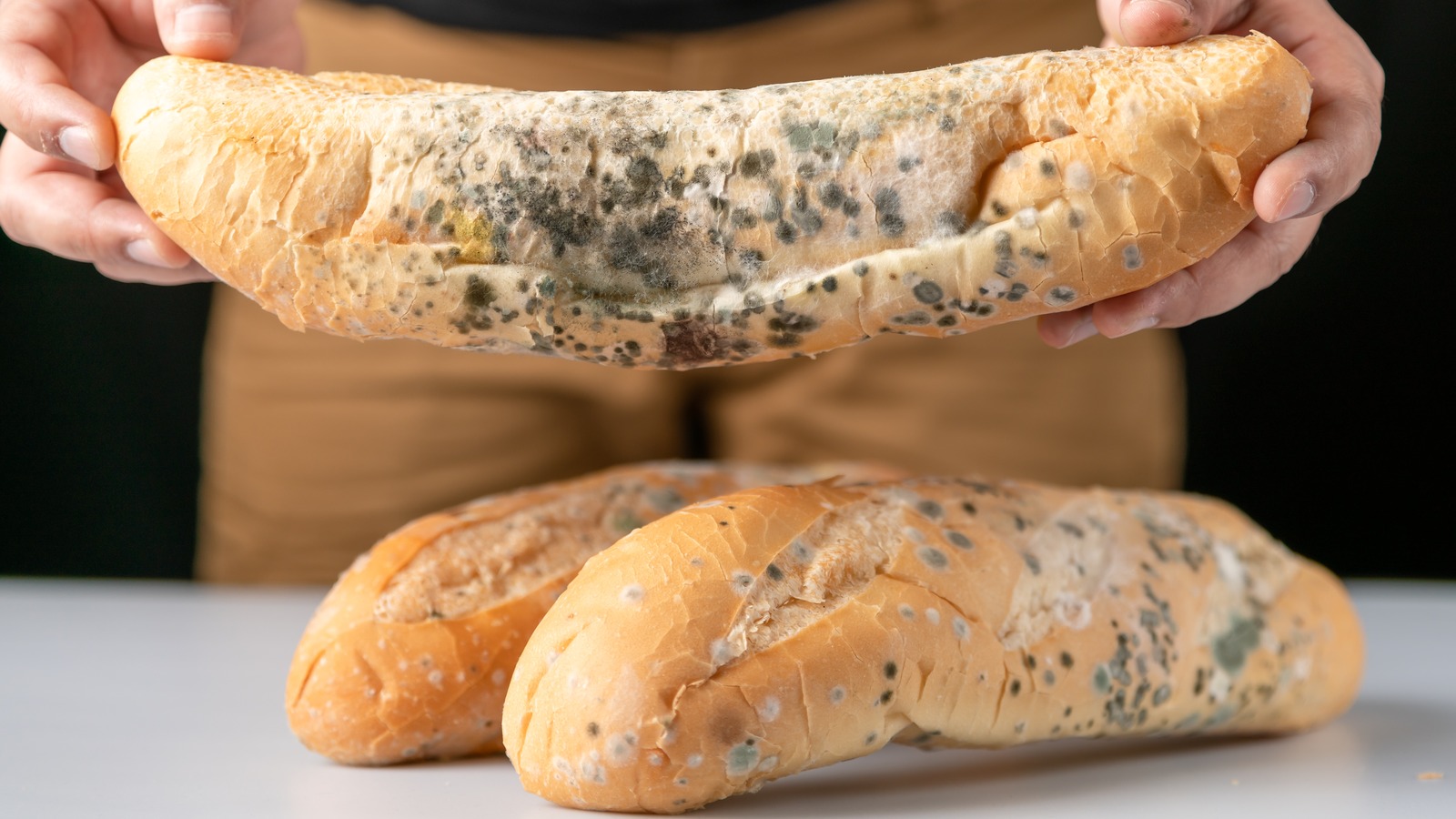
Mold is a type of fungus that thrives in moist, carbohydrate-rich environments, making both raw and cooked rice ideal substrates for growth. Unlike bacteria, which are often invisible, mold typically manifests as fuzzy patches that can be green, black, white, or grey. However, the visible part of the mold—the spores and the surface fluff—is only the "fruit" of the organism. Beneath the surface, mold develops a complex network of microscopic roots called hyphae.
In 2026, food safety standards emphasize that by the time mold is visible on a porous food item like rice, the hyphae have likely penetrated deep into the grain. Rice is highly porous, especially once cooked, allowing these fungal threads to spread toxins throughout the entire batch. This is why "scraping off" the visible mold is an ineffective and dangerous practice. The moisture content in cooked rice significantly accelerates this process, often allowing mold to take hold within just a few days if the rice is stored above 40°F (4°C).
Furthermore, certain molds are specialized in breaking down starches. When rice is stored in humid conditions—even if it is raw—it can attract species of Penicillium or Aspergillus. These fungi do not just sit on the surface; they chemically alter the grain, often leaving behind secondary metabolites known as mycotoxins which remain long after the mold itself might be washed away or killed by heat.
Immediate Physical Symptoms of Mold Ingestion
If you accidentally consume moldy rice, your body’s reaction will depend on the type of mold, the amount ingested, and your individual sensitivity. For many, the first sign of trouble is a foul or "musty" taste, which often triggers a gag reflex. If the rice is swallowed, the digestive system usually attempts to expel the irritant quickly.
Gastrointestinal Distress
The most common immediate reaction is acute gastroenteritis. Within one to six hours of ingestion, an individual may experience intense nausea followed by vomiting. This is the body’s primary defense mechanism against toxins. Abdominal cramping and diarrhea usually follow as the digestive tract works to move the contaminated material through the system. While these symptoms are often mistaken for standard "food poisoning" caused by bacteria like Salmonella, mold-induced illness can be equally debilitating.
Allergic Reactions and Respiratory Issues
Some individuals are hypersensitive to mold spores. For these people, even a small amount of moldy rice can trigger an allergic response. This may manifest as hives, skin rashes, or itching. More seriously, inhaling spores while handling moldy rice can lead to respiratory distress, including wheezing, coughing, or a flared-up asthma attack. In rare cases, a severe allergic reaction known as anaphylaxis can occur, which requires immediate emergency medical intervention.
Mycotoxicosis
Acute mycotoxicosis occurs when high levels of mycotoxins are consumed in a single sitting. Unlike a standard stomach bug, this represents actual chemical poisoning. Symptoms can include tremors, dizziness, and in extreme cases, liver failure. While rare in modern domestic settings due to food processing standards, it remains a significant risk when consuming home-stored grains that have been compromised by moisture.
The Hidden Danger: Mycotoxins and Aflatoxins
The primary concern with moldy rice is not necessarily the live fungus itself, but the toxic chemical byproducts it leaves behind. Mycotoxins are secondary metabolites produced by fungi that are toxic to humans and animals. Among the thousands of known mycotoxins, aflatoxins—produced primarily by Aspergillus flavus and Aspergillus parasiticus—are the most dangerous.
Aflatoxins are among the most potent naturally occurring carcinogens known to science. They are particularly notorious for their stability. According to the World Health Organization (WHO), aflatoxins are heat-stable and can survive the high temperatures used in boiling, steaming, or frying rice. This means that even if you "cook the life out" of moldy rice, the chemical poisons remain active and dangerous.
Long-term exposure to low levels of aflatoxins is linked to a significant increase in the risk of liver cancer (hepatocellular carcinoma). They can also cause immunosuppression, making the body more vulnerable to other infections. In children, chronic mycotoxin exposure has been linked to stunted growth and developmental delays. Because these toxins accumulate in the body or cause damage over time, the "I ate it and I feel fine" logic is a dangerous fallacy.
Factors That Influence the Severity of the Reaction
Not everyone who eats a bite of moldy rice will end up in the hospital. The severity of the outcome is influenced by several biological and environmental variables.
- Immune Status: Immunocompromised individuals, the elderly, and young children are at a much higher risk of severe illness. Their bodies are less capable of neutralizing toxins and more susceptible to secondary infections.
- The "Inoculum" Dose: The sheer quantity of mold and toxins matters. A single grain of moldy rice accidentally swallowed is less likely to cause a crisis than a full bowl of rice that was "cleaned" of visible mold.
- Fungal Species: Some molds, like those used to make blue cheese or soy sauce (Aspergillus oryzae), are generally safe. However, the wild molds that grow on rice in a refrigerator are unpredictable and often toxic. There is no way to distinguish a "safe" wild mold from a "deadly" one with the naked eye.
- Co-infections: Moldy rice is often a sign of general spoilage, meaning the rice may also be harboring dangerous bacteria like Bacillus cereus. This bacterium produces toxins that cause "fried rice syndrome," leading to severe vomiting and potential liver failure.
Comparison of Common Risks in Contaminated Rice
The following table outlines the different types of biological threats often found in spoiled or moldy rice and their characteristics.
| Threat Type | Primary Organism | Common Symptoms | Heat Resistance | Long-term Risk |
|---|---|---|---|---|
| Aflatoxins | Aspergillus flavus | Nausea, jaundice, abdominal pain | Very High (Survives boiling) | Liver cancer, immunosuppression |
| Ochratoxins | Penicillium species | Fatigue, kidney discomfort | Moderate | Kidney damage, DNA damage |
| Bacillus cereus | B. cereus (Bacteria) | Projectile vomiting, diarrhea | High (Spores survive cooking) | Liver failure (in severe cases) |
| General Molds | Various (e.g., Rhizopus) | Upset stomach, allergic reaction | Low (Killed by heat) | Generally low, but unpredictable |
What to Do If You Accidentally Ate Moldy Rice
If you realize mid-meal that your rice was moldy, or if you find mold in the container after eating, do not panic. Follow these steps to manage the situation:
- Stop Ingestion Immediately: Discard the contaminated food and any other food items that were stored in direct contact with it. Do not attempt to "save" parts of the batch.
- Hydrate: If vomiting or diarrhea occurs, the primary risk is dehydration. Drink water, electrolyte solutions, or clear broths. Avoid caffeine and alcohol, which can further irritate the stomach lining.
- Do Not Induce Vomiting: Unless specifically directed by a medical professional or poison control, do not force yourself to vomit. This can cause esophageal irritation or aspiration of toxins into the lungs.
- Monitor for "Red Flag" Symptoms: Seek medical attention immediately if you experience high fever, persistent vomiting (unable to keep liquids down for 12+ hours), blood in the stool, or signs of jaundice (yellowing of the eyes and skin).
- Save a Sample (Optional): If you become severely ill, having a small sample of the contaminated food in a sealed bag can help medical professionals identify the specific toxin or pathogen involved.
Note: This information is for educational purposes and does not constitute medical advice. Always consult a healthcare provider for medical concerns.
Prevention and Proper Rice Storage in 2026
Prevention is the only guaranteed way to avoid the risks associated with moldy rice. Given the stability of mycotoxins, your focus should be on preventing fungal colonization from the start.
Storing Raw Rice
Raw rice should be kept in a cool, dry place. Moisture is the enemy; even small amounts of humidity can trigger mold growth in a pantry. Use airtight containers to prevent moisture from the air or pests from entering. In 2026, many households use vacuum-sealed containers for bulk grain storage to ensure a zero-oxygen environment where most molds cannot survive.
The "Two-Hour Rule" for Cooked Rice
The most common mistake is leaving cooked rice at room temperature for too long. Bacteria and mold spores can begin to proliferate as soon as the temperature drops below 140°F (60°C). Cooked rice should be cooled quickly—spread it out on a tray if necessary—and placed in the refrigerator within two hours of cooking. If the ambient temperature is above 90°F (32°C), this window shrinks to one hour.
Reheating and Lifespan
In the refrigerator, cooked rice is generally safe for 3 to 4 days. Beyond this timeframe, the risk of mold and bacterial growth increases significantly. When reheating, ensure the rice reaches an internal temperature of 165°F (74°C). While this will not kill aflatoxins, it will destroy live mold spores and most bacteria.
How to Inspect Rice
Before eating, use your senses. Check for any discoloration (pink, green, or black spots). Smell the rice; it should smell neutral or like grain. Any "earthy," "musty," or "sour" odor is a definitive sign of spoilage. If the rice feels excessively slimy or has lost its structure, it should be discarded regardless of whether visible mold is present.
FAQ
Can you wash mold off rice?
No, you cannot safely wash mold off rice. While washing might remove visible surface spores, it cannot reach the hyphae (roots) that have grown inside the grain. Furthermore, many mycotoxins are not water-soluble or are deeply embedded, meaning the rice remains toxic even after multiple rinses.
Does boiling moldy rice make it safe to eat?
Boiling does not make moldy rice safe. While the heat may kill the live mold fungus, the most dangerous components—mycotoxins like aflatoxins—are heat-stable and remain toxic even after being boiled at 212°F (100°C). Consuming boiled moldy rice still poses a significant risk of chemical poisoning and long-term health issues.
Is it okay to cut off the moldy part of a rice cake or block of rice?
No. Rice is a "soft" and porous food. In such materials, mold roots can easily penetrate deep into the food, far beyond what the eye can see. Unlike hard cheeses, where mold can sometimes be cut away, rice must be discarded entirely if any mold is detected.
How long does cooked rice last in the fridge?
Cooked rice typically lasts 3 to 4 days in a refrigerator set to 40°F (4°C) or below. To maximize shelf life and safety, store it in a shallow, airtight container to ensure even cooling and to prevent the absorption of odors and moisture from other foods.
Next Action: Audit Your Food Storage
To ensure your household remains safe from the risks of moldy rice, perform a quick audit of your current kitchen habits. Check the seal on your dry rice storage containers to ensure no moisture is leaking in. Review your "leftover" protocol: if you find yourself frequently leaving rice in the cooker overnight or keeping leftovers for more than four days, consider cooking smaller batches or freezing portions immediately after they cool. Freezing is an excellent way to preserve rice for up to six months without the risk of mold growth, provided it is sealed correctly to prevent freezer burn.