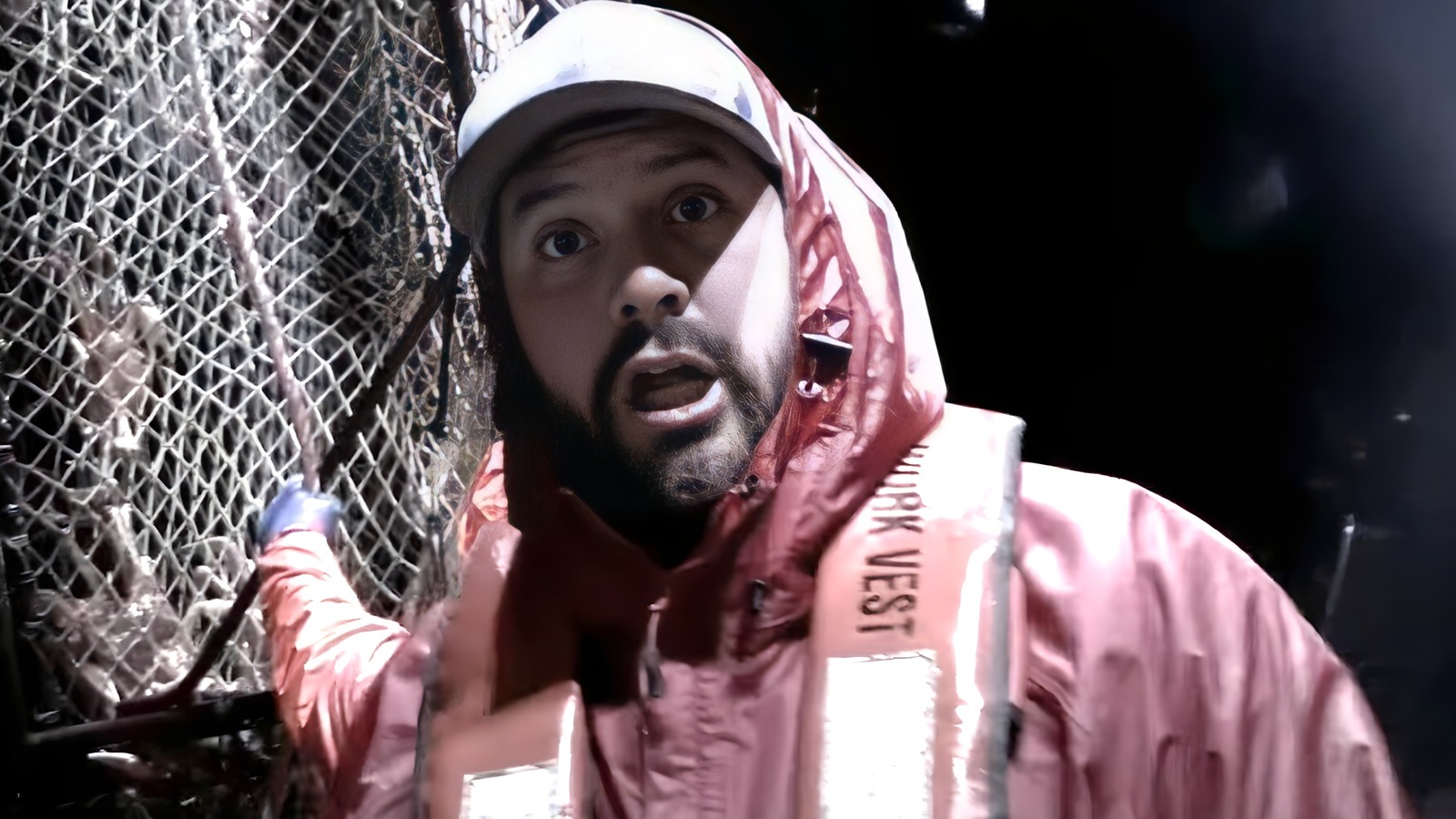
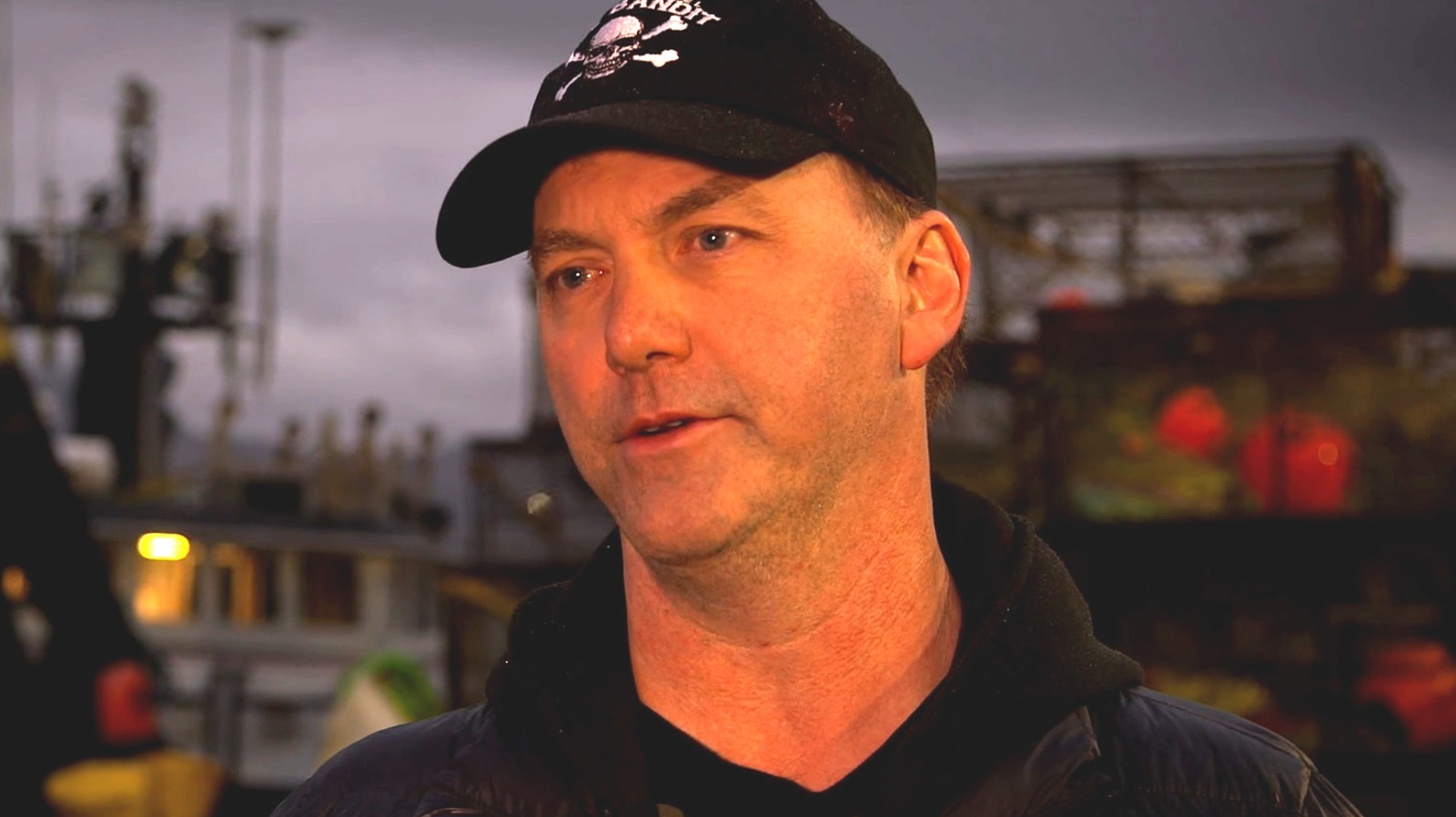
Lenny Lekanoff, known to Deadliest Catch viewers as a deckhand and long-time crew member on the F/V Cornelia Marie, transitioned away from the high-stakes world of Bering Sea crabbing following his appearances on the series. Since leaving the show, he has focused on private maritime work and regional Alaskan ventures rather than pursuing further fame in the reality television industry.
The Role of Lenny on the F/V Cornelia Marie
Lenny Lekanoff emerged as a familiar face during the mid-2010s tenure of the F/V Cornelia Marie. His presence on the vessel was characterized by the grueling, high-pressure environment depicted in the Deadliest Catch franchise. As a deckhand under the mentorship of veteran captains, including Josh Harris and Casey McManus, Lenny was instrumental in the physical operation of the vessel. The life of a crab fisherman involves repetitive, physically demanding tasks, such as baiting pots, hauling heavy gear, and sorting catch in freezing, unpredictable conditions.
For fans of the show, Lenny represented the backbone of the industry—the experienced deckhand who balanced technical proficiency with the endurance required to survive months at sea. Unlike the captain-centric narratives often highlighted by the production, deckhands like Lenny were responsible for the daily execution of fishing strategies. His exit from the vessel marked a broader shift in the ship's crew composition as production moved away from recurring ensemble cast members to focus on specific family legacies.
Analyzing Career Earnings in the Bering Sea
The financial compensation for a deckhand on Deadliest Catch is complex and often misunderstood by the public. Earnings for professional fishermen are generally not based on a flat salary or an hourly wage. Instead, the industry standard operates on a "share" system, where each crew member receives a percentage of the net profits from the boat's total haul after operating expenses—such as fuel, bait, gear maintenance, and food—are deducted.
During the peak of the show’s popularity, experienced deckhands on top-tier vessels could earn between $50,000 and $100,000 per season, depending on the boat’s quota, the market price of crab, and the total poundage caught. However, these earnings are mitigated by significant risks and costs. Crew members must account for:
- The "Short Season": Crabbing seasons are dictated by strict biological quotas, meaning income is concentrated in only a few months of the year.
- Operating Expenses: If a season is poor or mechanical issues arise, the net profit to be shared among the crew decreases significantly.
- Lack of Benefits: Most independent contracting work in the Bering Sea does not include employer-provided health insurance or traditional retirement packages, placing the burden of wealth management entirely on the individual.
While his specific contractual earnings from the Discovery Channel are not public, it is widely understood that show participants typically receive "appearance fees" alongside their standard fishing shares. These fees, however, rarely represent the entirety of a fisherman’s income and are subject to nondisclosure agreements.
Life After Reality Television
Following his departure from Deadliest Catch, Lenny Lekanoff maintained a relatively low profile, focusing on his home life in Alaska. His current ventures have shifted away from the spectacle of the crab fishing industry toward more stable, localized employment. This transition is common among former reality stars who seek to reclaim their privacy after years of being filmed in high-stress, dangerous situations.
Current reports indicate that Lekanoff has leveraged the maritime skills he honed on the Cornelia Marie to pursue work in regional transport and maintenance sectors. Life in Alaska often requires a diverse skill set, and former crabbers are frequently recruited for their ability to handle heavy machinery and maintain equipment in harsh environments. Unlike some of his former castmates who attempted to monetize their fame through speaking engagements or social media influence, Lenny has chosen to remain largely removed from the public eye, focusing on long-term career stability over temporary fame.
Comparing Professional Fishing vs. Reality Entertainment
It is essential to distinguish between the two distinct income streams that defined Lenny’s time on Deadliest Catch: the commercial fishing industry and the entertainment industry. The following table illustrates the divergence between these roles.
| Factor | Commercial Fishing Role | Reality TV Appearance |
|---|---|---|
| Primary Revenue | Share of crab sales (variable) | Stipend/Appearance fee (fixed) |
| Work Environment | Bering Sea (dangerous) | Controlled studio/set (scripted/edited) |
| Longevity | Physical health dependent | Production/Audience interest dependent |
| Financial Security | Tied to market prices/quotas | Subject to show renewal |
The reliance on these two disparate income sources creates a unique financial trajectory for participants. When an individual stops appearing on the show, they lose the secondary "fame" income, leaving them to rely entirely on their professional expertise in the maritime or trades sector.
Frequently Asked Questions
Did Lenny earn more money from the show or from fishing?
Lenny’s primary income throughout his career was derived from his fishing shares. While the show provided additional income through appearance fees, the bulk of his financial earnings came from the physical labor of harvesting crab. Appearance fees are typically supplemental and rarely replace the necessity of maintaining active, high-volume fishing quotas.
Is Lenny still active on the F/V Cornelia Marie?
No, Lenny is no longer part of the current crew of the Cornelia Marie. As of 2026, the vessel has undergone several changes in ownership and staffing. Like many other long-time crew members, Lenny transitioned to different professional ventures after his tenure on the series concluded.
Why do so many fishermen leave the show?
The decision to leave is usually driven by a combination of factors: the physical toll of the work, the desire for a more predictable home life, and the expiration of production contracts. The life of a crab fisherman is grueling, and many choose to retire from the high-risk environment of the Bering Sea once they have accumulated enough capital or found more sustainable careers on land.
Does Lenny have other business ventures outside of fishing?
Outside of his maritime career, Lenny has maintained a focus on his private interests in Alaska. While there is no record of him launching a large-scale commercial business or corporate enterprise, he has redirected his energy toward private sector work that utilizes his specialized mechanical and maritime knowledge.
How does someone get paid on a crab boat?
Fishermen are paid through a profit-sharing system. Once the boat returns to port and the crab is sold to processors, the total revenue is calculated. From this, the "boat share" (for equipment and maintenance) and the operating costs (fuel, bait, food) are deducted. The remaining net profit is split among the crew, with the captain usually receiving the largest percentage, followed by experienced deckhands.
Next Actions and Professional Guidance
For those interested in the financial realities of the maritime industry, it is important to understand that the "glamour" depicted on screen is secondary to a volatile commodity market. If you are seeking to enter the industry, focus on obtaining the necessary United States Coast Guard (USCG) certifications and maritime safety training. Income in this sector is highly sensitive to external market fluctuations and environmental regulations. Always consult with financial advisors who specialize in 1099 independent contracting and seasonal income, as the tax and investment strategies for maritime laborers differ significantly from those of traditional salaried employees.