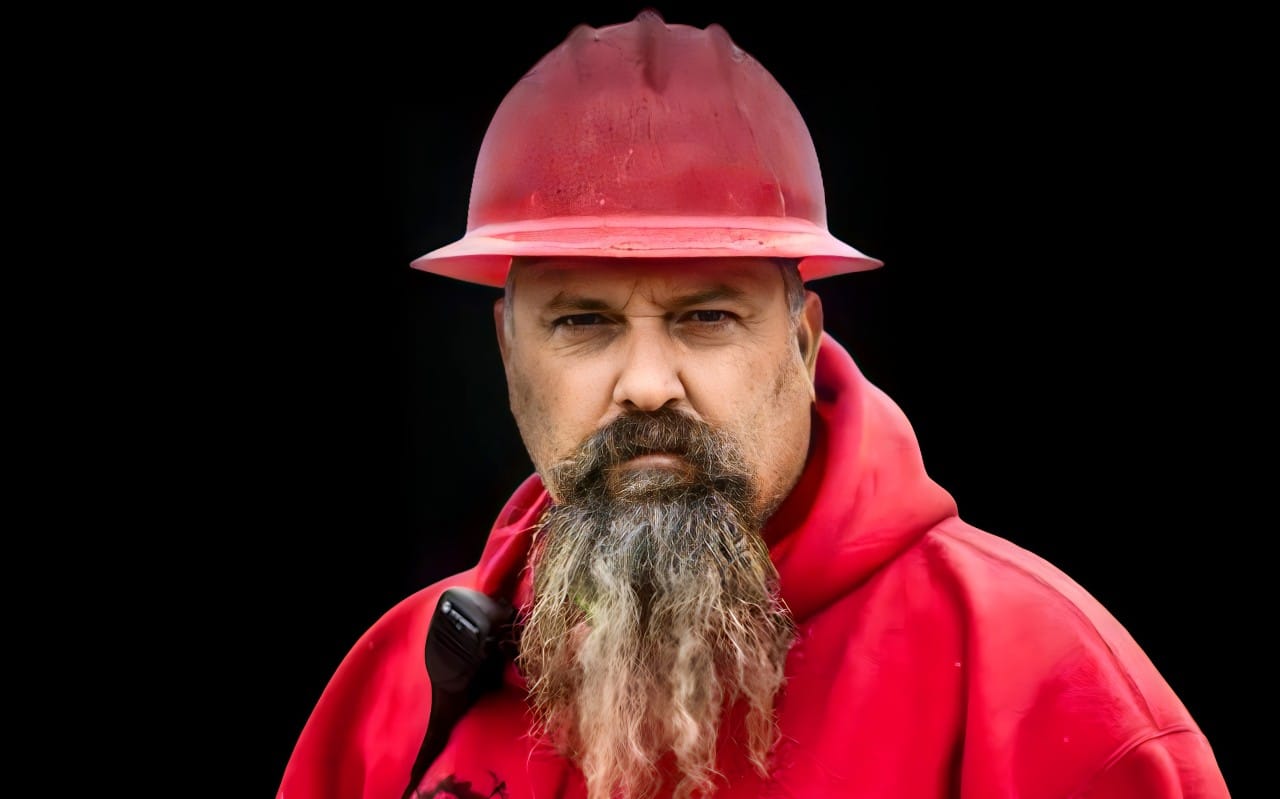
Jack Hoffman, a foundational figure in the Gold Rush reality television franchise, transitioned from his central role in the show's early seasons to a semi-retired status. While his son, Todd Hoffman, remained the primary face of their mining operations for years, Jack eventually stepped back from the grueling physical demands of professional placer mining to focus on his personal life and family.
The Origins of the Hoffman Mining Career
The narrative of Gold Rush began in 2010 during the height of the global economic recession. Jack Hoffman, a seasoned gold miner with decades of experience, inspired his son Todd to leave behind their respective careers to pursue mining as a way to recover from the financial downturn. The premise of the show was fundamentally rooted in their desire to return to the rugged, high-stakes environment of the Yukon and Alaska.
Jack acted as the voice of experience and wisdom during the formative years of the Hoffman crew. His background in geology and traditional prospecting methods provided a necessary counterweight to the often volatile and inexperienced decision-making processes of the early crew members. For viewers, Jack represented the "old school" approach to mining, prioritizing manual effort, geological indicators, and a deep, historical reverence for the land.
Transitioning from the Front Lines
As the seasons progressed, the physical strain of operating heavy machinery in sub-arctic climates became increasingly challenging for Jack. Mining, particularly the placer mining techniques used by the Hoffmans, requires immense physical endurance and long hours in harsh conditions. By the middle seasons of the original series, Jack’s screen time began to diminish as he prioritized his health and family stability over the constant movement required by the crew.
This transition was not a sudden departure but a gradual withdrawal. The reality production schedule, which often demands months of intense filming, became less conducive to his lifestyle. Unlike the younger crew members who were building careers specifically around the production, Jack’s involvement was rooted in a familial goal that had arguably reached its zenith by the mid-2010s. His departure from the daily mining operations allowed the show to evolve, bringing in new, younger operators and specialized mechanics who could handle the increasingly complex equipment required for modern gold recovery.
The Dynamics of the Hoffman Family Crew
The "Hoffman Crew" dynamic was the central engine of the series for many years. It was characterized by high-risk, high-reward decision-making, frequent equipment failure, and personal conflict between father and son. Jack’s role was often that of the mediator and the moral compass. When projects failed—and they failed frequently—Jack was usually the figure tasked with keeping the team’s morale from collapsing entirely.
| Role | Responsibility | Evolution Over Time |
|---|---|---|
| Prospector | Identifying gold-bearing soil | Shifted toward management/advisory |
| Navigator | Reading geological indicators | Reduced as geological maps improved |
| Mentor | Training the inexperienced crew | Phased out as specialized staff arrived |
| Strategist | Long-term site development | Withdrew as business logistics took over |
The table above illustrates how Jack’s contributions moved from active, hands-on prospecting toward a more advisory capacity before his eventual retirement from the active crew. His presence provided a sense of continuity that grounded the show during its most chaotic transitions.
Modern Perspectives on Gold Mining
In the current landscape of 2026, the techniques Jack Hoffman pioneered on screen—such as the use of sluice boxes and trommels—have been refined and industrialized. While the fundamental science of gravity separation remains consistent, the scale of technology used in modern professional operations has significantly outpaced the equipment shown in the early seasons of Gold Rush.
The move toward automated machinery and sophisticated ground-penetrating radar has made the "trial and error" method that defined Jack’s early tenure look archaic. However, experts in the mining industry still acknowledge that the intuition Jack possessed—the ability to read the terrain and understand the movement of pay-dirt—remains an invaluable, albeit intangible, asset. This serves as a reminder that while machinery can be updated, the "miner’s eye" is a skill developed over a lifetime of fieldwork.
Life After Reality Television
Since stepping away from the spotlight, Jack has maintained a relatively private life. Unlike several other cast members who transitioned into spin-off series, public speaking engagements, or social media-driven careers, Jack has largely eschewed the public eye. This choice reflects a move toward the quiet, rural life he sought before his initial foray into the mining industry.
His current status serves as a point of reference for audiences who have followed the show since its inception. While the Gold Rush franchise has spawned multiple spin-offs and expanded into new geographic regions, the original spirit of the Hoffman family’s initial gamble remains a significant part of the series' history. His withdrawal from the screen is widely interpreted by fans and industry observers as a logical conclusion to his specific tenure in the mining industry, marking the end of a chapter rather than a mid-career pivot.
Frequently Asked Questions
Did Jack Hoffman retire from mining entirely?
Jack Hoffman essentially retired from the high-stakes, commercial mining operations documented on television. While he may maintain personal interests in prospecting or land management, his active involvement in the industrial-scale operations seen on Gold Rush concluded years ago to allow for a focus on his private life.
Why did Jack stop appearing on Gold Rush?
His departure was primarily driven by the physical toll of the mining lifestyle and his desire for a slower, more stable environment. The demanding schedule of reality television production, combined with the rigorous nature of Yukon mining, made continued participation unsustainable for his personal long-term health.
Is Jack Hoffman still involved with Todd Hoffman’s projects?
In the years since his departure, Jack has transitioned into a supporting role in his personal life. While he maintains his relationship with his son, he is no longer involved in the management, site selection, or labor of the projects Todd leads in current iterations of the series.
Was Jack Hoffman’s mining experience real?
Yes, Jack Hoffman had a legitimate background in mining prior to the production of the show. His experience was foundational to the early seasons, providing the technical knowledge required to set up the original wash plants and identify potential gold deposits in the region.
How did Jack influence the trajectory of the Gold Rush series?
Jack’s presence provided the show with its initial narrative legitimacy. By framing the mining venture as a family endeavor with real, tangible stakes, he gave audiences an emotional hook that allowed the series to grow into a multi-season franchise, establishing the archetype of the "seasoned veteran" which subsequent seasons have often tried to replicate.
Recommended Next Steps for Fans
If you are interested in the evolution of the mining techniques used during Jack’s time on the show, consider researching the transition from basic sluicing to the automated gold recovery systems now used in the Yukon. Understanding the differences between these eras highlights why the methods Jack employed were both groundbreaking for the time and inherently limited by their manual nature. Additionally, if you are looking to revisit the historical context of the Hoffman family's journey, viewing the early episodes of the first and second seasons provides the most accurate documentation of his specific contribution to the series' legacy.