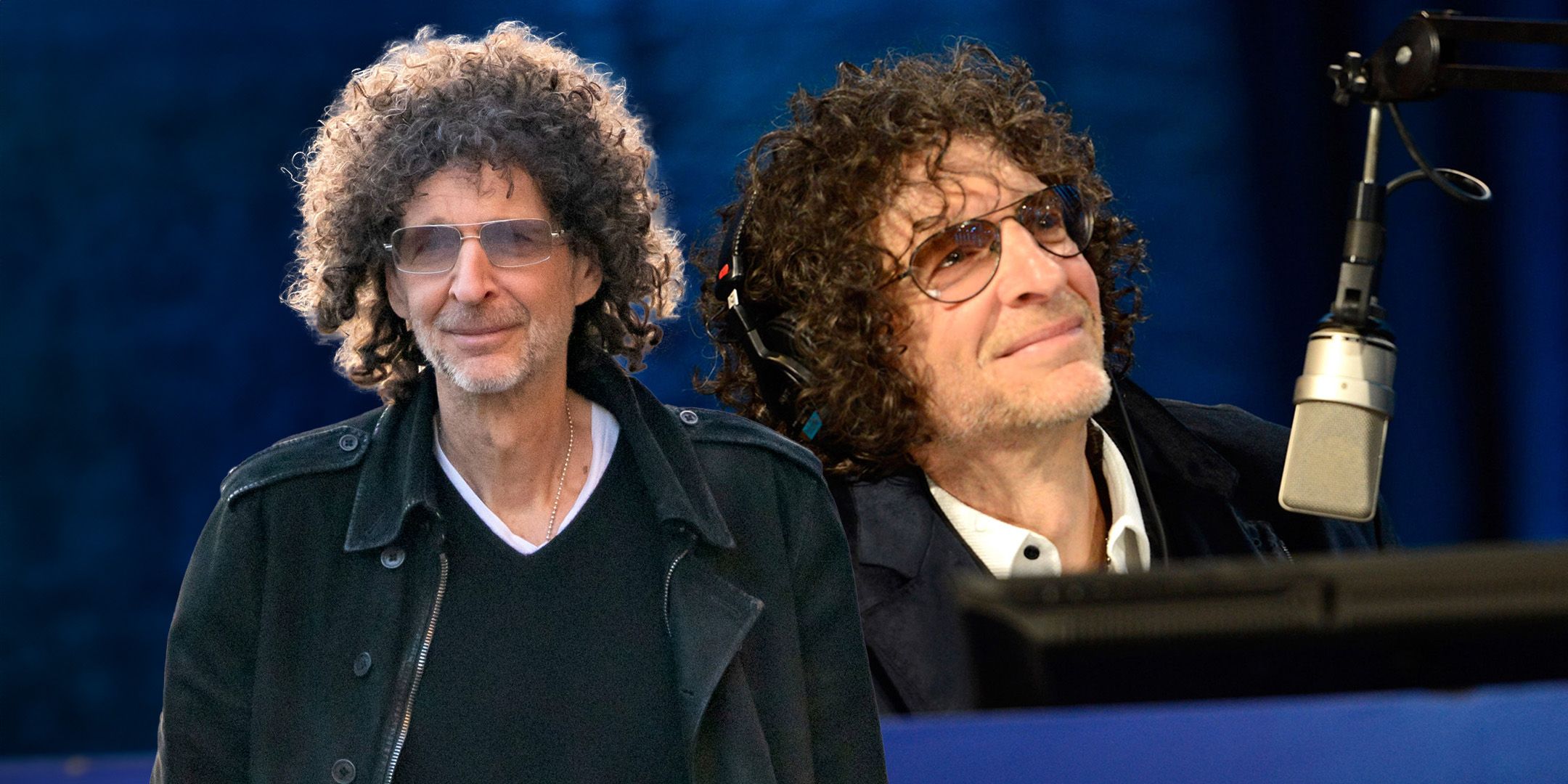
Donatella Versace has maintained her status as the creative powerhouse of the Versace fashion house for decades, a role marked by significant aesthetic evolution and public scrutiny regarding her appearance. The discourse surrounding her physical presentation is a confluence of personal expression, the rigorous demands of the global luxury market, and the intersection of celebrity culture with modern cosmetic advancements.
The Evolution of Public Perception
Donatella Versace’s appearance has been a focal point for global media since she assumed the role of Artistic Director following the passing of her brother, Gianni Versace, in 1997. Over the years, the public has observed distinct changes in her facial features, which have often been subject to speculation and analysis by both tabloid media and aesthetic medicine experts. Unlike many public figures who attempt to conceal or deny the use of cosmetic enhancements, Versace has navigated a career defined by high visibility and the relentless pace of the fashion cycle, where visual branding is inextricably linked to the persona of the Creative Director.
The dialogue surrounding her appearance frequently misconstrues personal style choices for purely medical interventions. As an icon of 1990s and 2000s fashion, her look—characterized by heavy tanning, bleached hair, and distinctive makeup application—became a signature that mirrored the bold, maximalist aesthetic of the brand itself. When discussing her appearance, it is essential to distinguish between natural aging, the cumulative effects of decades of high-stress work environments, and the elective procedures that have characterized her transition from the 20th to the 21st century.
Cosmetic Interventions and Aesthetic Context
In the field of aesthetic medicine, the procedures associated with high-profile individuals often involve a combination of surgical and non-surgical interventions. Based on expert commentary in professional beauty publications over the years, the changes observed in Donatella Versace are consistent with the long-term use of dermal fillers, Botox (botulinum toxin), and potential surgical interventions such as blepharoplasty or structural facial contouring.
It is important to note that these procedures carry inherent risks and varying degrees of permanence. Fillers, when used excessively or over a long duration, can alter natural facial topography, sometimes resulting in the "overfilled" look that has been discussed in media outlets. However, the decision to undergo such procedures is a private choice, and the resulting aesthetic is often a reflection of the individual's pursuit of a specific brand-aligned image. In the context of luxury fashion, where the creative director acts as the living embodiment of the house’s philosophy, the pressure to maintain a static or "youthful" appearance is exponentially higher than in other professional sectors.
Brand Impact and Personal Branding
The relationship between a creative director’s physical persona and the financial health of a fashion house is complex. In the case of Versace, Donatella has successfully leveraged her own image to reinforce the brand’s identity. The house of Versace is built on themes of excess, glamour, and unapologetic self-expression; therefore, her personal commitment to a high-maintenance, ultra-glamorous aesthetic serves as a consistent marketing tool.
Rather than distancing the brand from her personal image, the house has integrated her persona into its marketing narrative. This approach creates a "founder-led" brand identity that provides authenticity and continuity. Even as the brand moved through various ownership structures—including the acquisition by Capri Holdings in 2018—Donatella’s role remained a pillar of stability. Her public appearances, which are carefully curated events, reinforce the brand’s positioning in the high-luxury market, effectively blurring the lines between the woman and the global fashion powerhouse.
Comparative Analysis: High-Fashion Aesthetic Standards
To understand the context of such public scrutiny, one must compare the pressures faced by luxury executives with broader societal expectations. The following table provides a breakdown of common aesthetic procedures in high-visibility roles and their intended effects.
| Procedure Type | Typical Objective | Common Public Perception |
|---|---|---|
| Dermal Fillers | Restoring volume to mid-face | Often viewed as "over-done" if over-applied |
| Botulinum Toxin | Softening dynamic wrinkles | Generally perceived as standard maintenance |
| Blepharoplasty | Removing excess eyelid skin | Viewed as a corrective, anti-aging measure |
| Skin Resurfacing | Improving texture and tone | High-value, low-controversy aesthetic care |
| Structural Contouring | Defining the jawline or cheekbones | Often subject to intense surgical scrutiny |
This table illustrates that while individual procedures are standard in the entertainment and fashion industries, the cumulative effect is often what garners public and media attention. For a public figure, these choices are rarely purely personal; they are part of a broader professional maintenance regime.
The Intersection of Industry Demands and Personal Choice
The fashion industry acts as a microcosm for societal beauty standards. In 2026, the discourse around cosmetic procedures has shifted toward a more nuanced understanding of "preventative" versus "transformative" medicine. Donatella Versace’s career trajectory has spanned these eras, from the natural look of the early 90s to the era of advanced, invasive injectables.
Her public appearances remain highly anticipated, not only for the clothing collections she presents but for the evolution of her personal style. Critics often ignore the fact that the "Versace look" is fundamentally a construct of exaggerated beauty, making the artistic director’s own physical transformation a logical, if extreme, extension of the brand’s DNA. This creates a feedback loop: the brand demands glamour, the director provides it through her personhood, and the public consumes it, whether as criticism or admiration.
Medical and Ethical Considerations
It is imperative to clarify that there is no public record of specific, verified medical complications for Donatella Versace. Speculation regarding her health or the safety of her procedures remains in the realm of hearsay. From a medical-legal perspective, any individual undergoing cosmetic procedures must be informed of the risks, which include allergic reactions, asymmetrical outcomes, and long-term tissue changes.
For those considering similar aesthetic paths, the primary guidance remains:
- Consultation: Always seek advice from board-certified practitioners who prioritize natural, proportionate results.
- Maintenance: Understand that repeat procedures can lead to cumulative tissue damage.
- Motivation: Distinguish between personal wellness goals and professional expectations.
- Safety: Review the regulatory status of materials used, such as FDA-approved fillers, to ensure long-term biocompatibility.
Managing Public Scrutiny in the Public Eye
For high-profile figures, the challenge lies in maintaining privacy while fulfilling the public's expectations of celebrity. Donatella Versace has navigated this by rarely acknowledging the speculation, choosing instead to focus on the business of luxury fashion. Her silence on the matter is a strategic choice, effectively preventing the media from gaining a foothold in her personal life.
The impact of this approach has been largely successful. By controlling the narrative through her work—runway shows, gala appearances, and brand partnerships—she ensures that the conversation remains centered on the product rather than the person. This is a lesson in crisis communication for other industry leaders: when faced with intense scrutiny, focusing on professional output is the most effective way to maintain brand equity.
Frequently Asked Questions
Has Donatella Versace ever publicly confirmed her procedures?
Donatella Versace has maintained a policy of discretion regarding her personal cosmetic procedures. She has rarely addressed the topic in interviews, preferring to keep the focus on the creative direction of the Versace brand and her legacy as a designer.
How does the scrutiny of her face affect the Versace brand value?
The scrutiny has, in some ways, reinforced the brand’s identity. Because the Versace house is centered on themes of intensity, boldness, and high-glamour, her personal evolution is often interpreted as consistent with the brand’s maximalist aesthetic, rather than an outlier.
What are the risks of long-term cosmetic procedures?
Long-term cosmetic procedures, particularly the repeated use of fillers, can lead to tissue distortion, granulomas, or a "stretched" skin appearance. It is crucial for anyone pursuing these paths to discuss long-term management with a qualified medical professional.
Is it common for fashion designers to face this level of aesthetic scrutiny?
While creative directors have historically stayed behind the scenes, modern roles require high-profile media presence. Consequently, those in the public eye face intense scrutiny, though Versace’s level of global fame brings a unique, heightened intensity that is less common for designers in more modest sectors of the industry.
What should individuals prioritize before undergoing facial procedures?
Prioritization should be given to board certification, professional credentials, and a thorough review of past work. Patient safety, the minimization of long-term risks, and aligning expectations with anatomical reality are the foundational steps for any aesthetic journey.
Strategic Recommendations for Maintaining Brand and Personal Equity
For individuals in high-visibility roles, the recommendation is to adopt a "work-first" communication strategy. Aligning your personal aesthetic with the brand identity is a powerful tool, provided that the physical presentation does not overshadow the professional output. For Donatella Versace, the longevity of her career is a testament to the fact that talent and creative vision serve as the ultimate anchors for professional endurance, regardless of external commentary. Maintaining a boundary between personal health decisions and public image remains the most professional path forward, ensuring that the brand’s narrative remains centered on artistry and commercial success rather than tabloid speculation.