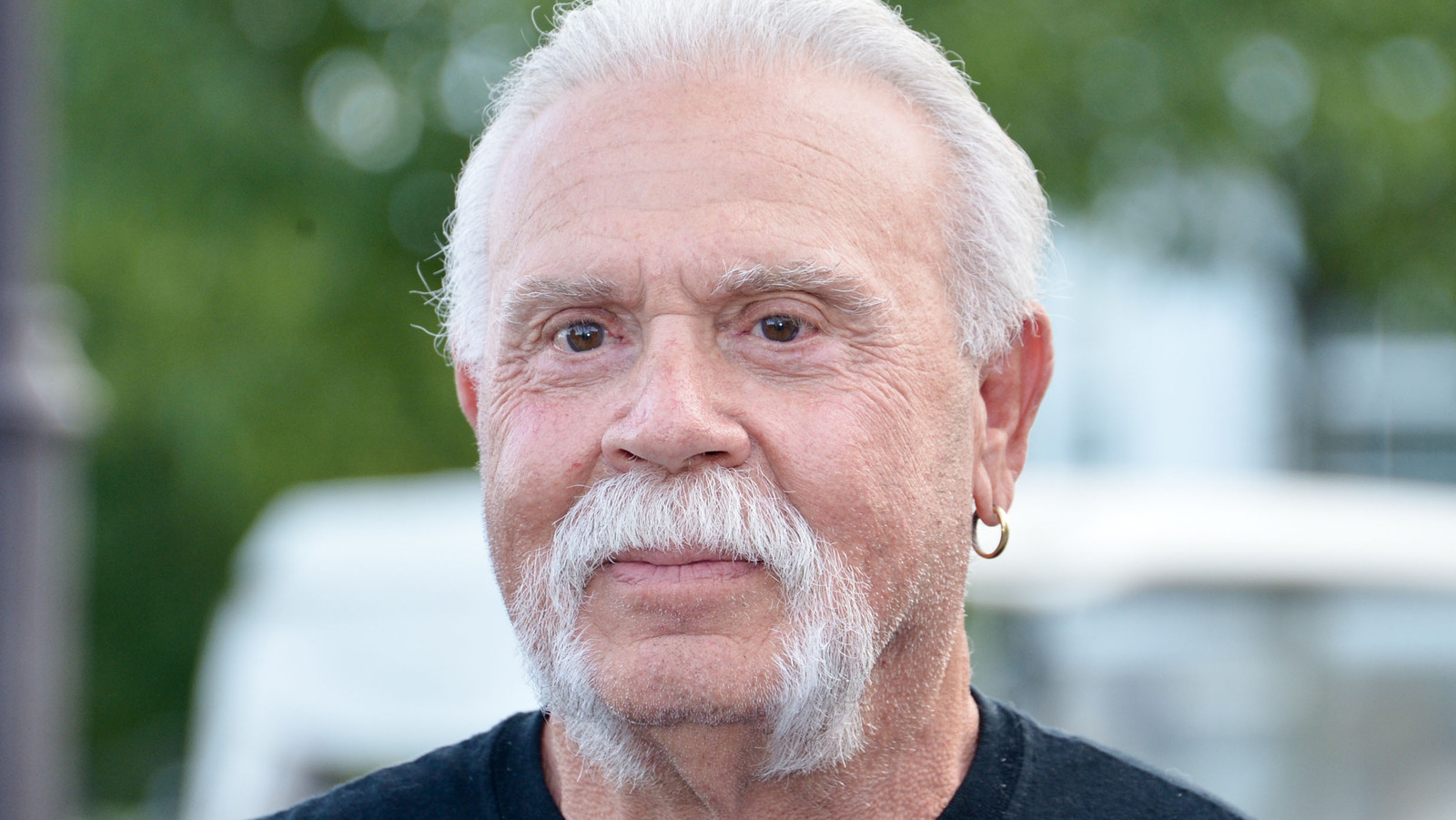
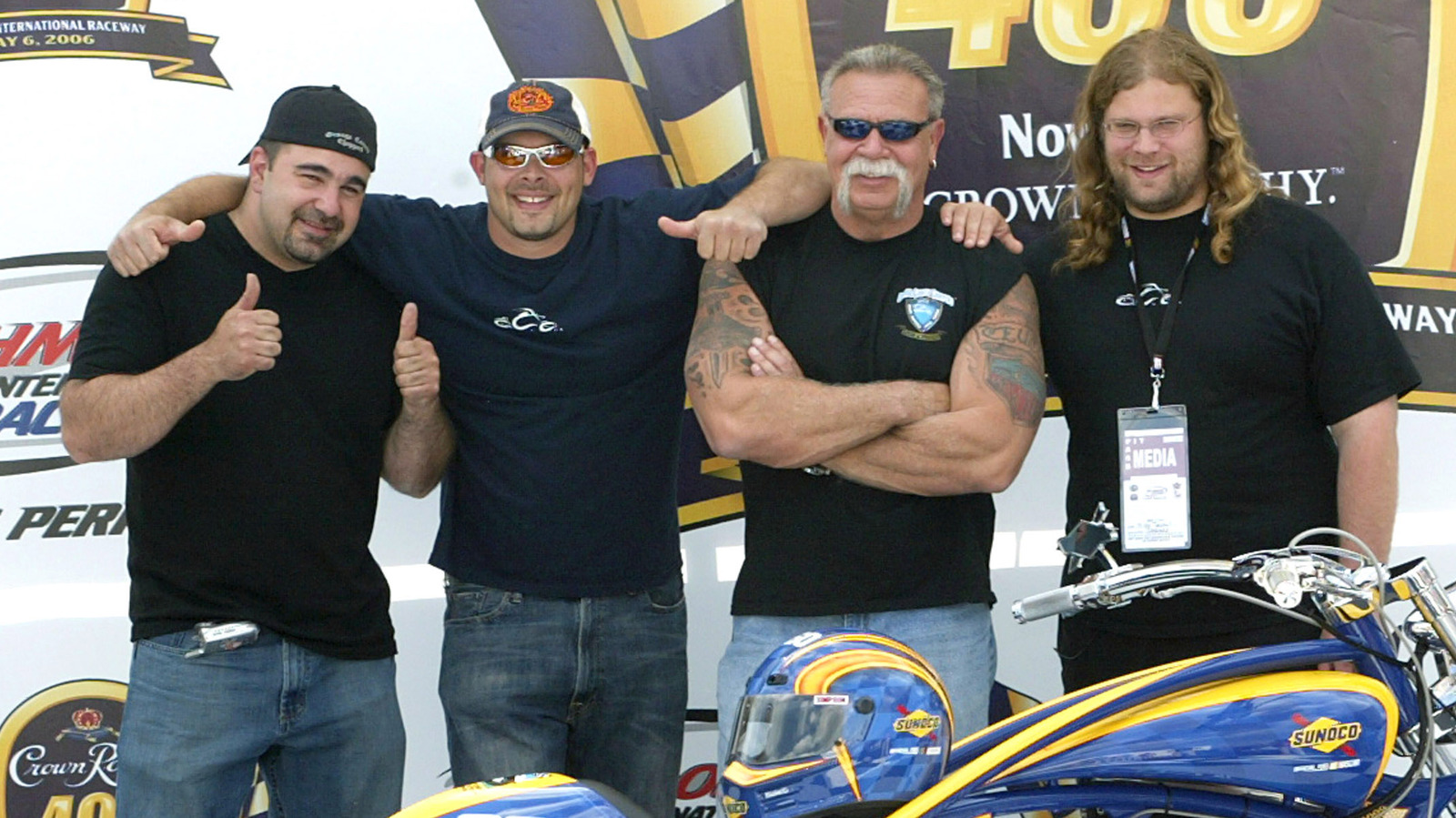
Cody Connelly, a prominent figure in the early seasons of the reality television series American Chopper, transitioned from his role as a fabricator at Orange County Choppers (OCC) to pursuing his own ventures in the automotive and fabrication industries. As of 2026, he remains focused on professional fabrication work, having moved on from the television production environment that brought him initial notoriety.
The Rise of Cody Connelly at Orange County Choppers
Cody Connelly first gained widespread public recognition during his teenage years as an apprentice at Orange County Choppers, the custom motorcycle shop owned by Paul Teutul Sr. Appearing on the Discovery Channel’s hit series American Chopper starting in 2003, Connelly was portrayed as a young, talented fabricator working under the watchful eye of the shop’s senior staff. His presence on the show was notable for his rapid skill development and his ability to hold his own in a high-pressure, often volatile work environment.
During his tenure at OCC, Connelly was involved in the assembly of several high-profile themed bikes. His storyline often centered on his transition from an inexperienced teenager to a capable mechanic who could handle complex welding and assembly tasks. For many viewers, he became a relatable figure who provided a grounded contrast to the intense family drama that frequently dominated the series. His departure from the show marked the end of his formal affiliation with the Teutul family business, leading many followers to wonder about his long-term career path in the years following his television exit.
Post-Television Career and Professional Fabrication
After leaving Orange County Choppers, Connelly did not fade into obscurity, though he did shift away from the spotlight of mainstream reality television. He pursued a career focused on hands-on mechanical and fabrication work, leveraging the skills he refined during his time on American Chopper. Throughout the years, reports have confirmed that he remained within the custom automotive and motorcycle sphere, occasionally collaborating with other industry professionals and builders.
In recent years, his professional activities have been characterized by private, client-based fabrication projects rather than public-facing media work. Unlike some of his former colleagues who remained in the television industry or transitioned into full-time influencer roles, Connelly has prioritized craftsmanship and trade-specific output. He has utilized his technical background to work on specialized vehicle builds that demand a high degree of precision, moving beyond the standard television format of "build-offs" and scripted shop challenges.
Why Cody Connelly Left the Spotlight
The decision to step back from American Chopper was part of a broader shift in the show’s dynamic and the personal goals of its former cast members. By the time Connelly exited, the production had moved toward focusing more on interpersonal conflict than the technical intricacies of motorcycle manufacturing. Connelly’s choice to leave appeared to be a professional pivot toward more stable, private-sector employment.
Furthermore, the legal landscape surrounding the show—including various contract disputes and the eventual transition of the American Chopper brand—created a climate where many of the original crew members chose to distance themselves from the franchise. Connelly’s departure allowed him to distance his personal reputation from the recurring family disputes that plagued the Teutul organization, ensuring that his professional brand remained tied to his skills as a fabricator rather than his role in a reality television narrative.
Comparative Overview: Reality TV Participants vs. Professional Fabricators
To understand the trajectory of figures like Cody Connelly, it is useful to distinguish between the requirements of television production and the actual demands of the professional custom fabrication industry. The following table highlights the differences in these two domains as they pertain to career longevity and daily operations.
| Feature | Reality Television Fabrication | Professional Shop Fabrication |
|---|---|---|
| Primary Goal | Audience engagement and drama | Client satisfaction and build quality |
| Schedule | Driven by production deadlines | Driven by technical requirements |
| Work Focus | Short, "high-impact" builds | Long-term projects and maintenance |
| Primary Skill | Camera presence and narrative | Precision welding and engineering |
| Career Stability | Tied to show ratings/renewals | Tied to reputation and skill set |
Current Industry Status and Legacy
As of 2026, Cody Connelly is recognized within the custom build community as an experienced professional who successfully bridged the gap between early 2000s reality television and a sustainable career in the trades. While he does not frequently engage with mainstream media, his legacy as a pioneer of the "young apprentice" trope in reality TV remains cemented in the history of the genre.
For those interested in his work or the broader context of the American Chopper era, it is important to verify information through reputable industry outlets rather than speculative social media rumors. Much of the discourse surrounding former cast members is often fueled by nostalgia rather than current facts. Connelly has generally avoided the cycle of "reunion" projects and retrospective interviews, preferring to let his work in the garage speak for itself.
Frequently Asked Questions
Did Cody Connelly ever return to Orange County Choppers?
No, following his departure from the show and his subsequent legal and professional separation from the company, he did not return to Orange County Choppers. His path led him toward independent fabrication projects, and he has maintained a distinct separation from the Teutul business operations.
Is Cody Connelly still working as a custom bike builder?
Yes, Connelly has maintained a professional focus on mechanical and fabrication work. While he is no longer building for television cameras, his career remains rooted in the automotive and custom fabrication industry, where he applies the skills developed during his formative years on American Chopper.
Did Cody Connelly and the Teutuls have a falling out?
Public reporting from the mid-2000s indicated legal disputes involving former employees and the American Chopper production. Connelly, like other former associates, maintained a professional distance from the organization after his departure, focusing on his independent career rather than public reconciliation.
Why is there limited information about Cody Connelly on social media?
Cody Connelly has maintained a low public profile, which is a deliberate choice common among individuals who have transitioned out of reality television. By limiting his public presence, he has successfully avoided the scrutiny that often comes with fame, allowing him to operate in a professional capacity without the pressures of a public-facing brand.
How can I verify current updates about former American Chopper stars?
Reliable information regarding former cast members is best found through independent industry news outlets or official trade publications. Avoid relying on clickbait articles or unverified social media profiles that speculate about the personal lives of reality television stars, as these often lack factual accuracy.
Next Steps for Followers and Industry Enthusiasts
If you are a fan of the custom build culture featured in American Chopper, the best way to support the industry is to track the work of professional fabricators through their specific project portfolios and professional workshops. Rather than seeking out gossip regarding former reality stars, focus on the evolving technology of custom motorcycle manufacturing and the current standards in the fabrication trade.
If you are an aspiring builder, use the early episodes of American Chopper as a reference point for the foundational skills of the trade, but consult modern engineering manuals, welding certification programs, and professional shop guidelines for current technical requirements. The industry has advanced significantly since the early 2000s, and focusing on current safety protocols and advanced manufacturing techniques is the most effective path to success in the field today.