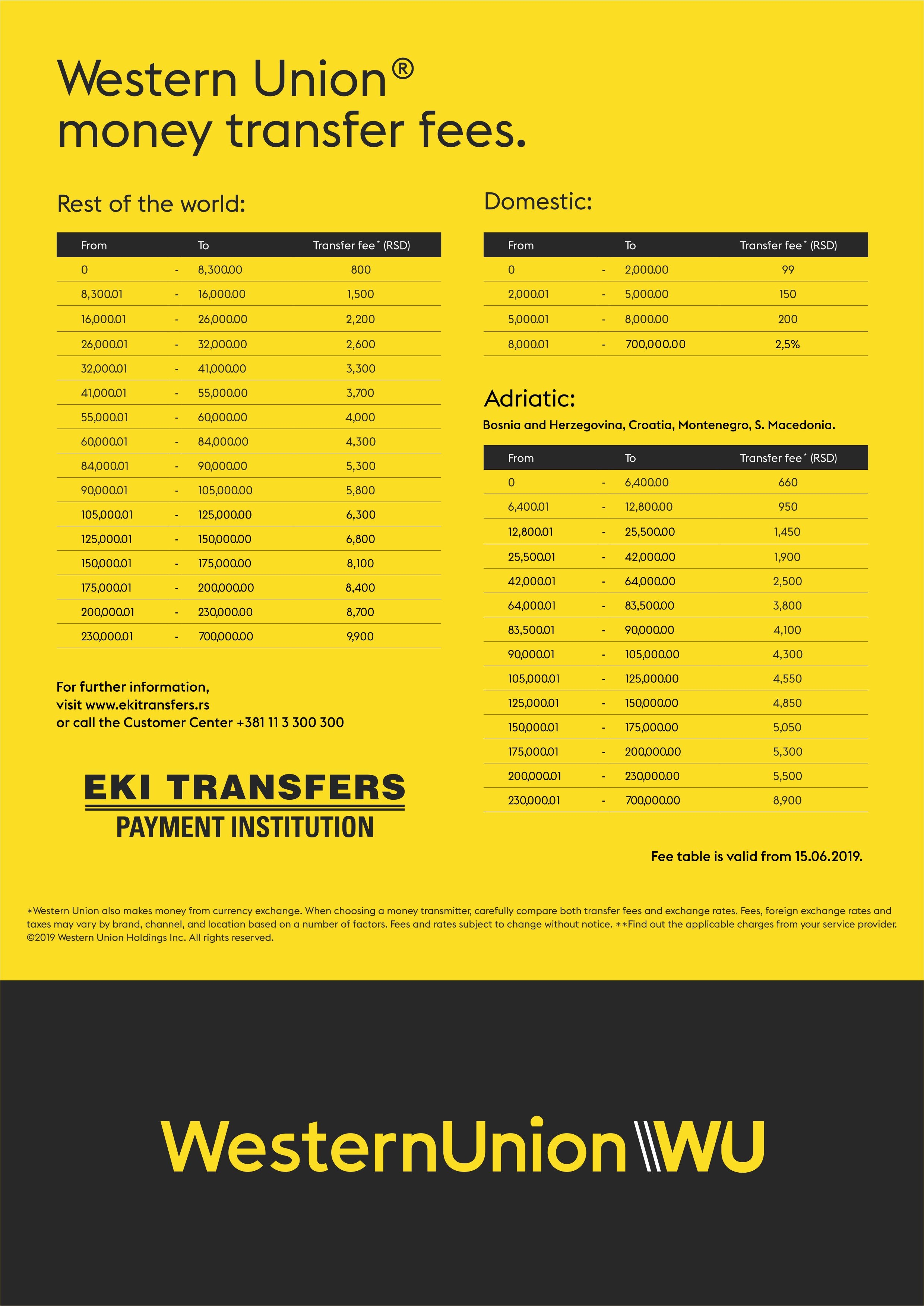
The Western Union price rate refers specifically to the total cost of transferring funds through Western Union’s global network, including both the upfront transaction fee and the currency exchange rate margin applied to the transfer. In 2026, these rates are determined by a complex algorithm that factors in the destination country, the speed of delivery, the payment method (e.g., bank account, debit card, or cash), and the payout method for the recipient.
Understanding the Western Union price rate is critical for both individual remitters and business entities. As of 2026, the global remittance market has become increasingly transparent due to enhanced international financial regulations, yet Western Union remains a dominant player by balancing its massive physical footprint with a refined digital pricing model. To get the most value, one must look beyond the advertised "transfer fee" and scrutinize the "FX margin," which is the difference between the mid-market exchange rate and the rate offered to the consumer.
The Architecture of Western Union Pricing in 2026
The total cost of a Western Union transfer in 2026 is bifurcated into two primary components. First, there is the service fee, which is the transparent cost shown at the beginning of a transaction. Second, there is the exchange rate spread. Western Union, like most international money transfer providers, generates a significant portion of its revenue by offering an exchange rate that is less favorable than the interbank or mid-market rate.
In the 2026 fiscal year, Western Union has streamlined its pricing tiers to remain competitive against neo-banks and decentralized finance protocols. However, the convenience of cash-to-cash transfers—Western Union's historical stronghold—continues to command a premium price rate. Digital-to-digital transfers (sending from the WU app to a mobile wallet or bank account) generally offer the lowest price rates in the current market.
The concept of Total Cost of Ownership (TCO) in remittances is the only accurate way to measure value. Users must calculate the final amount received by the beneficiary in their local currency after all deductions and FX adjustments. A "zero fee" promotion often hides a wider exchange rate margin, resulting in a higher overall price rate for the sender.
Western Union 2026 Fee and Rate Comparison Table
The following table provides a representative breakdown of the Western Union price rate for a 1,000 USD/EUR equivalent transfer across common global corridors as of early 2026. Note that these figures are subject to real-time fluctuations based on market volatility and local regional taxes.
| Transfer Corridor | Payment Method | Payout Method | Estimated Transfer Fee | FX Margin (Approx.) | Total Cost % |
|---|---|---|---|---|---|
| USA to Mexico | Bank Account | Cash Pickup | $0.00 - $2.99 | 1.8% | 1.9% - 2.1% |
| USA to Philippines | Debit Card | Mobile Wallet | $2.99 | 1.2% | 1.5% |
| UK to India | Bank Transfer | Bank Account | £0.00 | 0.9% | 0.9% |
| Germany to Turkey | Cash at Agent | Cash Pickup | €4.90 | 3.5% | 4.0% |
| UAE to Pakistan | App (Bank) | Bank Account | 15 AED | 1.1% | 1.4% |
| Canada to China | Credit Card | Alipay/WeChat | $15.00 | 2.5% | 4.0% |
Factors Affecting the 2026 Western Union Price Rate
The price rate is never static. Several variables influence why a transfer to one country might be significantly more expensive than another. In 2026, Western Union’s dynamic pricing engine prioritizes volume and regulatory compliance costs.
1. Payment and Payout Modalities
The cheapest way to send money in 2026 remains the "Digital-to-Digital" route. When you fund a transfer via a bank account and the recipient receives it in a bank account or mobile wallet, the price rate is optimized. Conversely, "Cash-to-Cash" transfers involve higher operational overhead for physical agent locations, leading to higher fees and wider exchange rate margins.
2. Transfer Speed and "Next Day" Delivery
Western Union offers several speed tiers. "Money in Minutes" is the most expensive service level. If you can afford to wait 0 to 2 business days for a "Value Transfer," the price rate often drops by 30% to 50%. In 2026, real-time payments (RTP) have become more common, but Western Union still maintains a tiered pricing structure for immediate liquidity.
3. Currency Volatility and Liquidity
For major currency pairs (G10 currencies), the exchange rate margin is tighter. For "exotic" currencies or regions with high inflation or low liquidity, Western Union increases the FX margin to hedge against potential losses between the time of the transaction and the time of payout. This is a standard risk-mitigation strategy in the 2026 financial landscape.
Technical Analysis of the Exchange Rate Spread
A common point of confusion for users is why the Western Union exchange rate differs from the rate seen on search engines or financial news sites. The rate seen on news sites is the mid-market rate—the midpoint between the buy and sell prices of two currencies. Western Union adds a "markup" to this rate.
In 2026, the industry standard for "fair pricing" is considered an FX margin under 2% for major corridors. Western Union’s digital platform often hits this target for competitive routes like US-Mexico or UK-India. However, for retail cash transactions, the margin can still exceed 5%. Technical SEO and financial analysts monitor these spreads to determine the true competitiveness of the service.
Understanding the spread requires a simple calculation. Take the mid-market rate and subtract the Western Union offered rate. Divide that difference by the mid-market rate and multiply by 100. This gives you the percentage margin. In 2026, any margin over 3% on a digital transfer should be scrutinized against competitors.
Pros and Cons of Western Union Pricing in 2026
While Western Union may not always offer the absolute lowest price rate, its value proposition includes factors that competitors often lack.
Advantages
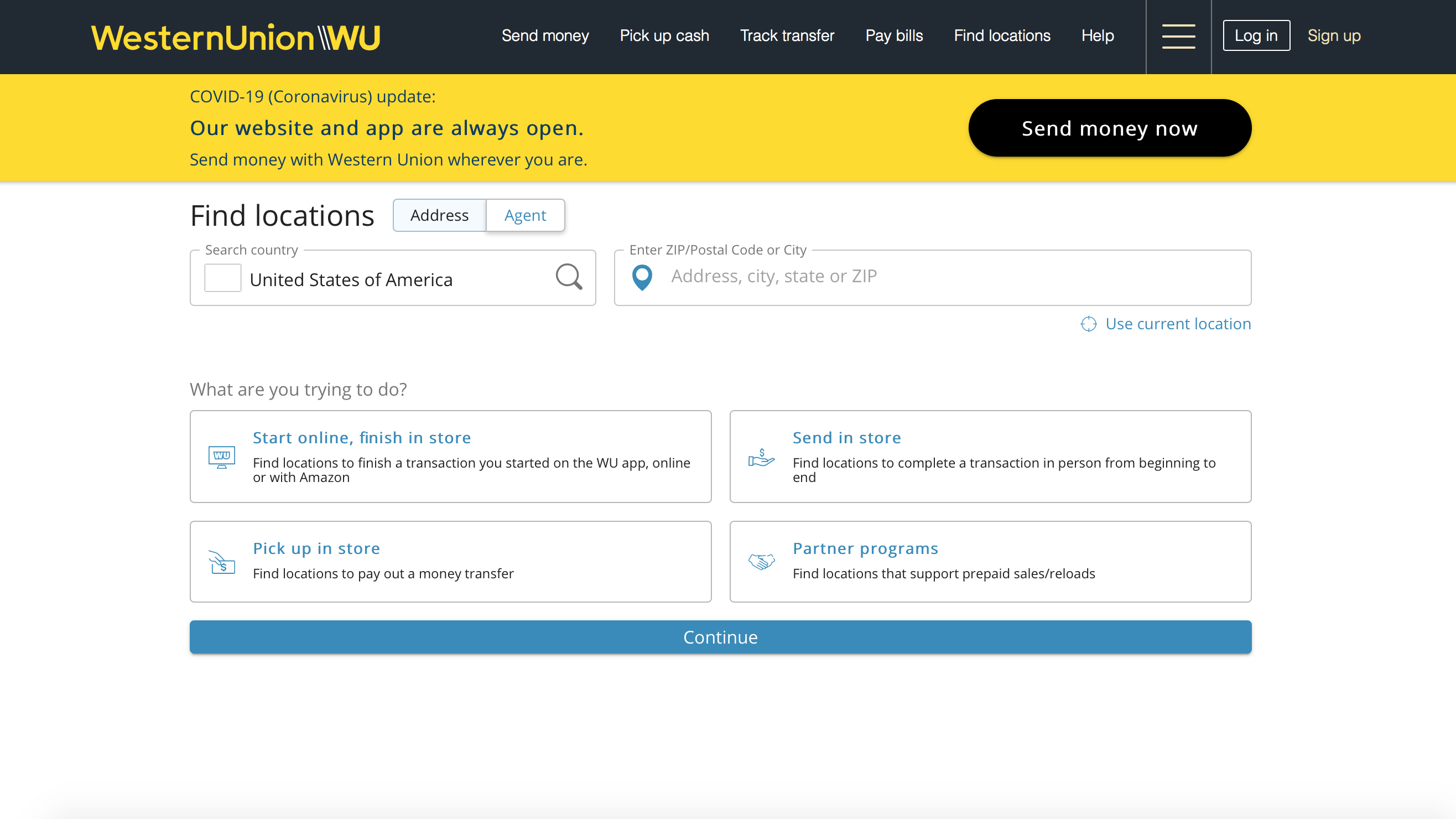
- Global Accessibility: With over 600,000 agent locations in 2026, the ability to send cash to remote areas remains unmatched.
- Reliability and Trust: Decades of operation and high compliance standards ensure funds are secure.
- Multi-Channel Integration: Users can start a transfer on the app and pay in cash at a kiosk, providing flexibility in price rate management.
- Immediate Liquidity: For urgent family needs, the price premium for "Money in Minutes" is often justifiable.
Disadvantages
- Complex Pricing: The combination of fees and FX margins can be opaque for first-time users.
- Credit Card Surcharges: Using a credit card to fund a transfer in 2026 often incurs both a higher Western Union fee and a "cash advance" fee from the card issuer.
- Inconsistent Rates: Prices vary significantly between the online portal and physical agent locations.
Step-by-Step Guide to Getting the Best Western Union Rate
To minimize the total cost of your remittance in 2026, follow this strategic workflow:
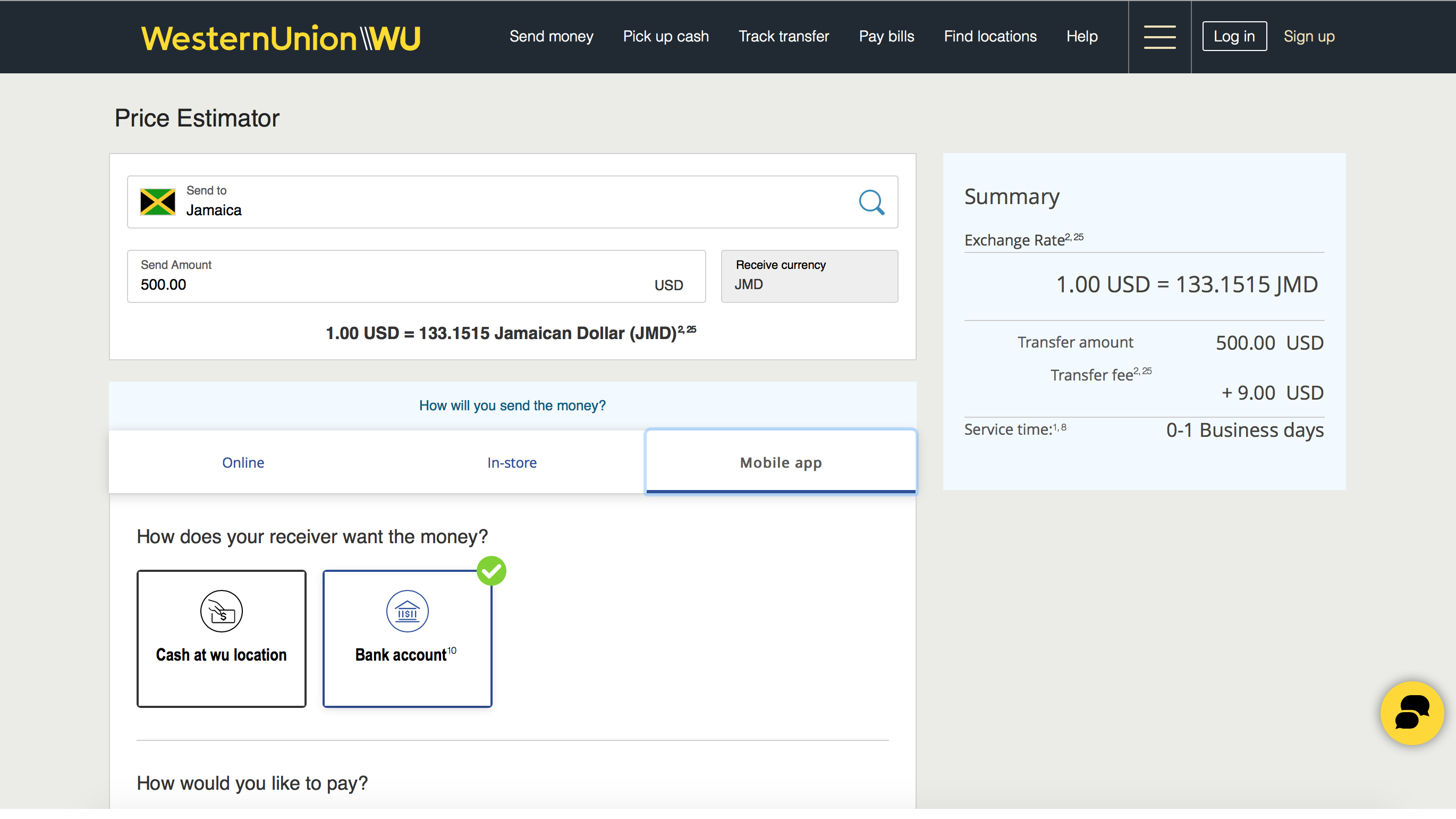
- Use the Western Union Price Estimator: Before logging in, use the public "Price Estimator" tool on the website or app to see the current rate for your specific corridor.
- Select "Bank Account" as the Payment Method: This almost always eliminates or significantly reduces the upfront service fee compared to debit or credit cards.
- Choose "Mobile Wallet" or "Bank Account" for Payout: Digital payouts are incentivized with better exchange rates in 2026 to reduce physical agent traffic.
- Apply "My WU" Rewards: Ensure you are signed into the loyalty program. In 2026, points can be redeemed for 50% to 100% off transfer fees, directly impacting the effective price rate.
- Check for Promo Codes: Western Union frequently runs "Fee-Free" promotions for new users or specific holiday seasons (e.g., Lunar New Year, Diwali, Eid) in 2026.
Expert Insight: The 2026 Remittance Landscape
As a Senior Technical SEO Strategist and Finance SME, I observe that Western Union has successfully pivoted its pricing strategy to defend against "Low-Cost" disruptors. In 2026, Western Union’s investment in blockchain-adjacent settlement layers has allowed them to reduce backend costs, some of which have been passed to the consumer in the form of more competitive digital rates.
However, users must remain vigilant regarding "Dynamic Pricing." This is where the price rate might change based on the time of day or the device used. In 2026, it is recommended to check rates on a desktop browser and the mobile app simultaneously, as targeted app-only discounts are common. Furthermore, regional regulations in 2026 now require Western Union to provide a "Key Facts Statement" in many jurisdictions, which clearly labels the total cost in the sender's currency.
Frequently Asked Questions (FAQ)
How is the Western Union exchange rate calculated in 2026?
The exchange rate is calculated by taking the interbank market rate and adding a variable margin that covers operational costs, currency risk, and profit. This margin varies by country and is typically updated every few minutes during market hours to reflect global currency fluctuations.
Why does the price rate change when I select "Cash Pickup"?
Cash pickup involves physical infrastructure, including agent commissions, security, and cash handling costs. To cover these expenses, Western Union applies a higher service fee and often a slightly less favorable exchange rate compared to digital-to-digital transfers.
Are there any hidden fees in the Western Union price rate?
Western Union is generally transparent about its own fees, but external fees may apply. For example, if you pay with a credit card, the bank may charge a cash advance fee, and some receiving banks may charge an incoming wire fee that is outside of Western Union's control.
How can I track Western Union rates in real-time?
The most accurate way is via the Western Union mobile app, which uses real-time API feeds. You can set up "Rate Alerts" in the 2026 version of the app to receive notifications when a specific currency hits your desired exchange rate target.
Does Western Union offer a price-match guarantee?
In 2026, Western Union does not typically offer a formal price-match guarantee against competitors like Wise or Revolut. Instead, they focus on their network's reliability and the speed of cash delivery as their primary value drivers, though they do offer frequent promotional discounts to stay competitive.
Is the price rate the same at all Western Union agent locations?
No, individual agents (like grocery stores or independent pharmacies) may have different fee structures or may not offer the same promotional rates found on the Western Union corporate website. Digital platforms almost always provide a more consistent and lower price rate than physical locations.
Whether you are sending money for family support, education, or business, the Western Union price rate in 2026 remains a benchmark for the industry. By prioritizing digital payment methods and leveraging loyalty rewards, you can navigate the 2026 fee landscape effectively and ensure more of your money reaches its final destination.