The world record for the heaviest weighted pull-up is currently held by David Marchante, who successfully completed a single repetition with 96.85 kg (213.5 lbs) added to his body weight. Achieving a verified world record in this discipline requires strict adherence to biomechanical standards, including full range of motion, controlled execution, and independent verification of the added load.
Understanding the Mechanics of Weighted Pull-Ups
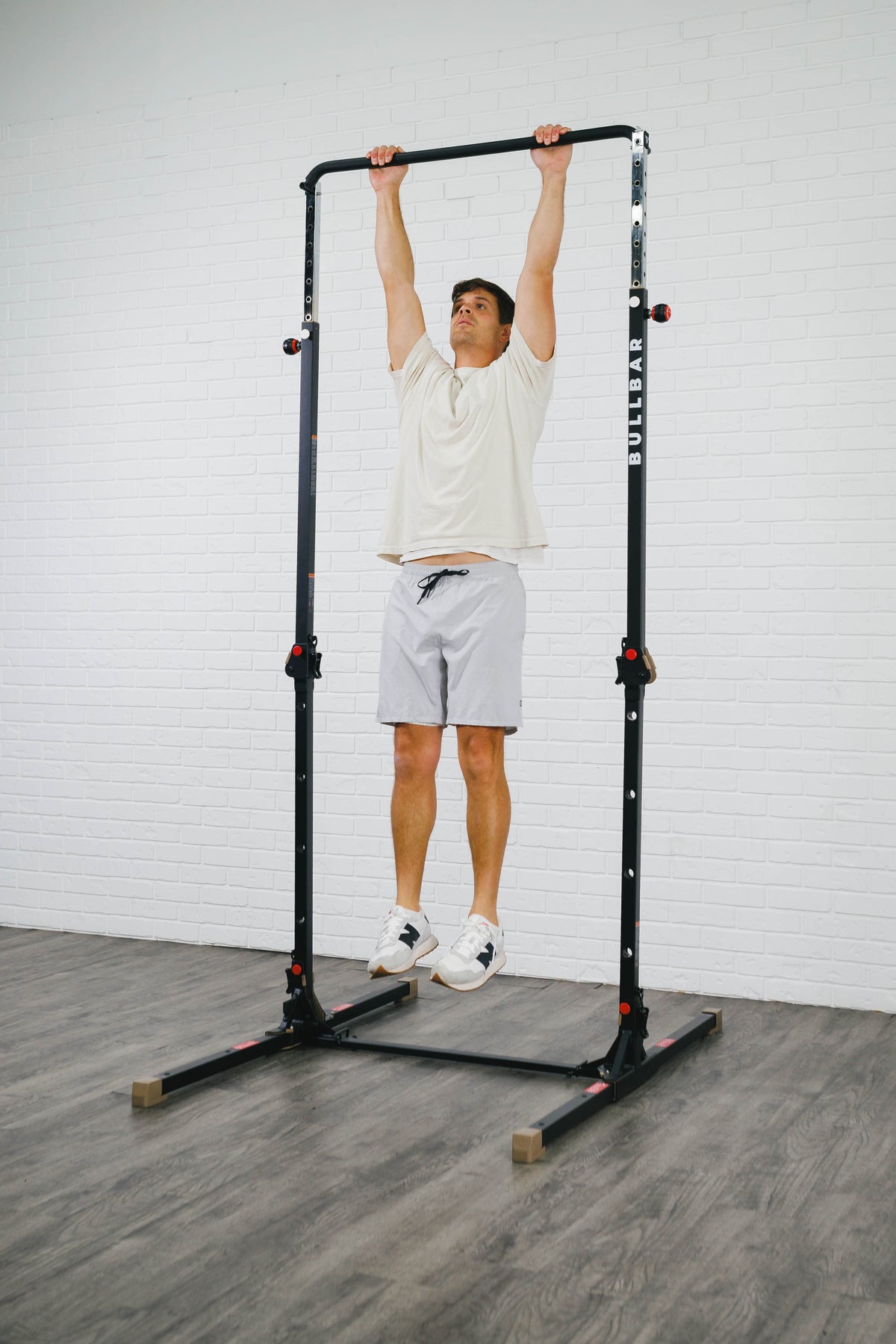
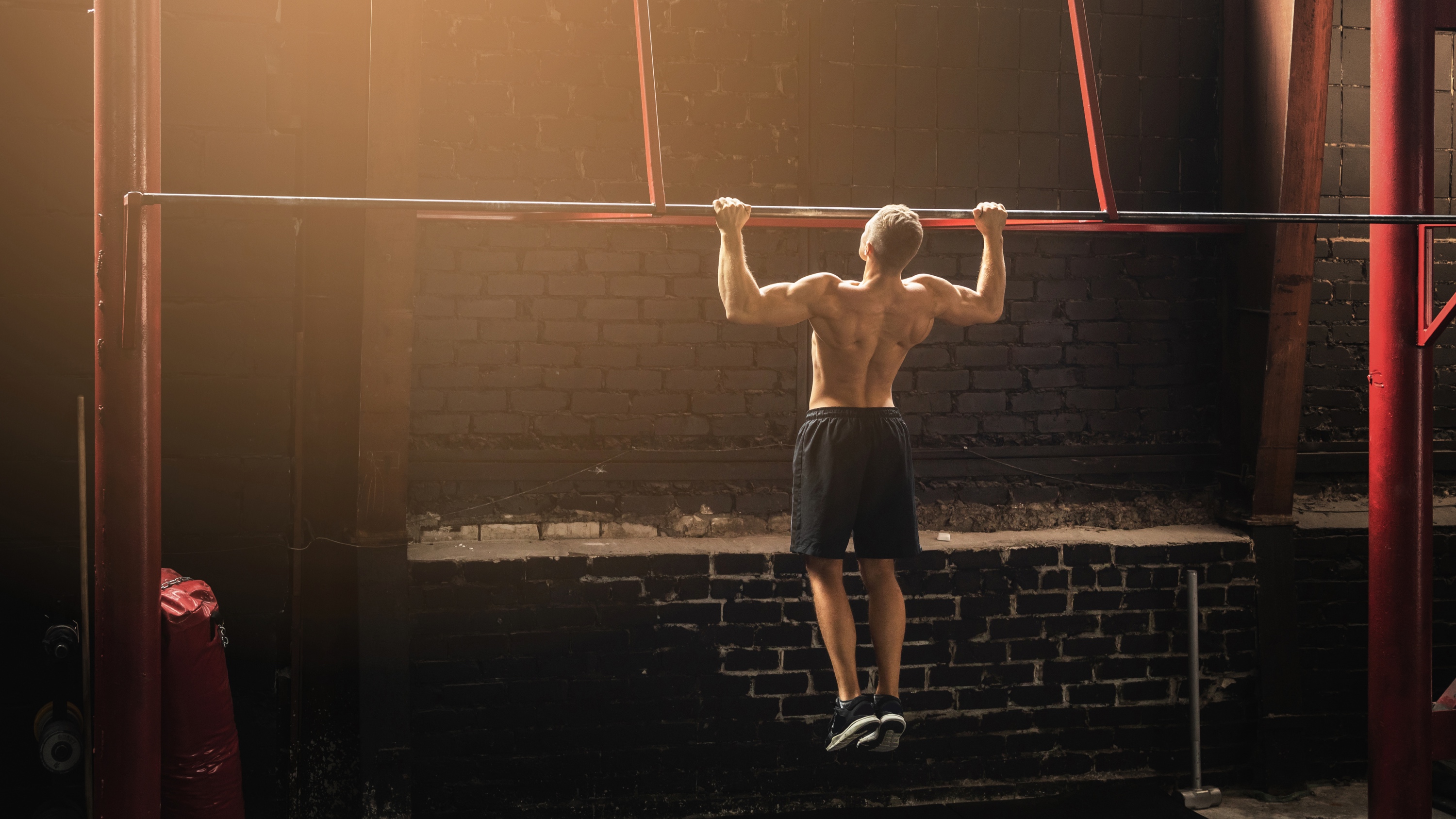
A weighted pull-up is a compound vertical pulling exercise that involves performing a standard pull-up while suspending external resistance, typically via a dipping belt or a weight vest. Unlike a standard bodyweight pull-up, where the primary constraint is relative strength, the weighted variant is a pure display of absolute strength and power-to-weight ratio. The movement begins from a dead hang, where the elbows are fully extended, and concludes when the chin is clearly above the bar.
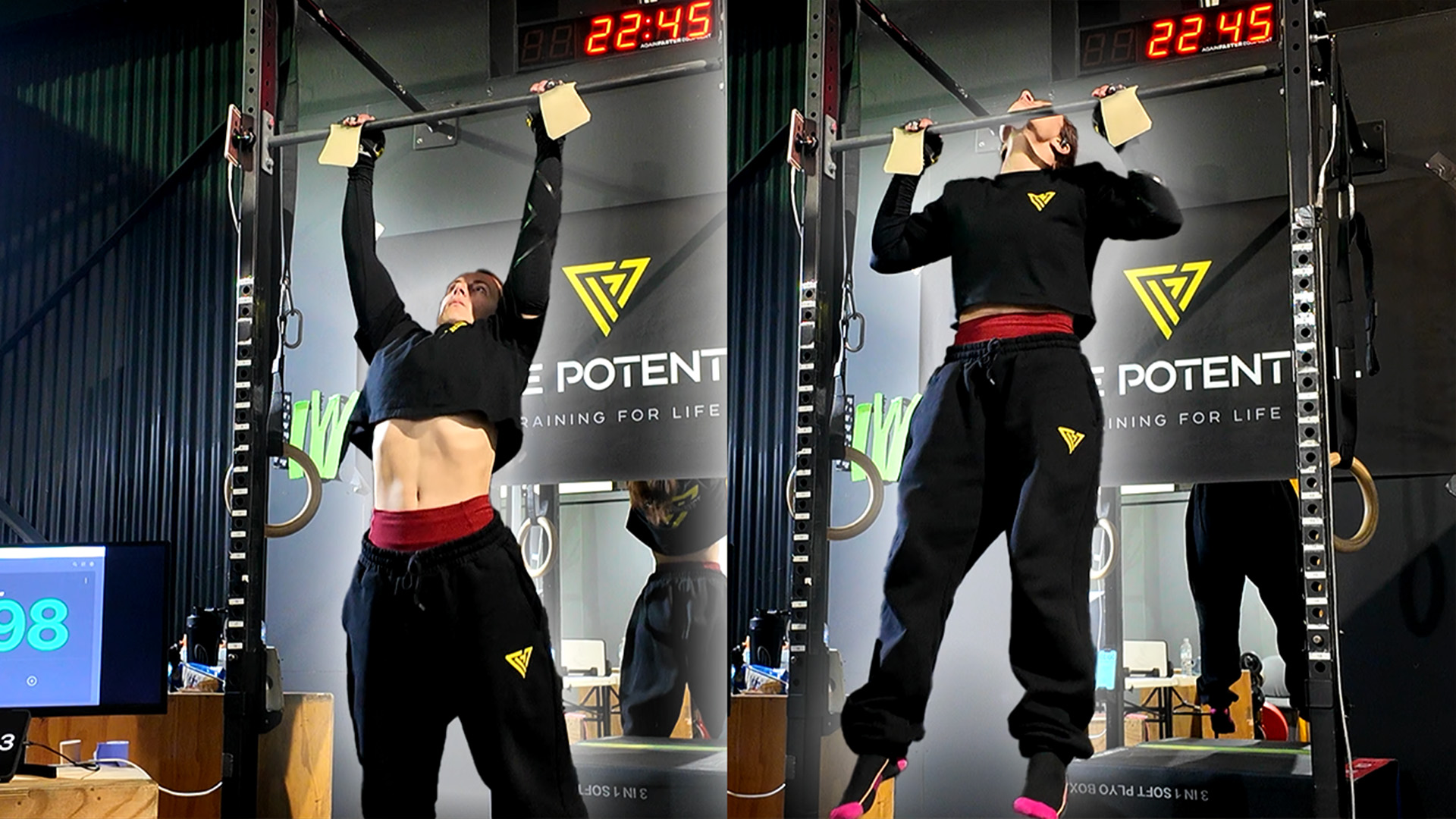
To be considered a legitimate feat of strength by official standards, the movement must be "strict." This means no kipping—the use of momentum generated by the lower body to swing the torso upward—and no excessive leg movement. The goal is to isolate the latissimus dorsi, rhomboids, biceps, and core muscles to move the total load (body weight plus external weight) through a complete vertical displacement.
Standards for Verification and Certification
When athletes attempt to set a world record, they must adhere to rigorous criteria to ensure the feat is replicable and honest. These standards are maintained by various strength federations and official record-keeping bodies. A "verified" record implies that the athlete has complied with the following:
- Load Measurement: The added weight must be measured on a calibrated scale immediately before or after the attempt. The total weight reported is the sum of the external load and the athlete’s body weight, though records are often categorized by the added weight specifically.
- Range of Motion (ROM): The athlete must start from a full dead hang and ascend until the chin passes the horizontal plane of the pull-up bar. Downward movement must be controlled; dropping or "bouncing" off the bottom of the movement invalidates the repetition.
- Equipment Integrity: The equipment, including the bar, the dipping belt, and the weight plates, must meet safety standards. The dipping belt must be secured to prevent the plates from swinging or interfering with the athlete's movement pattern.
- Independent Adjudication: For a record to be officially recognized, independent judges or certified strength officials must witness the attempt. Video evidence is frequently required from multiple angles to ensure the chin clears the bar and no assistance is provided during the ascent.
Comparative Analysis of Record-Setting Feats
Strength standards in weighted pull-ups vary significantly based on the athlete's body mass. An athlete weighing 60 kg performing a 50 kg pull-up is arguably performing a more impressive feat of relative strength than a 100 kg athlete doing the same. Because of this, many organizations separate records into bodyweight-percentage categories.
| Category | Typical Load Relative to Bodyweight | Primary Muscle Emphasis |
|---|---|---|
| Elite Level | 100%+ of Bodyweight | Lats, Biceps, Forearms |
| Advanced | 50%–99% of Bodyweight | Trapezius, Rhomboids |
| Intermediate | 25%–49% of Bodyweight | Upper Back, Core Stability |
| Novice | 0%–24% of Bodyweight | Initial Hypertrophy |
Understanding these tiers helps athletes determine their progression. Most record attempts in the "heaviest" category focus on raw total weight, whereas calisthenics-focused organizations often prioritize the ratio of load to body mass.
Common Technical Mistakes and Safety Considerations
Even elite lifters encounter technical failures that can lead to injury or disqualification. The most common error is the failure to maintain a "hollow body" position. As the load increases, the body naturally tends to compensate by arching the lower back, which shifts the stress from the lats to the lumbar spine. This is not only inefficient but also increases the risk of disc herniation or muscle strains.
Another significant issue is shoulder health. When pulling extreme loads, the rotator cuff is under immense tension. Athletes often overlook the importance of scapular retraction. Before pulling, the scapulae must be depressed and retracted. Failing to do this causes the shoulders to "shrug" into the ears, which shortens the range of motion and limits force production.
Practical Training for Weighted Calisthenics
To progress toward record-level weights, an athlete must treat the pull-up as a heavy barbell lift. This involves periodization—a structured training program that cycles between high-volume (hypertrophy) phases and low-volume, high-intensity (strength) phases.
- Foundation Phase: Spend 4–6 weeks focusing on high-repetition bodyweight pull-ups to build connective tissue density.
- Intensity Phase: Gradually introduce the dipping belt. Start with 10% of your body weight and progress by 2.5 kg to 5 kg increments per week.
- Frequency Management: Because weighted pull-ups place significant strain on the central nervous system, limit maximal attempts to once every 7–10 days.
- Accessory Work: Strengthen the supporting muscles, specifically the brachialis and the lower trapezius, through isolation exercises like hammer curls and face pulls.
Troubleshooting Stagnation
If your progress stalls, it is rarely due to a lack of back strength alone. Often, the bottleneck is grip strength or core tension. If your hands slip, your nervous system will reflexively inhibit muscle recruitment in the upper back. The use of liquid chalk or structured lifting straps can sometimes help bridge the gap, though strict record-keeping bodies may have rules regarding the use of straps. Ensure that your core is engaged throughout the entire pull; if your legs flail, you are leaking force that should be directed into the bar.
Frequently Asked Questions
Does a weighted pull-up record require a specific type of bar?
Yes. Official attempts generally require a standard-diameter, fixed-position straight bar. Using handles, rotating bars, or unconventional grips (such as thick "fat" bars) creates different mechanical advantages and is usually classified under separate record-keeping categories.
Can I count a pull-up where my arms don't fully straighten?
No. A repetition that begins from a "soft" or partially flexed elbow position is disqualified. The movement must initiate from a full dead hang to prove that the athlete is not relying on stored elastic energy from the tendons.
What is the difference between a weighted pull-up and a chin-up record?
The difference lies in the hand position. A pull-up is performed with a pronated (palms facing away) grip, which emphasizes the latissimus dorsi. A chin-up is performed with a supinated (palms facing toward) grip, which places a significantly higher load on the biceps brachii. Record-keeping organizations track these as distinct movements.
Are weight vests preferred over belts for record attempts?
Weight belts are the industry standard for maximum-effort records because they allow for the suspension of heavy loading pins or plates directly underneath the center of gravity. Weight vests are limited by the capacity of the vest and often shift during the ascent, which can make it difficult to maintain a consistent line of pull.
Next Steps for Aspiring Record Holders
If you intend to pursue a verified world record, your first step is to contact a recognized strength federation to obtain their official rulebook. Record-keeping bodies frequently update their technical requirements, including the acceptable angle of the arm relative to the torso and the specific types of weigh-in procedures permitted. Once you are familiar with the regulations, begin documenting your training sessions with high-quality video evidence. This not only allows you to self-correct your form but also creates a verified timeline of your progression that will be essential for official certification when you are ready to perform a sanctioned attempt.