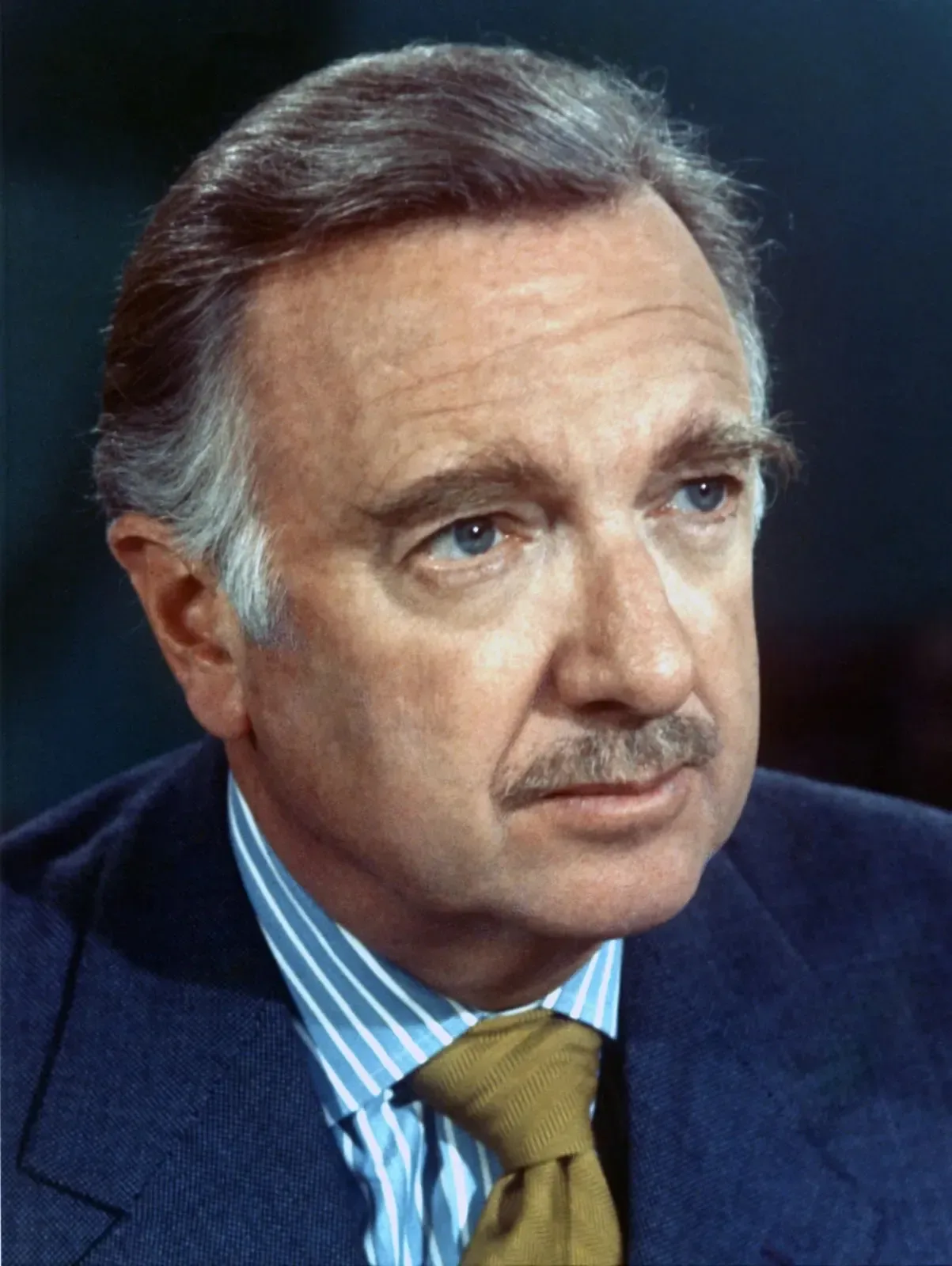
Walter E. Williams was a preeminent American economist, academic, and social commentator whose influence transcended his formal career as a professor. While his personal net worth was never publicly disclosed or verified through estate filings, he built a legacy defined by his tenure as the John M. Olin Distinguished Professor of Economics at George Mason University and his prolific work as a nationally syndicated columnist and guest host for The Rush Limbaugh Show. His economic philosophy, centered on classical liberalism and the virtues of free-market capitalism, remains a cornerstone of contemporary American conservative thought.
Early Life and Academic Foundations
Born in 1936 in Philadelphia, Pennsylvania, Walter E. Williams grew up in the Richard Allen Projects. His path to becoming one of the most prominent economists of the 20th century began at Los Angeles City College, followed by a transfer to California State University, Los Angeles, where he earned a B.A. in economics in 1965. His intellectual rigor was further honed at the University of California, Los Angeles (UCLA), where he obtained both an M.A. and a Ph.D. in economics.
During his formative academic years, Williams was heavily influenced by the Chicago School of Economics, particularly the work of Milton Friedman and Armen Alchian. These influences instilled in him a steadfast belief in the efficiency of price systems and the fundamental importance of individual liberty. His dissertation and early research focused on labor economics, specifically the impact of government intervention and licensing laws on the economic prospects of minority workers. These early inquiries established the trajectory of his lifelong advocacy for deregulated markets.
Career Milestones and Professional Contributions
Williams spent the bulk of his distinguished career at George Mason University, joining the faculty in 1980 and serving as the chairman of the economics department from 1995 to 2001. His academic career was characterized by an uncompromising commitment to the principles of economic freedom. He authored several influential books, including "The State Against Blacks" (1982), "South Africa's War Against Capitalism" (1989), and "More Liberty Means Less Government" (1999).
Beyond his scholarly contributions, Williams was a master of public pedagogy. He believed that economic truths should be accessible to the general public, not confined to ivory tower journals. His syndicated columns appeared in hundreds of newspapers across the United States for decades, and his frequent role as a guest host on The Rush Limbaugh Show brought his insights to millions of listeners. This dual role—as a rigorous academic and a populist communicator—made him a unique figure in the landscape of American public policy.
Key Professional Appointments and Recognitions
| Institution/Role | Nature of Contribution | Significance |
|---|---|---|
| George Mason University | Department Chair/Professor | Anchored his academic output for 40 years. |
| The Rush Limbaugh Show | Guest Host | Popularized free-market principles to a mass audience. |
| The Heritage Foundation | Policy Fellow | Advanced research on civil rights and economic policy. |
| Hoover Institution | Senior Fellow | Provided scholarly platform for economic discourse. |
The Economic Legacy of Walter E. Williams
The economic legacy of Walter E. Williams is centered on his critique of the welfare state and his defense of the free-market system as the most effective engine for poverty reduction. Williams consistently argued that state-mandated social programs often harmed the very populations they intended to assist. He famously contended that government minimum wage laws, occupational licensing, and restrictive labor regulations served as barriers to entry for low-skilled workers, thereby exacerbating unemployment within marginalized communities.
His work on race and economics provided a rigorous empirical challenge to the prevailing sociological narratives of the era. By analyzing market data, Williams demonstrated that discriminatory outcomes were often the result of government interference rather than market failures. His legacy continues to influence libertarian and conservative economic policies, specifically regarding the deregulation of labor markets and the promotion of school choice as a mechanism for socio-economic mobility.
Understanding Net Worth and Financial Status
In the context of public intellectualism, "net worth" is frequently a matter of public curiosity, yet for individuals like Walter E. Williams, wealth was never a component of their public persona or policy advocacy. Williams was not a venture capitalist or a corporate executive; his financial status was derived from his academic salary, book royalties, and fees from speaking engagements and syndication.
Because private individuals and academics are not required to disclose personal financial statements, any figures regarding his net worth remain speculative and unverified. Reliable biographical documentation confirms that his contributions were intellectual and societal rather than financial in nature. Consequently, when assessing the "value" of his career, it is far more accurate to quantify his impact through his published works, his thousands of students mentored at George Mason University, and his success in shifting the needle of public opinion regarding the role of government in economic life.
Challenges to His Economic Philosophy
Throughout his career, Williams faced significant criticism from proponents of the welfare state and those who favored government-led redistribution policies. His critics often argued that his focus on individual responsibility ignored structural systemic barriers that could not be solved by market forces alone. Additionally, his skepticism regarding the efficacy of civil rights legislation—based on his belief that such laws often infringed upon private property rights and freedom of association—sparked considerable debate in academic and public circles.
Despite these challenges, Williams remained consistent in his rhetoric. He often challenged his interlocutors to identify a single instance in history where government control of the economy resulted in sustained prosperity for the masses. This rhetorical technique, which relied on the Socratic method, helped define his pedagogical style and ensured that his ideas remained central to the debate over the size and scope of the American state.
Frequently Asked Questions (FAQ)
What were the primary economic principles championed by Walter E. Williams?
Williams was a staunch proponent of classical liberal economics, emphasizing limited government, the rule of law, individual liberty, and the primacy of the free-market price system. He argued that competition and property rights are the essential requirements for individual prosperity and societal progress.
How did Williams view the impact of government regulation on minority communities?
He argued that government regulations, such as minimum wage laws and restrictive licensing requirements, disproportionately harmed minority workers. He believed these policies artificially raised the cost of labor, effectively pricing low-skilled workers out of the job market and preventing them from gaining essential experience.
Was Walter E. Williams a member of any specific economic school?
Yes, he was deeply associated with the Chicago School of Economics. His academic training and professional outlook were profoundly shaped by mentors such as Milton Friedman and the institutional environment at UCLA, which emphasized neoclassical microeconomic analysis.
What is the most significant book written by Walter E. Williams?
While he authored several influential texts, "The State Against Blacks," published in 1982, is widely considered his most impactful work. It provided a detailed economic analysis of how government policy contributed to the stagnation of black economic progress, challenging the consensus views of the era.
How should one evaluate the "legacy" of a public intellectual?
The legacy of a public intellectual like Williams is best measured by their influence on future scholarship, the impact of their public writing on policy discussions, and the success of the students they mentored. In 2026, his legacy is visible in the continued prevalence of free-market arguments in legislative debates and economic research.
Further Engagement with Economic Theory
To gain a deeper understanding of the arguments presented by Walter E. Williams, one should consult his primary source material rather than summaries. His books remain available through academic libraries and major retailers. For those interested in his specific policy recommendations regarding labor markets, his papers on occupational licensing provide a rigorous starting point for independent research. For students or policy analysts, examining his critiques of the welfare state alongside contemporary economic data offers a valuable exercise in evaluating the durability of classical liberal economic theory in the modern era.