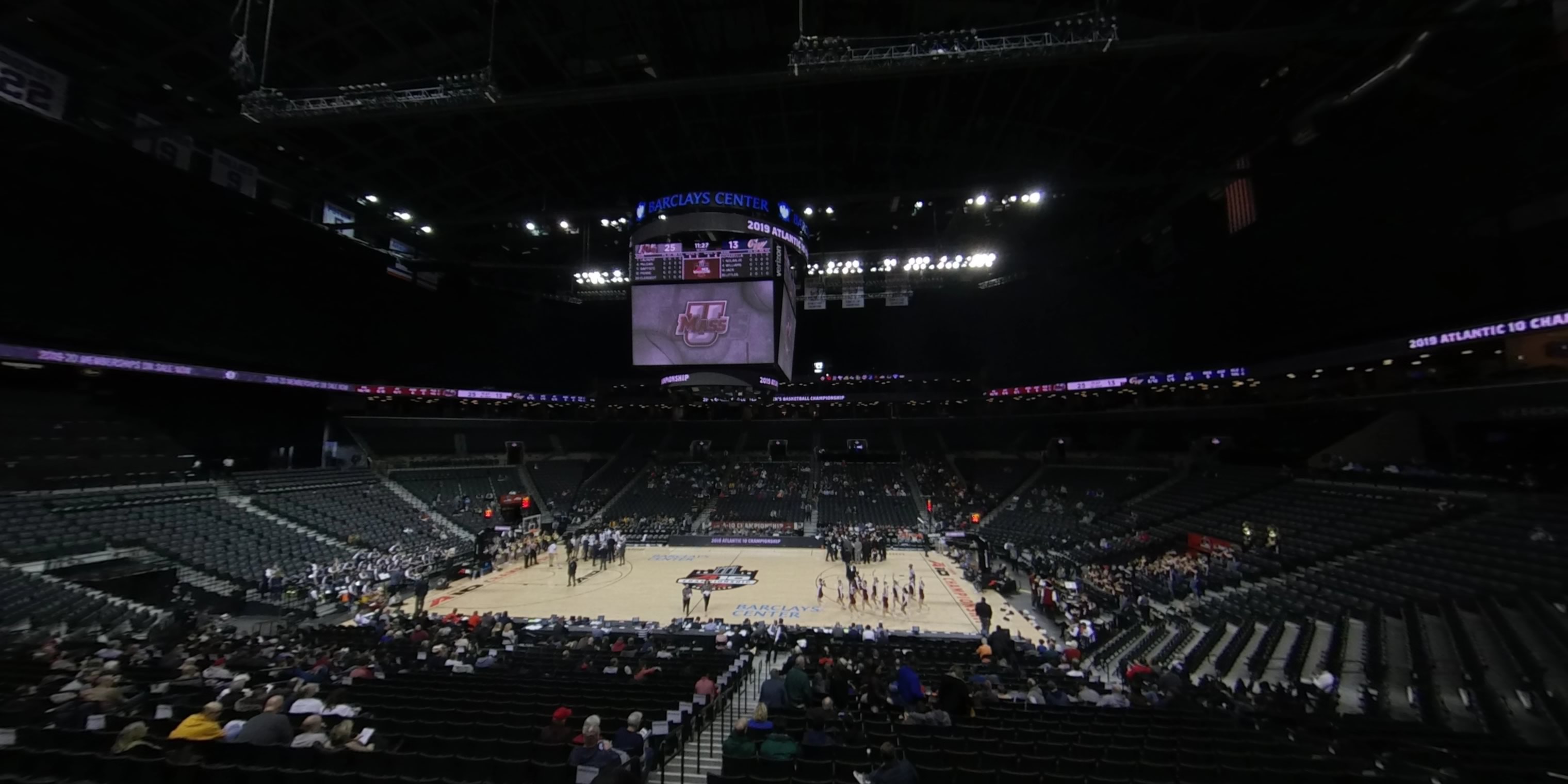
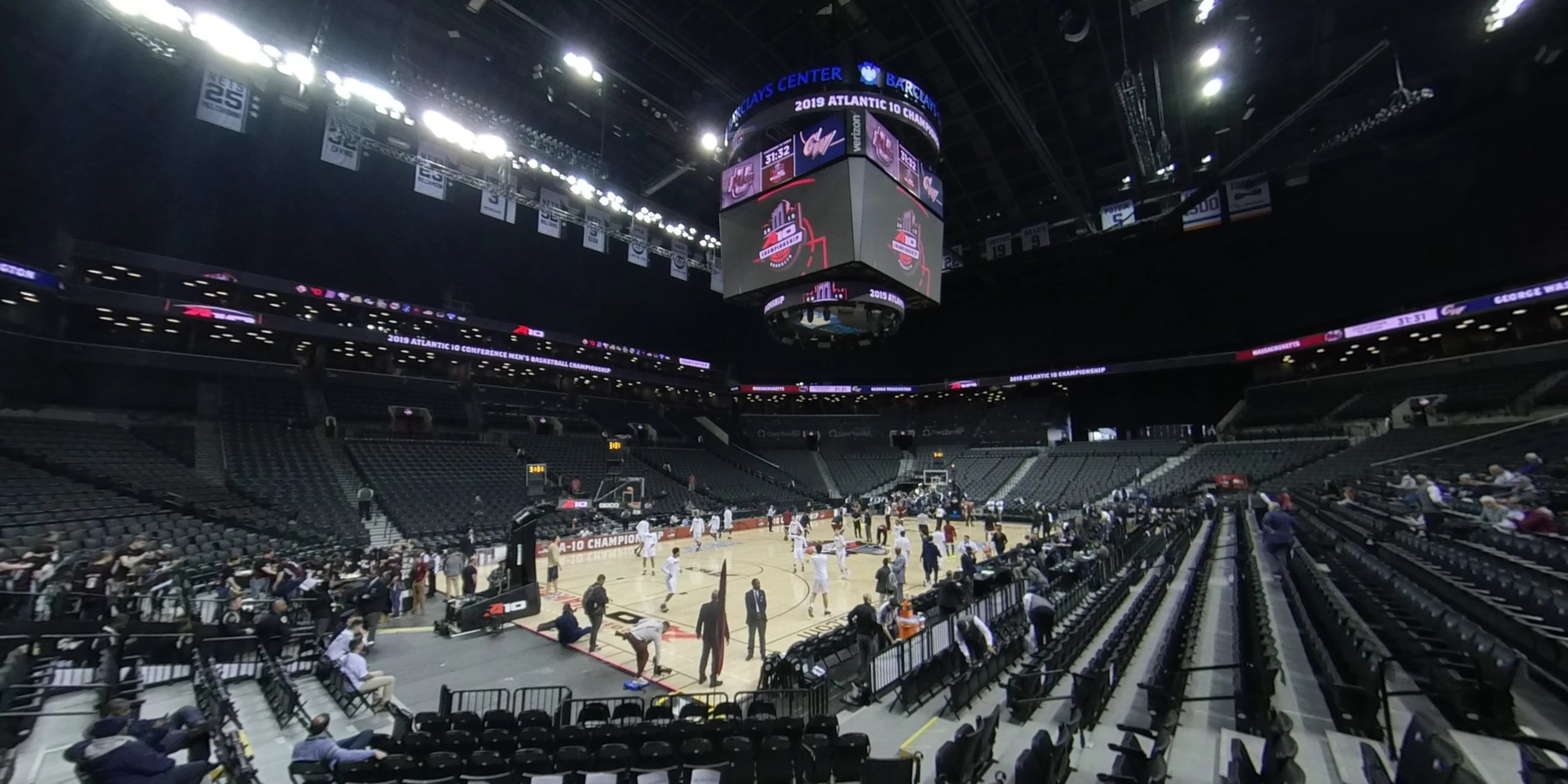
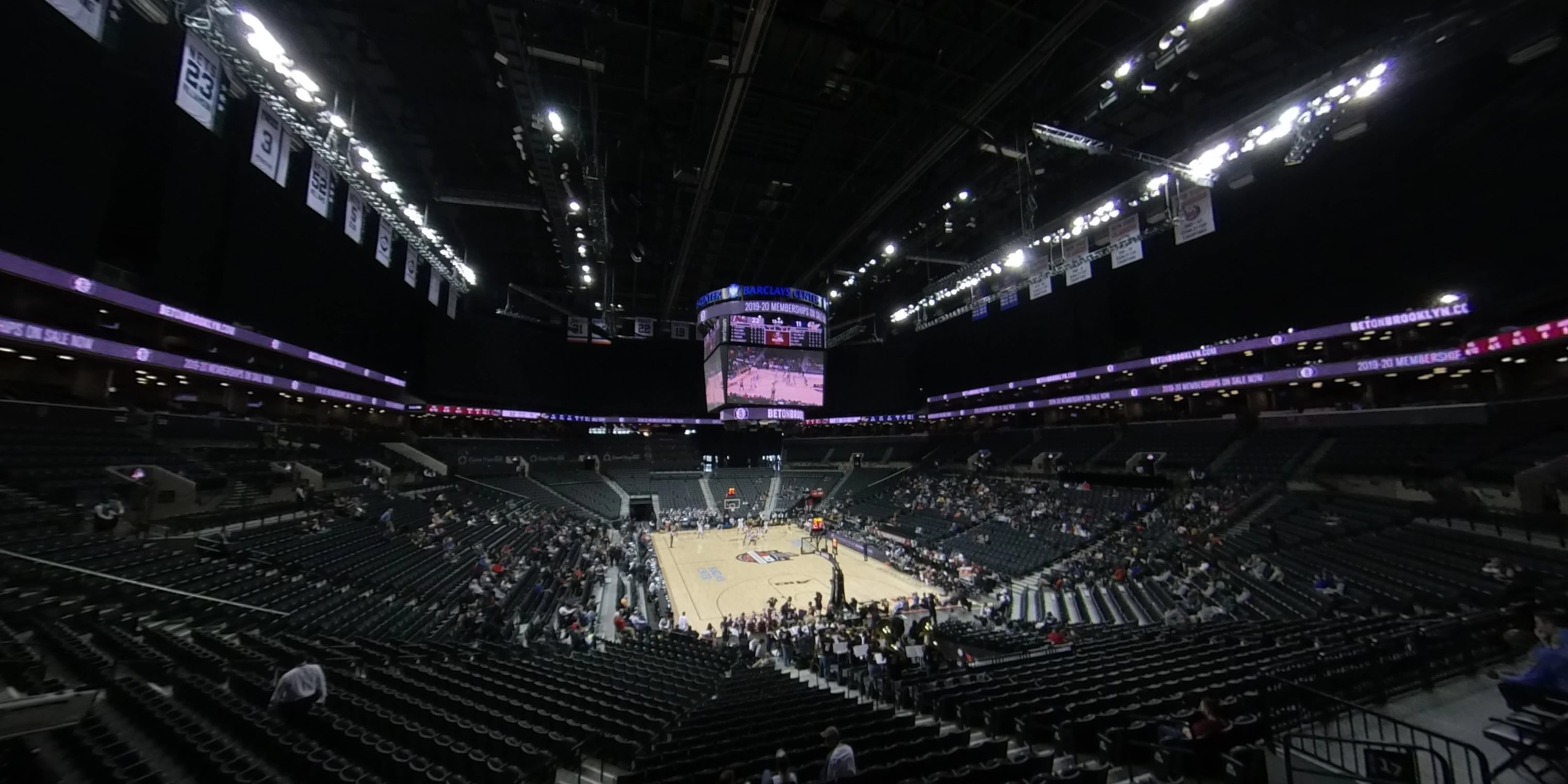
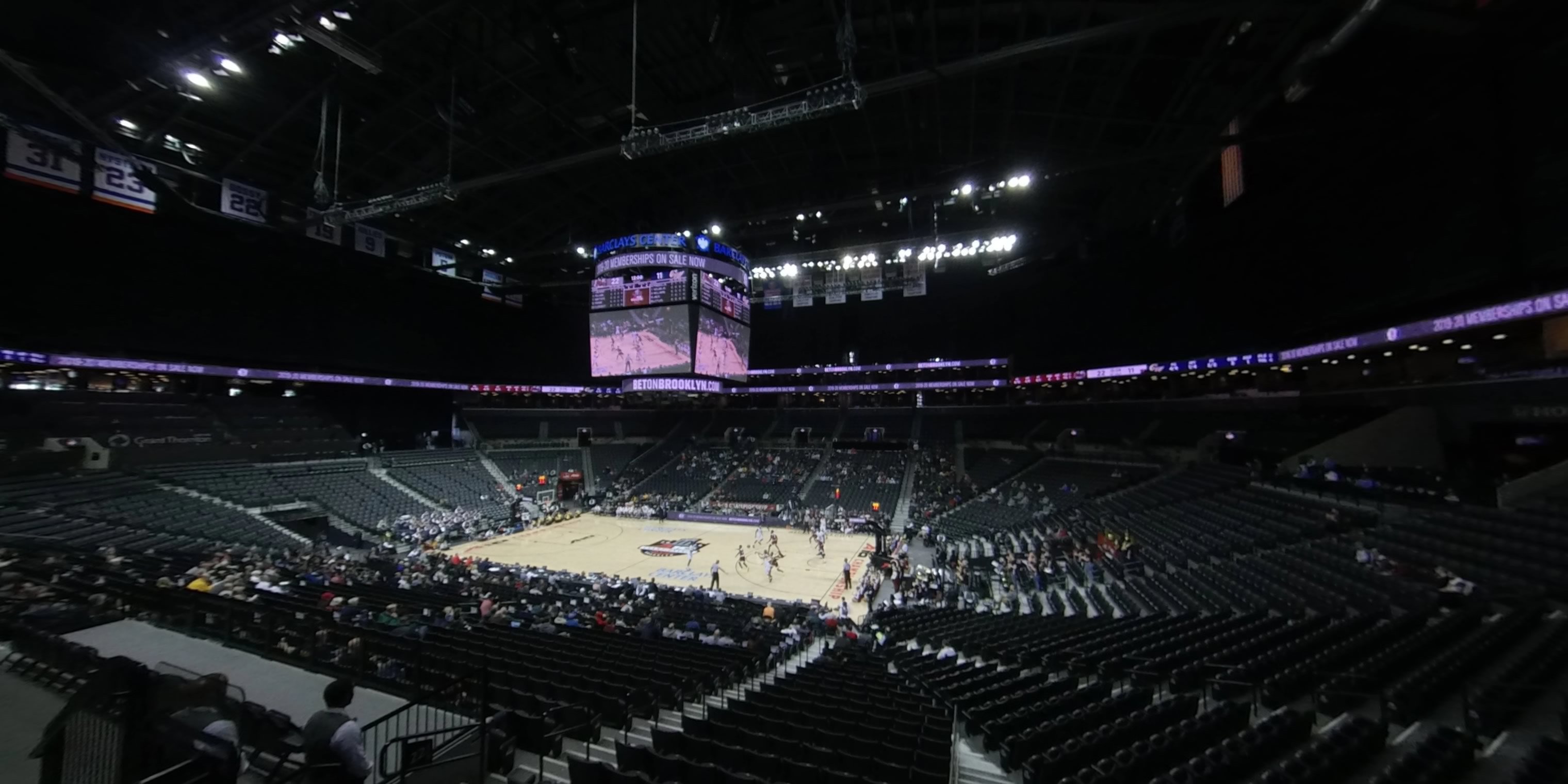
Navigating the seating arrangement of a major multi-purpose arena like the Barclays Center in Brooklyn requires a strategic approach, especially as the venue enters its 2026 event season. Whether you are attending a Brooklyn Nets NBA game, a premier concert featuring global touring acts, a high-stakes professional boxing match, or a family entertainment show, understanding your sightline before purchasing tickets can make or break your live event experience. This comprehensive guide details the technical layout, perspective profiles, and section-by-section breakdown of the Barclays Center to help you secure the ideal vantage point for your specific entertainment budget.
Architectural Layout and Arena Configuration at Barclays Center
Located at 620 Atlantic Avenue in the heart of Brooklyn, New York, the Barclays Center is renowned for its asymmetrical bowl design. Unlike traditional, circular arenas built primarily for standard hockey or basketball setups, the Brooklyn venue was engineered with one lower bowl pushed significantly further back on one side to accommodate its unique transit hub integration and historic urban footprint. This structural nuance means that the seating bowl is anything but uniform, impacting the viewing angles, perceived proximity to the action, and acoustic performance depending on where you sit.
The arena features multiple distinct vertical tiers and specialized hospitality zones designed to cater to varying audience preferences. Understanding the physical distance from the floor, elevation angles, and potential obstructions is critical for first-time visitors and seasoned ticket holders alike.
- Lower Tier (Sections 1 through 31): Offers the closest physical proximity to the floor, court, or stage, wrapping entirely around the main arena bowl.
- Suite Levels: Positioned above the lower bowl, offering elevated, unobstructed views combined with premium hospitality amenities.
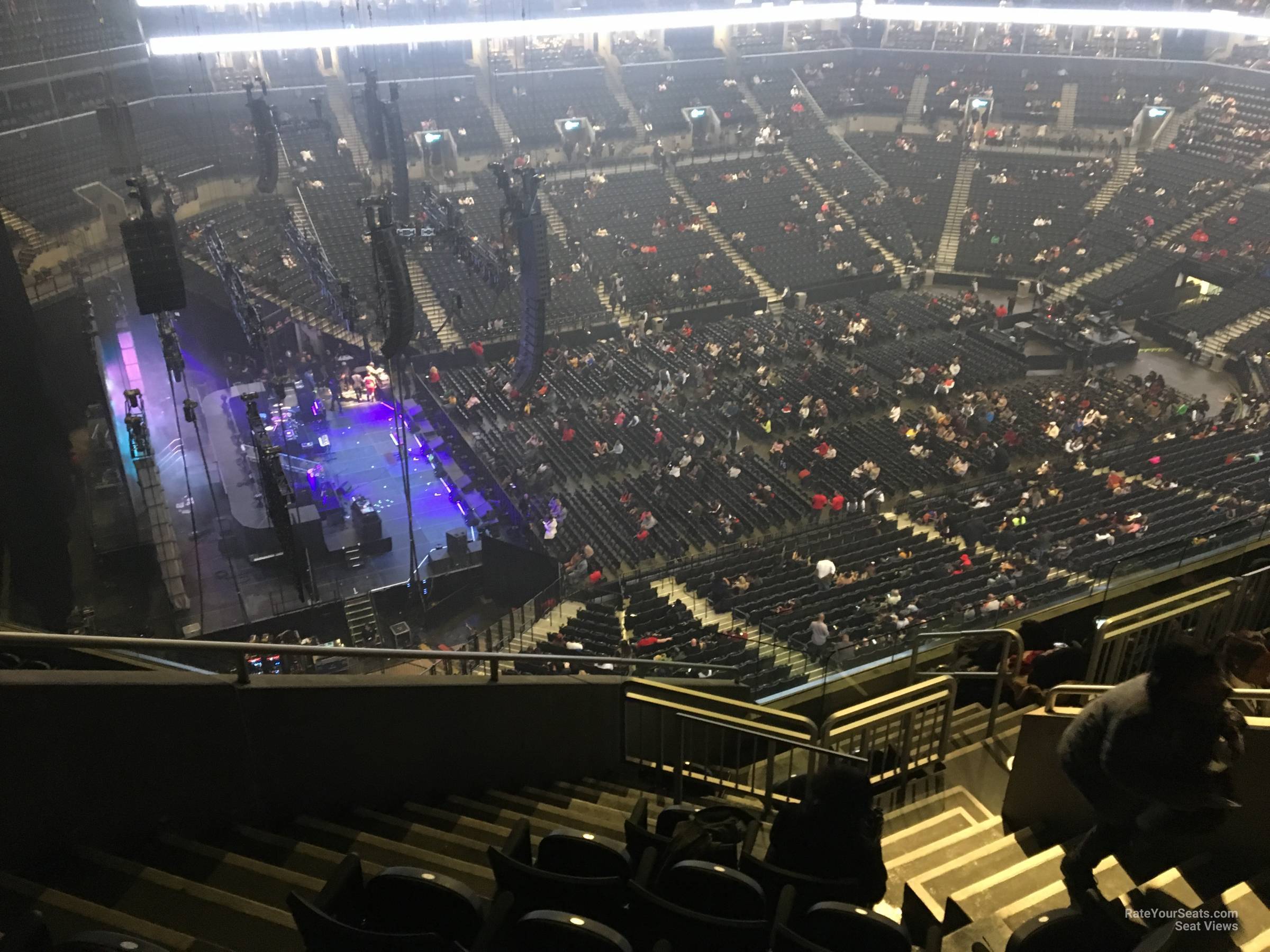
- Upper Tier (Sections 201 through 231): Provides the most economical entry point into the arena, characterized by steeper elevation angles and a bird's-eye perspective of the entire floor.
- Floor Seating: Configured specifically for concerts, combat sports, and special touring events, directly positioned on the arena event deck.
Section-by-Section Sightline Analysis for Basketball and Concerts
When evaluating the view from your seat at the Barclays Center, the primary event type dictates your primary focal point. A section with an exceptional sightline for an NBA basketball game might suffer from extreme side angles or structural obstructions during an end-stage concert production.
Basketball Sightlines (Brooklyn Nets and NCAA Games)
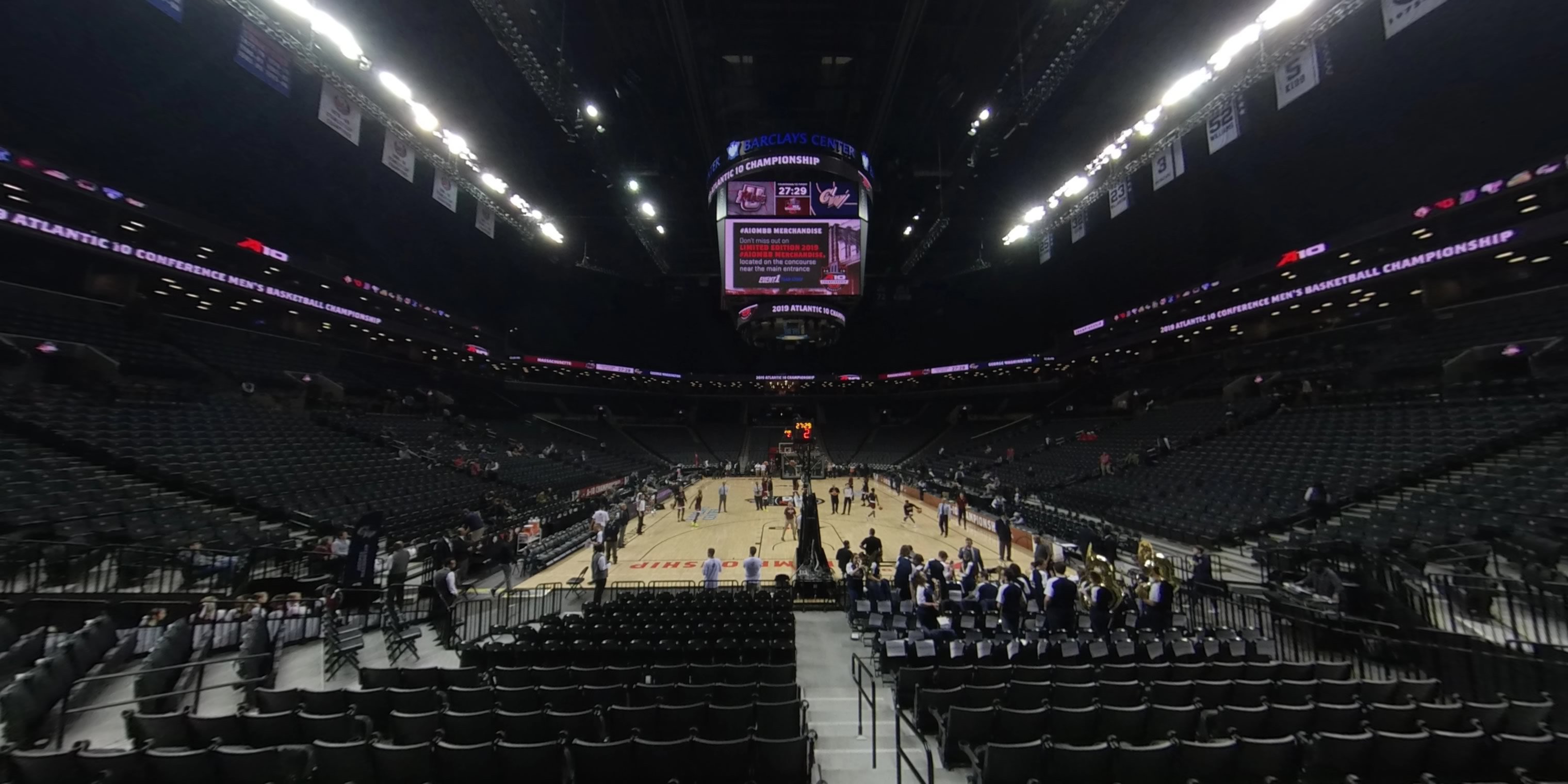
For standard basketball configurations, center-court sections such as Section 7 and Section 23 offer the quintessential broadcast-style perspective. Fans seated here can track plays developing across the entire hardwood without straining their necks. Conversely, baseline sections like Section 1 or Section 15 place you directly behind the baskets or beneath the structural hoops, providing incredible intensity during dunks and drives, though tracking fast breaks moving toward the opposite end of the court requires looking across the entire arena length.
Concert and Performance Sightlines
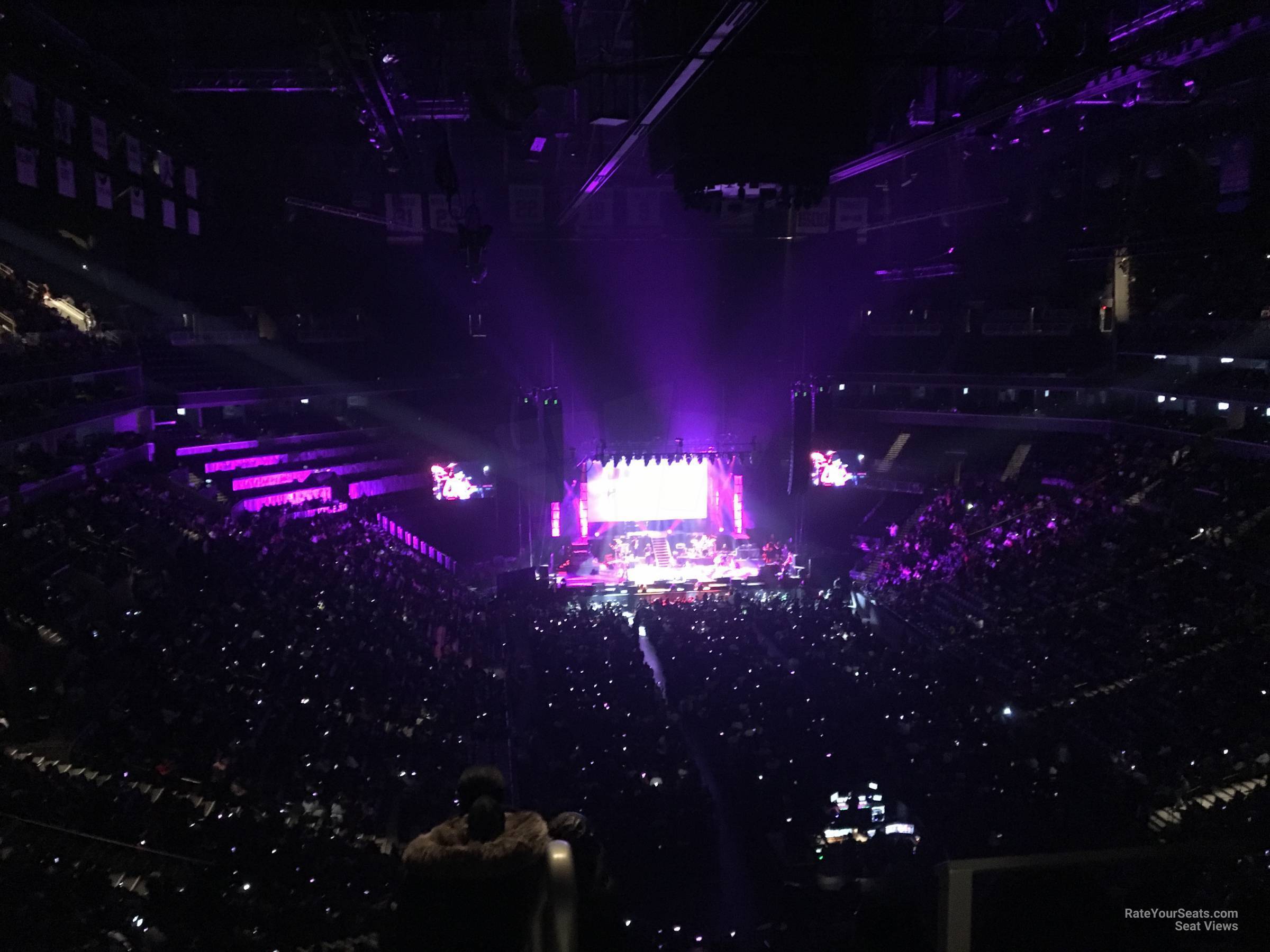
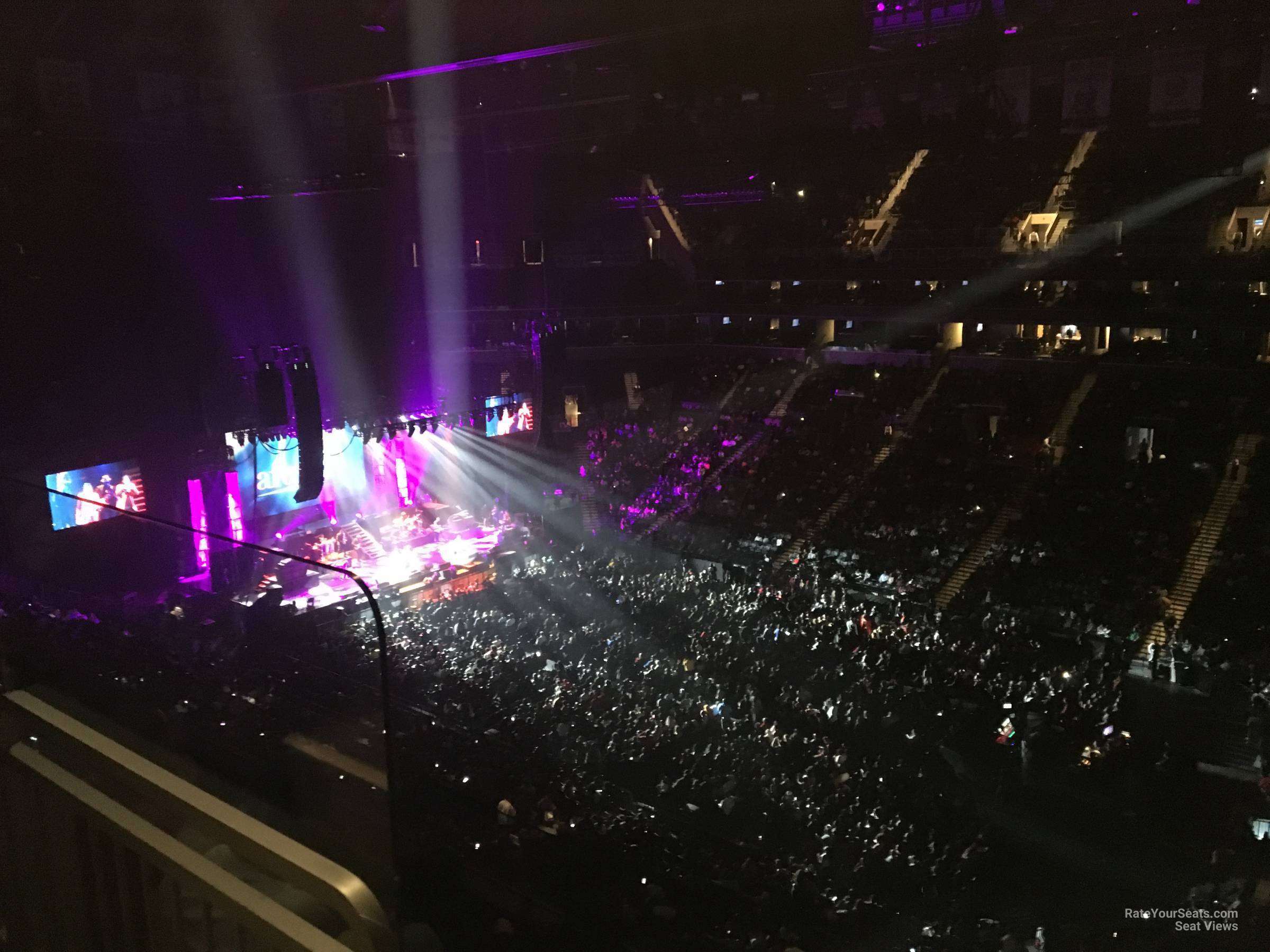
Concert setups at the Barclays Center typically utilize an end-stage configuration, though center-hung configurations are occasionally deployed for 360-degree touring acts. Sections 3 through 5 and Section 25 through 27 sit perpendicular to the standard stage layout, providing a balanced profile. Floor seats labeled Floor A through Floor D put you on ground level, but rows positioned far back on the floor can occasionally suffer from sightline obstruction if taller patrons occupy seats directly in front of you, as the arena floor is completely flat.
Comparative Overview of Barclays Center Seating Tiers
| Seating Tier | Recommended Sections | Pro-Level Advantage | Primary Limitation |
|---|---|---|---|
| Lower Center | Sections 6-8, 22-24 | Maximum proximity, premium atmosphere, ideal TV-style angle | Highest ticket price point, high demand |
| Lower Baseline | Sections 1-3, 14-16 | Unmatched intensity for basketball action under the basket | Obstructed depth perception for plays at the opposite end |
| Upper Center | Sections 202-204, 219-221 | Excellent panoramic view of entire floor, highly cost-effective | Steep incline, significant physical distance from performers |
| Upper Endzone | Sections 210-213 | Budget-friendly pricing, great for overall crowd energy | Extreme height and distance from the primary stage or court |
| Floor Seating | Floor A, Floor B, Floor 1-3 | Physical closeness to the artist or athletes, VIP environment | Flat floor means potential sightline blocks from heads in front |
Pro-Tip on Upper Tier Seating: While upper-deck sections like Section 207 or Section 226 involve a steep climb, they compensate by offering a surprisingly clear, unobstructed look down at the floor without the overhang issues that plague older arenas.
Evaluating Potential Obstructed Views and Overhangs
One of the most frequent concerns for ticket buyers is the presence of obstructed or severely angled views. Because the Barclays Center features a multi-tiered balcony structure, certain rows at the very back of the lower bowl can experience a partial overhang from the suite levels above them. While this rarely blocks the primary floor action, it can cut off your view of high-hanging scoreboard screens, pyrotechnics, or lighting rigs during major concerts.
Furthermore, corner sections (such as Sections 10-12 and 26-28) often feature diagonal sightlines. If you purchase tickets in these zones, verify whether your seat faces straight toward the center or requires you to turn your body sideways for the duration of the event. Always check ticket reseller warnings or official box office disclosures regarding "limited view" or "side stage" classifications before finalizing your purchase.
Step-by-Step Guide to Finding Your Exact Seat Perspective
Before purchasing tickets on secondary marketplaces or through official primary vendors, utilize a systematic verification process to inspect your prospective view.
- Identify the Exact Event Configuration: Confirm whether the event is an end-stage concert, center-stage concert, basketball game, or boxing match, as the stage or court orientation completely shifts perspective.
- Locate the Section, Row, and Seat Number: Note that lower-numbered seats in a given section typically trend toward the adjacent section with the lower number. For instance, in Section 8, Seat 1 is closer to Section 7.
- Consult Interactive Virtual Venues: Access the official Barclays Center seating map or verified fan-submitted seat view databases to review user-uploaded photographs taken from your exact row and section.
- Check for Handrail or Camera Well Obstructions: Review the row numbers to ensure you are not sitting directly behind a safety railing, ADA platform, or television camera well that could disrupt your line of sight.
- Cross-Reference Pricing and Value: Weigh the visual trade-off of higher upper-deck rows against the substantial cost savings compared to floor or lower-bowl tickets.
Frequently Asked Questions About Barclays Center Seating
Which sections offer the best overall view for a Brooklyn Nets game?
Sections 7 and 23 provide the absolute best center-court perspective, mirroring a professional television broadcast angle. These seats allow you to observe offensive and defensive schemes develop evenly across the entire court.
Are there completely obstructed view seats at the Barclays Center?
Yes, certain extreme side-stage sections for concerts or seats located directly behind structural rigging and scaffolding are sold as obstructed view. Always review explicit venue disclosures on ticketing platforms before completing a transaction.
Do upper-tier seats have an overhang blocking the scoreboard?
Generally, the upper tier (the 200 level) is high enough that the suite overhang does not obstruct the main center-hung scoreboard. However, the very top rows of the lower bowl (the 100 level) can occasionally experience visual interference from the lower edge of the suite level overhang.
Is floor seating at the Barclays Center elevated?
No, standard floor seating configurations for concerts and combat sports are placed on a completely flat surface. Shorter attendees may experience sightline challenges if taller individuals are seated directly in front of them in floor rows.
How can I verify my view before buying resale tickets?
You can cross-reference the section, row, and seat details on dedicated fan-sourced stadium view databases or the interactive seating platform provided directly through the official Barclays Center ticketing portal.
What is the easiest way to access the upper level concourse?
The main concourses are accessible via the primary escalators and elevators located near the main Atlantic Avenue entrance atrium, providing direct flow to both lower and upper bowl entry portals.
Maximizing Your Event Experience
Securing the right seat transforms a standard outing into an unforgettable live entertainment memory. By understanding the unique architectural traits of the Barclays Center, auditing your sightlines against the specific event configuration, and cross-referencing row-by-row perspectives, you can eliminate guesswork and lock in the exact vantage point that matches your preferences and budget for your next Brooklyn event.