The UnitedHealthcare (UHC) Provider Portal represents the primary digital interface for one of the world’s largest healthcare delivery networks. As of 2026, the platform has evolved from a simple repository for claim status into a sophisticated, AI-driven ecosystem designed to facilitate real-time interoperability and administrative precision. This guide focuses specifically on the professional administrative portal (UHCprovider.com) utilized by clinics, hospitals, and ancillary providers, rather than the member-facing "myuhc" consumer applications.
The 2026 iteration of the portal integrates deeply with Electronic Health Record (EHR) systems via FHIR (Fast Healthcare Interoperability Resources) APIs, reflecting the federal mandates for streamlined prior authorizations and transparent data exchange. For healthcare administrators, mastering this portal is no longer optional; it is a fundamental requirement for maintaining healthy revenue cycle management and ensuring patient access to care across UHC’s diverse product lines, including Commercial, Medicare Advantage, and Community Plan (Medicaid) offerings.
Advanced Technical Architecture and System Integration in 2026
The technical infrastructure of the UHC Provider Portal in 2026 is built on a modular, cloud-native framework that prioritizes uptime and data security. Unlike legacy versions, the current portal requires modern browser standards to support high-density data visualizations and real-time communication tools.
Administrative leads must ensure that local practice environments meet the following 2026 technical specifications for optimal performance:
- Security Protocols: Access is strictly governed by multi-factor authentication (MFA) utilizing biometric or hardware-token verification. This aligns with the 2026 NIST standards for protecting Protected Health Information (PHI).
- API Integration: The portal now serves as a hub for the "Prior Authorization API," as mandated by the CMS-0057-F final rule. This allows for direct data exchange between the provider’s EHR and UHC’s adjudication engine.
- Browser Compatibility: Full support is limited to the latest versions of Chromium-based browsers (Edge, Chrome) and Safari. Legacy support for Internet Explorer has been entirely deprecated to maintain 2026 cybersecurity compliance.
Security Governance Framework 2026
Practice managers should appoint a designated Primary Access Administrator (PAA) who is responsible for quarterly audits of staff access levels. This role is critical for maintaining HIPAA compliance and ensuring that former employees are immediately offboarded from the portal ecosystem. The PAA manages permissions for sensitive modules such as Electronic Remittance Advice (ERA) and Electronic Funds Transfer (EFT) enrollments.
Streamlining Revenue Cycle Management and Claim Adjudication
The 2026 portal has significantly reduced the "clean claim" turnaround time by implementing front-end scrubbing tools that identify coding errors before a claim is officially submitted. The Track Claims tool provides a granular view of the adjudication process, including real-time status updates that categorize claims as received, pended, denied, or processed.
Key features of the 2026 Claim Management suite include:
- Smart Appeals: An AI-assisted module that identifies missing documentation required for denied claims. It provides a specific list of necessary clinical notes or images, reducing the traditional "back-and-forth" mail cycle.
- Real-Time Eligibility: Utilizing the 270/271 EDI transaction standard, providers can verify patient benefits, including remaining deductibles and out-of-pocket maximums, in less than two seconds during the patient check-in process.
- ERA/EFT Management: The 2026 portal centralizes the management of 835 files, allowing for automatic reconciliation of payments into the practice’s financial software.
Comparison of 2026 Digital Tools vs. Legacy Administrative Processes
| Feature | Legacy Manual Process (Pre-2024) | 2026 Integrated Portal Platform |
|---|---|---|
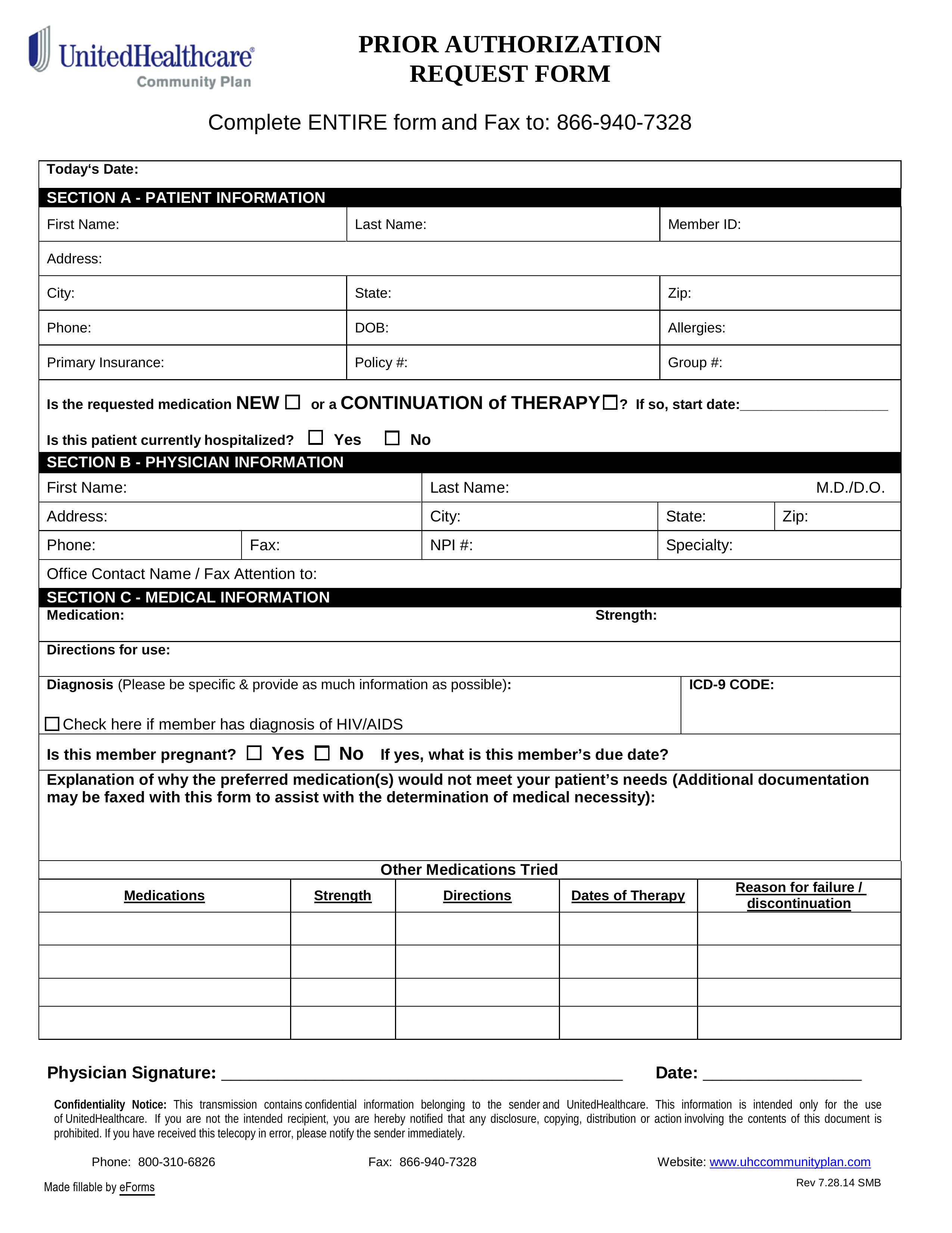
| Prior Authorization | Fax-based; 7-14 day wait times | API-driven; Real-time or <72 hours |
| Eligibility Verification | Telephone IVR / Manual Login | Automated EHR-integrated API |
| Claim Correction | Paper-based resubmission | Digital "Claim Correction" tool with auto-scrub |
| Document Submission | Standard Mail or Fax | High-speed digital upload (PDF/DICOM) |
| Network Status | Semi-annual paper directories | Real-time dynamic "Find a Provider" sync |
| Provider Onboarding | 90-120 days via paper forms | 30-45 days via Digital Credentialing |
Navigating the 2026 Prior Authorization and "Gold Carding" Framework
One of the most significant shifts in the 2026 UnitedHealthcare Provider Portal is the implementation of "Gold Carding" programs. These programs reward high-performing providers who consistently follow evidence-based clinical guidelines with reduced prior authorization requirements.
To manage authorizations in 2026, providers use the "Prior Authorization and Notification" tool. This module provides immediate feedback on whether a specific procedure code (CPT) requires clinical review for a specific plan type. Under the 2026 CMS mandates, UnitedHealthcare is required to provide "real-time" decisions for many services and expedited decisions within 72 hours for urgent requests.
The portal provides a dashboard specifically for tracking authorization metrics. Providers can view their "Approval Consistency Rating," which influences their eligibility for Gold Carding status. Maintaining a high rating requires meticulous documentation within the clinical notes uploaded via the portal’s secure attachment feature.
Comprehensive Network Participation and Payer Specifics
UnitedHealthcare operates several distinct networks, each with unique operational requirements accessible through the portal. In 2026, the portal’s interface dynamically adjusts based on the selected tax identification number (TIN) and the specific network contract.
- UHC Commercial: Covers Choice, Choice Plus, and Options PPO. These plans typically utilize the standard adjudication engine with a focus on employer-sponsored benefit packages.
- UHC Medicare Advantage: These plans are subject to 2026 CMS Star Rating requirements. The portal provides "Gap in Care" reports that alert providers to missing screenings (e.g., mammograms, colorectal screenings) for their Medicare patients.
- UHC Community Plan (Medicaid): State-specific rules apply. The portal integrates local state mandates for Managed Medicaid, including specific EPSDT (Early and Periodic Screening, Diagnostic, and Treatment) tracking for pediatric populations.
- UnitedHealthcare West: Focused on delegated risk models and HMO products. Providers in this network must use the portal to manage referrals to specialists, which remains a mandatory requirement for HMO plan compliance in 2026.
Troubleshooting and Technical Support Protocols
Despite the high level of automation in 2026, technical hurdles can occur. The UnitedHealthcare Provider Portal offers a multi-tier support system to resolve issues without necessitating long telephone wait times.
Operational Troubleshooting Workflow
Tier 1: Intelligent Search and Virtual Assistant Utilize the "Chat with an Advocate" feature. In 2026, this is powered by a healthcare-specific LLM that can resolve 85% of eligibility and claim status queries immediately.
Tier 2: Secure Digital Inquiry For complex claim denials, use the "Message Center." This creates a tracked ticket that is assigned to a human specialist. Response times in 2026 are guaranteed within 24 business hours.
Tier 3: Technical Help Desk For portal login issues or MFA failures, the Technical Help Desk provides direct support for Primary Access Administrators. This is strictly for system access issues rather than clinical or billing disputes.
Expert Insight: Maximizing Portal ROI in a 2026 Practice
From a strategic SEO and administrative perspective, the most successful practices in 2026 are those that move away from the web-based "point and click" interface and toward "headless" integration. By leveraging the portal’s API keys, practices can feed UnitedHealthcare’s data directly into their internal business intelligence tools.
Practices should prioritize the "Practice Readiness" section of the portal. This area provides training modules for new staff and updates on 2026 coding changes (ICD-11 updates where applicable). Regularly checking the "News and Bulletins" section is essential, as UnitedHealthcare uses this to communicate monthly changes to Medical Policy and Prior Authorization requirements, which can impact reimbursement if missed.
Frequently Asked Questions
How do I regain access if my 2026 MFA token is lost?
The Primary Access Administrator (PAA) for your practice can reset your multi-factor authentication (MFA) credentials directly through the "User Management" dashboard. If you are the sole PAA, you must contact the UHC Technical Help Desk and provide verified credentials to reset the administrative account.
Are 2026 prior authorization decisions truly instantaneous?
For many routine procedures, the 2026 portal utilizes an automated clinical review engine that provides an "Approved" or "Pending Clinical Review" status within seconds of submission. However, complex surgeries or non-standard treatments still require a manual review by a UHC Medical Director, which must be completed within the 2026 CMS-mandated timeframes.
Can I manage multiple Tax ID Numbers (TINs) under one portal login?
Yes, the 2026 portal supports "Multi-TIN" access for billing services and large health systems. The PAA must link each TIN to the central account, and users can toggle between different practices using the dropdown menu in the upper-right corner of the dashboard.
Does the 2026 portal support ICD-11 coding?
The UHC Provider Portal is fully updated to support ICD-11 coding standards as they are adopted by the industry in 2026. The claim submission tool includes a smart-search feature to help billers select the most specific code, reducing the likelihood of a denial for "Medical Necessity" or "Incomplete Coding."
What is the 2026 "Gold Carding" status and how do I see mine?
"Gold Carding" is a status granted to providers with a high approval rate for prior authorizations over a 12-month period. You can view your current status and the specific metrics (e.g., adherence to clinical pathways) in the "Performance and Insights" tab of the portal.
Efficient use of the UnitedHealthcare Provider Portal is the cornerstone of administrative success in 2026. By embracing the API-first approach and the integrated clinical tools provided, healthcare organizations can ensure faster payments, fewer denials, and a better overall experience for the patients under their care.