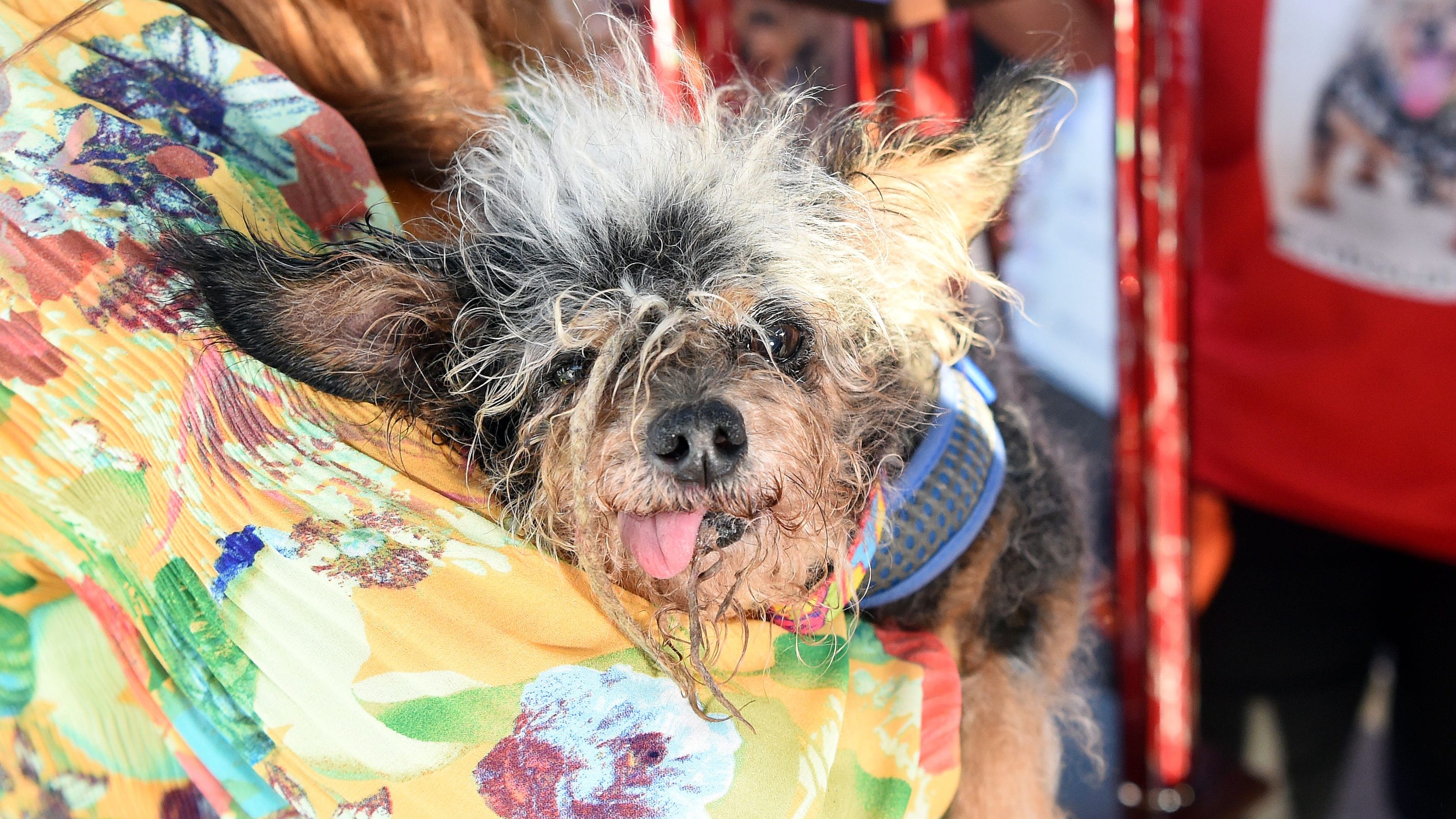
Wild Thinh, an 8-year-old Pekingese, is the reigning champion of the World’s Ugliest Dog Contest, having secured the top ranking in the 2024 competition. As we navigate through 2026, his victory remains a landmark moment for the event, highlighting the contest's focus on resilience, adoption, and the "inner beauty" of unconventional pets.
Wild Thinh: The 2024 Champion’s Five-Year Journey to the Top
The path to being crowned the "ugliest" dog in the world is rarely a one-time effort. For Wild Thinh, a Pekingese hailing from Coos Bay, Oregon, the 2024 victory was the culmination of five consecutive entries into the Sonoma-Marin Fair’s famous contest. This persistence made him a fan favorite long before he officially took the title. Wild Thinh’s appearance is a direct result of his survival story; as a puppy, he contracted canine distemper, a viral disease that is often fatal. While he survived, the illness left him with permanent physical traits that define his unique look today.
His most notable feature is his tongue, which permanently hangs from the side of his mouth because his teeth never fully developed. Additionally, his front left leg has a distinct "paddling" motion when he walks. Despite these physical challenges, his owner, Ann Lewis, describes him as a happy, healthy dog who serves as an ambassador for pet vaccination and rescue. His victory in 2024 was significant because it rewarded a dog who had consistently placed in the top three in previous years, finally earning him the $1,500 grand prize and a featured appearance on major national television programs.
In the context of the 2026 rankings, Wild Thinh remains the benchmark for "charming ugliness." His fluffy, unkempt coat and perpetual "glitchy" expression have made him a viral sensation, proving that the contest is less about traditional aesthetics and more about the character and backstories of the participants.
Recent Hall of Fame: Top Rankings from 2022 to 2025
The World’s Ugliest Dog Contest, held annually in Petaluma, California, has produced several iconic winners in recent years. Each dog brings a unique combination of genetic quirks and survival stories that resonate with both the judges and the public. To understand the current landscape of these rankings in 2026, one must look at the trio of champions that preceded the current era.
Scooter (2023 Winner)
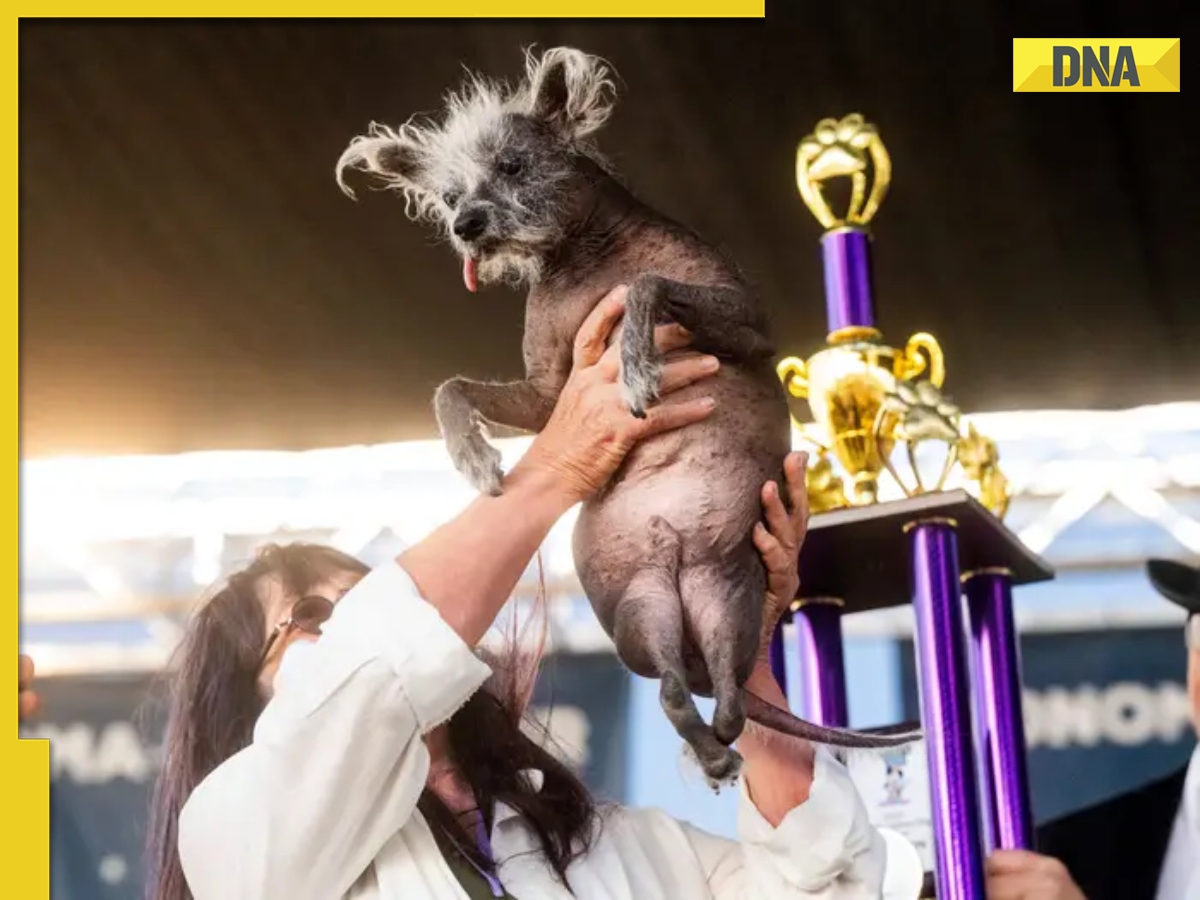
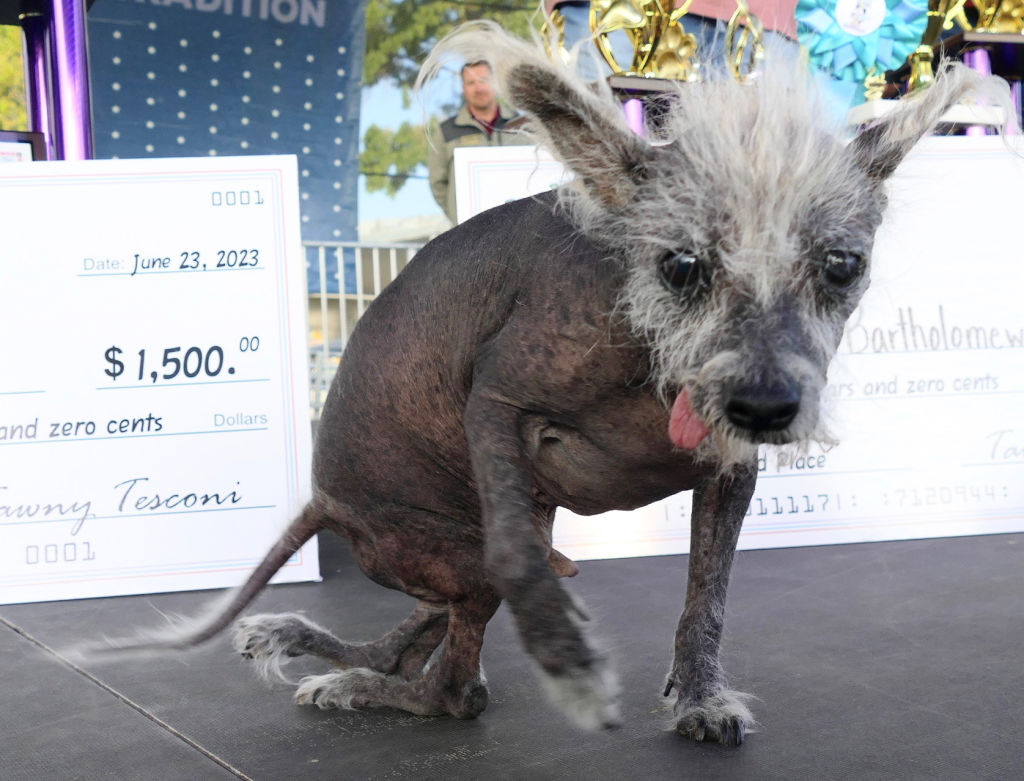
Scooter, a Chinese Crested, won the title in 2023 and became an immediate symbol of the "triumph of the underdog." Born with backward-facing hind legs, Scooter spent much of his early life facing the prospect of euthanasia. However, he was saved by a rescue organization and eventually adopted by Linda Elmquist. Scooter navigates the world using his front legs and, when necessary, a specialized cart. His victory was a testament to the contest’s mission of highlighting dogs that are often considered "unadoptable" due to physical disabilities.
Mr. Happy Face (2022 Winner)
In 2022, the title went to Mr. Happy Face, a Chinese Crested-Chihuahua mix with a tilted head, a persistent tongue, and a sparse, punk-rock-style mohawk. Rescued from a hoarding situation by musician Jeneda Benally, Mr. Happy Face was estimated to be 17 years old at the time of his win. His story was particularly moving because his owner chose to adopt him despite being told he might only have weeks to live due to his age and health issues. He lived far longer, proving that even the most "broken" dogs have immense love to give.
The 2025 Transition
As the contest moved into 2025, the judging panel continued to prioritize "special" features—a term the contest uses to describe the physical manifestations of age, breed quirks, and past injuries. While new contenders emerge every June, the legacy of dogs like Wild Thinh and Scooter sets a high bar for what constitutes a "winning" look: a blend of undeniable physical uniqueness and a heartwarming rescue narrative.
The History and Evolution of the World’s Ugliest Dog Contest
The World’s Ugliest Dog Contest is not a mean-spirited event; rather, it is a world-renowned celebration of canine diversity. Founded over 50 years ago at the Sonoma-Marin Fair, the competition began as a small, local way to poke fun at unconventional-looking pets. Over the decades, it has evolved into a massive media event that draws international journalists and thousands of spectators to Petaluma, California.
The evolution of the contest has seen a shift from purely focusing on "ugly" looks to focusing on "rescue and advocacy." Today, the vast majority of contestants are rescues from shelters or puppy mills. The organizers use the platform to educate the public about the importance of pet adoption, regardless of a dog's physical appearance. This shift has helped the contest gain respect from animal rights groups and veterinary professionals.
In 2026, the contest continues to operate under the philosophy that "a dog’s pedigree does not define its worth." The event serves as a reminder that many of the traits we find "ugly"—missing fur, mismatched eyes, or distorted limbs—are often the result of a dog’s resilience in the face of hardship. This narrative has turned "ugliness" into a badge of honor for owners who pride themselves on caring for dogs that others might overlook.
Judging the Unconventional: What Defines the Rankings?
Ranking the "ugliest" dog in the world is a surprisingly structured process. A panel of judges, which often includes local celebrities, journalists, and animal advocates, evaluates each dog based on a specific set of criteria. These criteria ensure that the competition remains fair and that the dogs' health and safety are prioritized.
- First Impressions: This is the immediate visual impact the dog has on the judges. It looks for that "wow" factor—the sheer uniqueness of the dog’s silhouette or facial features.
- Unique Attributes: Judges look for specific traits that set the dog apart. This could be an unusually long tongue, a specific way of moving, or a lack of fur in specific patterns (common in hairless breeds).
- Personality and Spirit: The dog’s temperament on stage is crucial. A dog that is confident, happy, and engaging despite its "ugly" features often scores higher than a dog that is shy or withdrawn.
- Audience Reaction: While the judges make the final call, the "crowd-o-meter" often plays a role. The cheers of the Petaluma crowd can sway a close decision.
The health of the dog is a non-negotiable prerequisite. Before competing, all dogs must undergo a veterinary check to ensure they are not in pain and that their physical appearance is not a result of current, untreated suffering. The contest celebrates dogs that are thriving in spite of their unconventional looks, not dogs that are currently unwell.
Common Breeds in the Winners' Circle
While any dog can enter, certain breeds appear in the rankings more frequently than others. This is often due to genetic traits that lend themselves to unconventional appearances, such as hairlessness or specific facial structures.
| Breed | Common Winning Traits | Notable Past Winners |
|---|---|---|
| Chinese Crested | Patchy hair, spotted skin, tongue protrusion. | Scooter (2023), Mr. Happy Face (2022) |
| Pekingese | Dense, unkempt fur, flat faces, prominent eyes. | Wild Thinh (2024) |
| Chihuahua Mix | Trembling, large eyes, "bat" ears, narrow snouts. | Princess Abby (2010), Mr. Happy Face (2022) |
| Xoloitzcuintli | Hairless skin, mohawks, unique dental structures. | SweePee Rambo (2016) |
| Neapolitan Mastiff | Excessive skin folds, heavy drool, drooping eyes. | Martha (2017) |
The Chinese Crested is arguably the most successful breed in the history of the contest. Their genetic predisposition for hairlessness on the body, combined with tufts of hair on the head and feet (the "powderpuff" trait), often creates the "mad scientist" look that judges find irresistible. However, as Wild Thinh proved in 2024, long-haired breeds like the Pekingese can also dominate the rankings if their grooming and physical quirks create a sufficiently unique aesthetic.
The Role of Genetics and Health in Recent Rankings
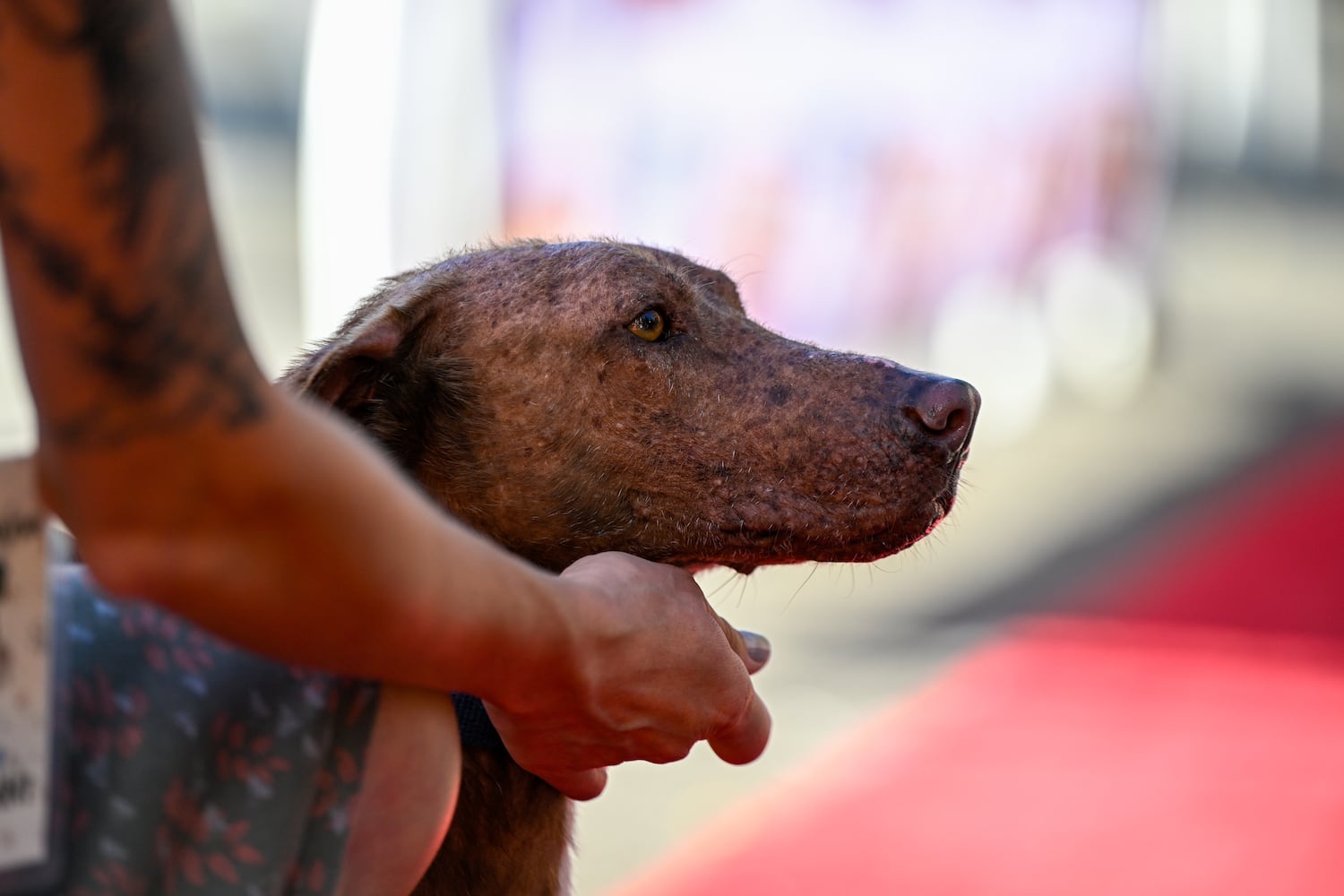
It is important to distinguish between "ugly" traits and "unhealthy" traits. Many of the dogs in the recent rankings have conditions like alopecia (hair loss), brachycephaly (flat faces), or dental crowding. In the world of high-stakes dog shows, these are considered "flaws." In the World’s Ugliest Dog Contest, they are the main attraction.
However, the 2026 perspective on these rankings also includes a conversation about responsible breeding. Many "ugly" dogs are the result of poor breeding practices in puppy mills, which can lead to lifelong health complications. By highlighting these dogs, the contest inadvertently shines a light on the consequences of irresponsible breeding. Owners like those of Wild Thinh and Mr. Happy Face often use their platform to talk about the specialized care these dogs require, from skin lotions for hairless breeds to specialized diets for dogs without teeth.
This educational aspect has become a core component of the contest’s rankings. A dog isn't just ranked on how it looks; it is ranked on how well it has been cared for and how its owner has adapted to its specific needs.
How to Attend or Enter the World’s Ugliest Dog Contest
For those interested in seeing the rankings determined in person, the event takes place every June at the Sonoma-Marin Fair in Petaluma, California. Petaluma is located about 40 miles north of San Francisco, and the contest is usually held on the Friday of the fair.
- Eligibility: The contest is open to all dogs, regardless of breed or age. However, owners must provide proof of current vaccinations and a clean bill of health from a veterinarian.
- Registration: Entry usually opens in the spring (March or April). Owners must submit a photo and a brief biography of the dog, which often includes their rescue story.
- Attendance: The event is free with fair admission. It is a family-friendly atmosphere where attendees are encouraged to meet the dogs and their owners before the official judging begins on the main stage.
For many fans, the highlight of attending is the "Dog Walk," where contestants parade through the fairgrounds. This allows the public to see the "ugliness" up close and hear the stories of resilience that define the top-ranked dogs.
Why is the contest held in Petaluma?
Petaluma has been the home of the contest for over 50 years. The community has embraced the event, viewing it as a celebration of the town's quirky, inclusive spirit. It has become a significant driver of local tourism every June.
Do purebred dogs ever win?
Yes, purebred dogs frequently win. While mixed breeds are common, purebreds like the Pekingese (Wild Thinh) or the Neapolitan Mastiff (Martha) have taken the top prize. The judges do not prioritize breed purity; they prioritize physical uniqueness.
What is the prize for winning?
As of recent years, the grand prize includes $1,500 in cash, a trophy, and a trip to New York City for national media appearances on shows like The Today Show or Good Morning America.
Is the contest cruel to the animals?
The contest is widely regarded as a celebration of dogs, not a mockery of them. The atmosphere is overwhelmingly positive, with owners expressing deep love and pride for their pets. The focus is on the special bond between humans and their "imperfect" companions.
Recommendation for Pet Lovers and Potential Owners
If you are moved by the stories of Wild Thinh, Scooter, and Mr. Happy Face, the best way to honor their legacy is to consider adopting a "special needs" or senior dog from your local shelter. These animals are often the last to be adopted because of their unconventional looks or medical requirements, yet as the World’s Ugliest Dog Contest proves, they often possess the most personality and resilience.
Before adopting, ensure you are prepared for the potential medical costs or grooming requirements that unconventional breeds may have. If adoption isn't an option, supporting organizations like the Sonoma-Marin Fair Foundation or local rescues that specialize in "hard to place" dogs is an excellent way to contribute to the mission of celebrating canine diversity.