The acquisition of the Ultimate Fighting Championship (UFC) refers to the 2016 monumental corporate transaction where WME-IMG (now Endeavor) purchased the organization from Zuffa, LLC for approximately $4.025 billion. This landmark deal fundamentally transformed the UFC from a boutique mixed martial arts promotion into a global media and sports powerhouse, setting the stage for its eventual integration into TKO Group Holdings.
Historical Context and Ownership Transition
Before the 2016 acquisition, the UFC was owned by Zuffa, LLC, a company led by brothers Lorenzo and Frank Fertitta, alongside Dana White. Under their stewardship, the organization transitioned from a niche, often controversial spectacle into a sanctioned, regulated, and profitable professional sport. By 2016, the organization had secured lucrative television contracts, widespread athletic commission recognition, and a massive international fan base.
The sale to WME-IMG, an entertainment and talent agency giant, represented a significant shift in ownership philosophy. Rather than being owned by entrepreneurs who specialized in the combat sports industry, the UFC became the flagship asset of a diversified entertainment conglomerate. This allowed the brand to leverage WME-IMG’s existing global infrastructure in talent representation, content distribution, and corporate sponsorship, moving the UFC beyond the confines of a traditional sports league and into the broader landscape of premium global entertainment.
Financial Valuation and Transactional Structure
The $4.025 billion valuation in 2016 was, at the time, the largest acquisition of a sports franchise in history. This figure was underpinned by the UFC’s ability to generate high-margin revenue through a mix of pay-per-view (PPV) broadcasts, global television rights, and massive live gate receipts. The structure of the deal involved a consortium led by WME-IMG, including private equity firms Silver Lake Partners, KKR, and MSD Capital.
This capital injection was critical for the organization to pivot toward a more aggressive international expansion strategy. The acquisition necessitated a sophisticated debt financing arrangement, which required the UFC to demonstrate sustained cash flow and long-term viability to its institutional lenders. For investors, the appeal lay in the UFC’s high degree of brand control—a stark contrast to major North American team sports leagues where revenues are often shared across many franchises, or where players hold significant power through collective bargaining agreements.
Integration into TKO Group Holdings
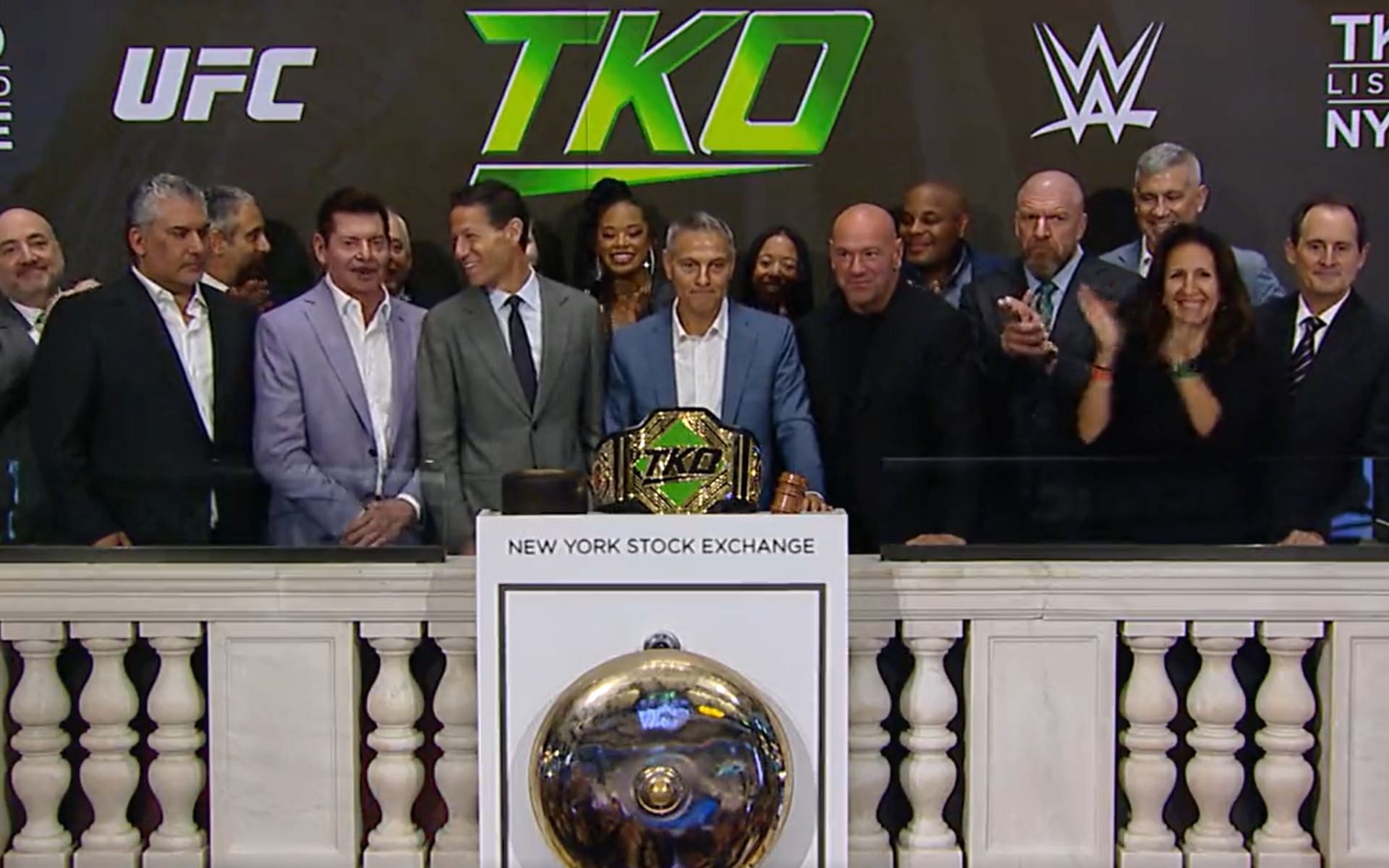
In 2023, the trajectory of the UFC acquisition reached a new milestone when Endeavor announced a definitive agreement to merge the UFC with World Wrestling Entertainment (WWE). This resulted in the creation of a new publicly traded entity, TKO Group Holdings. This move consolidated two of the most significant combat-related entertainment properties in the world under one corporate umbrella.
The merger was designed to create operational synergies, such as shared production resources, unified sponsorship sales, and cross-platform marketing opportunities. For the UFC, this meant that its financial reporting and operational governance shifted from being an Endeavor subsidiary to functioning as a primary revenue engine for a standalone, publicly traded company on the New York Stock Exchange.
Impact on the Professional Sports Landscape
The acquisition changed how professional combat sports are valued and managed. Following the 2016 purchase, other organizations and investors began applying similar metrics to combat sports, viewing them as valuable IP (intellectual property) portfolios rather than just event-based businesses.
The following table summarizes the evolution of the organization’s corporate standing across key phases:
| Phase | Principal Ownership | Corporate Status | Key Strategic Focus |
|---|---|---|---|
| Pre-2016 | Zuffa, LLC | Private | Sport legitimacy and regulation |
| 2016–2023 | WME-IMG (Endeavor) | Private/Subsidiary | Global expansion and media rights |
| 2023–Present | TKO Group Holdings | Public (NYSE: TKO) | Synergy and combined entertainment value |
Operational Synergies and Business Model Evolution
One of the primary objectives of the acquisition was to leverage the "flywheel" effect of media rights. By utilizing the extensive reach of the Endeavor network, the UFC successfully negotiated more lucrative regional and international broadcast deals. This shift moved the organization’s revenue model away from a reliance on one-off PPV buys toward a more predictable, subscription-based, and long-term rights-fee model.
Additionally, the acquisition allowed the UFC to centralize its data analytics. By understanding the demographic breakdown of its audience more precisely than ever before, the organization could command higher premiums from sponsors looking to reach specific age groups and global regions. The technical depth of these operations involves managing complex digital infrastructure to handle high-traffic event nights, ensuring that the transition from a private entity to a public one maintained the agility required for live sports production.
Challenges and Regulatory Considerations
The acquisition was not without its legal and regulatory hurdles. Following the 2016 buyout, the organization faced intense scrutiny regarding its labor practices and fighter compensation. As the UFC moved toward a corporate structure, these issues became focal points for critics and antitrust legal challenges.
Specifically, the "Cung Le et al. v. Zuffa, LLC" class-action lawsuit highlights the complexities that arise when a single entity gains significant market share. The acquisition prompted a rigorous legal examination of how the organization recruits and retains talent, as well as how it negotiates contracts with athletes. For participants in the combat sports ecosystem, the acquisition solidified a model where the promoter holds significant control over the professional trajectory of the athletes, a structure that continues to be a subject of intense debate in 2026.
Strategic Next Steps for Stakeholders
For parties looking to analyze or engage with the current state of the UFC within the TKO structure, the primary focus is on quarterly earnings reports and long-term media rights renewals. As the organization operates under a public ticker, transparency regarding financial health has increased.
- Monitor Financial Disclosures: As a part of TKO Group Holdings, the UFC’s financial performance is available through SEC filings. Analysts should look for metrics like Adjusted EBITDA and revenue growth driven by international expansion.
- Evaluate Rights Renewals: The value of the UFC is tied to its ability to secure premium spots on major broadcast networks and streaming platforms. Investors should track contract expiration dates and renewal terms.
- Assess Market Saturation: Determine if the brand’s push into international markets is yielding the projected subscriber growth and sponsorship revenue to justify the post-acquisition valuations.
- Observe Labor Relations: Keep track of ongoing legal developments regarding athlete representation, as these could influence the organization’s long-term operating costs and structural stability.
Understanding the UFC acquisition requires viewing it as an evolutionary process rather than a singular event. It represents the maturation of a sport from a grassroots phenomenon into a sophisticated, multi-billion-dollar enterprise that sits at the intersection of traditional sports, entertainment, and digital media.