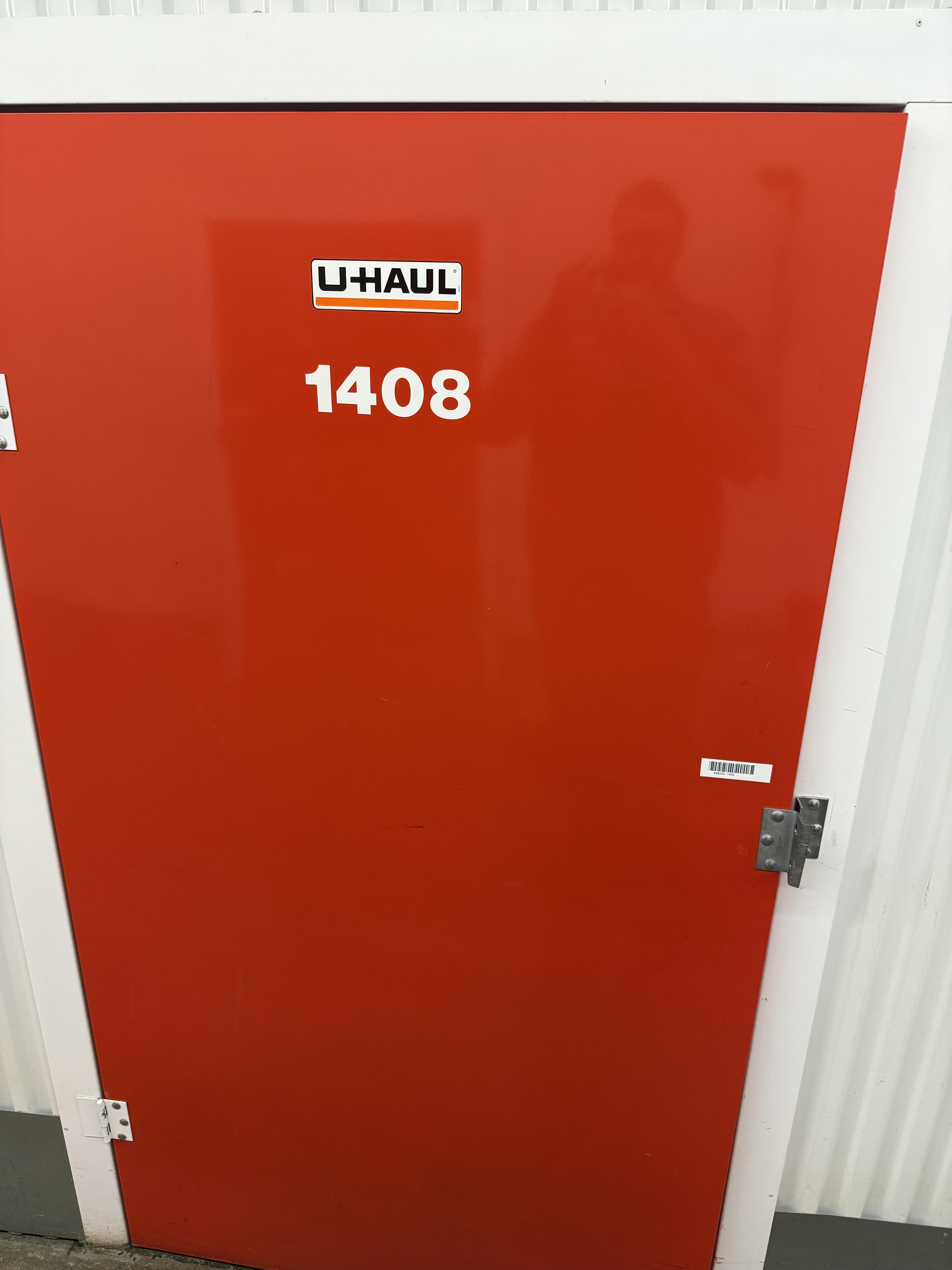
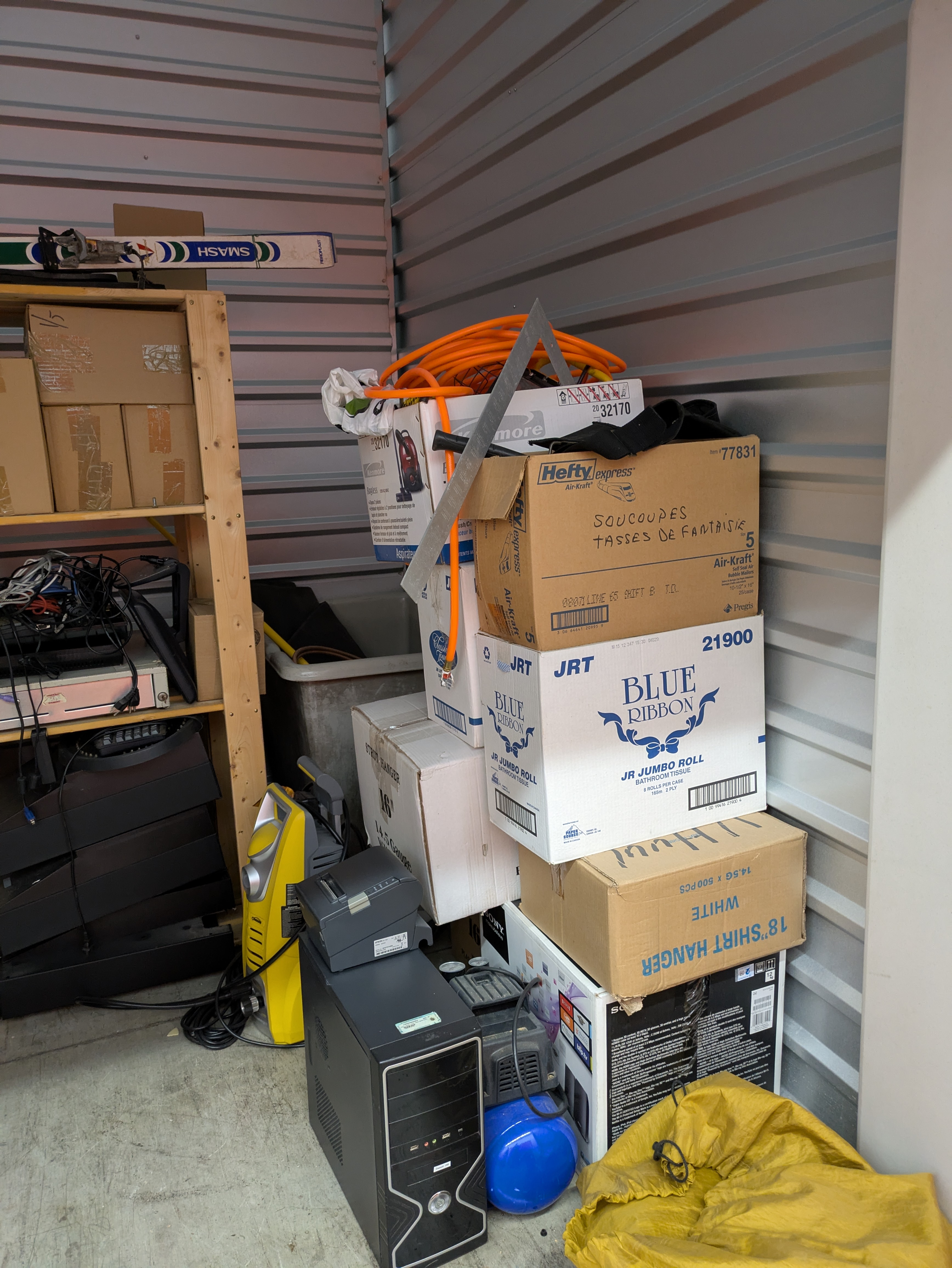
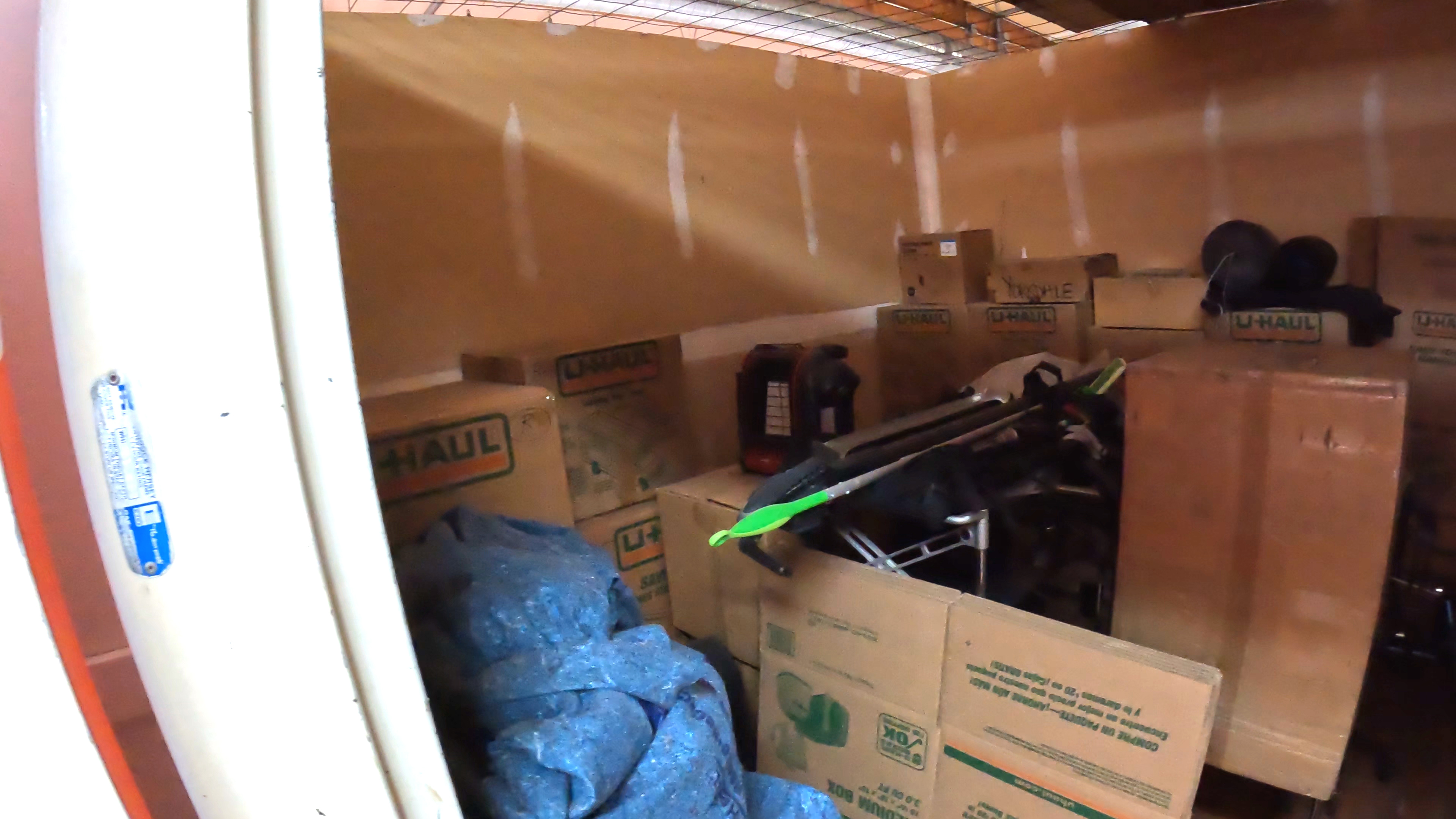
Choosing the correct storage unit size is a critical logistical decision that dictates both your moving budget and the safety of your belongings. As we progress through 2026, storage standards have evolved to emphasize vertical clearance and climate control integration, making it essential for users to understand how these metrics translate into actual utility. U-Haul operates one of the most expansive networks of self-storage facilities in North America, utilizing standardized unit sizing to streamline the customer experience. This guide analyzes the technical specifications of these units to help you maximize your rental value.
Industry-Standard Storage Metrics and Spatial Capacity
When evaluating storage units in 2026, the primary metric is square footage, but experienced logistical planners focus on cubic footage. Most standard U-Haul storage facilities feature ceiling heights ranging from 8 to 10 feet. Maximizing this vertical space is the secret to renting a smaller, more cost-effective unit.
The industry follows a set of conventional dimension tiers. Understanding these allows you to match your inventory volume to the precise square footage required, preventing the financial waste associated with renting unused space or the logistical nightmare of overflow.
Comparative Storage Unit Capacity Table
This table outlines the common U-Haul storage unit tiers and their typical loading capacity based on standard household inventory projections for 2026.
| Unit Size (Feet) | Area (Sq Ft) | Ideal For | Typical Capacity |
|---|---|---|---|
| 5 x 5 | 25 | Walk-in closet | Twin mattress, small boxes, seasonal items |
| 5 x 10 | 50 | Large closet | Furniture for one bedroom, office desk, appliance |
| 10 x 10 | 100 | Half-garage | Contents of a one-bedroom apartment |
| 10 x 15 | 150 | Garage-sized | Contents of a two-bedroom home |
| 10 x 20 | 200 | Single car garage | Contents of a three-bedroom home |
| 10 x 25+ | 250+ | Multi-car garage | Contents of a four-bedroom plus home |
Technical Considerations for Climate-Controlled Units
In 2026, regional climate patterns have increased the demand for climate-controlled storage. These units are maintained within a specific temperature and humidity range to prevent the degradation of sensitive materials. If you are storing electronics, wood furniture, vinyl records, or artwork, climate control is not a luxury; it is a structural necessity.
Standard climate control at U-Haul facilities typically maintains temperatures between 55 and 85 degrees Fahrenheit. It is vital to note that while this mitigates extreme thermal expansion and contraction, it does not replace the need for proper packing materials. Using high-density plastic bins instead of cardboard for long-term storage is highly recommended to protect against ambient moisture.
Strategic Packing Workflow for Maximum Density
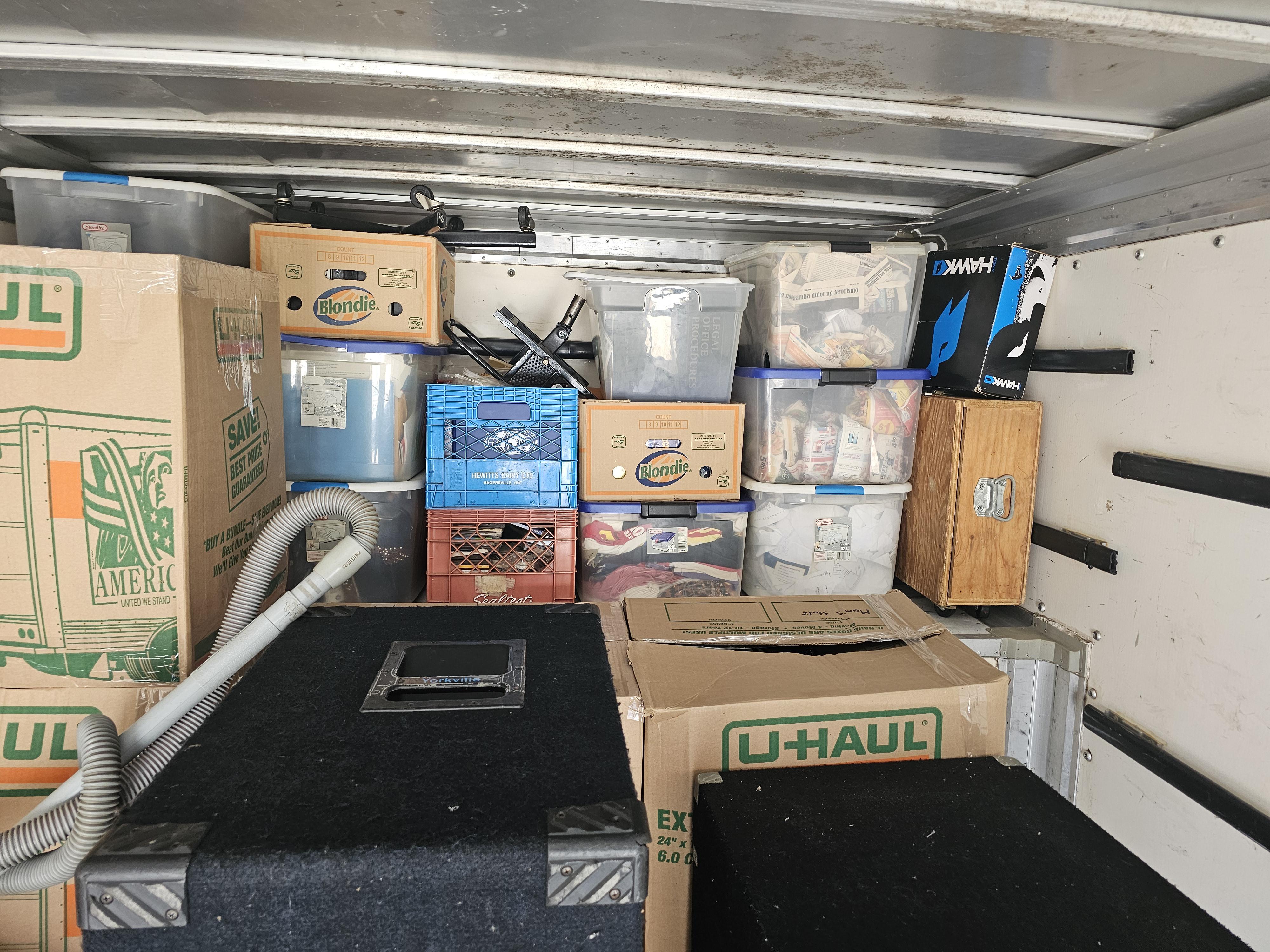
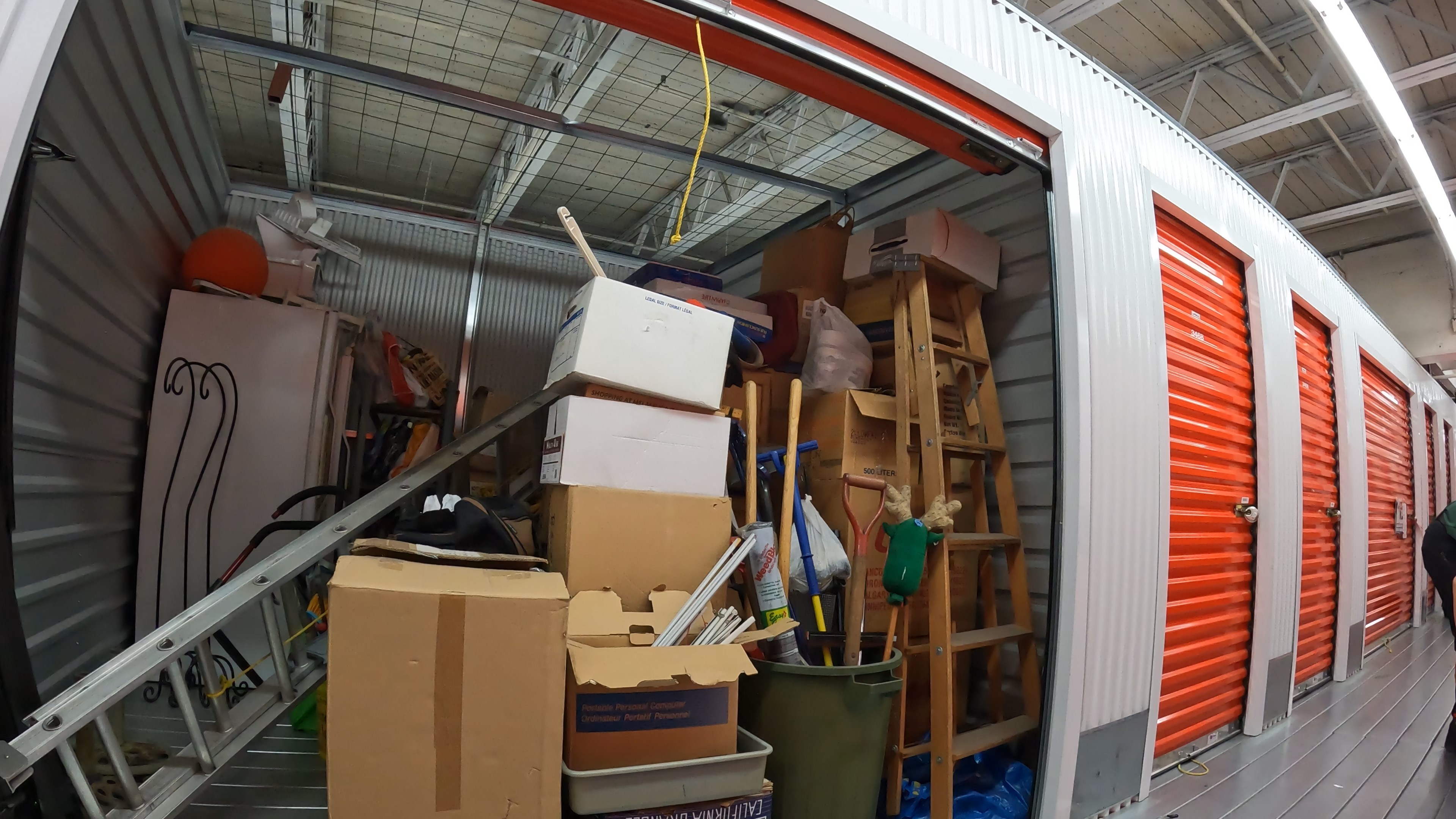
To extract the most value from your chosen storage unit size, you must employ a systematic loading strategy. Failing to plan your loading sequence often leads to a "honeycomb" effect, where large gaps appear between items, effectively reducing your usable storage capacity by up to 30 percent.
- Foundation Layer: Place heavy, non-fragile items such as bed frames, dressers, and appliances at the bottom. Ensure they are balanced to prevent tipping.
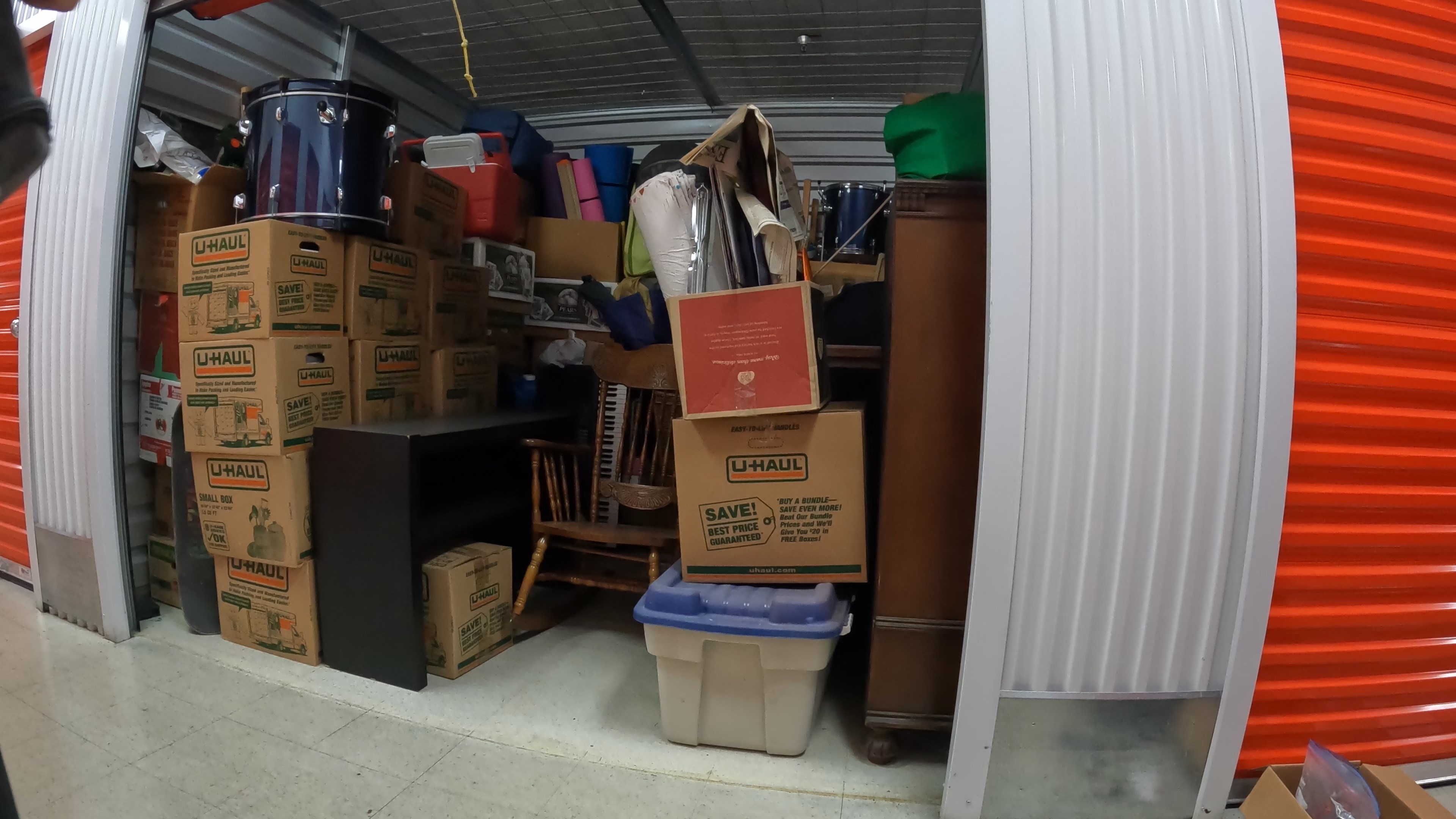
- Vertical Stacking: Utilize vertical space by placing lighter, stackable boxes on top of heavy furniture. Always ensure the base is stable.
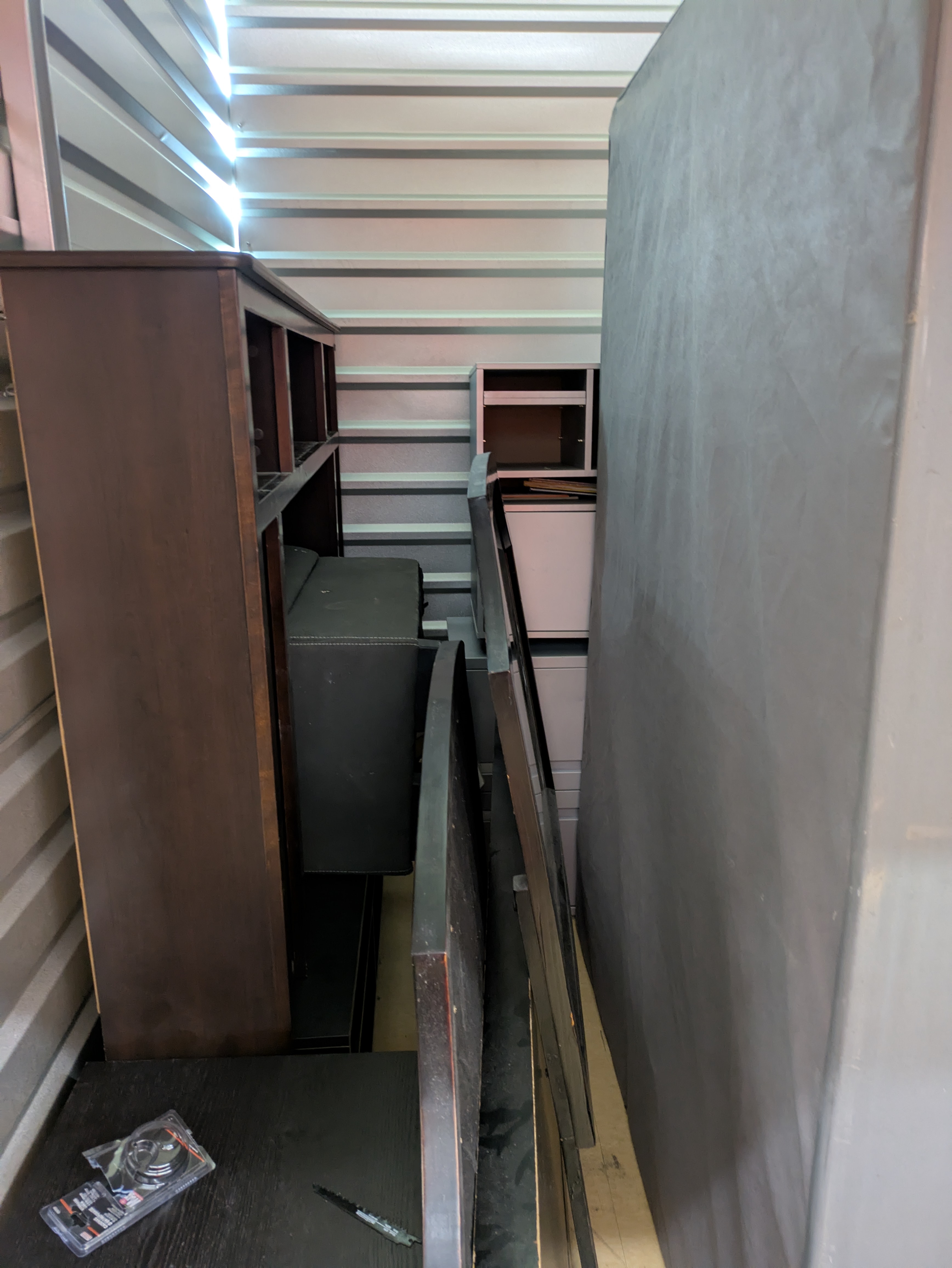
- Access Aisles: Designate a narrow center path, roughly 18 to 24 inches wide, to ensure you can reach items located in the rear of the unit. This prevents the need to unload the entire unit to retrieve a single item.
- Clearance Management: Leave a 2-inch gap between your stored items and the walls of the unit. This promotes airflow, which is critical for preventing mildew and moisture buildup, even in climate-controlled environments.
Assessing Your Specific Inventory Requirements
Before securing a reservation, conduct a thorough audit of your inventory. Do not estimate based on room counts, as this often leads to errors in judgment regarding volume. Instead, categorize your items by "stackability."
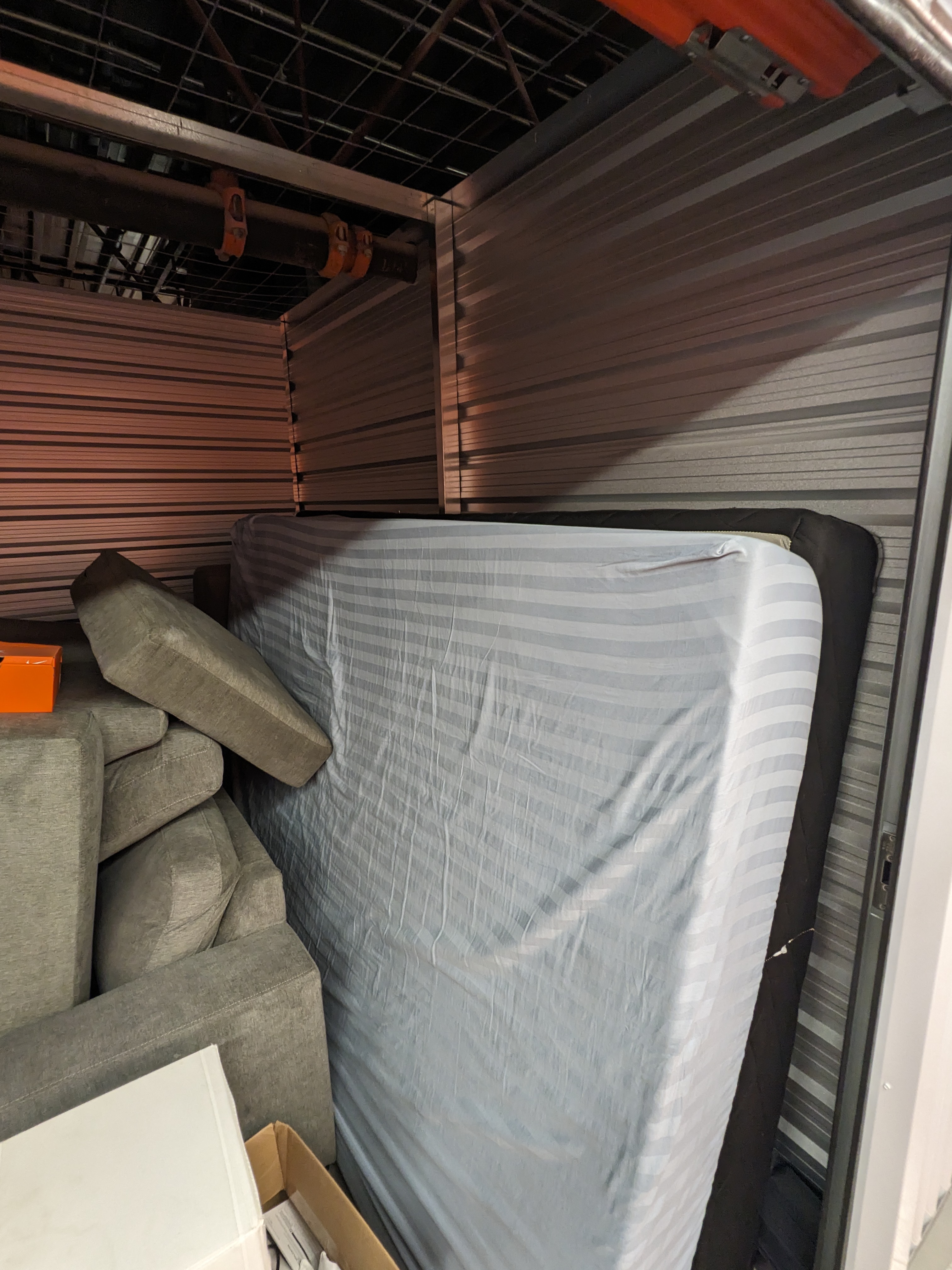
Items such as mattresses and box springs should be stood on their sides to preserve square footage. Appliances, specifically refrigerators and freezers, must be thoroughly cleaned and dried before storage; leaving them sealed without proper desiccant packs in 2026 will lead to mold growth regardless of the facility’s climate control system. Always label your boxes on the side rather than the top, as stacks of boxes will render top-side labels invisible.
Pros and Cons of Standard Self-Storage Solutions
Choosing a storage solution involves balancing accessibility against cost. While larger units offer more room, they require a higher monthly capital expenditure.
Advantages
- Flexibility: Month-to-month contracts allow for scaling up or down as your needs evolve in 2026.
- Security: Modern facilities utilize 24/7 video surveillance and electronic gate access controls.
- Standardization: The ubiquity of U-Haul units makes it easy to find consistent sizing across different geographic regions if you are relocating.
Disadvantages
- Cost Efficiency: Renting a unit that is too large results in long-term "dead money" expenditure.
- Accessibility Limitations: Some facilities have restricted access hours, which may not align with your specific moving schedule.
- Insurance Requirements: While basic protection is available, high-value items often require supplemental insurance policies, which increase the total cost of ownership.
Frequently Asked Questions
What is the most popular U-Haul storage unit size?
The 10 x 10 unit is the most popular choice as it offers the perfect balance between capacity and affordability for the average one-bedroom household. It provides 100 square feet of space, which is generally enough to store the contents of an apartment without feeling overly cramped.
Do I need to provide my own lock for a U-Haul storage unit?
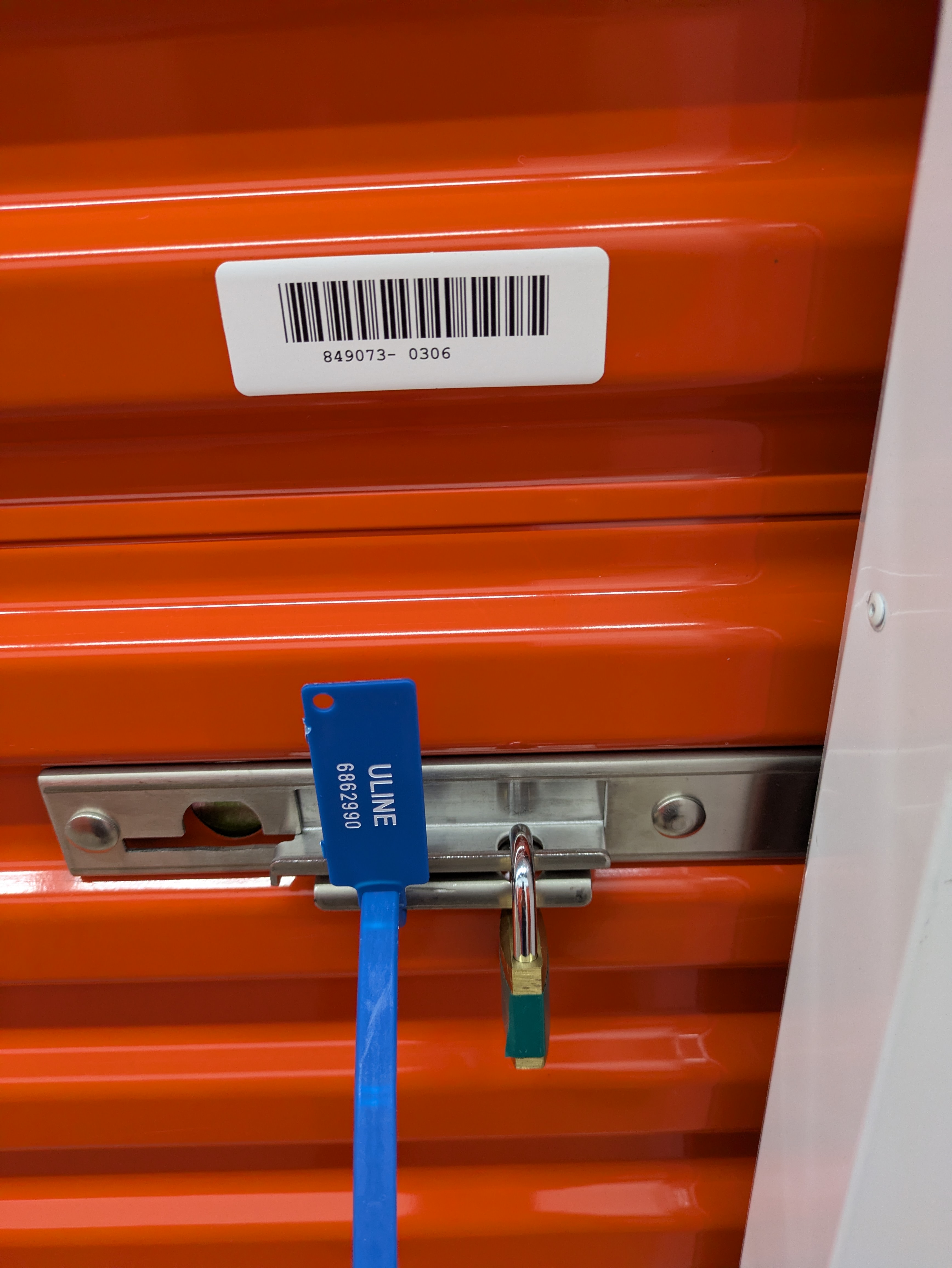
Yes, you are responsible for providing your own high-security disc lock. While facilities provide the unit, they require the tenant to maintain sole custody of the physical key to ensure maximum security standards are upheld.
Can I change my storage unit size after move-in?
Yes, most U-Haul locations allow you to transfer to a larger or smaller unit based on current availability. You should contact the local facility manager at your specific location to check for vacancy before attempting to move your items.
Is climate control necessary for clothing storage?
For long-term storage in 2026, climate control is highly recommended for clothing to prevent damage from humidity and temperature fluctuations. Without climate control, natural fibers are susceptible to moth damage, yellowing, and persistent odor retention.
How do I calculate if my furniture will fit in a 5 x 10 unit?
Calculate the total square footage of the floor area your furniture will occupy by measuring the base of your largest items. If the combined footprint is less than 50 square feet and you plan to stack smaller items vertically, a 5 x 10 unit will be sufficient.
Final Recommendations for 2026 Renters
Selecting the right storage size is a function of discipline and spatial planning. If you find yourself between two sizes, always prioritize the larger unit if the price differential is negligible, as overcrowding a unit makes maintenance and retrieval difficult. Before finalized booking, visit the facility to visualize the dimensions in person, as the configuration of corridors and door widths can slightly influence how you maneuver your furniture into the unit. Ensure your inventory is protected with high-quality packing materials to maintain the condition of your assets throughout the duration of your lease.