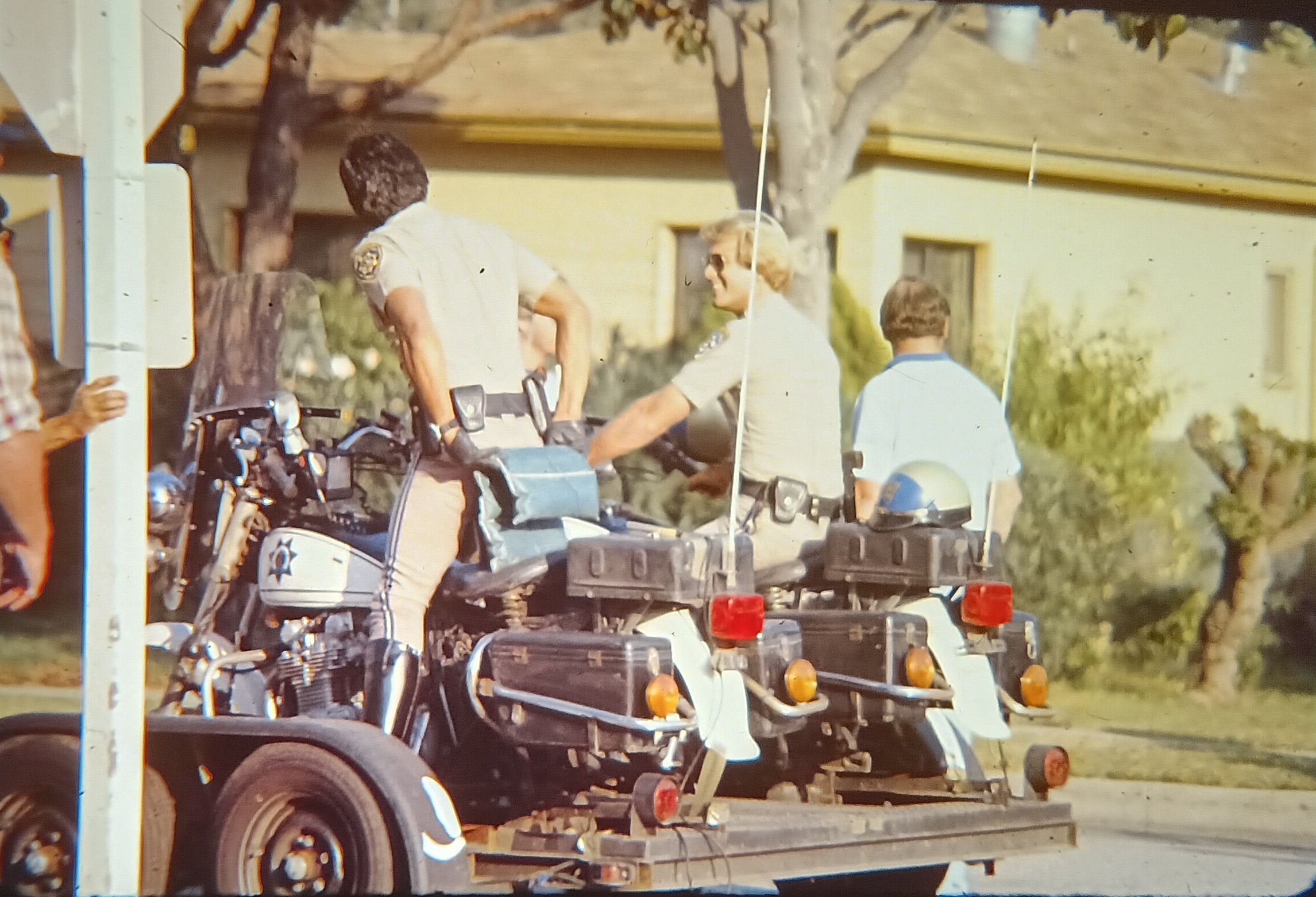
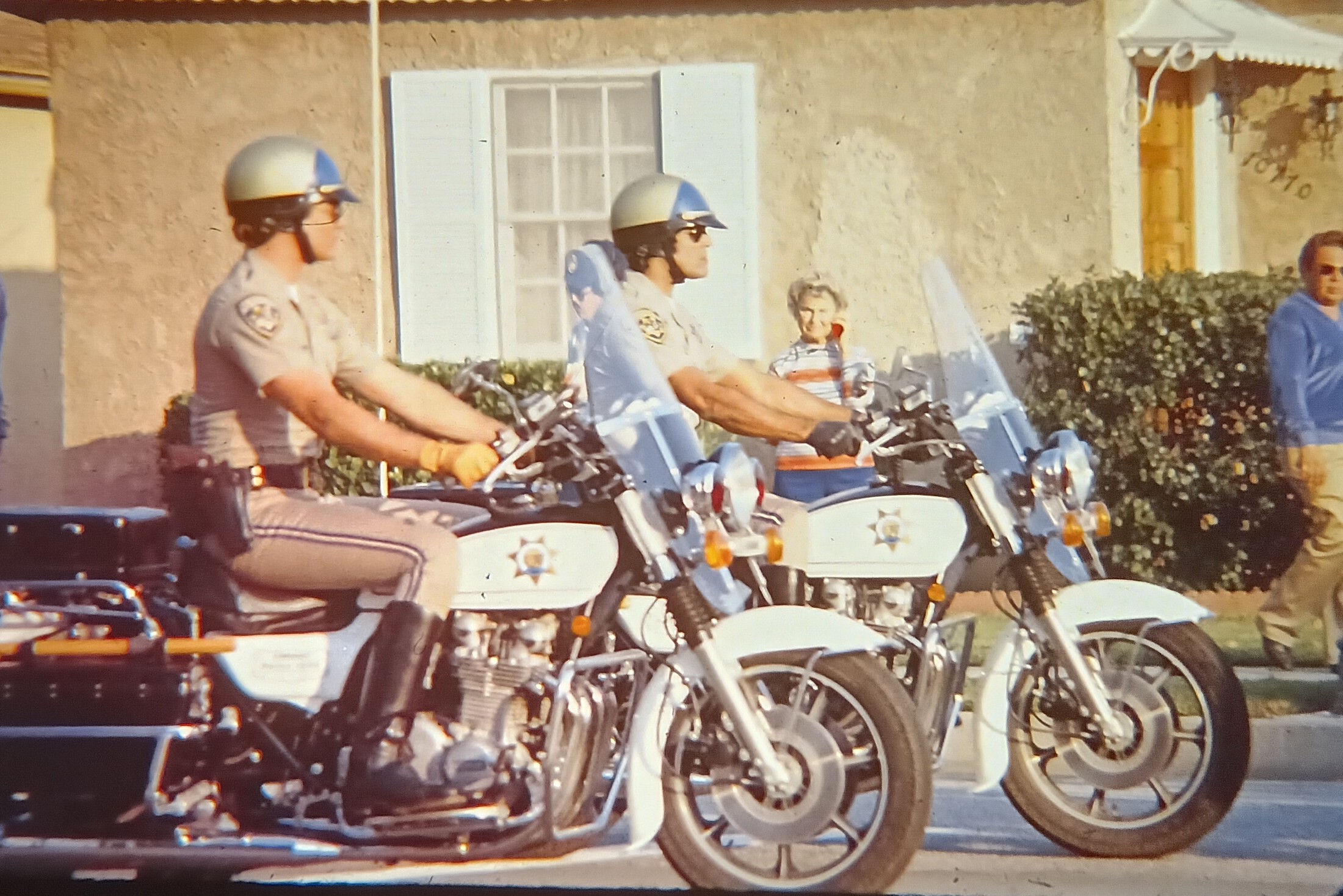
The television series CHiPs (California Highway Patrol) remains a cornerstone of late-1970s and early-1980s pop culture, primarily remembered for the dynamic partnership between Larry Wilcox and Erik Estrada. Running on NBC from 1977 to 1983, the show followed two motorcycle officers as they navigated the freeways of Los Angeles, blending high-speed chases with lighthearted office humor. While the series featured a rotating roster of supporting talent over its six-season run, the core chemistry established in its premiere defined its lasting influence on the police procedural genre.
Origins and Conceptualization of the CHiPs Patrol
Created by Rick Rosner, CHiPs was developed during an era when television networks were searching for relatable, character-driven action series. The premise was deceptively simple: focus on two California Highway Patrol motorcycle officers, Francis "Ponch" Poncherello and Jon Baker, as they patrolled the sprawling freeway system of Los Angeles. Unlike the grittier police dramas of the decade, CHiPs leaned into a "soft" procedural format. Episodes typically balanced a central crime-solving narrative—often involving car theft rings, reckless drivers, or complex accidents—with episodic, character-focused subplots involving the officers' social lives and interpersonal dynamics at the station.
The show's production methodology relied heavily on the interaction between the two leads. The contrast was intentional: Jon Baker was portrayed as the straight-laced, responsible professional, while Frank Poncherello was the charming, impulsive maverick. This "odd couple" dynamic served as the engine for the show’s longevity, anchoring the high-stakes vehicular action with a sense of camaraderie that resonated with mass-market television audiences.
Core Cast Members and Their Defining Roles
The heart of CHiPs was undoubtedly its two lead actors, whose real-life relationship and on-screen presence provided the show's identity.
Larry Wilcox as Officer Jon Baker
Larry Wilcox portrayed Officer Jonathan "Jon" Baker, a Vietnam veteran and a highly disciplined patrol officer. Wilcox brought a grounded intensity to the role, acting as the stabilizer for the duo. His character was often tasked with reining in Ponch’s more reckless impulses, creating a tension that served as the backbone for the show’s narrative arc. Wilcox’s tenure lasted from 1977 until 1982, departing just before the show’s final season.
Erik Estrada as Officer Francis "Ponch" Poncherello
Erik Estrada became an overnight sensation as Francis "Ponch" Poncherello. Ponch was the quintessential "cool guy" of the late 70s—flamboyant, motorcycle-obsessed, and often prone to bending the rules. Estrada’s charisma transformed the character into a cultural icon, and his off-screen negotiations and star power often made headlines during the show's production. He remained with the series through all six seasons, serving as the bridge between the original ensemble and the later cast adjustments.
Supporting Cast and Authority Figures
While the motor officers occupied the spotlight, the Central Los Angeles CHP station was populated by a consistent supporting cast that provided institutional structure to the show.
- Robert Pine as Sergeant Joseph Getraer: As the supervisor of the patrol officers, Pine provided a necessary layer of authority. His character, "Sarge," was the moral compass of the office, dealing with the daily headaches of managing the antics of Ponch and Jon while maintaining the professional standards of the force.
- Paul Linke as Officer Arthur "Grossie" Grossman: Providing much of the comedic relief and office-based human interest stories, Linke’s character was a staple of the precinct.
- Lou Wagner as Harlan Arvid: Representing the technical backbone of the force, Harlan was the dedicated mechanic responsible for keeping the patrol motorcycles in operation. His character emphasized the show's focus on the machinery that allowed the officers to perform their duties.
Cast Variations Throughout the Series
The composition of the CHiPs cast underwent significant changes as the show progressed toward its conclusion in 1983. These changes were necessitated by contract disputes, character retirements, and the natural evolution of network television casting strategies.
| Character | Actor | Role / Status |
|---|---|---|
| Jon Baker | Larry Wilcox | Original Lead (Seasons 1-5) |
| Frank Poncherello | Erik Estrada | Original Lead (Seasons 1-6) |
| Joseph Getraer | Robert Pine | Sergeant (Seasons 1-6) |
| Arthur Grossman | Paul Linke | Officer (Seasons 1-6) |
| Steve McLeish | Bruce Penhall | Patrol Officer (Season 6) |
| Bruce Nelson | Bruce Jenner | Patrol Officer (Seasons 5-6) |
Following the departure of Larry Wilcox, the producers introduced new faces, such as Bruce Penhall and Tom Reilly, to maintain the partnership dynamic. These shifts reflected the challenge of sustaining an ensemble cast over an extended multi-year production cycle, a hurdle faced by many long-running procedurals.
Impact of Cultural Factors on Production
The casting of CHiPs was not immune to the social and industrial realities of the 1970s and early 1980s. The production faced frequent challenges regarding on-set dynamics, budget constraints, and the rising popularity of the leads. Erik Estrada, in particular, became a symbol of the "teen idol" era, which shifted the focus of promotional material toward his persona. This occasionally created friction within the ensemble, as the narrative weight required a balance that was sometimes difficult to maintain under the pressure of external celebrity status.
Furthermore, the physical demands of the show—filming high-speed motorcycle sequences on active or closed-off Los Angeles freeways—required a level of physical fitness and stunt coordination that dictated the physical requirements for the actors. The cast often worked in tandem with real California Highway Patrol consultants to ensure the operational legitimacy of the scenes, even if the creative liberties of the script sometimes prioritized entertainment over strict law enforcement accuracy.
Frequently Asked Questions
Did the CHiPs cast members perform their own motorcycle stunts?
While the actors were trained to ride the motorcycles for close-ups and low-speed dialogue sequences, professional stunt riders were employed for high-speed chases, jumps, and dangerous maneuvering. For insurance and safety reasons, the production relied on a dedicated stunt team to handle the most hazardous sequences on the freeways.
Why did Larry Wilcox leave the show before it ended?
Larry Wilcox left CHiPs after the fifth season due to creative differences regarding the direction of the show and internal tensions within the cast. His departure marked a significant transition point, as the show shifted toward a different ensemble structure for its final year.
Was the show filmed on actual California freeways?
The production filmed extensively on the freeways of Los Angeles, often utilizing stretches of road that were closed temporarily by the authorities for filming purposes. This provided the show with a high degree of visual authenticity, showcasing the distinct Southern California landscape that became synonymous with the series.
Will there be a reunion of the original CHiPs cast?
As of 2026, while the surviving members of the cast occasionally participate in retrospective panels and public appearances, there has been no official announcement regarding a formal television reunion. The legacy of the original cast remains primarily preserved in the broadcast archives and legacy home media formats.
What is the primary difference between the show and the 2017 film adaptation?
The 2017 feature film served as a contemporary reboot of the concept rather than a continuation. It adopted a more explicit R-rated comedic tone, departing from the family-friendly, procedural nature of the original television series.
Professional Guidance for Fans and Researchers
For those interested in the historical details of the CHiPs production, primary sources such as the original scripts and archival records held by NBCUniversal provide the most accurate account of the show's development. Researchers should look for production logs that detail cast contracts and location permits, which offer a clearer timeline of filming than secondary interviews. If you are verifying specific episode appearances or cast credits, always cross-reference with official industry databases like the Internet Movie Database (IMDb) or the American Film Institute (AFI) catalog to ensure the information reflects documented production credits.