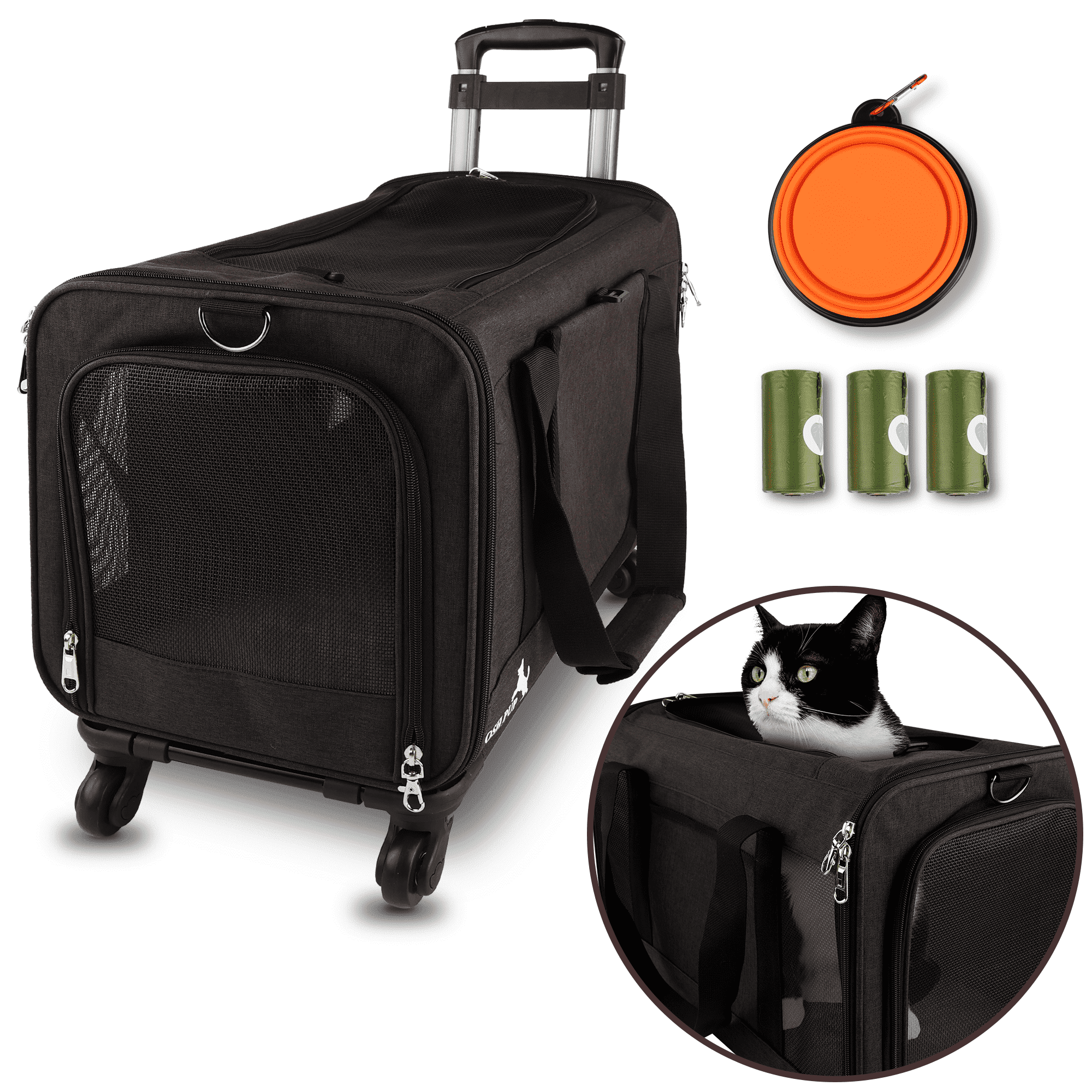
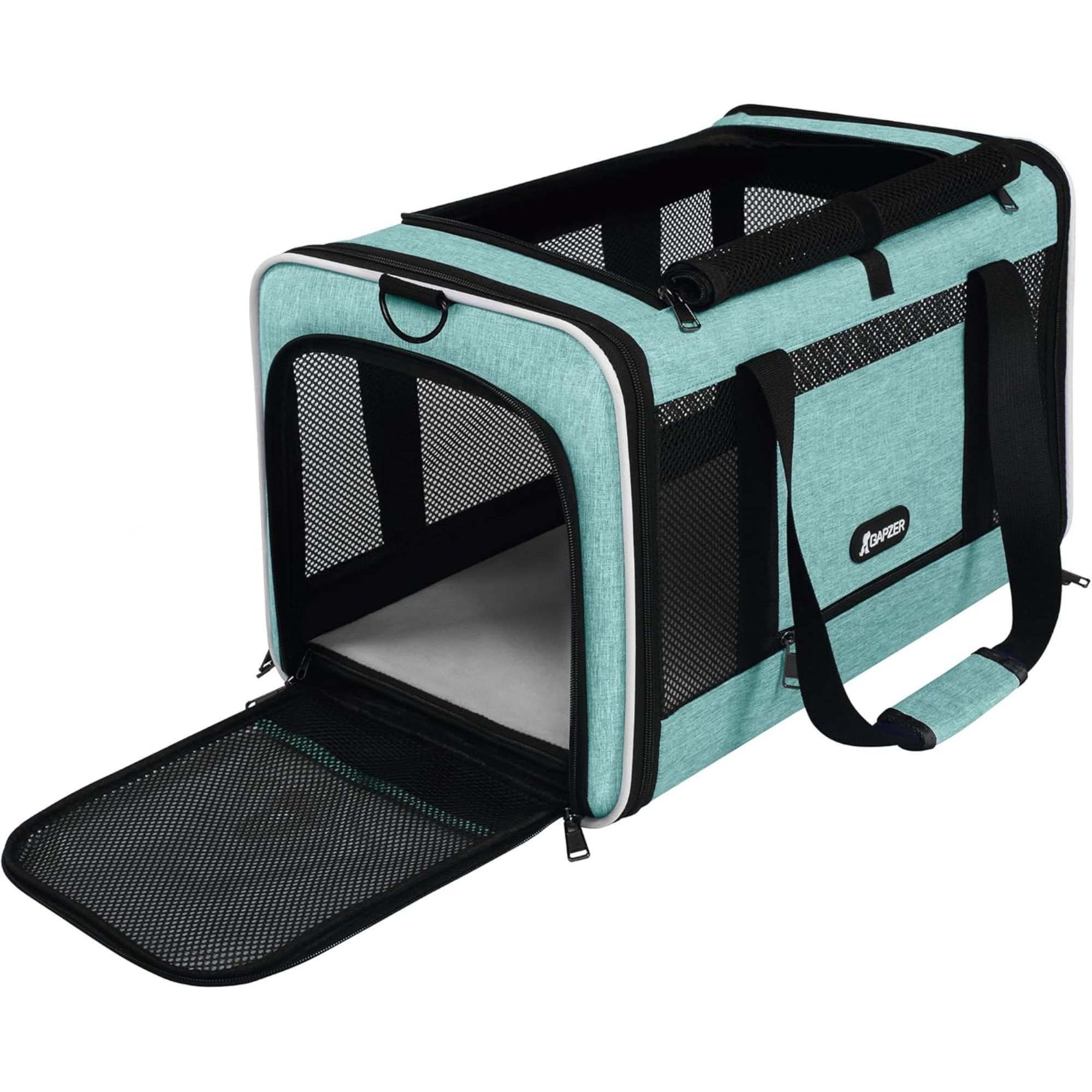
When preparing for air travel with a pet, selecting an appropriate dog carrier is the most critical step to ensure a smooth boarding process. While the Transportation Security Administration (TSA) does not maintain an official list of "approved" carriers or specific brands, they mandate that your pet must pass through screening in a container that adheres to individual airline policies. The carrier must be sufficiently sized for your dog to stand, turn around, and lie down comfortably, while fitting securely underneath the aircraft seat in front of you.
Understanding TSA Roles versus Airline Requirements
A common misconception among first-time pet travelers is that the TSA must "approve" the specific dog carrier hardware. In practice, TSA officers are primarily concerned with the security screening of the animal and the carrier itself. During the security checkpoint process, you will be required to remove your dog from the carrier so that it can be inspected through the X-ray machine. Your dog will typically walk or be carried through the metal detector with you.
The actual requirements for dimensions, ventilation, and structural integrity are governed by the airline, not the TSA. Each carrier maintains its own "Contract of Carriage" regarding pets. If your carrier is too large to fit under the seat, or if it does not meet the airline's specific soft-sided or hard-sided construction requirements, the airline reserves the right to deny boarding at the gate, regardless of whether the carrier looks "secure" to a TSA officer.
Critical Features for In-Cabin Travel
When evaluating potential carriers, focus on structural features that comply with both safety standards and airline mandates. The primary objective is to balance your dog’s comfort with the rigid spatial limitations of an aircraft cabin.
Construction and Ventilation
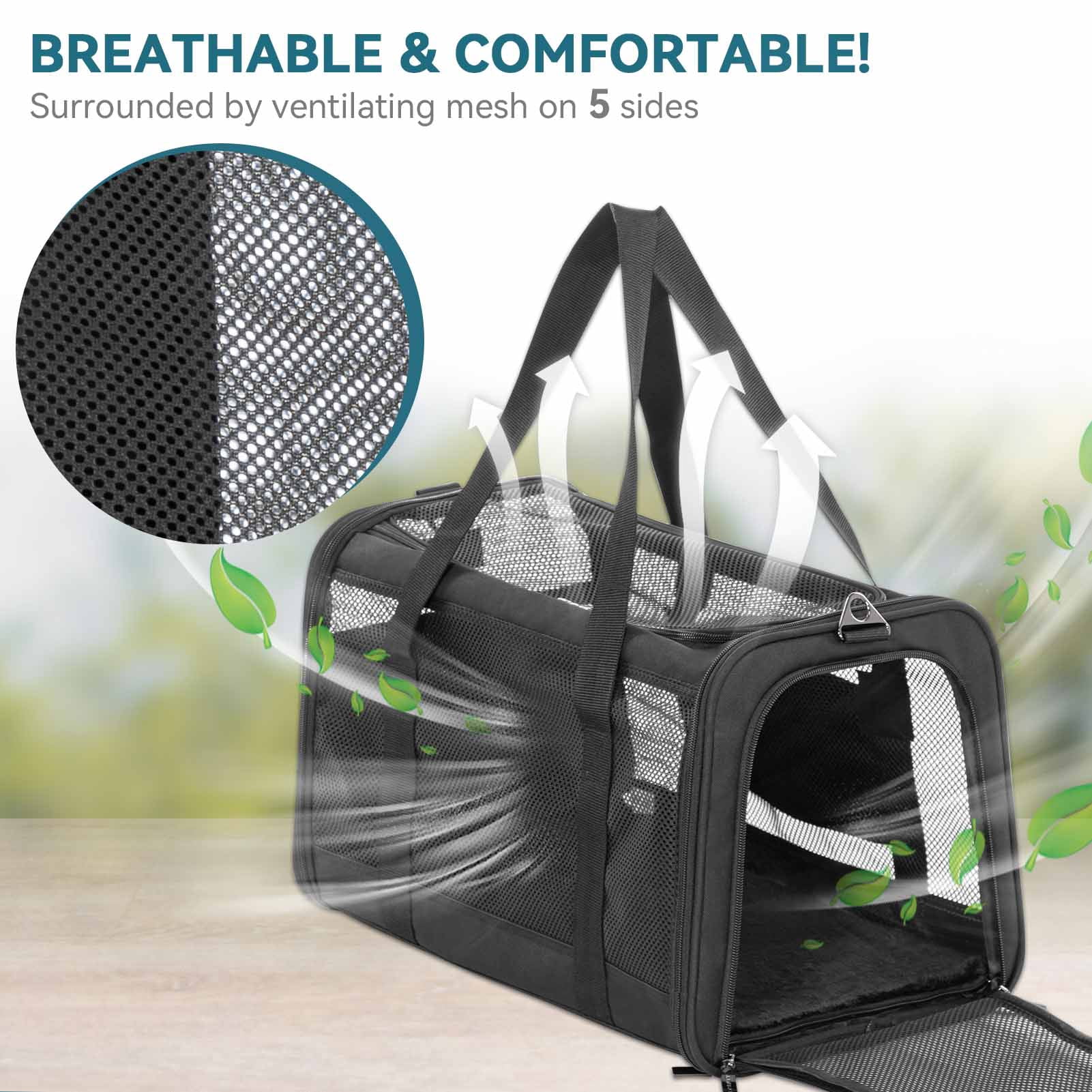
Most airlines require that a carrier be leak-proof and well-ventilated on at least three sides. For soft-sided carriers, which are the most common choice for in-cabin travel, look for industrial-grade mesh panels. These panels provide the necessary airflow required by airline regulations and allow your dog to see their surroundings, which often reduces anxiety during takeoff and landing. The zippers should be lockable or self-locking to prevent a curious dog from nudging the carrier open during transit.
Sizing and Seat Clearance
The most common failure point for pet owners is selecting a carrier that is too tall or wide for the specific under-seat space of their aircraft. Because commercial aircraft vary in seat configuration—even within the same fleet—it is imperative to check the dimensions provided by your specific airline. A carrier that is "flexible" or "collapsible" is generally preferred, as it allows you to gently press the top of the carrier to fit it under a slightly lower seat without compromising the integrity of the bag or the comfort of the dog inside.
Material Durability
Your carrier should feature a water-resistant exterior. This is not only for hygiene during potential accidents but also to protect the animal from spills or moisture in the cabin. The interior padding or floor mat should be removable and machine-washable. Additionally, ensure the carrier includes an internal tether or leash attachment; this is a standard safety feature that allows you to secure your dog while the carrier door is open during security or transit checks.
Comparison of Common Carrier Types
The following table summarizes the functional differences between typical carrier configurations suited for air travel.
| Feature | Soft-Sided Carriers | Hard-Sided Carriers |
|---|---|---|
| Flexibility | High (can compress slightly) | None (fixed dimensions) |
| Storage | Folds flat for easy storage | Bulky; difficult to store |
| Weight | Lightweight | Heavier |
| Compliance | Accepted by most major airlines | Accepted, but often restricted by size |
| Security | Zipper-based (requires locks) | Bolt/Latch-based (very secure) |
Preparing Your Dog for the Security Checkpoint
The security screening process is often the most stressful part of the journey for a pet. TSA procedures require that the carrier be empty when it goes through the X-ray machine. To make this process efficient and minimize stress, consider the following steps:
- Leash Training: Before arriving at the airport, ensure your dog is comfortable being handled on a leash by strangers. They will need to be under your physical control while you empty the carrier.
- Pre-Flight Familiarization: If your dog has never been in a carrier, introduce them to it weeks before your flight. Place treats inside and leave the door open so they associate the space with safety and comfort rather than confinement.
- The "Empty" Drill: Practice the act of taking your dog out of the carrier and folding it or preparing it for the X-ray conveyor belt at home. Being able to do this quickly and calmly will help keep your dog composed.
Common Mistakes to Avoid
One of the most frequent errors travelers make is failing to confirm the "loaded" weight of the carrier. Many airlines have a combined weight limit for the dog and the carrier (often between 20–25 lbs). Even if your carrier meets the dimensions, exceeding the weight limit can result in being barred from the flight.
Additionally, avoid carriers with excessive external pockets or decorative straps that can snag on security equipment or under-seat hardware. Stick to streamlined, functional designs. Always check the airline's website 24–48 hours before your flight to ensure their pet policy has not been updated; airline regulations regarding breed restrictions, seasonal temperature embargoes for cargo, and in-cabin fees can change without significant public notice.
When to Seek Professional Guidance
If your dog is particularly anxious or has specific medical needs, consult your veterinarian well in advance of your travel date. While some owners ask about sedatives, many airlines strongly advise against it, as high-altitude changes can alter the effects of medications and lead to respiratory distress. A professional trainer can also provide tips for crate-training your dog to ensure they view the carrier as their "safe zone" rather than a cage, which significantly impacts their behavior in the high-noise, high-stimulation environment of an airport terminal.
Essential Next Steps for Air Travel
Before booking your ticket, identify the carrier you intend to use and verify its dimensions against the maximum allowed size listed on your airline's official "Traveling with Pets" portal. Once you have a compliant carrier, call the airline's customer service line to confirm your pet reservation; most airlines cap the number of pets allowed per flight, and simply purchasing a ticket does not guarantee a spot for your animal. Finally, pack a small "pet kit" inside your carry-on that includes a collapsible water bowl, a small amount of familiar food, a copy of your current vaccination records, and a recent photo of your pet for identification purposes.