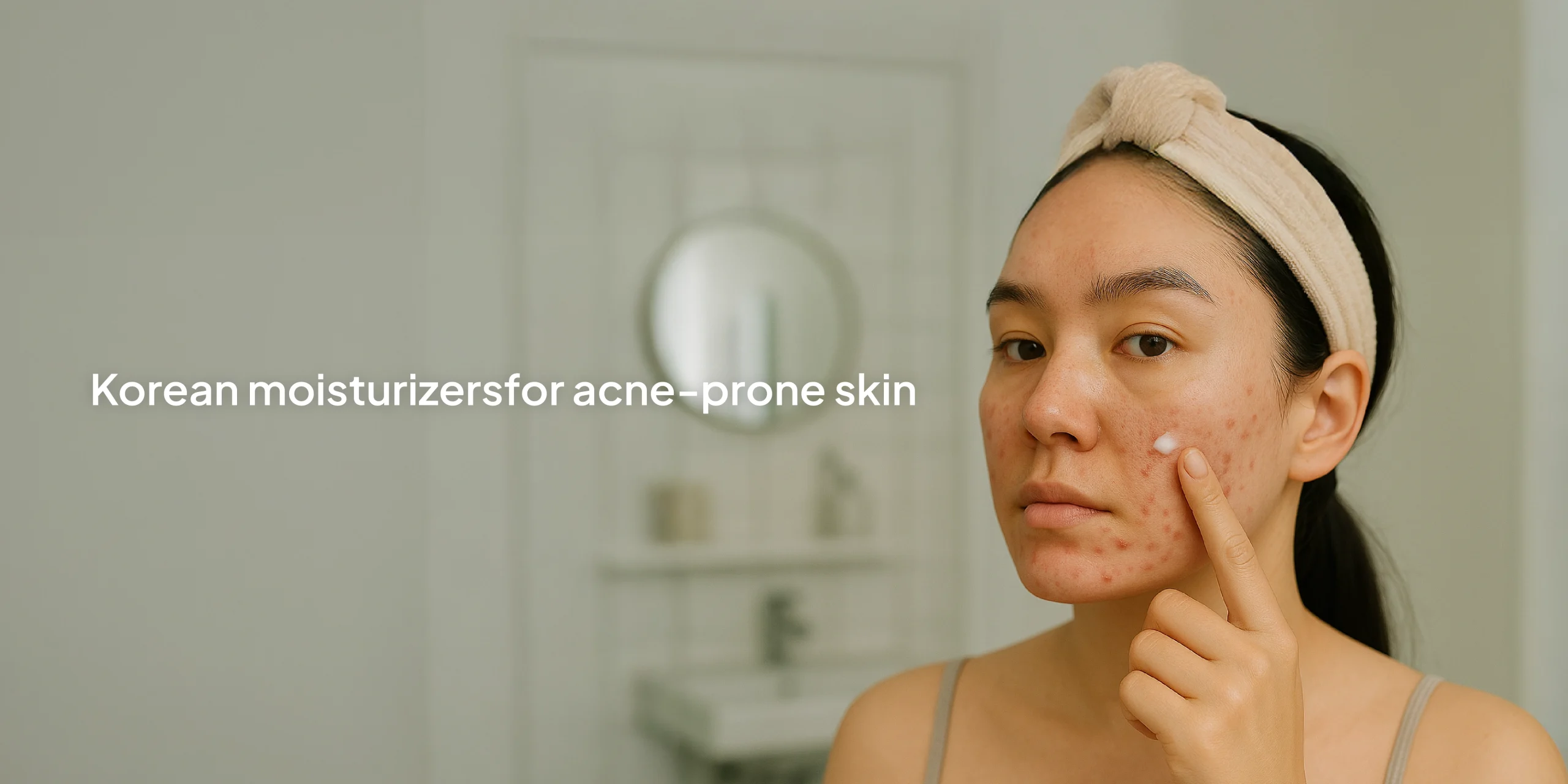
A soothing moisturizer for acne-prone skin must provide essential hydration without clogging pores (non-comedogenic) while actively calming the inflammation associated with breakouts and harsh clinical treatments. As of 2026, the most effective formulations focus on skin barrier repair using ingredients like ceramides, centella asiatica, and niacinamide to reduce redness and sensitivity.
The Essential Role of Hydration in Acne Management
It is a common misconception that acne-prone or oily skin should be "dried out" to resolve breakouts. In reality, maintaining a healthy skin barrier is one of the most critical aspects of managing acne. When the skin’s outermost layer, the stratum corneum, becomes dehydrated, it triggers a process known as reactive seborrhea. This is the skin's attempt to compensate for moisture loss by overproducing sebum, which can lead to further pore blockages and more frequent breakouts.
Furthermore, many traditional acne treatments—including benzoyl peroxide, salicylic acid, and retinoids—work by accelerating cell turnover or reducing bacterial load, but they often leave the skin barrier compromised. This leads to transepidermal water loss (TEWL), resulting in tightness, flaking, and a stinging sensation. A soothing moisturizer acts as a functional "safety net," allowing these active treatments to work effectively while minimizing the collateral damage to the skin’s inflammatory response. By 2026, dermatological guidelines emphasize that soothing hydration is not an optional step but a requirement for any successful acne regimen.
Key Ingredients for Soothing and Repair
Selecting a moisturizer for acne-prone skin requires a careful analysis of the ingredient deck. The goal is to identify compounds that actively suppress inflammation and restore the lipid bilayer without introducing heavy oils that could trigger comedones.
Barrier-Repairing Ceramides
Ceramides are long-chain fatty acids that make up approximately 50% of the skin’s natural lipid composition. In acne-prone individuals, ceramide levels are often depleted, particularly Ceramide 1 and 3. Replenishing these through a topical moisturizer helps "seal" the skin barrier, preventing irritants from entering and moisture from escaping. This structural reinforcement is vital for reducing the sensitivity often felt during an active breakout.
Centella Asiatica (Cica)
Known colloquially as "Tiger Grass," Centella Asiatica has become a staple in soothing skincare. It contains active compounds such as madecassoside and asiaticoside, which have been clinically proven to accelerate wound healing and reduce redness. For those with inflammatory acne (papules and pustules), Cica-infused moisturizers provide immediate relief by downregulating pro-inflammatory cytokines in the skin.
Niacinamide (Vitamin B3)
Niacinamide is a versatile powerhouse for acne-prone skin. It serves multiple functions: it regulates sebum production, improves skin elasticity, and, most importantly for this guide, acts as an anti-inflammatory. It helps to fade post-inflammatory hyperpigmentation (PIH)—the red or dark spots left behind after a pimple heals—while strengthening the skin's surface.
Squalane
While many oils are problematic for acne, squalane is a notable exception. It is a stable, saturated version of squalene, a lipid naturally found in human sebum. Because it is bio-identical, it provides lightweight emollience without being occlusive or "heavy." It mimics the skin's natural oils to provide a smooth texture and deep hydration without the risk of oxidation that leads to clogged pores.
Navigating Texture and Formulation Types
The "weight" of a moisturizer is often just as important as its ingredients. In 2026, formulation technology has advanced to provide high-level hydration in textures that feel weightless on the skin.
| Moisturizer Type | Primary Characteristics | Best For | Technical Advantage |
|---|---|---|---|
| Gel Moisturizers | Water-based, oil-free, fast-absorbing. | Oily and congested skin. | High humectant content (Glycerin, Hyaluronic Acid) provides instant cooling. |
| Gel-Creams | A hybrid of water-base and light emollients. | Combination and sensitive-acne skin. | Balances hydration with a light barrier-sealing effect. |
| Barrier Balms | Thicker, often containing Zinc or Cica. | Localized dry patches or "purging" skin. | Provides an occlusive layer to protect severely damaged or peeling skin. |
| Lotion/Emulsions | Fluid-like consistency, slightly milky. | Daily wear under sunscreen/makeup. | Spreads easily over large areas without feeling greasy. |
Ingredients to Avoid in Acne-Prone Routines
Just as important as what is included is what is excluded. Acne-prone skin is frequently hyper-reactive, meaning that common cosmetic additives can trigger "cosmetic acne" or exacerbate existing inflammation.
- Comedogenic Oils and Waxes: Avoid high concentrations of coconut oil, cocoa butter, and certain synthetic esters like isopropyl myristate. These have a molecular structure that easily traps sebum and dead skin cells within the follicle.
- Synthetic Fragrances and Essential Oils: While they provide a pleasant sensory experience, fragrances are the leading cause of contact dermatitis. In acne-prone skin, this irritation can be mistaken for a breakout, leading to a cycle of over-treating the skin with harsh acids.
- Drying Alcohols: Denatured alcohol, ethanol, and isopropyl alcohol are often used to make products feel "mattifying." However, they strip the acid mantle, leading to long-term barrier dysfunction and increased sensitivity.
- Heavy Silicones: While some silicones (like dimethicone) are safe and helpful for creating a protective layer, excessively high concentrations in thick creams can trap sweat and bacteria against the skin in humid environments.
How to Integrate a Soothing Moisturizer into Your Routine
For maximum efficacy, a soothing moisturizer should be applied strategically to complement other treatments. The standard 2026 dermatological recommendation follows a "thin-to-thick" layering approach.
Step 1: Cleansing. Use a pH-balanced, non-foaming cleanser to remove debris without stripping lipids. Step 2: Treatment Actives. Apply your prescription retinoid or salicylic acid treatment to dry skin. Step 3: The "Buffering" Layer. If your skin is particularly sensitive, you can apply your soothing moisturizer before your active treatment. This is known as "buffering" and helps slow the penetration of the active ingredient, reducing the risk of irritation without neutralizing the treatment's benefits. Step 4: Primary Hydration. Apply the moisturizer while the skin is still slightly damp from previous steps to "lock in" water. Step 5: Protection. In the morning, always follow with a non-comedogenic SPF 30 or higher. Many soothing moisturizers now come formulated with mineral filters like Zinc Oxide, which also possesses natural anti-inflammatory properties.
Common Pitfalls in Acne Hydration
Even with the right product, usage errors can hinder progress. One common mistake is "under-moisturizing." Many individuals with oily skin apply a pea-sized amount that is insufficient to cover the entire face, leaving areas prone to dehydration. Conversely, "over-slugging"—applying heavy occlusives like petroleum jelly over acne-prone areas—can trap heat and oil, leading to folliculitis or milia.
Another error is inconsistent application. Barrier repair is a cumulative process. It takes approximately 28 days for the skin to complete a full turnover cycle. Switching products every few days or skipping moisturizer when the skin feels "too oily" prevents the barrier from ever reaching a state of equilibrium.
Does moisturizing make acne worse?
No, provided the moisturizer is non-comedogenic and oil-free. Dehydrated skin actually produces more oil to compensate for the lack of moisture, which can lead to more clogged pores. Using a soothing, water-based moisturizer helps balance sebum production and calms the inflammation that drives the acne cycle.
Can I use a moisturizer with "Cica" every day?
Yes, Centella Asiatica (Cica) is an excellent daily ingredient for acne-prone skin. It is non-irritating and works continuously to repair the skin barrier and reduce redness. It is particularly beneficial when used alongside drying treatments like benzoyl peroxide or prescription-strength retinoids.
How do I know if my skin barrier is damaged?
Signs of a damaged skin barrier include a persistent "shiny" look even when skin is dry to the touch, redness, stinging when applying basic products, and unusual flaking. If your regular acne treatments suddenly start to burn, it is a clear indicator that you need to pause the actives and focus exclusively on a soothing moisturizer.
Is hyaluronic acid good for acne-prone skin?
Hyaluronic acid is a powerful humectant that can hold 1,000 times its weight in water, making it excellent for hydration. However, it should always be followed by an emollient or occlusive ingredient (like squalane or dimethicone) to prevent the moisture from evaporating, especially in dry climates.
What is the difference between "soothing" and "moisturizing"?
Moisturizing refers to the general act of adding hydration or oil to the skin. "Soothing" refers specifically to the inclusion of anti-inflammatory agents that reduce heat, redness, and irritation. For acne-prone skin, a product should ideally do both to address both the dryness and the underlying inflammation.
Optimizing Your Long-Term Skin Health
To achieve lasting results, focus on the "Sooth, Repair, and Protect" philosophy. In 2026, the market offers a wide array of sophisticated, clinical-grade moisturizers that cater specifically to the needs of those struggling with adult and adolescent acne. Start by selecting a fragrance-free, gel-cream formula rich in ceramides or centella asiatica. Observe your skin's reaction over a period of four weeks; you should notice a reduction in overall redness and a more resilient texture. If your skin continues to feel irritated despite using a soothing guide, consult a board-certified dermatologist to rule out underlying conditions like rosacea or perioral dermatitis, which can often mimic acne.