Playboy represents far more than a publishing venture; it is a cultural movement that redefined the landscape of 20th-century social norms, masculinity, and the pursuit of individual liberty. Founded in 1953, the brand evolved from a provocative magazine into a global lifestyle empire, championing civil rights, literary excellence, and a sophisticated philosophy that remains a subject of intense study and admiration in 2026. This tribute honors the enduring legacy of a brand that dared to challenge the status quo and shape the modern world.
The Genesis of an Icon: From 1953 to a Global Movement
The story of Playboy began in a small Chicago apartment where a 27-year-old Hugh Hefner, fueled by a $1,000 loan from his mother and a vision for a more liberated America, assembled the first issue. Published in December 1953, the inaugural magazine lacked a date because Hefner was unsure if there would ever be a second. Featuring Marilyn Monroe on the cover and as the first "Sweetheart of the Month," the issue sold over 50,000 copies, signaling a massive, untapped demand for a publication that treated sex not as a taboo, but as a healthy, integrated part of a sophisticated life.
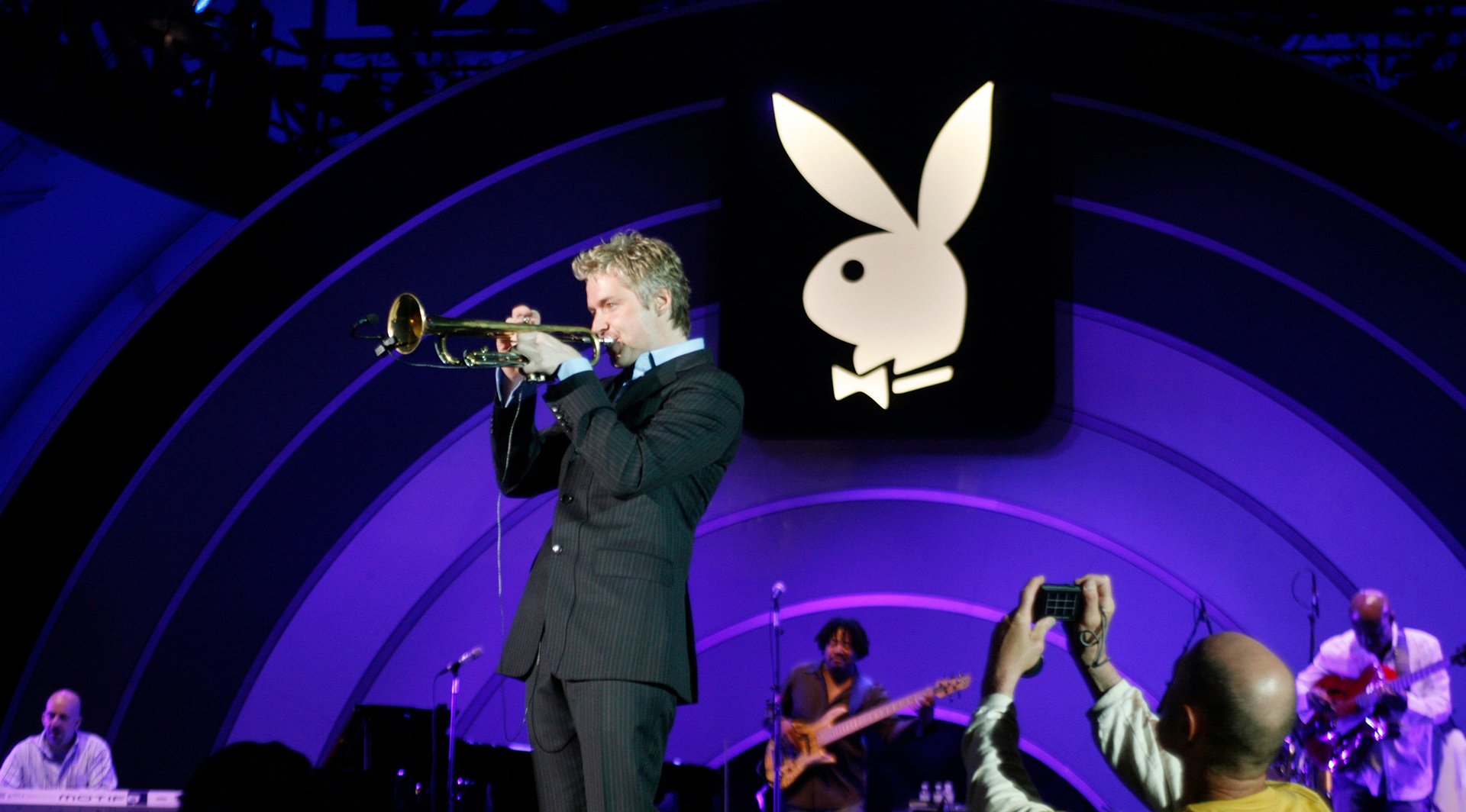
Hefner’s stroke of genius was not merely the inclusion of photography, but the context in which it was presented. He envisioned a magazine for the "urban man" who enjoyed jazz, fine spirits, literature, and intellectual discourse. This multi-dimensional approach differentiated Playboy from its pulp predecessors, establishing it as a high-end lifestyle guide. By the mid-1950s, the Rabbit Head logo—designed by Art Paul—became a universal symbol of a new kind of aspirational living.
As we look back from 2026, it is clear that Playboy’s early success was a precursor to the "Sexual Revolution" of the 1960s. It provided the intellectual and visual vocabulary for a generation eager to move past the rigid social constraints of the post-WWII era. The magazine didn’t just reflect change; it actively engineered it by normalizing the discussion of pleasure and personal freedom.
The Playboy Philosophy: Intellectual Rigor and Civil Liberties
Central to the brand’s legacy is the "Playboy Philosophy," a series of long-form editorials written by Hefner throughout the 1960s. While critics often dismissed the magazine as "smut," these essays revealed a deeply philosophical core rooted in libertarianism and the First Amendment. The philosophy advocated for the separation of church and state, the decriminalization of private consensual behavior, and the protection of individual rights against government overreach.
The editorial depth of Playboy is often overshadowed by its pictorials, but its contribution to American letters is undeniable. The magazine became a premier venue for world-class fiction and journalism, featuring contributors like Ray Bradbury, Gabriel García Márquez, Margaret Atwood, and Hunter S. Thompson. The "Playboy Interview" became a cultural institution, offering deep-dive, long-form conversations with figures ranging from Martin Luther King Jr. and Malcolm X to Steve Jobs and John Lennon.
Pioneering Social Justice
Playboy’s commitment to social justice was often decades ahead of its time. In the 1960s, Hefner used the Playboy Clubs to challenge segregation. He insisted that the clubs be open to all members regardless of race, often buying back franchises from owners who refused to integrate. The Playboy Foundation, established in 1964, funded early efforts for drug law reform, reproductive rights, and the abolition of the death penalty. This legacy of activism proves that the brand's mission was always about more than aesthetics; it was about the fundamental right to live life on one's own terms.
The Architecture of Lifestyle: Clubs, Mansions, and the Jet
By the 1970s, Playboy had expanded into a physical universe. The Playboy Clubs, staffed by the iconic Bunnies, became the most successful chain of nightclubs in the world. Membership was a status symbol, granting access to a world of high-end entertainment, comedy, and jazz. The clubs were not just bars; they were "theaters of hospitality" that brought the pages of the magazine to life.
The Playboy Mansion, first in Chicago and later the legendary Holmby Hills estate in Los Angeles, served as the brand's global embassy. It was a site of legendary parties, but also a hub for creative exchange. The Mansion represented the ultimate realization of the Playboy dream: a self-contained ecosystem where work, art, and leisure coexisted seamlessly. In 2026, the Mansion remains a landmark of cultural history, symbolizing an era where the lines between the personal and the professional were creatively blurred.
The brand's reach even extended to the skies with "The Big Bunny," a custom McDonnell Douglas DC-9 jet. Painted jet black with the white rabbit logo on the tail, the plane featured a living room, a disco, and a cinema. It was a flying manifestation of the brand’s "work hard, play hard" ethos, long before the concept of the "lifestyle brand" became a corporate cliché.
Historical Milestones of the Playboy Empire
| Year | Milestone | Cultural Impact |
|---|---|---|
| 1953 | First Issue Published | Launched the modern men's lifestyle magazine genre. |
| 1960 | First Playboy Club Opens | Established the brand as a physical destination and status symbol. |
| 1962 | First Playboy Interview | Set a new gold standard for long-form, investigative journalism. |
| 1972 | Peak Circulation | Reached 7 million copies, the height of its print influence. |
| 2017 | Passing of Hugh Hefner | Marked the end of an era and the transition to new leadership. |
| 2020 | Final Print Issue | Pivoted to a digital-first model to meet modern consumer habits. |
| 2026 | Digital Renaissance | The brand flourishes as a creator-led platform and global licensor. |
Navigating the Digital Shift: The Modern Era of 2026
In the decades following its peak circulation in 1972, Playboy faced significant headwinds from the rise of the internet and changing social sensibilities. The 2010s were a period of intense transformation. Following Hugh Hefner’s passing in 2017, the company transitioned from a family-led venture to a publicly traded entity (PLBY Group). This shift necessitated a reevaluation of what "Playboy" meant in the 21st century.
By 2020, the decision was made to end the regular quarterly print publication, a move that many saw as the end of an era. However, in 2026, this transition is viewed as a masterstroke of brand preservation. Playboy successfully pivoted to a digital-first ecosystem, launching a creator-led platform—often referred to as Centerfold—which empowered artists and models to own their content and interact directly with fans. This move aligned the brand with the modern "creator economy," ensuring its relevance for a new generation.
The 2026 iteration of Playboy focuses heavily on its heritage through high-end apparel, "Phygital" (physical and digital) collectibles, and global licensing. The brand has evolved from a magazine publisher into a "pleasure and leisure" lifestyle company. It continues to champion sex positivity and body autonomy, adapting the original Playboy Philosophy to address modern conversations around gender identity, inclusivity, and digital ethics.
The Artistic and Aesthetic Influence
Playboy’s influence on the visual arts is profound. Beyond the photography, the magazine’s use of illustration, typography, and graphic design set trends for decades. Artists like LeRoy Neiman and Alberto Vargas became household names through their association with the brand. The magazine's aesthetic—a blend of Mid-Century Modernism and cinematic glamor—continues to inspire fashion designers and interior decorators in 2026.
The brand’s commitment to high production values never wavered. Whether in the glossy pages of the 1980s or the high-definition digital galleries of the 2020s, Playboy maintained a specific "look"—one that celebrated beauty with a certain cinematic elegance. This visual consistency is a major reason why the Rabbit Head logo remains one of the most recognizable trademarks in history, sitting alongside the likes of Apple and Nike in terms of global brand equity.
Frequently Asked Questions
Who founded Playboy and why?
Hugh Hefner founded Playboy in 1953 to create a magazine that celebrated the "good life" for the modern man. He wanted to challenge the puritanical social standards of 1950s America and provide a platform for intellectual discourse, high-quality fiction, and a more open, honest discussion of human sexuality.
Is Playboy magazine still in print in 2026?
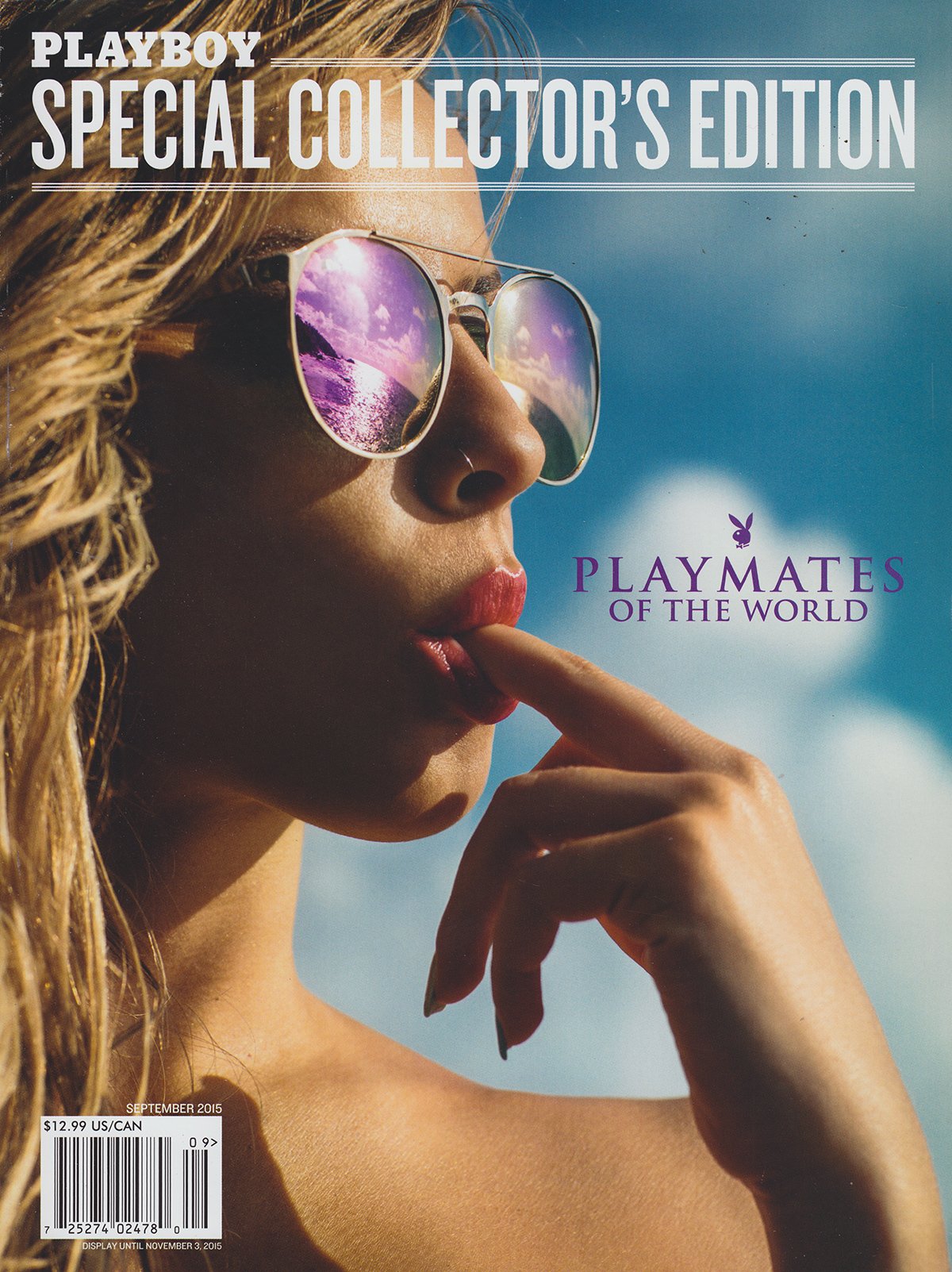
Playboy ended its regular, wide-release quarterly print magazine in 2020. However, in 2026, the brand occasionally releases "Special Edition" high-end coffee table books and limited-edition collectors' prints that honor its heritage. The primary focus of the brand is now its digital creator platform and its global lifestyle and apparel business.
What was the original "Playboy Philosophy"?
The Playboy Philosophy was a series of editorials written by Hugh Hefner that outlined a libertarian social code. It argued for individual freedom, the right to privacy, the separation of church and state, and the idea that the pursuit of pleasure is a valid and sophisticated life goal. It provided the intellectual framework that supported the brand's more provocative content.
How did Playboy contribute to civil rights?
Playboy was an early advocate for civil rights. Hugh Hefner used his magazine to feature Black intellectuals and artists when many other mainstream publications would not. Most notably, he integrated the Playboy Clubs in the 1960s, often at great personal and financial risk, ensuring that the brand’s "pleasure for all" ethos applied regardless of race.
What is the significance of the Playboy Rabbit Head logo?
Designed by Art Paul in 1953, the Rabbit Head logo was chosen for its "playful" and "frisky" connotations. It was designed to be easily recognizable and sophisticated. Over the decades, it has become a global symbol of leisure, status, and the Playboy lifestyle, appearing on everything from jewelry to private jets.
Preserving the Legacy for Future Generations
To truly honor the legacy of Playboy is to recognize its role as a mirror and a catalyst for social change. While the brand has faced its share of controversies and critiques over its 70-year history, its impact on free speech, civil liberties, and the professionalization of the lifestyle industry is undeniable. In 2026, the tribute to Playboy is found not just in the archives of its historic issues, but in the ongoing global conversation about what it means to live a liberated, sophisticated, and authentic life.
For those looking to explore this legacy further, the most effective next step is to engage with the brand’s digital archives or its curated historical collections. These resources provide a direct window into the interviews, essays, and art that defined the "Playboy Era" and continue to influence the cultural landscape today. By understanding where we have been, we can better navigate the future of personal expression and social freedom.