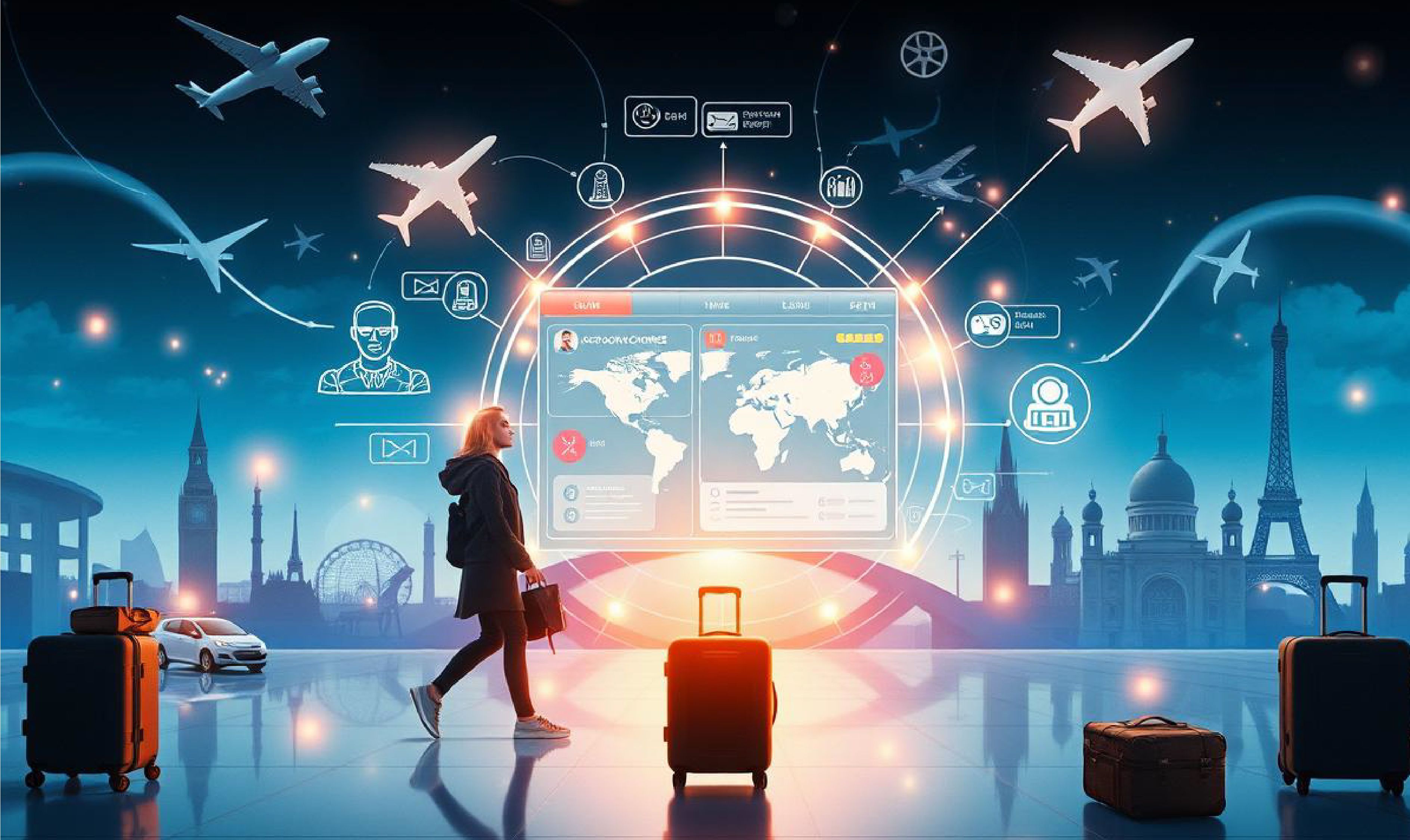
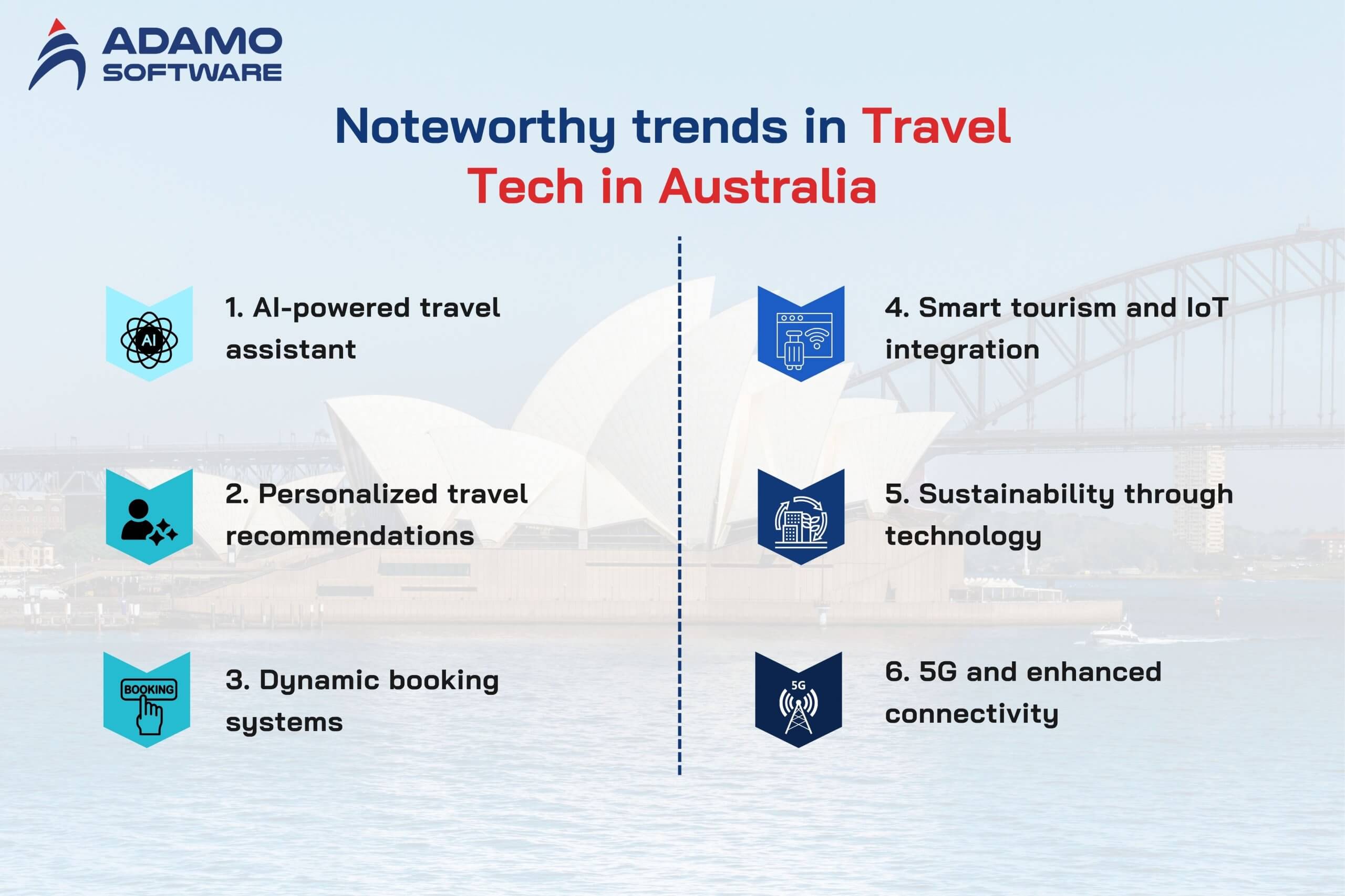
Travel tech encompasses the integrated hardware, software, and digital infrastructure—such as Global Distribution Systems (GDS), AI-driven booking engines, and biometrically secured airport processes—designed to automate, optimize, and personalize the end-to-end journey. It bridges the gap between fragmented travel service providers and the traveler’s demand for seamless, real-time connectivity across flights, lodging, and local transit.
The Evolution of Travel Infrastructure
The travel tech ecosystem has evolved from simple reservation databases into a complex, multi-layered architecture. Historically, travel planning was reliant on travel agents using legacy computer systems to manually verify seat availability or hotel inventory. Today, this process is dominated by Application Programming Interfaces (APIs) and the New Distribution Capability (NDC) standard, which allow real-time communication between airlines, travel management companies, and end-user platforms.
At the core of this infrastructure are the three major Global Distribution Systems: Amadeus, Sabre, and Travelport. These platforms act as the central nervous system of the industry, aggregating inventory from hundreds of airlines, thousands of hotels, and ground transportation providers. By 2026, the focus has shifted from mere inventory aggregation to hyper-personalized retailing. Systems now utilize predictive analytics to offer ancillary services—such as specific seat preferences, meal upgrades, or carbon-offsetting options—based on a traveler’s historical data and real-time behavioral patterns.
Key Segments of the Travel Tech Ecosystem
The industry is generally categorized by its operational focus, moving from backend distribution to frontend consumer interaction. Understanding these segments is vital for stakeholders looking to optimize their travel workflow or develop digital solutions.
- Distribution Systems (GDS/NDC): These are the backbone of the industry. While GDS maintains the legacy infrastructure for vast global reach, NDC enables airlines to bypass these legacy systems to provide richer, more customized content directly to travel sellers.
- Online Travel Agencies (OTAs) and Metasearch: Entities like Booking Holdings and Expedia Group utilize sophisticated algorithms to compare prices and availability. Metasearch engines, such as Kayak or Skyscanner, do not typically process the booking themselves but redirect users to the primary provider, acting as essential discovery tools.
- Property Management Systems (PMS) and Revenue Management: For hotels and short-term rentals, these software suites automate check-in, dynamic pricing (changing rates based on demand), and guest communication.
- Biometric and Identity Management: Increasingly, tech focused on "frictionless travel" utilizes facial recognition and digital identity verification to streamline security checkpoints and boarding processes, reducing reliance on physical documentation.
Strategic Comparison of Travel Tech Solutions
| Segment | Primary Objective | Key Technologies |
|---|---|---|
| GDS | Inventory Centralization | Legacy mainframe, API connectivity |
| OTAs | Consumer Conversion | Machine learning, dynamic pricing engines |
| Property Management | Operational Efficiency | Cloud-based PMS, IoT guest room controls |
| Airport Tech | Security and Flow | Biometrics, automated kiosks, NFC transit |
Digital Transformation in Hospitality and Transit
The integration of Internet of Things (IoT) devices in hospitality has fundamentally changed the guest experience. By 2026, high-end hotel chains have largely moved toward mobile-first check-in, where a guest’s smartphone acts as their room key, thermostat control, and concierge interface. This transformation is driven by the need to lower labor costs while simultaneously increasing the data touchpoints available to the property, which can then be used to offer targeted loyalty incentives.
In the realm of transit, travel tech has facilitated the rise of "Mobility-as-a-Service" (MaaS). MaaS platforms consolidate various modes of transportation—trains, ride-sharing, electric scooters, and public buses—into a single application. This allows a user to plan, book, and pay for a multi-modal trip on one ticket. The primary technical hurdle remains the interoperability of ticketing systems across disparate municipal and private transit operators.
Challenges in Data Security and Privacy
With the digitization of travel comes significant exposure regarding Personal Identifiable Information (PII). Travelers share passport numbers, financial details, and biometric data across multiple platforms. Ensuring compliance with regional regulations, such as the General Data Protection Regulation (GDPR) in the European Union and various state-level privacy acts in the United States, is a primary operational requirement for any travel tech firm.
Security implementations now prioritize "Privacy by Design," where data is encrypted not only at rest but also in transit between the airline, the OTA, and the hotel. Furthermore, the industry is increasingly adopting blockchain technology for decentralized identity verification. This allows travelers to prove their identity or vaccination status without sharing the underlying raw data, thereby minimizing the risk of a massive data breach involving sensitive personal files.
Addressing Friction: The Role of AI and Automation
Artificial Intelligence (AI) currently serves as the most prominent problem-solver in travel tech. Beyond chatbots, generative AI models are being used to create complex, multi-stop itineraries that consider flight delays, weather patterns, and budget constraints simultaneously. When a flight is canceled, automated rebooking engines—integrated directly into airline APIs—can now reroute thousands of passengers in minutes, a task that once required hours of manual labor by call center staff.
However, over-reliance on automation can lead to "black box" scenarios where a traveler is unable to reach a human agent to resolve a unique or edge-case complication. Experts recommend that travelers always verify the digital support window of any service provider before relying solely on automated booking platforms for high-complexity travel itineraries.
Frequently Asked Questions
What is the difference between a GDS and an OTA?
A Global Distribution System (GDS) is the backend inventory database used by travel agencies and airlines to facilitate booking, while an Online Travel Agency (OTA) is the consumer-facing platform that uses these systems to sell travel products directly to the public.
How does NDC change the booking process?
New Distribution Capability (NDC) is an XML-based data transmission standard that allows airlines to offer customized, rich content—such as bundled services or exclusive pricing—that cannot be communicated through the older, more limited GDS protocols.
Are digital room keys safe for guests?
Digital room keys rely on encrypted tokens transmitted via Bluetooth or NFC (Near Field Communication) between a guest’s smartphone and the door lock; while generally secure, users should ensure their mobile OS is updated to the latest security patches to mitigate potential unauthorized access risks.
What is the main benefit of biometric travel?
The primary benefit is the reduction of physical interaction and waiting times at security checkpoints and boarding gates by using pre-verified facial or iris scans to authenticate a traveler’s identity against their passport or ticket data.
How can travelers avoid problems with automated booking?
To minimize risk, ensure your itinerary is linked directly to your frequent flyer or loyalty account; this creates a verifiable digital record with the service provider that can be accessed by human staff even if the booking platform’s interface encounters an error.
Next Actions for Optimized Travel Management
If you are planning a trip or managing travel for an organization, begin by auditing your current tech stack. Prioritize platforms that offer direct API integration with airlines and hotels to ensure that your itinerary remains synchronized across all providers. For individual travelers, ensure that you have downloaded the official apps of your primary carriers; in 2026, these proprietary apps are almost universally more capable of handling real-time rebooking and service changes than third-party aggregators. Finally, verify that your digital identity is updated within the airline’s loyalty portal to facilitate the use of automated, touchless baggage drop and boarding services, which remain the most effective way to save time in high-traffic airports.