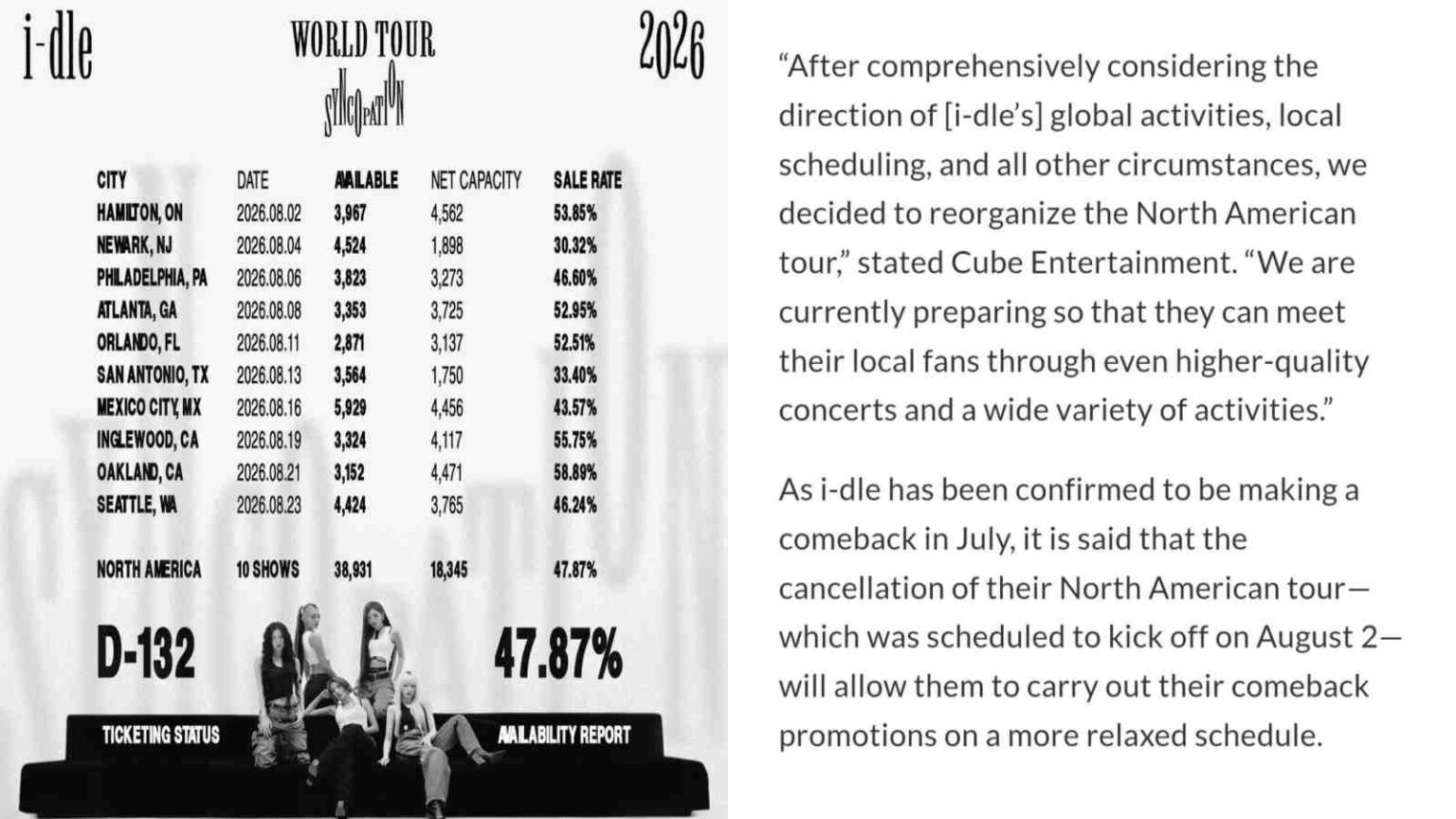
A tour cancellation occurs when an operator, agency, or individual host terminates a scheduled travel experience due to unforeseen circumstances, operational failures, or insufficient participation. When this happens, passengers are generally entitled to a full refund of payments made, provided the cancellation is initiated by the service provider, though specific outcomes often depend on the terms and conditions agreed upon at the time of booking and the governing jurisdiction.
Understanding the Legal Grounds for Tour Cancellation
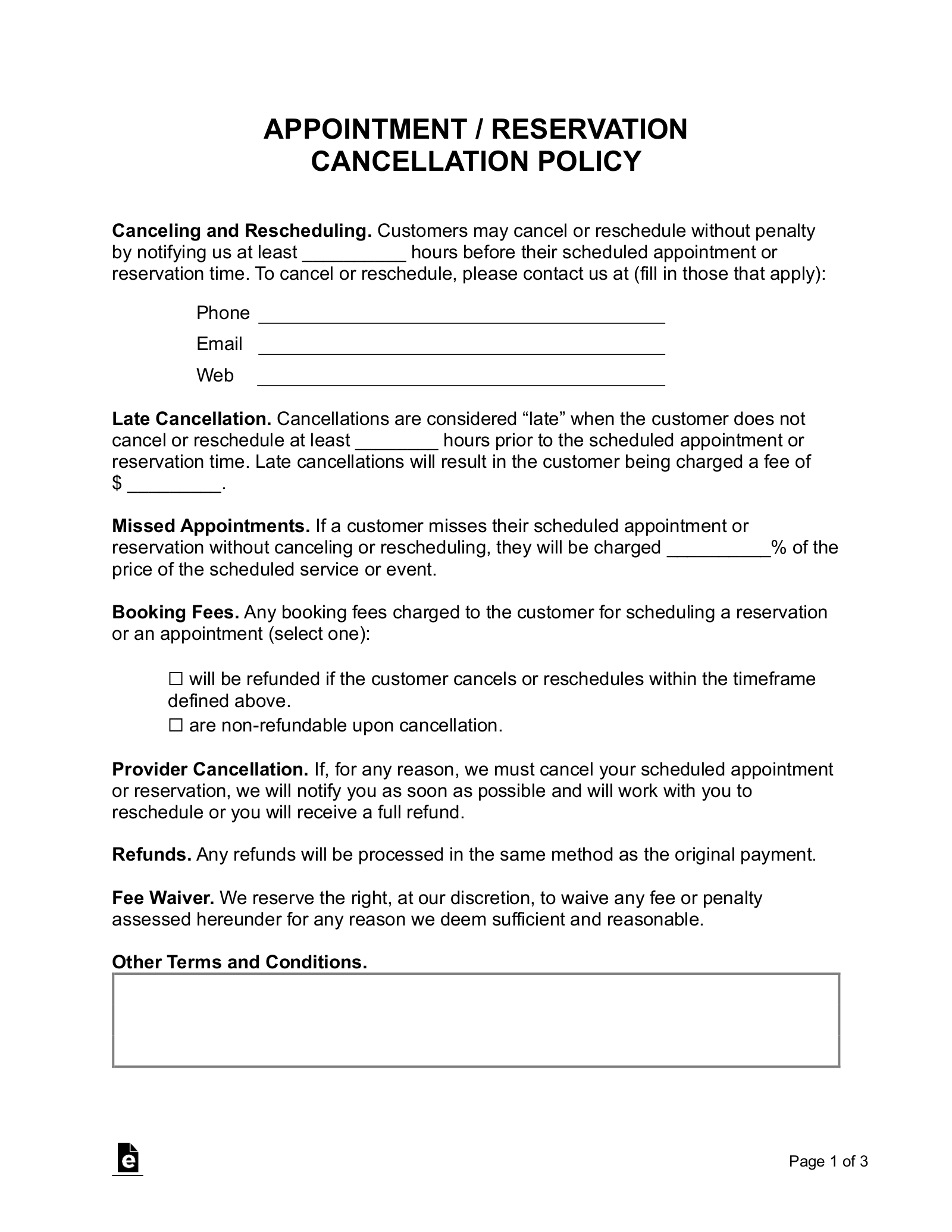
When you book a tour, you are entering into a binding contract with an operator or a travel agency. The terms of that contract, usually provided in a "Terms and Conditions" document, dictate the legal rights of both parties in the event of a cancellation. In most legal jurisdictions, such as those governed by European Union regulations (e.g., Directive 2015/2302) or regional consumer protection laws in the United States and Canada, operators are required to provide a refund if they cannot deliver the services promised.
Operators typically reserve the right to cancel tours due to "force majeure" events—unforeseeable circumstances that prevent the fulfillment of a contract. These include natural disasters, war, government-mandated travel restrictions, or severe weather that renders the destination unsafe. However, if an operator cancels a tour for reasons within their control—such as failing to reach the minimum number of participants required to make a trip viable—consumers generally hold strong legal standing to demand a full monetary refund rather than a voucher or credit.
Financial Recourse and Refund Procedures
The process of recovering funds after a tour cancellation depends largely on the payment method used and the status of the operator. If you paid via credit card, you have a distinct advantage through the chargeback process.
- Requesting a Refund: Always start by formally contacting the operator in writing to request a full refund. Reference your booking number and the specific date of the cancelled tour.
- Reviewing Cancellation Policies: Re-examine the contract provided at the time of booking. Some operators may offer a "credit note" or "travel voucher." You are usually not legally obligated to accept these unless the original contract explicitly specifies that in the event of a supplier cancellation, only vouchers will be issued.
- Escalation: If the operator refuses a refund for a non-force majeure event, contact your credit card issuer to initiate a dispute. Under the Fair Credit Billing Act (in the U.S.) or similar consumer protection laws, you can often dispute charges for services that were not received.
- Third-Party Providers: If you booked through a third-party aggregator or Online Travel Agency (OTA), the intermediary is often responsible for the refund process. Always communicate directly with the entity that processed your payment.
Comparison of Refund and Recovery Methods
| Method | Mechanism | Typical Timeline | Reliability |
|---|---|---|---|
| Direct Refund | Operator processes return to original payment method | 7–30 days | High (If operator is solvent) |
| Travel Voucher | Operator issues credit for future use | Immediate | Low (Depends on future availability) |
| Credit Card Chargeback | Bank reverses the transaction | 60–90 days | High (If within dispute window) |
| Travel Insurance Claim | Insurance provider reimburses non-refundable costs | 14–45 days | Variable (Subject to policy terms) |
The Role of Travel Insurance
Travel insurance is frequently misunderstood as a catch-all solution for any cancellation. In reality, standard policies generally cover "cancel for any reason" (CFAR) scenarios only if you have purchased a specific add-on. If an operator cancels your tour, your first line of recourse is the operator themselves; insurance is typically a secondary layer intended to cover losses when an operator declares bankruptcy or when you must cancel for personal reasons like sudden illness or family emergencies.
When reviewing your policy, look for "Supplier Default" or "Financial Insolvency" coverage. This specific clause is vital because it protects your investment if the tour company ceases operations entirely—a scenario where a standard refund request would be useless because there is no remaining entity to process it.
When Tours Are Cancelled Due to Insufficient Participation
Many tour operators set a "minimum guest" threshold to ensure the financial viability of a trip. This is a common industry practice, particularly for small-group adventure tours. When a tour is cancelled due to low numbers, it is legally classified as an operator-initiated cancellation.
In these instances, you are entitled to a full refund. Reputable companies typically notify guests 30 to 60 days before the departure date. If you receive notice of a cancellation for this reason, you should confirm if the operator is offering a "transfer" to an alternative date or an upgraded package as a gesture of goodwill. While you are free to accept these alternatives, do not feel pressured to do so if a full refund better suits your travel plans.
Common Pitfalls and How to Avoid Them
The most significant risk during a tour cancellation is the "Voucher Trap." Many companies will aggressively push for you to accept a voucher for future travel to avoid an immediate cash outflow. Before accepting any non-cash compensation, consider these factors:
- Company Stability: If the operator is struggling financially, a voucher is essentially worthless debt that you may never be able to redeem.
- Expiration Dates: Ensure you understand when the voucher expires. If it expires before you have concrete travel plans for 2027 or beyond, it is effectively a loss of funds.
- Price Increases: Check if the voucher is for a specific dollar amount or a specific tour. If it is a dollar amount, inflation and annual price hikes in the travel industry may render the voucher insufficient to cover a similar tour in the future.
Frequently Asked Questions
What happens if the operator offers a credit instead of a refund?
You are generally not required to accept a credit note for an operator-initiated cancellation. You have the right to request a full cash refund. If you do choose a credit, ensure it is fully transferable and does not have restrictive blackout dates that limit your ability to use it.
Can I get a refund if the cancellation was caused by a natural disaster?
This is a grey area often governed by "Force Majeure" clauses. While you may be entitled to a refund for the tour itself, the operator might be permitted to deduct reasonable expenses they have already incurred. Always check the specific wording in your contract regarding uncontrollable events.
Is it better to book directly with the operator or through a third party?
Booking directly provides a cleaner line of communication for refunds, but booking through a major, reputable third-party aggregator often provides an extra layer of consumer protection, as these platforms may have their own guarantee policies to maintain their reputation.
Does travel insurance cover my flights if the tour is cancelled?
Standard tour insurance usually covers the tour itself. If you booked flights separately, they are rarely covered unless you purchased a comprehensive policy that includes "trip interruption" or "trip cancellation" benefits that extend to airfare.
How long do I have to dispute a charge after a tour cancellation?
Most credit card issuers have strict windows for disputes, often 60 to 120 days from the date of the transaction or the date the service was supposed to occur. Monitor your email closely if a tour is cancelled, and act immediately to file a dispute if the refund does not arrive within the operator's stated timeframe.
Recommended Next Steps
If you are currently facing a tour cancellation, prioritize clear, written communication. Send an email to the operator explicitly stating that you require a full refund to your original payment method. Avoid phone calls as your primary method of communication, as you will need a paper trail if you eventually need to involve your bank or a consumer protection agency. If the operator remains unresponsive for more than 14 days, contact your bank to begin a formal chargeback process. Keep copies of your initial booking confirmation, the cancellation notice, and any subsequent correspondence for your records.