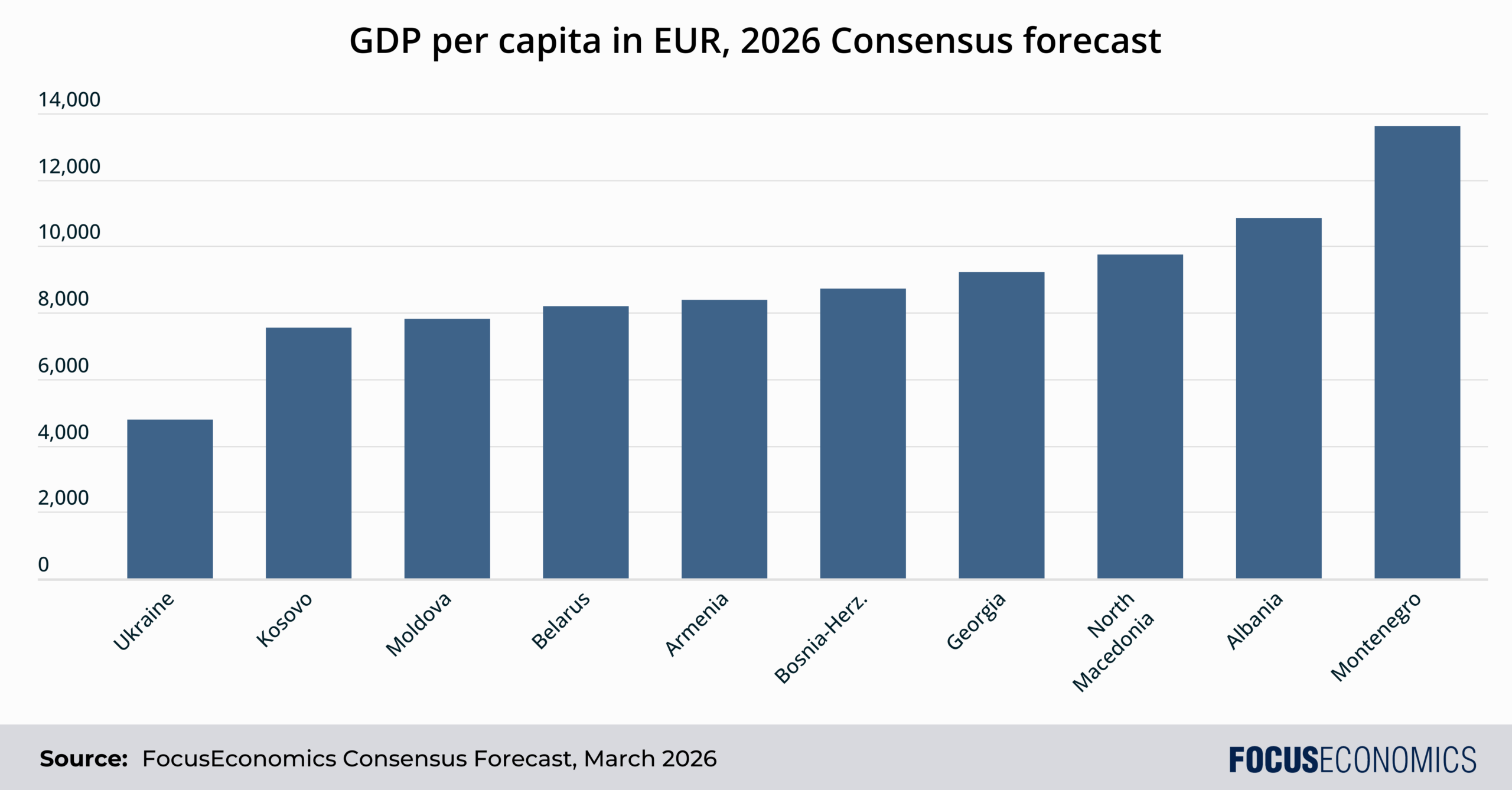
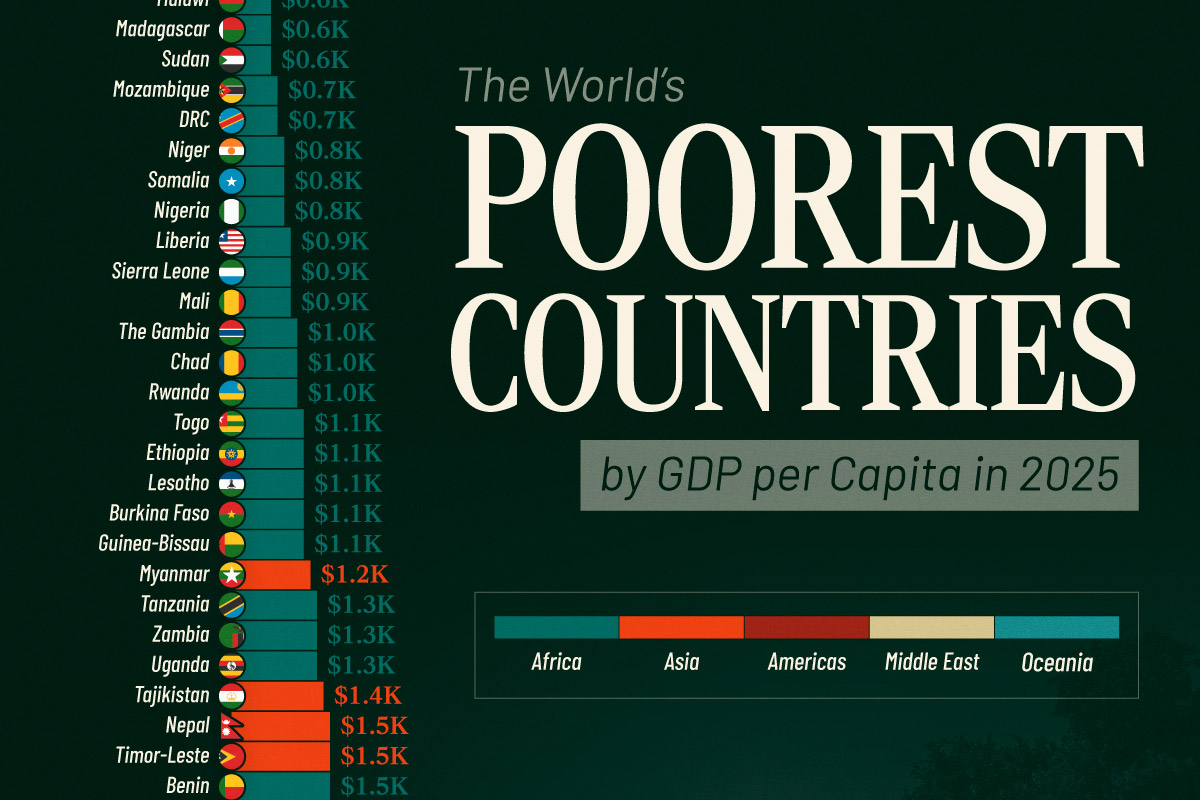
Determining the world’s poorest cities involves synthesizing macroeconomic data—specifically Purchasing Power Parity (PPP) adjusted GDP per capita—with qualitative indices covering human development, infrastructure stability, and public health access. While national GDPs are frequently tracked, urban-level economic data reveals stark disparities where high-density, low-income hubs face systemic challenges, including limited formal employment, inadequate sanitation, and restricted access to basic essential services.
Understanding Urban Economic Stagnation
To accurately assess the "poorest" cities, one must distinguish between national poverty and urban economic distress. Many of the world’s poorest cities are located in nations categorized as Least Developed Countries (LDCs) by the United Nations. In these environments, urban centers often experience rapid, unplanned migration from rural areas, which creates a surge in informal labor markets. The GDP per capita of these cities often reflects the output of limited industrial capacity compared to the total population, resulting in a low average per-inhabitant economic contribution.
Living conditions in these locations are heavily impacted by "infrastructure deficits." This term refers to the chronic lack of reliable electricity, clean water, sewage treatment, and paved transport networks. When a city lacks these fundamental pillars of modern governance, businesses cannot scale, and the cost of daily survival remains disproportionately high relative to income, effectively trapping residents in a cycle of subsistence.
Defining Key Metrics: GDP and Human Development
When ranking economic output at the municipal level, economists rely on GDP per capita. However, this metric is often an estimation in the context of many developing cities because a significant percentage of the economy occurs in the "informal sector"—transactions that are not taxed, recorded, or captured by traditional banking systems.
To complement GDP data, analysts use the Human Development Index (HDI) components:
- Life Expectancy: A primary indicator of public health, nutrition, and environmental safety.
- Mean Years of Schooling: A proxy for human capital and future economic potential.
- Access to Healthcare: Measured by the number of physicians per 10,000 residents and the prevalence of preventable diseases.
Top 10 Cities Facing Significant Economic and Developmental Challenges
While global rankings shift based on inflation and conflict, the following cities consistently appear in assessments regarding low economic output and developmental constraints. These are identified based on regional economic data from the World Bank and developmental reports from the UNDP.
| City | Country | Primary Economic Constraint |
|---|---|---|
| Mogadishu | Somalia | Political instability and infrastructure collapse |
| Bangui | Central African Republic | Resource scarcity and conflict-driven displacement |
| Bujumbura | Burundi | Landlocked geography and limited export base |
| Juba | South Sudan | Dependency on oil and civil disruption |
| Kinshasa | DR Congo | Rapid urbanization exceeding service capacity |
| Antananarivo | Madagascar | High poverty rates and climate-related damage |
| Niamey | Niger | Food insecurity and severe infrastructure gaps |
| Kabul | Afghanistan | Sustained economic isolation and sector decline |
| Port-au-Prince | Haiti | Vulnerability to natural disasters and political instability |
| Sana'a | Yemen | Protracted conflict and total disruption of trade |
Factors Contributing to Persistent Urban Poverty
The factors that keep these cities in a state of low GDP per capita are often structural. Political volatility is a primary driver; when a central government is unable to maintain the rule of law, foreign direct investment evaporates, and the local economy reverts to domestic survival models.
Furthermore, "geographical traps" play a critical role. Cities in landlocked nations, such as Bujumbura or Niamey, face significantly higher costs for importing and exporting goods. This increases the price of capital goods—machinery, technology, and raw materials—which are essential for building a modern economy. Without access to deep-water ports or reliable rail corridors, these cities remain disconnected from the global supply chain, limiting their GDP growth potential.
Challenges in Data Verification and Accuracy
Researching the economic status of the world’s poorest cities is fraught with technical difficulties. In many of the locations listed above, the state’s statistical agencies are underfunded or non-functional. Consequently, data is often extrapolated from national averages or derived from satellite-based nighttime light intensity mapping—a common technique used by development economists to estimate local economic activity when traditional reports are unavailable.
Readers should note that "GDP per capita" in these regions can fluctuate wildly due to local currency devaluation. If a nation's currency loses half its value against the US dollar in a single year, the city's nominal GDP per capita drops significantly, even if the daily lives of residents remain unchanged. Thus, when evaluating these rankings, it is essential to prioritize PPP (Purchasing Power Parity) metrics, which adjust for the local cost of living and provide a more accurate representation of the standard of living.
The Role of External Aid and Development Programs
For these ten cities, international aid remains a vital component of the local economy. Development programs from agencies like the World Bank, the African Development Bank, and various humanitarian NGOs provide the funding necessary for basic infrastructure, such as water purification systems and primary education.
In some cases, the presence of these organizations is the only reason the city’s economy remains functional. However, a significant challenge—often called the "aid trap"—is that reliance on external funding can sometimes discourage the development of local tax bases. The goal of current development efforts is to transition these cities from aid-dependency to sustainable, tax-revenue-generating hubs through small-business support, digital finance platforms, and localized manufacturing.
Frequently Asked Questions
Why is GDP per capita often unreliable for these specific cities?
GDP per capita is often unreliable because it ignores the informal economy, which can account for 60-80% of economic activity in developing cities. It also fails to account for wealth inequality; a small elite may hold significant assets while the majority of the population lives in absolute poverty.
How does political instability impact a city's GDP?
Conflict disrupts supply chains, destroys physical capital (buildings and roads), and causes "brain drain," where the most skilled professionals emigrate to safer regions. This permanently lowers the city's production capacity, leading to a long-term decline in output.
What is the most important indicator of a city's standard of living?
While GDP is a measure of money, the Multidimensional Poverty Index (MPI) is often a better indicator of living conditions. It measures deprivations in health, education, and living standards at the individual level, providing a more human-centric view than raw economic data.
Can these cities realistically grow their economies in the next decade?
Yes, but growth requires significant investment in "soft infrastructure," such as education, and "hard infrastructure," such as energy grids. Many of these cities have young populations; if these individuals are equipped with digital skills, they can participate in the global services economy, bypassing some of the physical barriers to growth.
Are these rankings permanent?
No, rankings of the poorest cities are dynamic. Cities that achieve internal stability and trade access often see their economic metrics improve rapidly. Conversely, cities can fall into these rankings due to sudden climatic events or political crises.
Taking Action: Supporting Sustainable Urban Development
For individuals interested in the economic health of these regions, the most effective path involves supporting organizations that focus on capacity building rather than mere emergency relief. Look for NGOs that focus on vocational training, micro-finance, and water infrastructure, as these have the highest "multiplier effect" on local economies. By fostering independent, locally owned businesses, these programs help cities move toward a state where their internal GDP per capita is driven by productivity rather than external assistance.