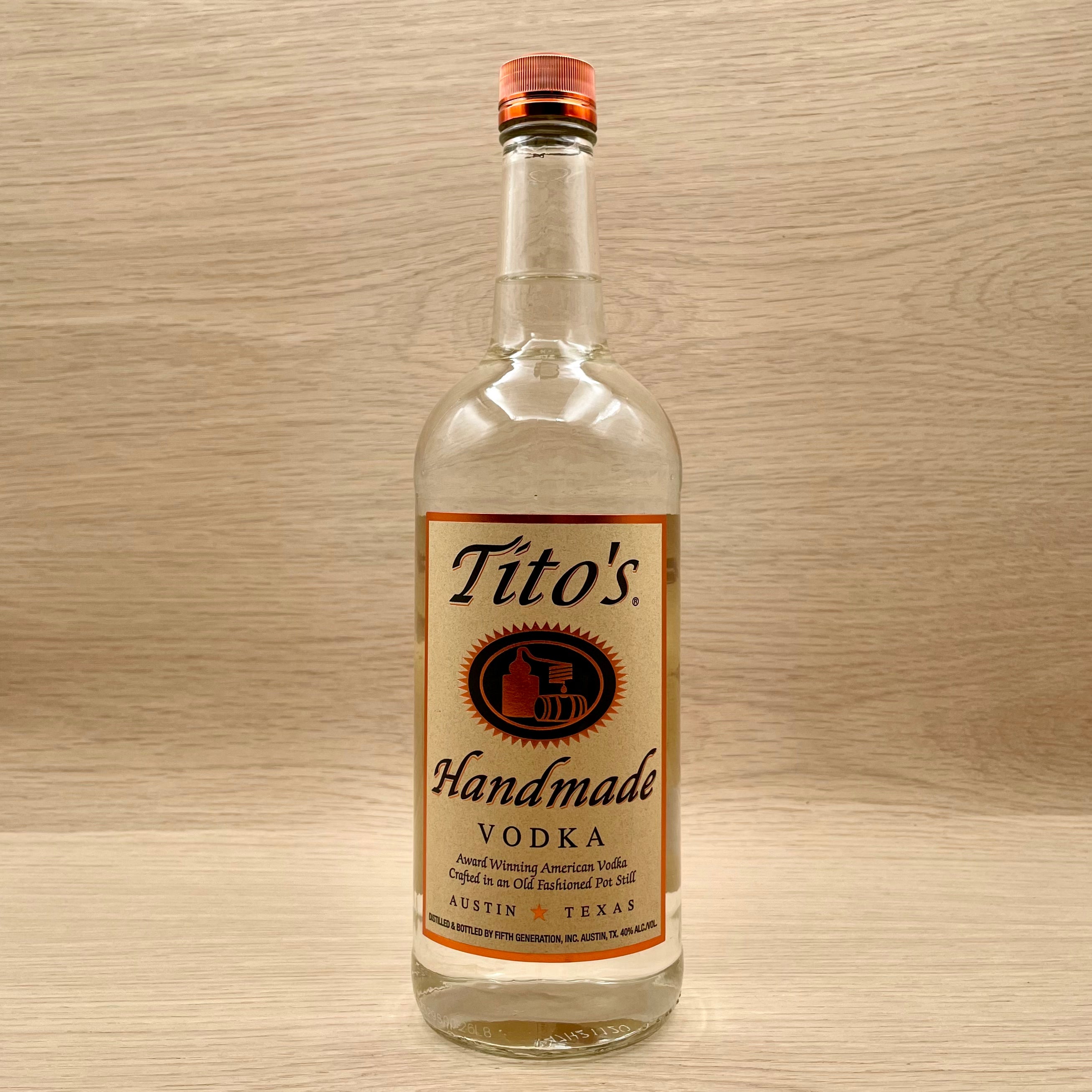
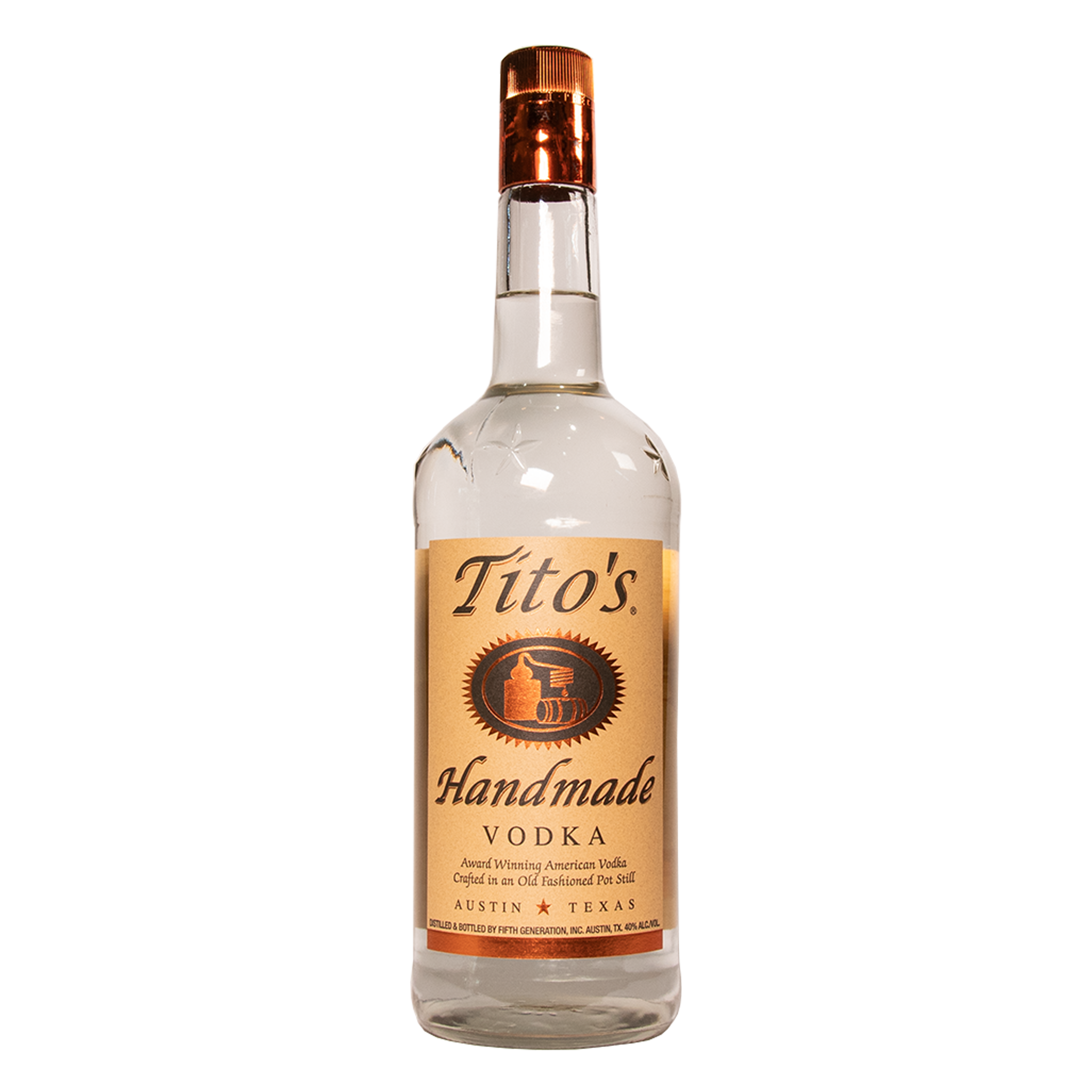
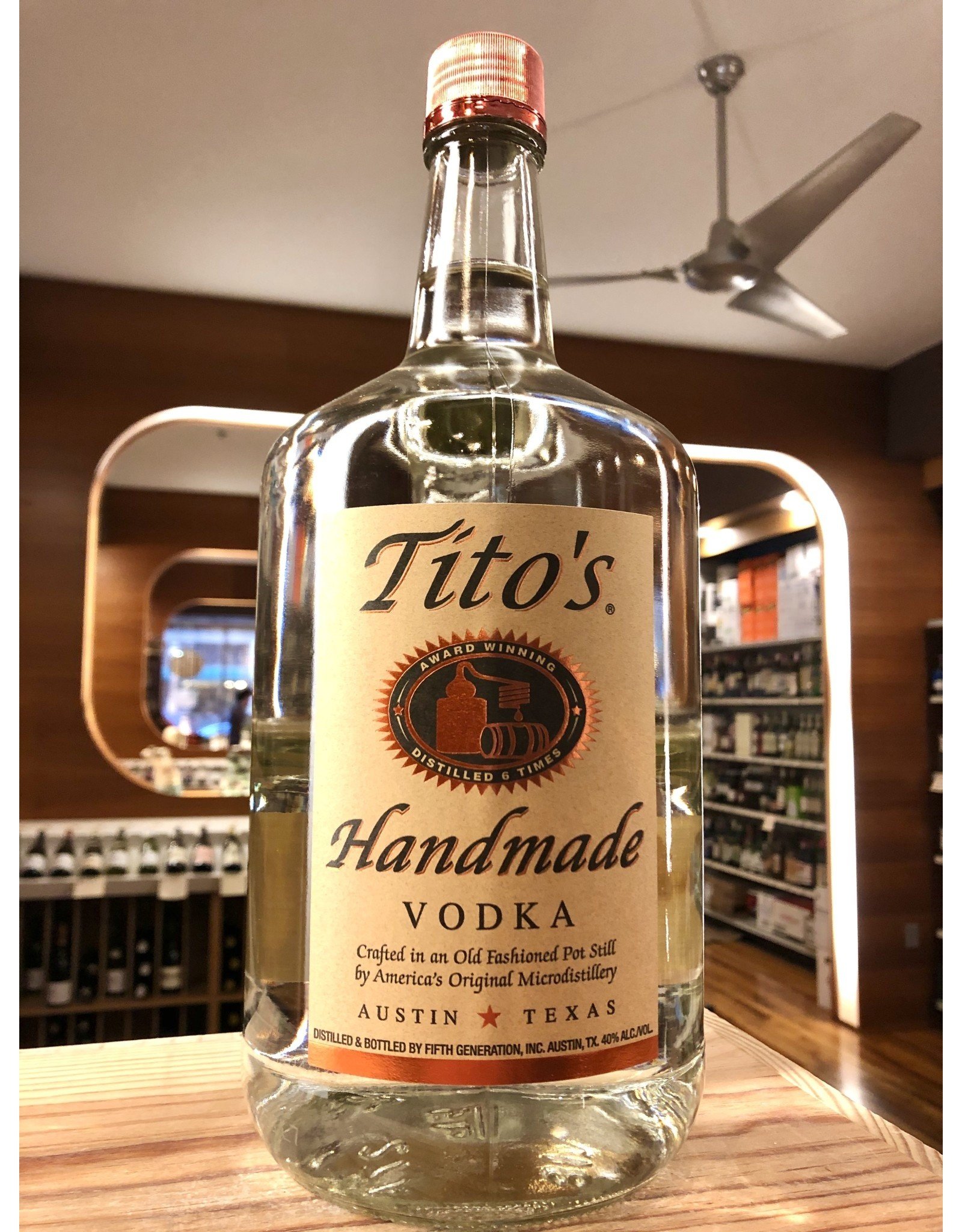
Tito’s Handmade Vodka is a corn-based spirit distilled in Austin, Texas, known for its small-batch production methods and its consistent profile in the American craft spirits market. Positioned as a mid-premium offering, it is produced using copper pot stills and is recognized for its gluten-free certification, reflecting a significant shift in consumer demand for ingredient transparency and dietary compatibility in the distilled spirits industry.
The Origins and Production Philosophy of Tito’s
The brand was established by Bert "Tito" Beveridge II in 1997, marking the beginning of what would become the first legal distillery in Texas. Beveridge’s approach to production centers on the use of yellow corn rather than the wheat or potatoes more commonly utilized by traditional European vodka producers. This choice was driven by a desire to create a spirit with a smoother, slightly sweeter finish that lacked the harsh "burn" often associated with mass-produced, column-distilled vodkas.
Production takes place in Austin, where the company employs old-fashioned copper pot stills. Unlike continuous column distillation, which can strip a spirit of its nuanced characteristics and create a highly neutral, industrial-grade alcohol, the pot still method used at Tito’s allows for a more hands-on approach. The process involves multiple distillations, which are required to reach the necessary purity levels, followed by a filtration process designed to remove impurities while retaining the subtle qualities of the corn-based mash.
Technical Specifications and Ingredient Integrity
For consumers, the most significant technical aspect of Tito’s is its status as a corn-based spirit. Because the base ingredient is corn, the product is naturally gluten-free. While the Alcohol and Tobacco Tax and Trade Bureau (TTB) historically categorized distilled spirits as gluten-free regardless of the source, Tito’s sought independent verification to address consumer concerns regarding celiac disease and non-celiac gluten sensitivity.
The vodka is distilled six times. This specific number of distillations is a balance between reaching a high-proof neutral spirit and maintaining the character of the raw material. Each batch is taste-tested to ensure consistency—a hallmark of their "Handmade" branding. While the term "handmade" is often debated in the spirits industry due to the large scale of modern production, the company maintains that its core processes, including the use of pot stills and sensory evaluation, remain true to their small-batch roots.
Comparative Landscape in the Vodka Market
The vodka market is highly stratified, ranging from economy-tier labels produced via high-speed continuous industrial processes to ultra-premium, boutique spirits. Tito’s occupies a "bridge" position in this market, often referred to as an "affordable luxury."
Market Comparison Table
| Feature | Tito’s Handmade Vodka | Standard Grain Vodka | Premium Imported Vodka |
|---|---|---|---|
| Base Material | Yellow Corn | Wheat, Rye, or Potato | Wheat or Rye |
| Distillation | Copper Pot Stills | Continuous Column Stills | Multi-column/Hybrid |
| Flavor Profile | Clean with slight sweetness | Neutral/Sharp | Varies (Crisp/Clean) |
| Market Segment | Craft/Mid-Premium | Economy/Mass-Market | Ultra-Premium |
| Gluten Status | Certified Gluten-Free | Variable | Variable |
When evaluating these categories, the choice of equipment is the primary driver of the final liquid’s characteristics. Column stills produce a more consistent, neutral result, whereas pot stills produce a more robust liquid that requires higher levels of quality control. Tito’s investment in scaling the pot still process is what separates it from its larger multinational competitors.
The Role of Marketing and Consumer Perception
Tito’s growth trajectory is frequently studied in business circles for its reliance on grassroots marketing rather than traditional, high-budget advertising campaigns. In its early years, the brand utilized word-of-mouth and participation in local events to build a loyal customer base. This strategy built an aura of authenticity that resonated with consumers who were increasingly skeptical of large, faceless corporate entities.
The brand's identity is deeply tied to the "Made in Texas" ethos. By maintaining its production facility in Austin, the company retains a narrative of regional pride that transcends the actual liquid inside the bottle. As of 2026, the company continues to leverage this "independent" identity, even as it maintains a massive footprint in international and domestic retail chains.
Practical Considerations for Consumption
Because Tito’s is a neutral spirit, it is highly versatile in cocktail applications. However, its slightly sweeter profile makes it particularly effective in drinks where the vodka is not masked by overwhelming mixers.
- Temperature: Serve chilled. Storing the bottle in a freezer is a common preference, as the cold temperature reduces the perception of ethanol and emphasizes the smooth texture of the corn base.
- Cocktail Pairing: It works well in citrus-forward drinks like a Moscow Mule or a Vodka Gimlet, where the acidity of the lime cuts through the slight corn sweetness.
- Purity Testing: Due to the absence of additives, oils, or sugars post-distillation, the vodka is often used in recipes where the drinker wants to avoid the "sugar headache" associated with flavored or lower-quality mass-produced spirits that may utilize additives to mask harshness.
Addressing Common Queries
Is Tito’s vodka actually distilled from potatoes?
No, Tito’s is distilled exclusively from yellow corn. The misconception often arises because many consumers associate traditional, high-quality vodka with potato origins. The corn base is fundamental to its flavor profile and gluten-free status.
Does "Handmade" mean the spirit is bottled by hand?
In the context of Tito’s, "handmade" refers to the small-batch production process using copper pot stills and the sensory management of each batch. While modern bottling technology is used for safety and efficiency, the distillation methodology differentiates it from automated industrial vodka production.
Can individuals with celiac disease safely consume Tito’s?
Yes. Tito’s is certified gluten-free. While the distillation process generally removes gluten proteins from grain-based spirits, the use of corn as a primary ingredient eliminates the risk of cross-contamination from gluten-containing grains during the production process.
How does Tito’s compare to high-end imported vodkas?
Tito’s focuses on a clean, accessible profile rather than the distinct botanical or mineral nuances found in some ultra-premium European imports. Its price point typically places it below luxury imports, offering a value proposition that emphasizes consistency over prestige branding.
Responsible Consumption and Next Actions
When incorporating Tito’s into a bar setup or purchasing for an event, users should prioritize verified sources to avoid counterfeits, particularly in markets where the brand has significant popularity. Always purchase from authorized retailers to ensure the integrity of the product.
For those looking to explore the profile of the spirit, conduct a side-by-side tasting with a grain-based vodka at room temperature. This will allow for the detection of the subtle differences in mouthfeel and finish provided by the corn-based distillate. Finally, remember that regardless of the quality of the spirit, responsible consumption is necessary. Always follow local jurisdictional guidelines regarding legal drinking ages and moderation.