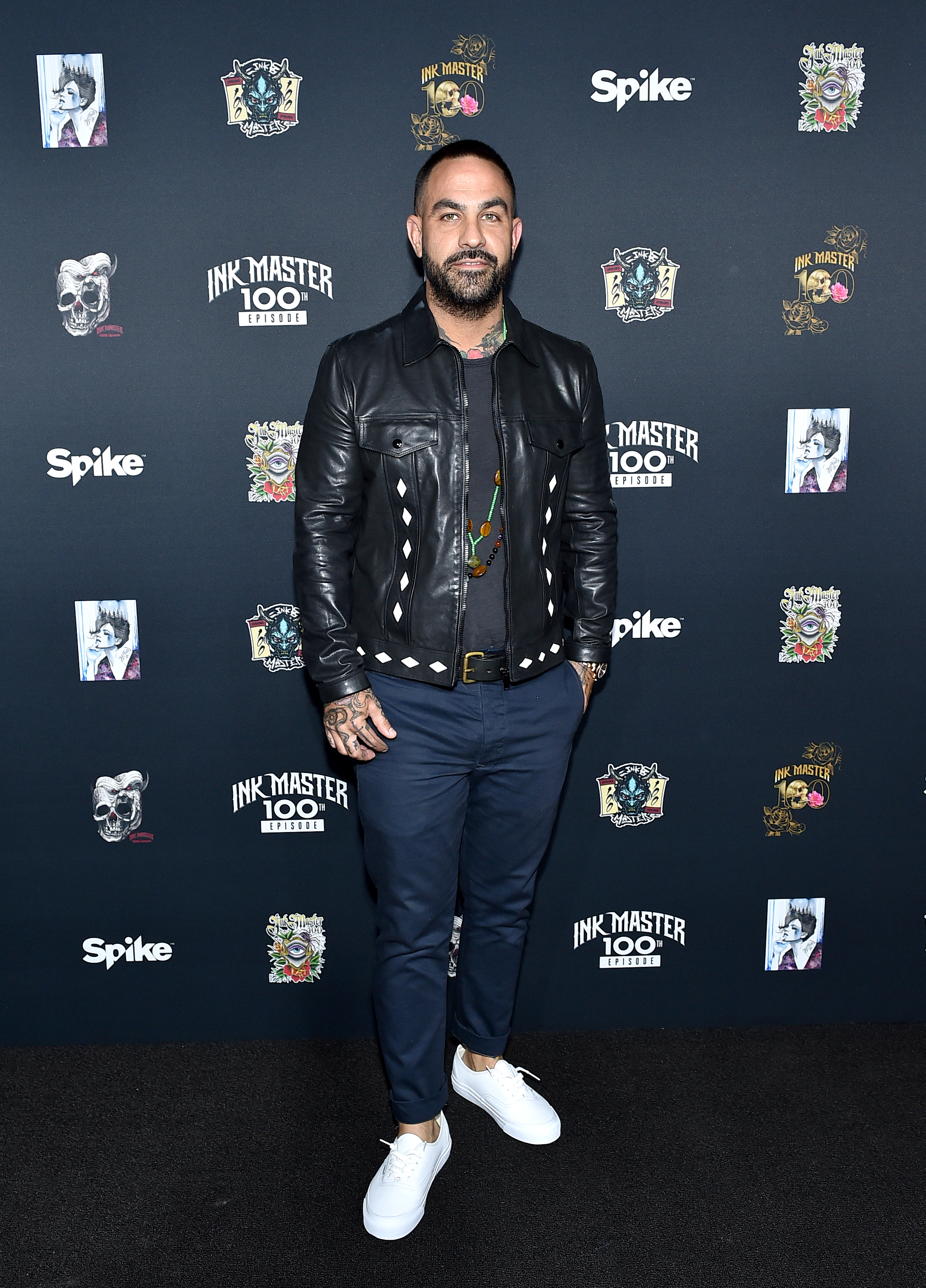
Chris Nunez has established himself as a central figure in the professionalization and mainstream media explosion of tattoo artistry. Rising from his roots in the Miami underground scene to become a household name via television, his career reflects the shift of tattooing from a subcultural fringe activity to a recognized, lucrative, and highly influential commercial industry. His net worth, estimated in 2026 to be approximately $7 million to $10 million, is a result of his diverse portfolio encompassing private studio ownership, media production, and intellectual property ventures.
Evolution of a Professional Tattoo Artist
Chris Nunez’s entry into the professional world began in the late 1990s in Miami, Florida. Unlike the informal apprenticeships that characterized the industry in previous decades, Nunez leaned into the importance of technical precision and artistic branding. His work is primarily recognized for its fusion of Japanese traditional elements with Western neo-traditional bold lines and shading.
The turning point in his professional trajectory occurred when he moved beyond individual artistry to business management. By co-founding Love Hate Tattoos in Miami Beach, he created a physical location that served as both a workspace and a cultural landmark. This venue became the focal point for the reality television series Miami Ink, which premiered in 2005. This move shifted the tattooing industry from private, appointment-only, and often exclusionary practices to a public-facing service model that appealed to a global audience.
Media Influence and the "Miami Ink" Phenomenon
The influence of Nunez on the tattoo industry cannot be decoupled from his time on Miami Ink and later Ink Master. These programs acted as accelerators for the public perception of body art. By documenting the personal stories of clients and the creative process of artists, Nunez helped bridge the gap between "tattoo parlors" and professional art studios.
His role as a judge on Ink Master further solidified his status as an industry authority. Throughout his tenure on the show, Nunez evaluated technical criteria such as saturation, line weight, anatomical composition, and artistic flow. This brought a level of critical standard to the forefront, influencing a generation of aspiring artists who began viewing their craft through a more disciplined, academic lens. While the realism of reality television is frequently debated regarding the stress-inducing environment of the competitions, Nunez consistently maintained a focus on traditional technical standards.
Financial Scope and Revenue Streams
Nunez’s net worth is a cumulative result of several decades of strategic entrepreneurship. Evaluating the financial success of a tattoo artist requires looking beyond the hourly rate of a physical tattoo session. His income profile includes:
- Studio Equity: As an owner and partner in various high-end studios, Nunez benefits from the revenue generated by guest artists and staff.
- Television Compensation: His long-running contracts with major networks for multiple seasons of reality television provided a stable, high-tier income baseline.
- Brand Endorsements: Nunez has collaborated with several professional supply companies, leveraging his reputation to promote high-grade equipment, including needle configurations and pigments.
- Media Production: Through his involvement in production, he retains intellectual property rights and participation in the syndication and distribution of his content, which continues to yield value in 2026.
Comparative Financial Overview
The following table outlines the diverse sectors that contribute to the professional standing of an artist of Nunez’s caliber.
| Revenue Sector | Source of Value | Impact on Long-term Wealth |
|---|---|---|
| Tattooing | High-end custom sessions | High (Hourly baseline) |
| Media/TV | Contractual performance fees | Very High (Major growth driver) |
| Studio Ownership | Business margins and real estate | Moderate (Passive asset growth) |
| Product/Endorsements | Licensing and consultation | Moderate (Secondary income) |
The Shift Toward Professional Standards
Before the early 2000s, tattoo shops were often perceived as inaccessible to the general public. Nunez was instrumental in changing the design and operational standards of these spaces. The move toward brighter, cleaner, and more clinical environments—which are now the industry standard—was championed by artists of his cohort.
In 2026, the industry continues to move toward increased regulation, focusing on medical-grade sterilization procedures and high-quality materials. Nunez’s influence in this realm has been subtle but pervasive; by showcasing professional, high-standard studios on television, he forced the broader industry to compete by adopting similar aesthetic and safety protocols. The "Love Hate" brand, for instance, became a blueprint for the modern, upscale, and celebrity-frequented tattoo shop.
Challenges and Criticisms in the Modern Industry
While Nunez is credited with popularizing the craft, his influence has faced scrutiny. Critics within the industry often argue that reality television turned the deeply personal and slow process of tattooing into an entertainment product. There is a frequent tension between the "fast-paced" reality show format—where tattoos are completed under artificial deadlines—and the traditional apprenticeship model, which emphasizes patience and long-term skill acquisition.
Furthermore, the rise of celebrity artists has led to a market where the "brand" of the artist often outweighs the technical merit of the art. Nunez has navigated this by remaining consistent in his own style, focusing on Japanese-inspired large-scale work which requires significant time and physical dedication, thus maintaining a balance between his media persona and his identity as a traditional artist.
Frequently Asked Questions
What is the estimated net worth of Chris Nunez in 2026?
Chris Nunez’s net worth is estimated to be between $7 million and $10 million as of 2026. This figure reflects his multi-decade career as an entrepreneur, television personality, and high-demand tattoo professional.
How did television affect the tattoo industry?
Television shows like Miami Ink and Ink Master moved tattooing into the mainstream, shifting consumer perception from "outsider" art to a legitimate form of high-end personal aesthetic. This increased consumer demand and standardized the expectation of professional studio hygiene.
What is the primary artistic style of Chris Nunez?
Nunez is best known for his mastery of Japanese-inspired traditional tattooing (Irezumi). He combines these classic, bold motifs with modern Western techniques, focusing on fluid composition that complements the body's natural anatomy.
Does Chris Nunez still tattoo clients actively?
Yes, despite his extensive media career and business interests, Nunez remains active in the tattoo world. He continues to take on select projects that align with his specialized aesthetic, though his availability is highly limited due to his ongoing business and production obligations.
Why is Chris Nunez considered an industry influencer?
Beyond his fame, Nunez is influential for setting the aesthetic and operational standards for modern tattoo studios. His work in establishing "Love Hate Tattoos" provided a model for professionalizing the environment in which tattoos are created, impacting how the public perceives both the artist and the process.
Next Steps for Aspiring Tattoo Professionals
For those looking to enter the industry, the path established by professionals like Nunez emphasizes a hybrid skill set. To build a sustainable career in the current market, focus on the following:
- Foundational Apprenticeship: Do not prioritize speed or social media presence over the basics of linework, needle depth, and machine calibration.
- Brand Specialization: Identify a specific niche—such as fine-line, realism, or traditional—and master it before attempting to branch out into broad-market services.
- Professionalism as a Service: Understand that tattooing is a client-facing industry. The quality of the environment, communication, and aftercare instruction is as important as the tattoo itself.
- Business Literacy: Modern artists must understand how to manage overhead, studio licensing, and the legal aspects of self-employment to maintain long-term financial stability.