Phil Hellmuth stands 6 feet 7 inches (201 cm) tall. As of 2026, he remains the most decorated player in World Series of Poker history with a record 17 bracelets. His estimated net worth is approximately $25 million, derived from tournament winnings, high-stakes cash games, and diverse business ventures.
The Physical Stature of the "Poker Brat"
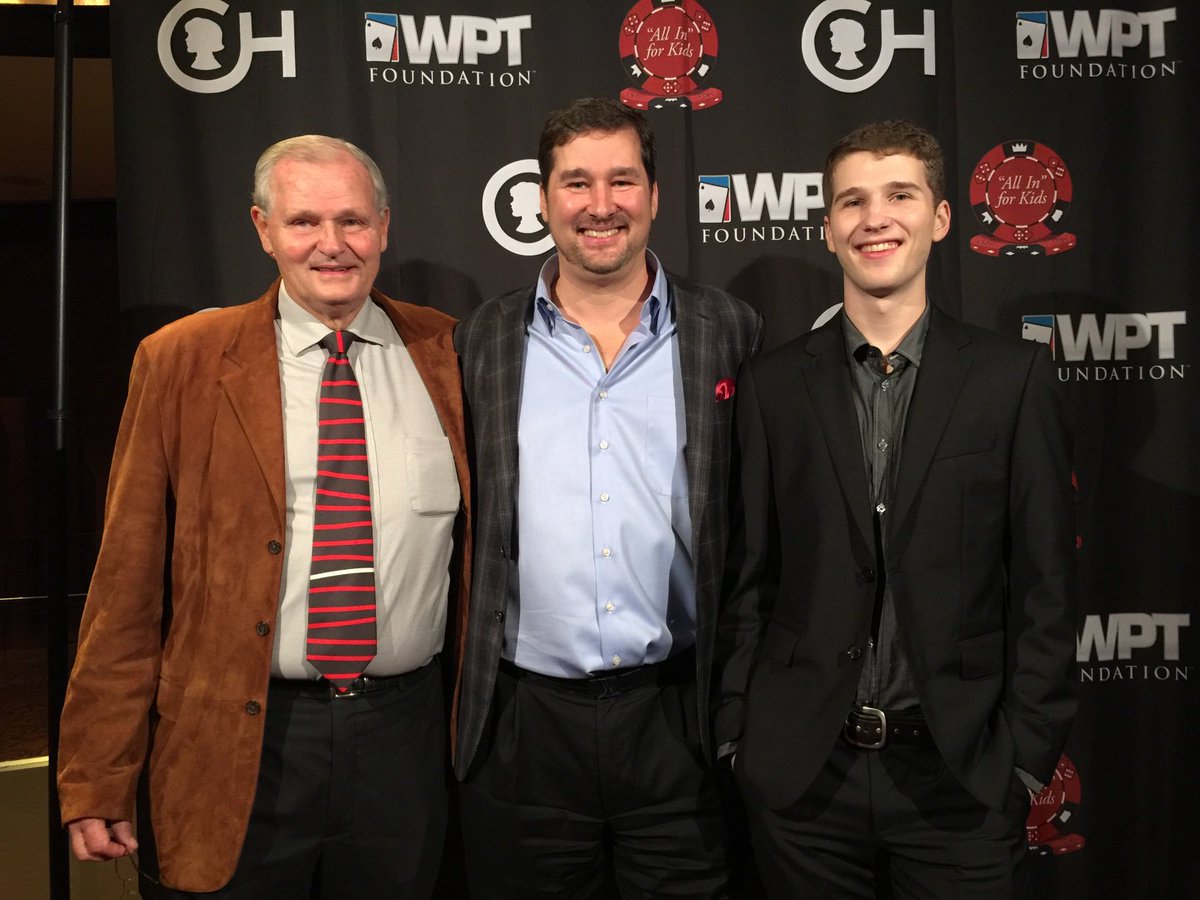
Phil Hellmuth’s height is often a point of fascination for fans and a point of intimidation for opponents. Standing at a towering 6'7", Hellmuth is one of the tallest professional poker players in the world. This physical presence is a significant component of his table persona. When Hellmuth stands up to berate an opponent—a hallmark of his "Poker Brat" personality—his height creates a dramatic visual that has become iconic in televised poker.
His height is not just a trivia fact; it influences how he interacts with the poker environment. In many interviews, Hellmuth has mentioned how his stature can be both an advantage and a disadvantage. While it gives him a commanding presence, it also makes it difficult for him to remain "anonymous" or blend into the crowd at major tournaments. Even when he isn't wearing one of his signature sponsor-laden hats, his 6'7" frame makes him instantly recognizable across a crowded casino floor.
Historically, Hellmuth has used his physical size to amplify his psychological warfare. Poker is a game of information and intimidation, and a player who physically looms over the table can subtly influence the comfort levels of those around them. Whether he is "tanking" on a big decision or celebrating a massive pot, his movements are amplified by his long limbs and significant reach, making every action feel more consequential to those watching.
A Career Defined by World Series of Poker Dominance
Phil Hellmuth’s career is synonymous with the World Series of Poker (WSOP). Since his arrival on the professional scene in the late 1980s, he has pursued bracelets with a singular focus that few other players can match. In 1989, at the age of 24, Hellmuth became the youngest player ever to win the WSOP Main Event at the time, defeating the legendary two-time defending champion Johnny Chan. This victory didn't just earn him $755,000; it signaled the arrival of a new era in poker.
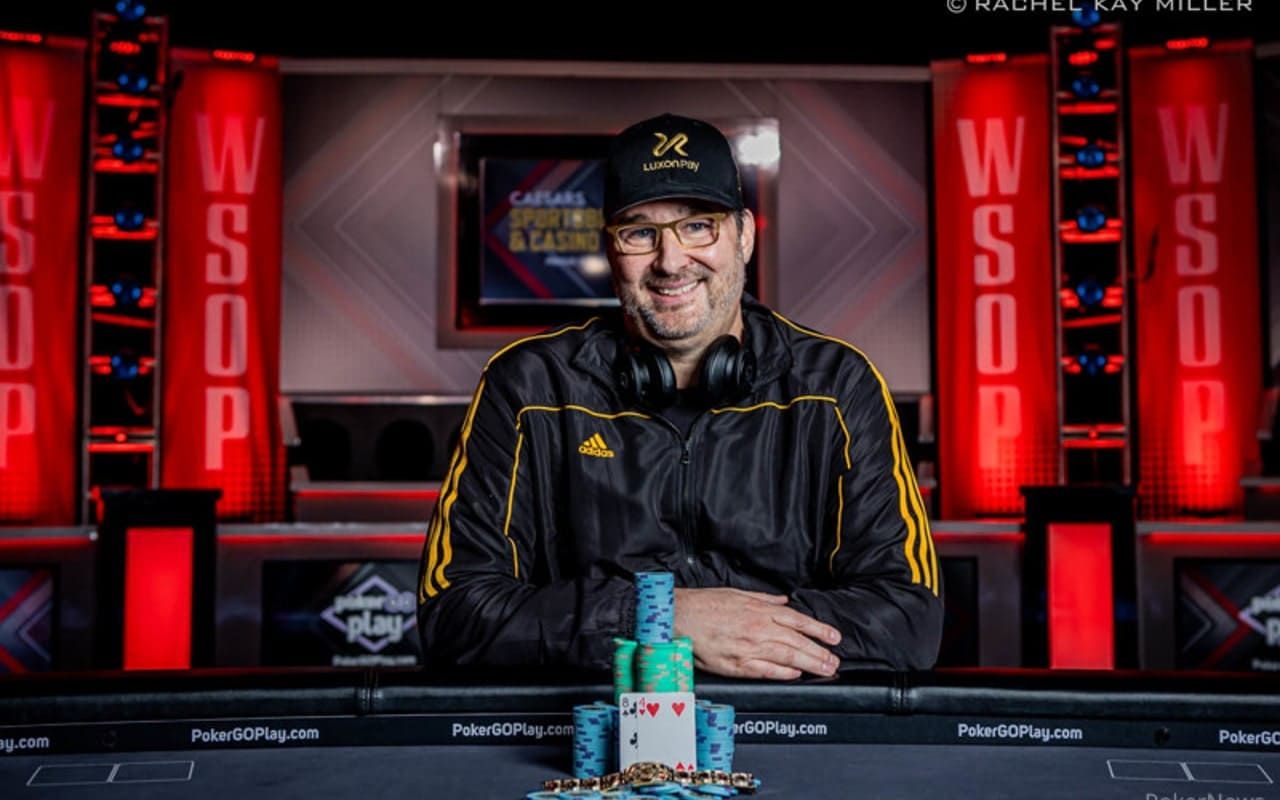
As we look at his standing in 2026, Hellmuth’s record of 17 WSOP bracelets remains the gold standard of the industry. His ability to win across different decades and varying game formats—including Razz, No-Limit Hold'em, and Seven Card Stud—demonstrates a versatility that critics often overlook. While younger "GTO" (Game Theory Optimal) players often criticize his unorthodox "White Magic" style, Hellmuth’s consistent results in large-field tournaments provide a compelling counterargument.
Beyond the bracelets, Hellmuth’s career is marked by his longevity. He was inducted into the Poker Hall of Fame in 2007, and nearly two decades later, he continues to compete at the highest levels. His career earnings from live tournaments alone exceed $30 million, but his legacy is built on the jewelry. For Hellmuth, the bracelets represent "greatness," a metric he values more than the monetary gain of any individual session.
Phil Hellmuth’s Net Worth and Business Empire in 2026
Estimating a professional poker player's net worth requires looking beyond tournament cashes. While The Hendon Mob tracks public tournament winnings, it does not account for tournament buy-ins, taxes, or "swaps" (where players trade percentages of themselves with others). In 2026, Phil Hellmuth’s net worth is estimated at $25 million, a figure supported by his diversified income streams.
Tournament Winnings and Cash Games
Hellmuth’s $30 million+ in live earnings is a "gross" figure. After accounting for the high cost of entry for modern "High Roller" events and the inevitable losing streaks, his net profit from tournaments is a substantial but smaller portion of his net worth. Additionally, Hellmuth participates in high-stakes private cash games and televised "streamed" games like Hustler Casino Live and High Stakes Poker, where hundreds of thousands of dollars can swing in a single night.
Brand Endorsements and Media
A significant portion of Hellmuth’s wealth comes from his ability to market himself. He has held long-term sponsorship deals with major brands, most notably his association with the Aria Resort & Casino in Las Vegas. His face has appeared on mobile poker apps, clothing lines, and even health supplements. Hellmuth understands that in the modern era, a poker player is also a content creator and a brand.
The Hellmuth Brand and Investments
Under "The Hellmuth Brand," Phil has authored several best-selling books, including Play Poker Like the Pros and his autobiography Poker Brat. These publications provide steady royalty income. Furthermore, Hellmuth is known to be an active investor in tech startups and sports ventures. His proximity to Silicon Valley wealth during high-stakes games has allowed him to participate in various private equity opportunities that have bolstered his financial standing outside of the casino.
Performance Comparison: Hellmuth vs. Poker Legends
To understand Hellmuth's place in history, it is helpful to compare his metrics against other "G.O.A.T." contenders like Phil Ivey or Daniel Negreanu.
| Metric | Phil Hellmuth | Phil Ivey | Daniel Negreanu |
|---|---|---|---|
| WSOP Bracelets | 17 | 11 | 7 |
| Main Event Wins | 1 (1989) | 0 | 0 |
| Total Live Earnings | ~$30M+ | ~$45M+ | ~$52M+ |
| WSOP Cashes | 200+ | 80+ | 220+ |
| Hall of Fame Year | 2007 | 2017 | 2014 |
While Negreanu and Ivey may lead in total cash earnings—largely due to their participation in $100,000+ Super High Roller events—Hellmuth’s dominance in the WSOP ecosystem is unparalleled. His 17 bracelets give him a significant lead over his closest competitors, a gap that many experts believe may never be closed given the increasing difficulty and field sizes of modern tournaments.
The "Poker Brat" Persona and Psychological Warfare
The nickname "Poker Brat" was earned through decades of explosive outbursts at the poker table. Hellmuth is famous for his "rants," where he criticizes the play of his opponents, often questioning their intelligence or luck after they win a hand against him. "If it weren't for luck, I'd win every one," is perhaps his most famous quote, encapsulating his belief in his own superior reading ability.
In 2026, this persona remains a vital part of the poker landscape. While some find it unsportsmanlike, others recognize it as a calculated tool. By tilting his opponents, Hellmuth often forces them into making emotional mistakes. This "White Magic," as he calls it, relies on his ability to read physical tells and soul-read his opponents' intentions, rather than strictly following the mathematical frequencies of GTO play.
This psychological depth has allowed him to remain competitive against much younger, computer-trained players. While the "kids" are looking at GTO solvers on their laptops, Hellmuth is looking at the sweat on their foreheads or the way they stack their chips. His career is a testament to the fact that poker remains, at its core, a game played between human beings.
Personal Life and Legacy
Outside of the poker world, Phil Hellmuth maintains a relatively stable and private personal life. He has been married to Katherine Sanborn, a psychiatrist at Stanford University, since 1990. They have two sons, Phillip III and Nicholas. Hellmuth often credits his wife’s support and professional insight into human behavior as a key component of his success and mental resilience in a high-stress industry.
Hellmuth is also deeply involved in charitable endeavors. He has hosted numerous charity poker tournaments that have raised millions of dollars for causes such as the Children’s Hospital of Philadelphia and various veterans' organizations. For Hellmuth, his legacy isn't just about the money or the bracelets; it’s about being remembered as the greatest player to ever play the game while using his platform for positive impact.
As of 2026, he continues to be the primary ambassador for the game. Whether he is entering the WSOP Main Event in an elaborate costume (ranging from a Roman Emperor to Darth Vader) or engaging with fans on social media, he remains the most polarizing and watchable figure in the sport.
Frequently Asked Questions
How tall is Phil Hellmuth exactly?
Phil Hellmuth is 6 feet 7 inches tall (approximately 201 cm). He often references his height in interviews and uses his stature as a part of his commanding table presence during high-stakes tournaments.
How many WSOP bracelets does Phil Hellmuth have in 2026?
As of 2026, Phil Hellmuth holds the record for the most World Series of Poker bracelets with 17. He won his first bracelet in 1989 and has continued to add to his tally across five different decades.
What is Phil Hellmuth’s net worth?
Phil Hellmuth’s net worth is estimated to be approximately $25 million in 2026. This wealth is a combination of over $30 million in career tournament earnings, income from high-stakes cash games, book royalties, and lucrative brand endorsements.
Why is Phil Hellmuth called the "Poker Brat"?
He earned the nickname "Poker Brat" due to his frequent emotional outbursts and criticisms of other players' skills at the table. While often seen as controversial, many believe these antics are part of a psychological strategy to "tilt" his opponents.
Has Phil Hellmuth won the WSOP Main Event?
Yes, Phil Hellmuth won the WSOP Main Event in 1989. At the time, he was 24 years old, making him the youngest Main Event champion in history until that record was later broken by Peter Eastgate in 2008.
Mastering the "White Magic" Philosophy
For players looking to emulate Hellmuth’s success, the key takeaway is the importance of "player reading" and adaptability. While modern poker has moved toward a heavy reliance on mathematical solvers, Hellmuth’s career proves that there is still immense value in the "human" element of the game. To improve your own game, focus on observing the physical and verbal cues of your opponents and learn how to adjust your strategy based on their specific personality types and emotional states, rather than just the cards in your hand.