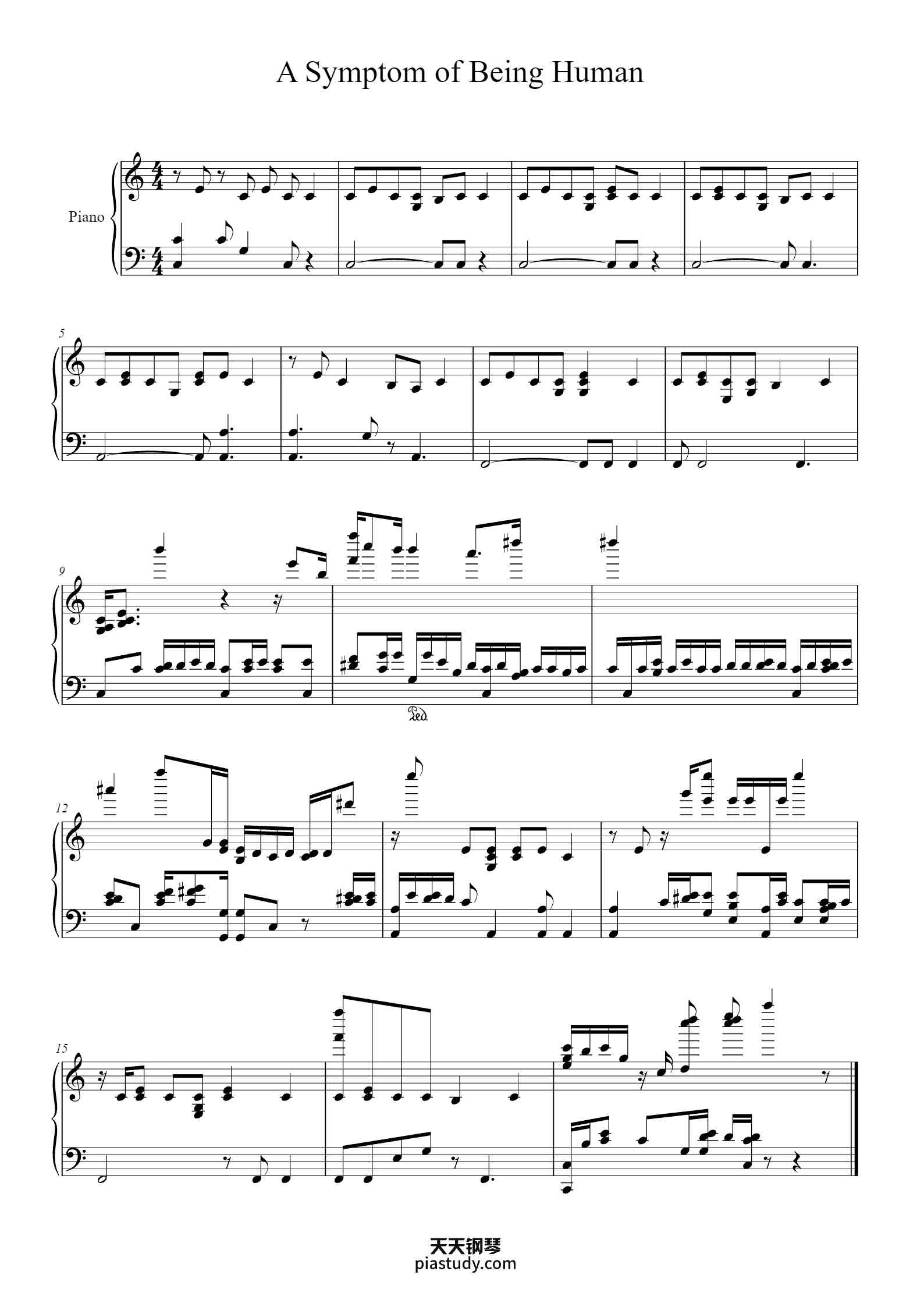
The phrase "A Symptom of Being Human" refers to the inherent imperfections, emotional fluctuations, and unique quirks that define the human experience. Popularized by the multi-platinum rock band Shinedown in their 2023 crossover hit, it serves as a powerful reminder that feeling "different" or struggling with mental health is not a disorder, but a natural part of living.
As we look back from the vantage point of 2026, "A Symptom of Being Human" has evolved from a successful radio single into a broader cultural mantra for mental health advocacy and radical self-acceptance. Whether you are discovering the song for the first time or exploring the philosophical implications of the phrase, understanding its depth requires looking at the intersection of music, psychology, and the modern social landscape.
The Cultural Phenomenon: Shinedown’s Universal Anthem
Originally released as part of Shinedown’s seventh studio album, Planet Zero (2022), and later pushed as a standalone single in early 2023, "A Symptom of Being Human" achieved a rare feat in the music industry. By 2024 and 2025, it had successfully crossed over from rock radio to Alternative, Adult Contemporary, and Top 40 charts, reaching millions of listeners who had never previously engaged with the band’s heavier roots.
The song’s longevity is rooted in its vulnerability. Frontman Brent Smith wrote the track as a letter to those who feel like they are on the outside looking in. In an era dominated by the curated "perfection" of social media, the song’s message—that it is okay to be messy, unfinished, and "a little bit left of center"—struck a chord that resonated far beyond the rock genre. By 2026, the song is frequently cited in music therapy programs and mental health seminars as a primary example of using art to destigmatize the struggle for identity.
Lyrical Analysis: Deconstructing the Message
The power of the phrase lies in its clinical yet poetic choice of words. By calling individuality a "symptom," the lyrics suggest that our eccentricities and even our pains are diagnostic evidence of our humanity.
The "Waiting Room" of Life
The opening verses often describe the feeling of being in a "waiting room," a metaphor for the state of flux many people feel when they haven't yet "arrived" at their destination or found their place in society. The lyrics encourage listeners to "unpack their bags," suggesting that the quest for a perfect, static life is a myth.
Embracing the "Ecstatic and the Panic"
One of the most poignant lines in the song highlights the spectrum of human emotion: "The ecstatic and the panic." This acknowledges that mental health is not a binary state of "happy" or "sad," but a complex, often simultaneous experience of highs and lows. To experience both is not a failure of character; it is a symptom of being alive.
The Refusal to "Mask"
In the context of 2026, we recognize "masking"—the process of hiding one’s true self or neurodivergence to fit in—as a major source of burnout. "A Symptom of Being Human" advocates for removing these masks. It suggests that the reflection we see in the mirror, complete with its "double-edged" nature, is exactly who we are meant to be.
The Psychological Perspective: Reframing Imperfection
Beyond the music, "A Symptom of Being Human" aligns with several key psychological frameworks that focus on well-being and resilience.
Radical Acceptance
In Dialectical Behavior Therapy (DBT), Radical Acceptance is the practice of accepting reality as it is, without judgment or attempts to fight it. When we view our anxieties or social awkwardness as "symptoms of being human," we stop fighting our own nature. This reduction in internal resistance often leads to a decrease in overall suffering.
Unconditional Positive Regard
The song mirrors the humanistic psychology of Carl Rogers, specifically the concept of Unconditional Positive Regard. This involves showing complete support and acceptance of a person regardless of what they say or do. The "symptom" framework applies this to oneself: accepting your own flaws not because they are "good," but because they are part of the total package of a human being.
The End of the "Perfection Myth"
Sociologists have noted that the mid-2020s marked a turning point in how we view perfectionism. As AI-generated content and hyper-filtered imagery became ubiquitous, a "longing for the authentic" emerged. "A Symptom of Being Human" fits perfectly into this shift, providing a vocabulary for those who prioritize authenticity over the impossible standards of the digital age.
Comparative Framework: The Mindset Shift
The following table illustrates the shift in perspective encouraged by the "Symptom of Being Human" philosophy compared to traditional perfectionist mindsets.
| Aspect | Perfectionist Mindset | "Human Symptom" Mindset |
|---|---|---|
| Social Anxiety | Something to be cured or hidden. | A sign of caring and sensitivity. |
| Mistakes | Evidence of inadequacy or failure. | Data points in a lifelong learning process. |
| Individuality | A risk to social standing or "fitting in." | A unique signature and source of value. |
| Emotional Lows | A "broken" state that needs fixing. | A natural part of the emotional cycle. |
| Future Outlook | Reaching a goal where "problems" vanish. | Navigating life with self-compassion. |
Why the Message Resonates in 2026
The world in 2026 is one defined by rapid technological change and shifting social structures. In this environment, the pressure to perform—both professionally and socially—is higher than ever.
- The Post-Isolation Echo: Following the global events of the early 2020s, many individuals experienced a "re-entry" period that felt disjointed. The song provided a soundtrack for that collective awkwardness.
- Mental Health Normalization: We have moved past the era where mental health was discussed in hushed tones. Phrases like "a symptom of being human" have helped bridge the gap between clinical diagnoses and everyday feelings of being overwhelmed.
- The Authenticity Economy: As consumers and citizens, people are increasingly drawn to "raw" and "unfiltered" experiences. The band Shinedown, by leaning into this vulnerability, positioned themselves as leaders in a movement that values the "cracks" in the porcelain.
Practical Application: How to Adopt the Mindset
Adopting the "Symptom of Being Human" mindset is a practice rather than a one-time decision. It involves changing the internal monologue you use when things go wrong.
- Practice Self-Compassion: When you make a mistake, instead of saying, "I'm so stupid," try saying, "This is a symptom of being human. I am learning."
- Audit Your Circle: Surround yourself with people who celebrate your "symptoms." If a relationship requires you to constantly hide your true self, it may be time to re-evaluate its role in your life.
- Journal the "Highs and Lows": Acknowledge both the ecstatic and the panic. By documenting both, you normalize the spectrum of your emotions rather than pathologizing the negative ones.
- Limit the Comparison Trap: Remember that social media is a highlight reel. The "symptoms" you feel are universal, even if others are better at hiding them behind a screen.
Frequently Asked Questions
What inspired Shinedown to write "A Symptom of Being Human"?
Lead singer Brent Smith has stated in various interviews that the song was born out of a desire to talk about the "human condition." He wanted to write something that spoke to the idea that nobody is truly "normal." Everyone is dealing with their own internal battles, and the song was meant to be a hand on the shoulder for anyone feeling isolated.
Is the song about a specific mental health disorder?
No, the song is intentionally broad. While it resonates deeply with people experiencing anxiety, depression, or neurodivergence (like ADHD or Autism), it is designed to encompass the entirety of the human experience. It suggests that being human itself comes with "symptoms" like doubt, fear, and eccentricity.
Why did the song become such a big hit on mainstream radio?
"A Symptom of Being Human" succeeded because it transcended its genre. While Shinedown is a rock band, this particular track is a piano-driven ballad with a universal message. Its success on Adult Contemporary and Pop charts was driven by its relatability; it reached people who don't typically listen to hard rock but connected with the message of self-acceptance.
Does "A Symptom of Being Human" promote complacency?
On the contrary, it promotes the emotional stability needed for genuine growth. By accepting your "symptoms," you stop wasting energy on shame. This energy can then be redirected toward productive changes, creativity, and building deeper connections with others.
How has the meaning of the phrase changed since 2023?
Since its release, the phrase has been adopted by various advocacy groups. In 2026, it is no longer just a song title; it is a recognized slogan for "neuro-inclusivity" and the "human-first" approach in workplaces and schools. It has moved from a musical expression to a foundational concept in modern wellness.
Moving Forward with Radical Empathy
To live by the philosophy of "A Symptom of Being Human" is to commit to a life of radical empathy—both for yourself and for those around you. When we stop viewing our neighbors as "flawed" and start seeing their struggles as symptoms of a shared condition, the barriers of judgment begin to dissolve.
In 2026, as we continue to navigate a complex and often polarizing world, this message remains more relevant than ever. The next time you feel out of place, or when you see someone else struggling to find their footing, remember that these are not signs of weakness. They are the beautiful, messy, and undeniable symptoms of being human.