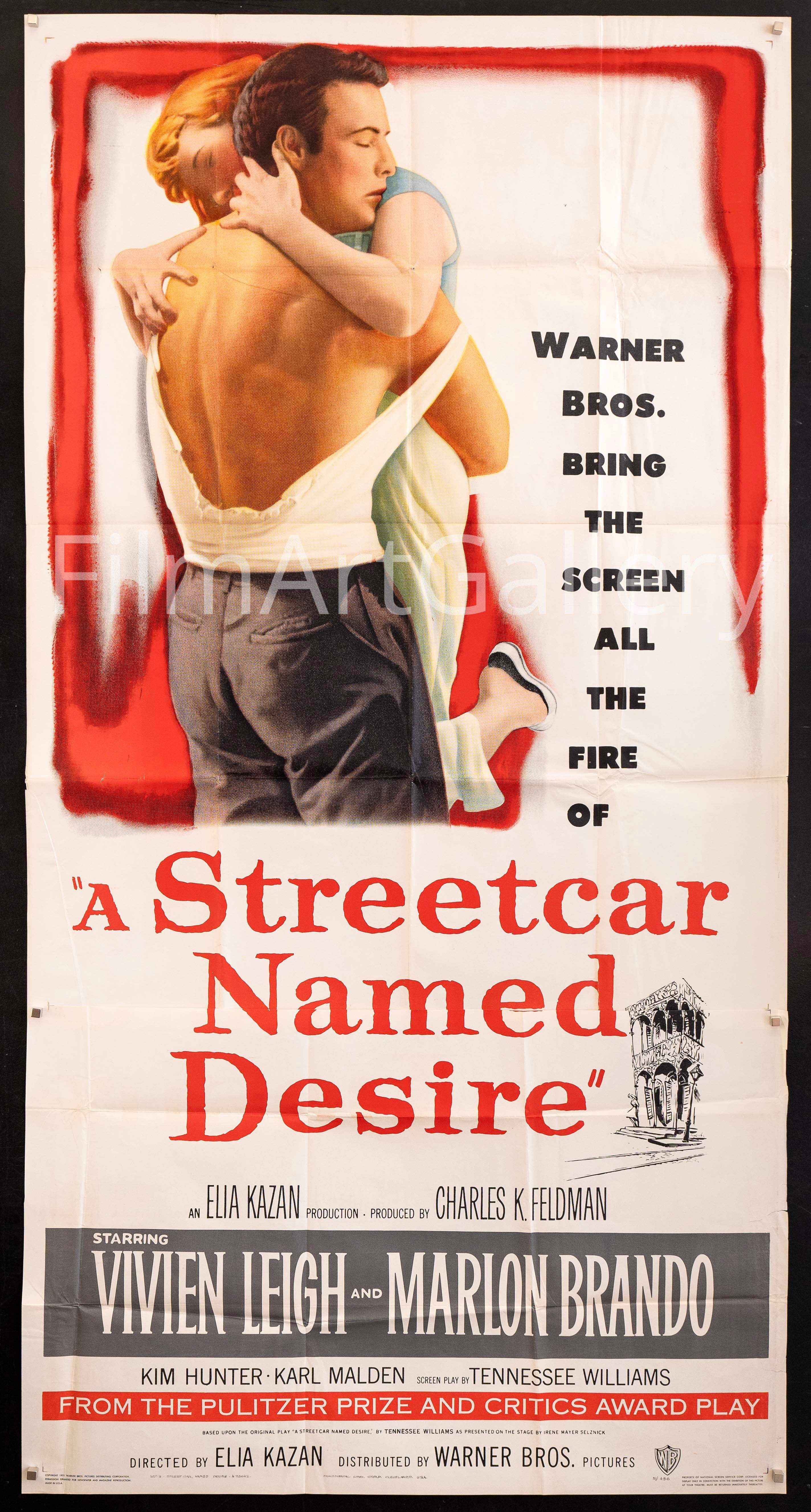
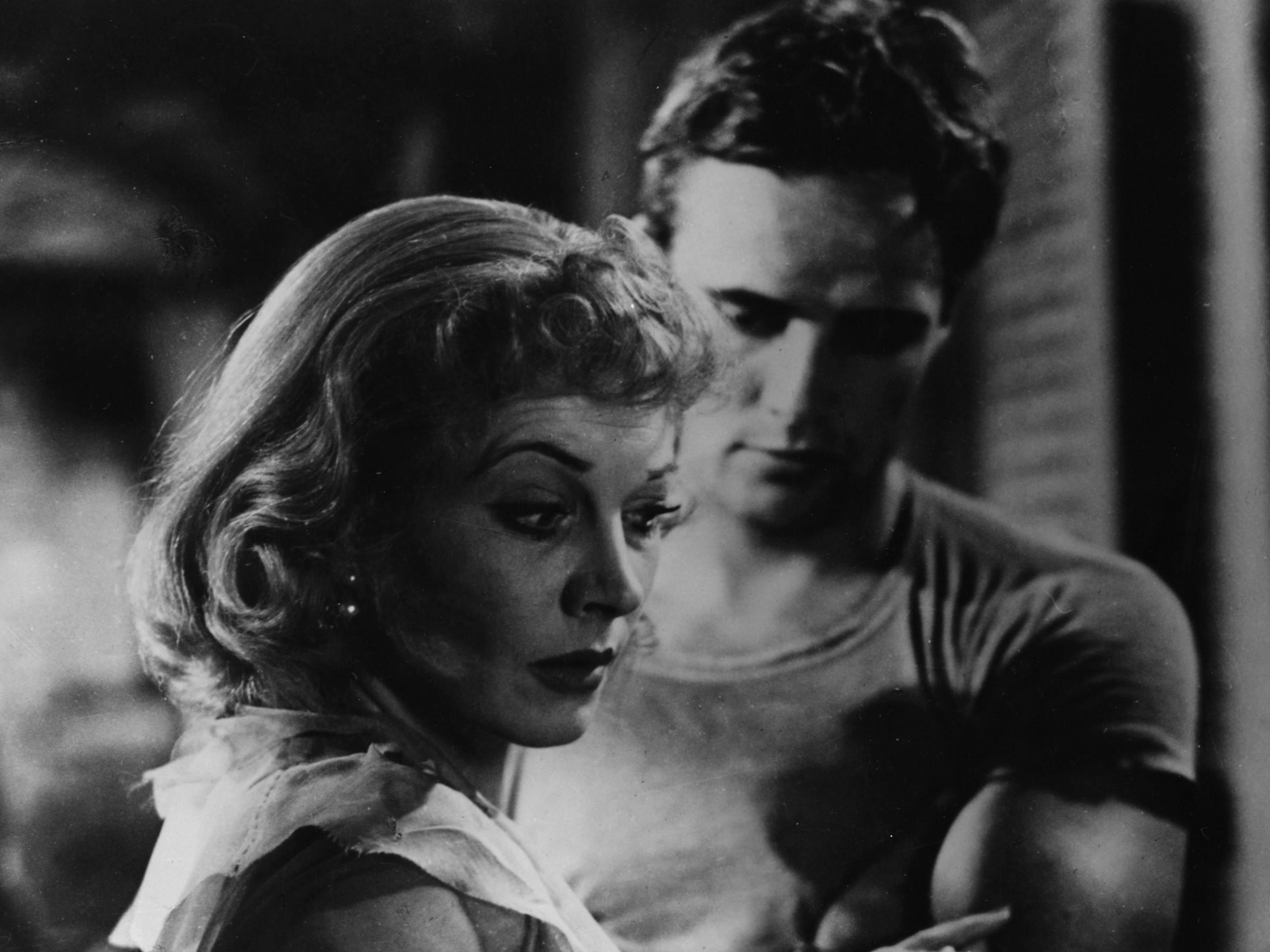
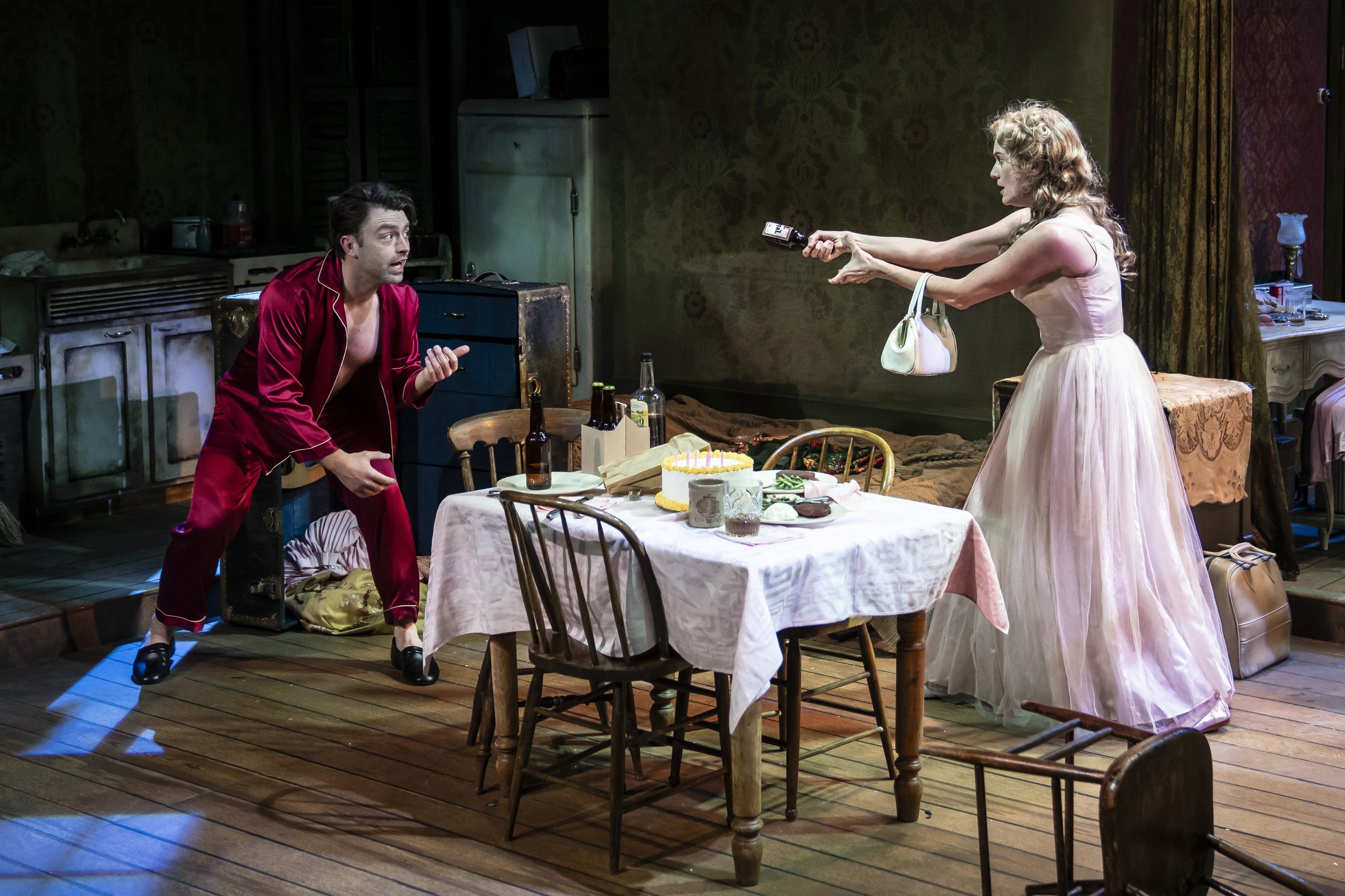
Tennessee Williams' A Streetcar Named Desire is a foundational masterpiece of American drama that explores the tragic downfall of Blanche DuBois, a fading Southern belle who clashes with her sister’s husband, Stanley Kowalski. First performed in 1947, the play examines the brutal collision between the romanticized Old South and the gritty, industrial reality of post-World War II New Orleans.
The Historical and Cultural Context of Post-War New Orleans
To understand the weight of A Streetcar Named Desire, one must look at the specific social landscape of 1947. As of 2026, scholars continue to view this period as a pivotal turning point in American history. The country was transitioning from the trauma of the Great Depression and World War II into a new era of industrial growth and shifting social hierarchies.
The play is set in the French Quarter of New Orleans, a location that Williams chose for its "raffish charm" and its unique status as a cultural melting pot. In the late 1940s, New Orleans represented a departure from the rigid, agrarian traditions of the "Old South" that Blanche DuBois desperately tries to embody. The setting—specifically the apartment on Elysian Fields—serves as a microcosm of a changing America. It is loud, crowded, and diverse, providing a sharp contrast to "Belle Reve," the ancestral plantation Blanche has lost.
Williams utilized a style he called Plastic Theatre, which emphasized the use of lighting, sound, and props to reflect the internal psychological states of the characters. In the context of 1947, this was a revolutionary departure from the strict realism that dominated the stage. By 2026, these techniques remain standard in theatrical education, as they allow the audience to experience Blanche's deteriorating mental state through expressionistic elements like the Varsouviana Polka or the looming shadows on the wall.
The Conflict of Two Worlds: Blanche vs. Stanley
The central engine of the play is the irreconcilable conflict between Blanche DuBois and Stanley Kowalski. They do not merely represent two people who dislike each other; they represent two diametrically opposed ideologies and social classes.
Blanche DuBois: The Fragility of Illusion
Blanche arrives in New Orleans as a woman whose life has been dismantled by death, financial ruin, and scandal. She clings to the social graces of a bygone era, using "soft people" as a defense mechanism against a world she finds too harsh. Her obsession with the paper lantern—which she uses to cover the bare lightbulb—is the primary symbol of her need to obscure the "merciless glare" of reality.
Blanche is a character defined by her trauma. The suicide of her young husband, Allan Grey, haunts her throughout the play, represented by the recurring music of the polka. Her frequent bathing is a ritualistic attempt at "cleansing" herself of her past indiscretions and the "filth" she perceives in her current surroundings. As the play progresses, her reliance on illusion becomes a psychological necessity, eventually leading to her total break from reality.
Stanley Kowalski: The Force of Modernity
In stark contrast, Stanley Kowalski is the embodiment of the new, industrial American man. He is a Polish-American veteran, a member of the working class who prides himself on his directness and physical prowess. Stanley views Blanche's refinement as a threat to his dominance and his marriage to Stella.
Stanley’s world is one of "colored lights" and sensory reality. He has no patience for Blanche’s "high-falutin" talk or her performative modesty. His investigation into her past in Laurel is driven by a desire to strip away her pretenses and assert his authority. Marlon Brando’s 1951 portrayal of Stanley solidified the character as a symbol of raw, sometimes predatory, masculinity—a performance that still informs how the role is cast and understood in contemporary 2026 productions.
Summary of the Plot: The Journey to Elysian Fields
The narrative begins with Blanche’s unexpected arrival at her sister Stella’s apartment. Claiming to be on a leave of absence from her teaching job due to "nerves," Blanche is immediately horrified by the cramped conditions and the proximity of the neighbors. She soon learns that Belle Reve, the family estate, has been lost to creditors.
As the weeks pass, tension mounts between Blanche and Stanley. Blanche attempts to find a savior in Mitch, Stanley's friend, by presenting herself as a chaste and traditional woman. However, Stanley systematically dismantles Blanche's reputation by uncovering her history at the Flamingo Hotel and her dismissal from her teaching position following an affair with a student.
The climax occurs when Stanley reveals these truths to Mitch, destroying Blanche’s last hope for security. While Stella is at the hospital giving birth to their child, Stanley and Blanche are left alone in the apartment. In a final act of psychological and physical dominance, Stanley rapes Blanche. This act shatters her mind completely. In the final scene, Stella makes the agonizing choice to commit Blanche to a mental institution, as she cannot believe Blanche’s story and still remain with Stanley.
Core Themes and Symbolic Motifs
A Streetcar Named Desire is rich with symbolism that elevates it from a domestic drama to a universal tragedy.
Desire and Death
The title itself refers to the literal streetcar lines in New Orleans—"Desire" and "Cemeteries." Williams uses these locations to suggest that the human drive of desire leads inevitably to destruction and death. Blanche tells Mitch that "death is the opposite of desire," but her own life demonstrates that the two are inextricably linked. Her "desire" for companionship and security led her to the behaviors that ultimately caused her social "death" and mental collapse.
Light and Darkness
The play is a study of light. Blanche avoids strong light because it reveals the truth—both her physical aging and the reality of her sordid past. Her insistence on the paper lantern is an attempt to live in a "magic" world rather than a "real" one. Stanley, conversely, thrives in the light, bringing the truth to the surface with brutal efficiency.
Social Class and Heritage
The decline of the DuBois family represents the fall of the landed aristocracy in the South. Stella has successfully integrated into the new world by marrying Stanley, but Blanche cannot make that transition. She views Stanley as "common" and "sub-human," using animalistic metaphors to describe him, while he views her as an outdated relic whose time has passed.
Character Comparison Table
| Feature | Blanche DuBois | Stanley Kowalski |
|---|---|---|
| Social Background | Aristocratic Old South; Belle Reve | Working-class immigrant; New South |
| Primary Motivation | Search for security and "magic" | Protection of his home and dominance |
| View of Reality | Avoids it through illusion and lies | Embraces it through logic and force |
| Symbolic Elements | Paper lanterns, perfume, white lace | Bowling, poker, bright colors, raw meat |
| Tragic Flaw | Denial and dependence on others | Brutality and lack of empathy |
| End State | Institutionalized; loss of self | Victorious; maintains his household |
Critical Reception and Performance History
Upon its debut, the play was both a critical and commercial sensation. It won the Pulitzer Prize for Drama in 1948 and solidified Tennessee Williams as one of the preeminent voices in American literature. The 1951 film adaptation directed by Elia Kazan brought the story to a global audience, though the Motion Picture Production Code forced several changes, including a more ambiguous ending regarding the rape and the removal of references to Allan Grey’s homosexuality.
In the decades since, and moving into 2026, A Streetcar Named Desire has been reimagined in numerous ways. Modern productions often focus more heavily on the systematic failure of the characters to support one another, viewing Stella’s choice as a tragic necessity of survival rather than a simple betrayal. The play has also been adapted into an opera and several ballets, proving the enduring power of its lyrical dialogue and emotional intensity.
Detailed archives of the play's history and Williams' correspondence can be found through the Tennessee Williams Museum and the Harry Ransom Center, which houses his original manuscripts.
Frequently Asked Questions
What does the title "A Streetcar Named Desire" mean?
The title refers to an actual streetcar line that ran through the French Quarter in New Orleans during the 1940s. Metaphorically, it represents the life force of desire that drives the characters. Blanche’s literal journey on a streetcar named Desire, then transferring to one named Cemeteries to reach Elysian Fields, symbolizes her life path: her desires led to her social death and her eventual arrival at her "final resting place" (the institution).
Why does Blanche DuBois always take baths?
Blanche’s frequent, hot baths are a symbolic attempt to wash away her past and her guilt. She describes them as a way to soothe her nerves, but in a deeper psychological sense, she is trying to "cleanse" herself of the "filth" of her experiences in Laurel and the trauma of her husband’s death. Stanley often complains about her bathing because it is a physical manifestation of her presence and her attempts to dominate his bathroom/home.
Is Stanley Kowalski a villain or a protagonist?
In literary terms, Stanley is the antagonist to Blanche’s protagonist, but the play is famous for its moral ambiguity. While Stanley’s actions (especially the rape) are undeniably villainous, Williams initially presents him as a man protecting his home from an intruder who is actively trying to ruin his marriage. The audience's perception of Stanley has shifted over time, with modern viewers typically viewing his behavior as a manifestation of toxic masculinity and domestic abuse.
What is the significance of the "Varsouviana Polka"?
The Varsouviana Polka is a non-diegetic sound (heard only by Blanche and the audience) that plays whenever Blanche is thinking about her late husband, Allan. It was the music playing when she confronted him about his sexuality and shortly before he committed suicide. The music represents her trauma and her inability to escape the past; it only stops when she hears the "bang" of a gunshot in her mind.
Why does Stella stay with Stanley at the end?
Stella’s decision is rooted in 1940s social and economic reality. As a woman with a newborn baby and no independent means of support, Stella’s survival depends on Stanley. To believe Blanche’s accusation of rape would mean she would have to leave Stanley, which she is unable or unwilling to do. She chooses to believe that Blanche has lost her mind to preserve her own life and family.
Strategies for Analyzing the Play
When studying or staging A Streetcar Named Desire in 2026, it is essential to approach the text with a focus on its psychological layers. Readers should pay close attention to the stage directions, as Williams used them to dictate the "mood" and expressionistic elements that are just as important as the dialogue.
- Analyze the "Blue Piano": Observe how the music changes during scenes of high emotional intensity. The "blue piano" often represents the vibrant, sometimes chaotic life of New Orleans.
- Track the Color Palette: Notice how Blanche is consistently associated with white (purity/illusion) while Stanley is associated with bold, primary colors (vitality/reality).
- Examine the Jungle Imagery: In the later scenes, particularly during the climax, the stage directions describe "lurid reflections" and "jungle cries." These elements signify the breakdown of civilization and the triumph of primal instincts.
By examining these components, students and theater professionals can uncover the enduring relevance of Williams' work—a play that continues to resonate because it captures the fundamental human struggle to maintain dignity in a world that often feels indifferent or hostile.