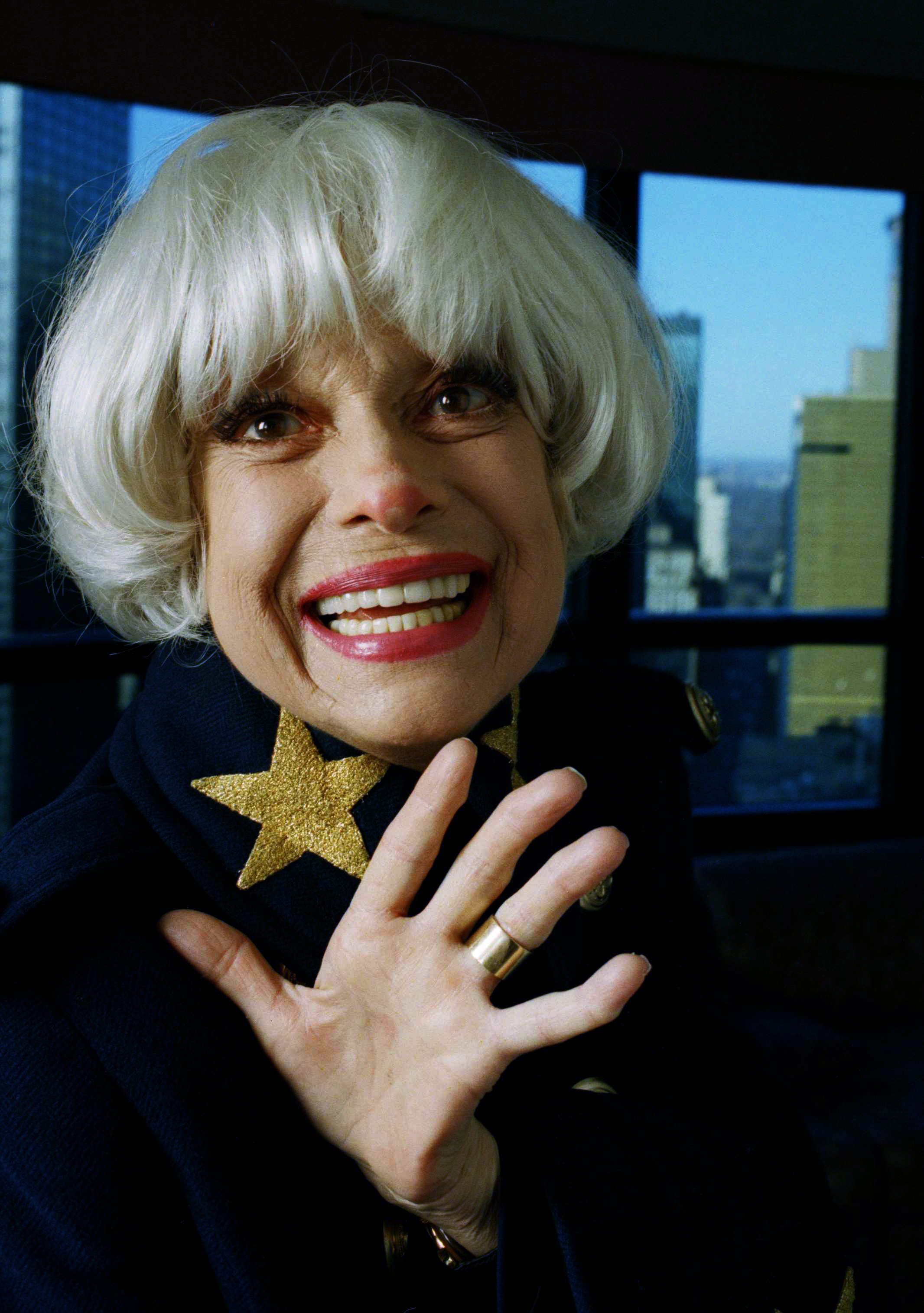
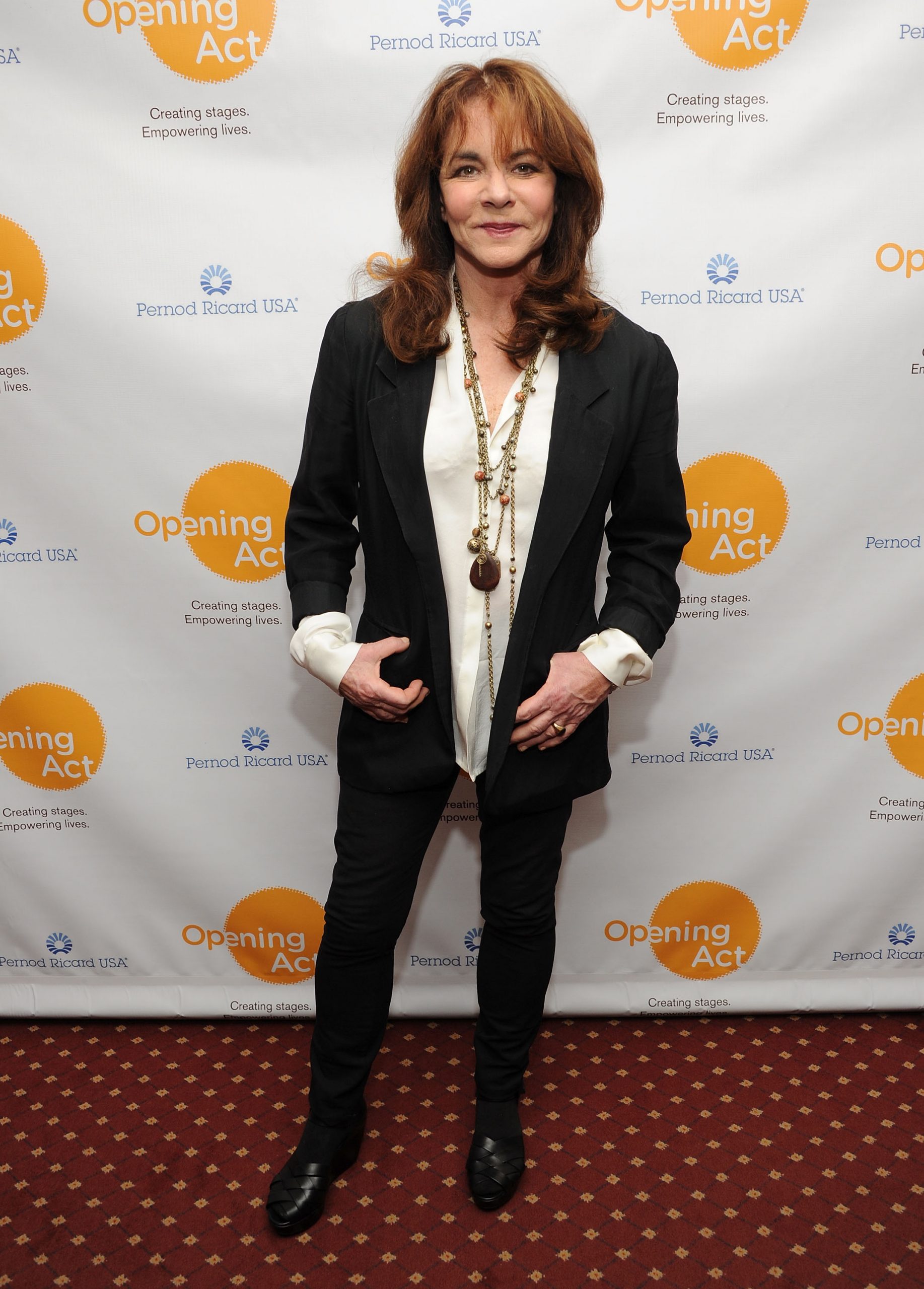
Stockard Channing and Carol Channing are not related. Despite sharing a famous surname and both achieving significant acclaim within the entertainment industry, the two performers do not share a familial connection. Their professional paths, backgrounds, and personal histories are distinct, with the similarity in their last names being entirely coincidental.
Examining the Backgrounds of Two Entertainment Icons
The confusion regarding whether Stockard Channing and Carol Channing are related is a common occurrence, largely fueled by the shared professional prestige of both women. In the entertainment industry, it is not uncommon for audiences to assume that performers sharing a surname are related by blood or marriage, particularly when both individuals have achieved a high level of visibility over several decades.
Stockard Channing was born Susan Antonia Williams Stockard in 1944. She adopted the surname "Channing" from her first husband, Walter Channing Jr., whom she married in 1963. While she eventually transitioned away from the marriage, she retained the name for her professional career. Her rise to fame, characterized by iconic roles such as Rizzo in the 1978 film Grease and her long-running television portrayal of First Lady Abbey Bartlet in The West Wing, established her as a formidable talent on both the stage and screen.
Conversely, Carol Channing, born Carol Elaine Channing in 1921, was a legendary figure in American musical theater. Best known for her signature role as Dolly Gallagher Levi in Hello, Dolly!, she was a pioneer of the stage whose career spanned over seven decades. Her surname was her birth name, inherited from her father, George Christian Channing. Because their professional identities were built upon the same name—one acquired through marriage and one held since birth—the public has frequently speculated about a genealogical link that does not exist.
The Role of Surnames in Entertainment Myths
The phenomenon of "celebrity surname confusion" is a recurring theme in pop culture analysis. Often, when two performers share a name, the public seeks to create a narrative of a "dynasty" or "talented family" to explain their collective success. This is particularly prevalent with names that are perceived as distinctive or theatrical.
In the case of the Channings, the lack of a shared family history is easily verified through their respective genealogical records and public biographies. Stockard Channing’s roots are tied to the Stockard and Williams families, with her professional identity being a deliberate artistic choice made early in her career. Carol Channing’s lineage is rooted in her upbringing in Seattle, Washington, where her father was a journalist and practitioner of Christian Science.
The following table summarizes the key distinctions between the two, which helps clarify why they are separate entities despite the shared public name.
| Feature | Stockard Channing | Carol Channing |
|---|---|---|
| Birth Name | Susan Antonia Williams Stockard | Carol Elaine Channing |
| Primary Claim to Fame | Grease, The West Wing | Hello, Dolly!, Gentlemen Prefer Blondes |
| Surname Origin | Married name (Walter Channing Jr.) | Birth name (George Christian Channing) |
| Career Era | Rose to prominence in the 1970s | Rose to prominence in the 1940s/50s |
| Family Connection | None | None |
Historical Context and Professional Distinctions
Understanding why these two artists remain distinct requires a look at the cultural eras they defined. Carol Channing represented the classic "Golden Age" of Broadway. Her larger-than-life persona, complete with her signature blonde bob and deep, booming voice, became synonymous with the American musical comedy tradition. Her career began in the 1940s with the revue Lend an Ear and hit its zenith in 1964 with the opening of Hello, Dolly!. She remained active well into the 21st century, continuing to tour and perform until her retirement.
Stockard Channing, meanwhile, began her career during the social shifts of the 1970s. While she is a highly decorated stage actress with multiple Tony and Emmy awards, her transition to screen acting in the 1970s—marked by her breakout performance as a rebellious teenager in Grease—placed her in a different category of celebrity than the grand musical theater tradition exemplified by Carol.
The lack of relation between them does not diminish the individual impact each had on the performing arts. Rather, it highlights the diversity of talent that has populated the stage and screen under the "Channing" brand, even if that brand was cultivated independently by two entirely different women.
Verifying Family Connections in Hollywood
For researchers or curious fans attempting to trace the genealogy of public figures, there are several reliable methods for verification. In the case of Stockard and Carol Channing, primary sources such as birth certificates, marriage licenses, and authorized biographies provide the necessary evidence to rule out a familial link.
- Biographical Records: Professional biographies and interviews consistently document Stockard’s acquisition of her name through her marriage to Walter Channing Jr.
- Genealogical Documentation: Publicly available census and birth records trace Carol Channing’s lineage directly to her father, George Christian Channing, and mother, Adelaide Glaser, with no overlap with the Stockard or Williams family lines.
- Public Declarations: Throughout their respective careers, neither actress ever claimed a familial connection in interviews, press releases, or promotional materials, which would be standard practice if a famous relative were involved.
It is helpful for those interested in entertainment history to remember that the industry often encourages the use of "stage names." Whether a name is adopted for professional ease, marital status, or artistic reinvention, the name on the marquee is rarely a definitive indicator of biological kinship.
Addressing Common Questions
Is there any possibility they were distant cousins?
There is no evidence to support that they were distant cousins. Genealogical records confirm that their family trees do not intersect. The name "Channing" is of English origin and, while not uncommon, does not imply that all individuals bearing the name share a common recent ancestor.
Why do many people believe they are related?
The belief is largely a result of pattern recognition. Because both women reached a level of fame where their last names became synonymous with their professional personas, the brain naturally attempts to group them together. When two famous people share a last name, the default assumption in popular culture is often that they are related, even in the absence of evidence.
Did they ever perform together or interact publicly?
While both were prominent figures in the theater world and moved in similar high-profile circles, there is no significant historical record of them working together or sharing a public professional relationship. Their careers existed largely in different realms of the theatrical experience.
Does the name "Stockard" signify a family connection?
No. "Stockard" was the birth surname of the actress known as Stockard Channing. She was born Susan Antonia Williams Stockard. The name Stockard is a family name on her father's side, which she later utilized as a stage name, combining it with the "Channing" surname from her first marriage.
Should I trust social media claims about their relation?
It is advisable to be skeptical of social media claims regarding celebrity genealogy. Many unsourced trivia accounts perpetuate the myth of a family connection simply because of the shared name. Always verify such claims through reputable biographical databases or official press archives.
Next Steps for Entertainment Research
If you are interested in learning more about the life and work of either artist, the best path forward is to consult their official archives and reputable, fact-checked biographies. For Carol Channing, Just Lucky I Guess: A Memoir of Sorts provides a firsthand account of her life and the origins of her career. For Stockard Channing, interviews and profiles conducted by major cultural publications throughout the 1980s, 90s, and 2000s provide detailed insight into her career trajectory and the adoption of her professional name.
By relying on established journalistic sources, fans can avoid the pitfalls of speculation and gain a deeper appreciation for the unique, independent accomplishments of both women. Whether you are an aspiring actor researching theatrical history or simply a fan of their work, understanding the distinction between these two performers underscores the value of individual identity in the performing arts.