Lyn Irwin (born Lynette Joy Irwin) was an Australian wildlife conservationist, animal rehabilitator, and the mother of the world-renowned "Crocodile Hunter," Steve Irwin. Alongside her husband Bob Irwin, she co-founded the Beerwah Reptile and Fauna Park in 1970, which later expanded into the famous Australia Zoo. Because she passed away in February 2000 before modern internet financial profiling, Lyn Irwin’s individual net worth was never officially documented, though the family estate and wildlife sanctuary grew into a multi-million-dollar conservation enterprise.
Early Life, Family, and Passion for Wildlife Preservation
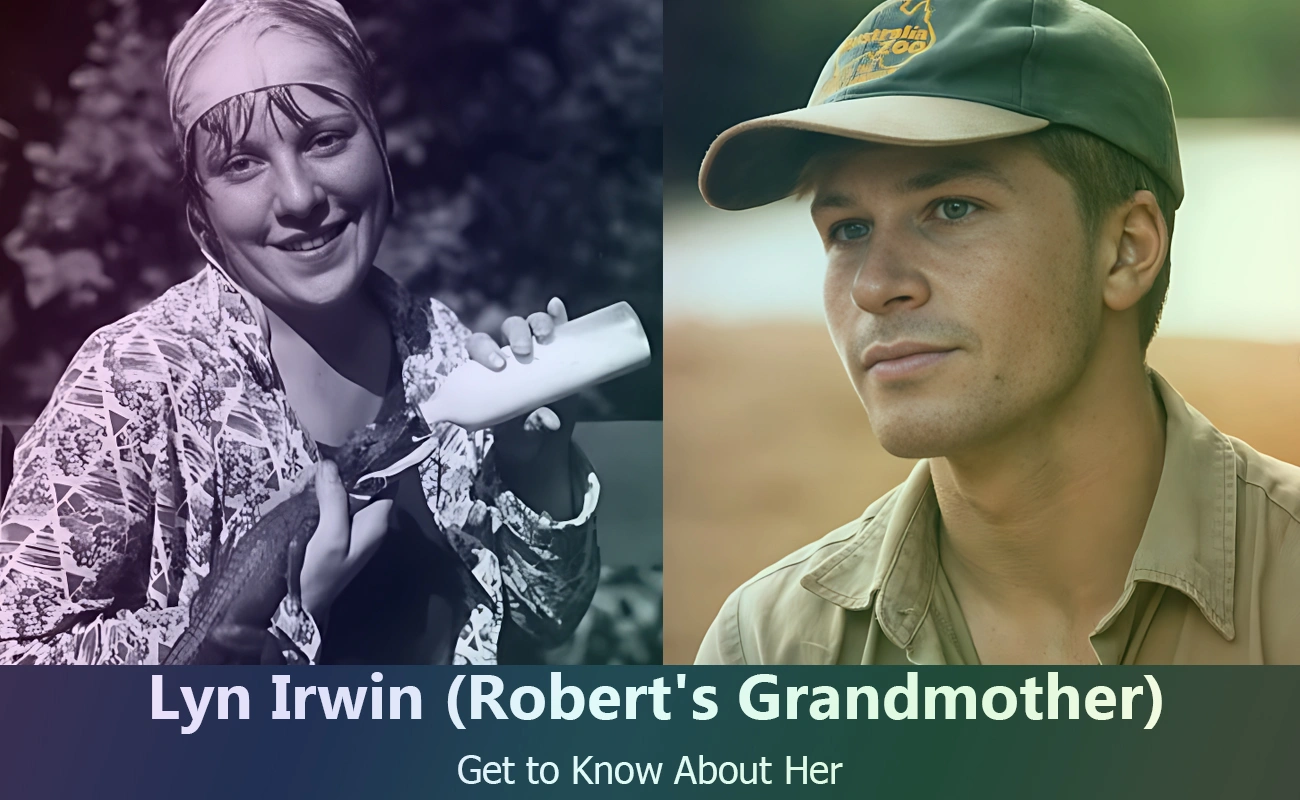
Lynette Joy Irwin grew up with a deep affection for animals, a trait that defined both her personal life and her professional trajectory. She married Bob Irwin, a wildlife enthusiast and plumber by trade, and together they built a household centered around animal welfare and environmental stewardship. The couple raised three children: Joy, Steve, and Laurie.
In the late 1960s, the Irwin household in Victoria was already serving as an informal sanctuary for injured, orphaned, and displaced native fauna. Lyn’s daily routine involved feeding nursing marsupial joeys, tending to injured birds, and housing local reptiles. In 1970, seeking a climate more suited to reptile care and wildlife preservation, Lyn and Bob relocated their family to Queensland, Australia, purchasing four acres of land in Beerwah on the Sunshine Coast.
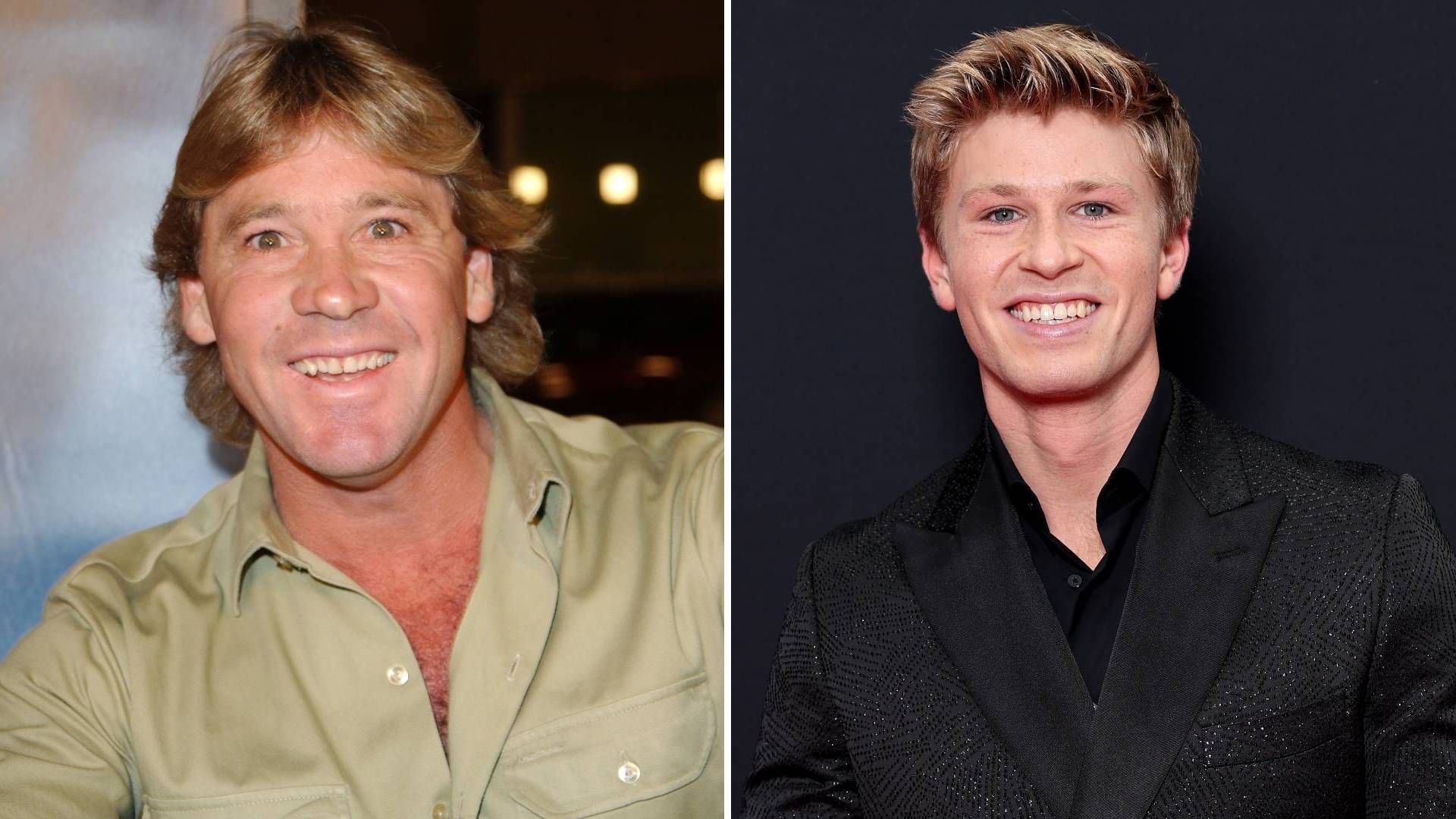
Lyn’s nurturing personality served as the emotional foundation of the family. While Bob focused on reptile capture, land management, and enclosure construction, Lyn dedicated herself to animal nursing, administrative duties, and raising their children with an instinctive respect for wildlife. Steve Irwin frequently credited his mother’s gentle approach and tireless work ethic as the primary influence behind his own lifelong passion for animal care.
Founding the Australia Zoo: Lyn and Bob Irwin's Wildlife Sanctuary
The four-acre property that Bob and Lyn Irwin bought in 1970 opened to the public as the Beerwah Reptile and Fauna Park. Operating on a tight budget, the family built the enclosures by hand, cared for the animals around the clock, and personally greeted the small trickle of local tourists who visited the park.
- 1970: Beerwah Reptile Park Founded (4 Acres)
- 1980s: Expansion to 16 Acres (Renamed Queensland Reptile & Fauna Park)
- 1991–1992: Steve Irwin Takes Over Management
- 1998: Renamed Australia Zoo (Grows into Global Conservation Brand)
During the 1970s and 1980s, Lyn was the operational backbone of the sanctuary. She managed the daily park operations, prepared specialized diets for dozens of species, and coordinated veterinary triage for animals brought in by local residents. As public interest grew, the park expanded to 16 acres and was renamed the Queensland Reptile and Fauna Park.
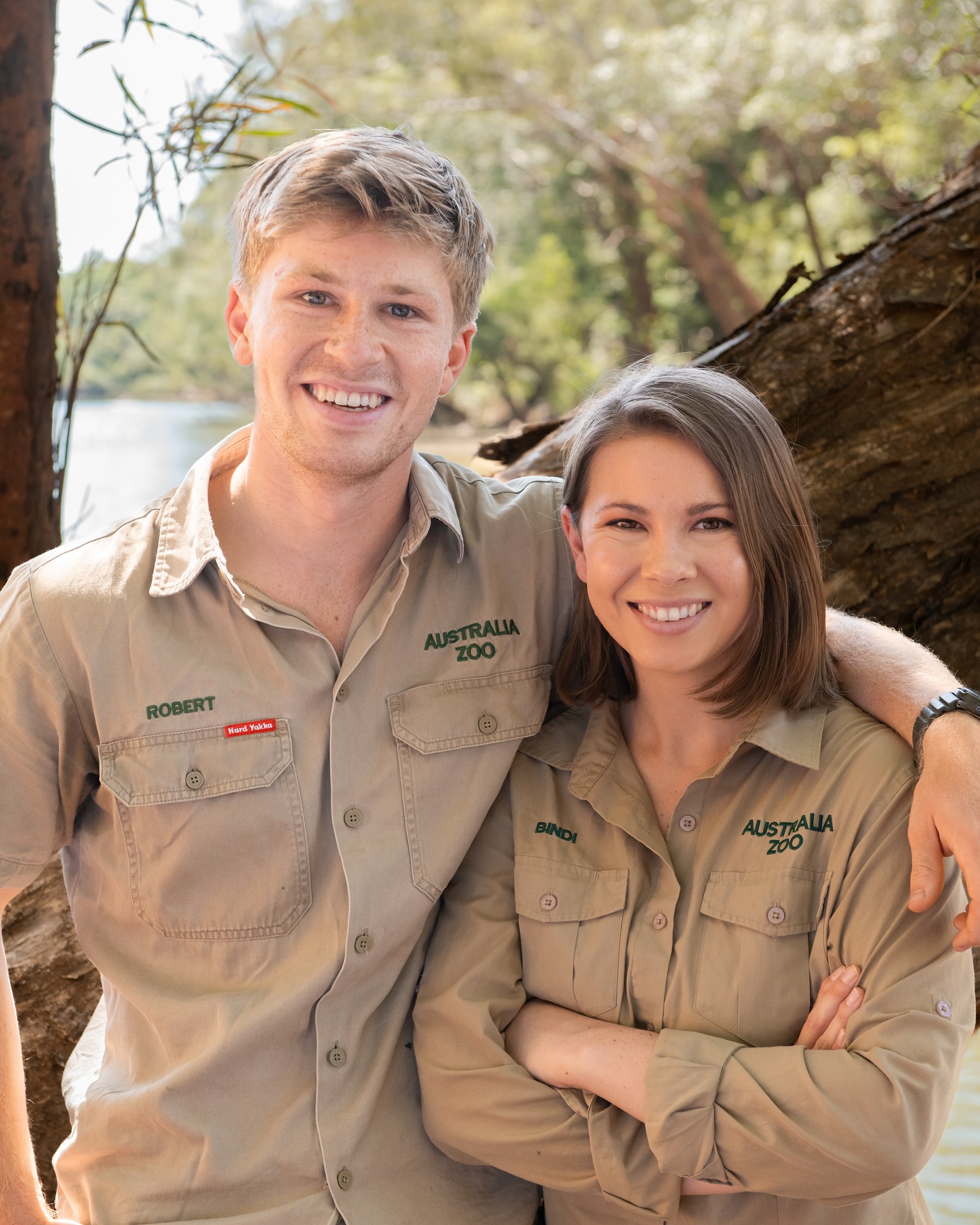
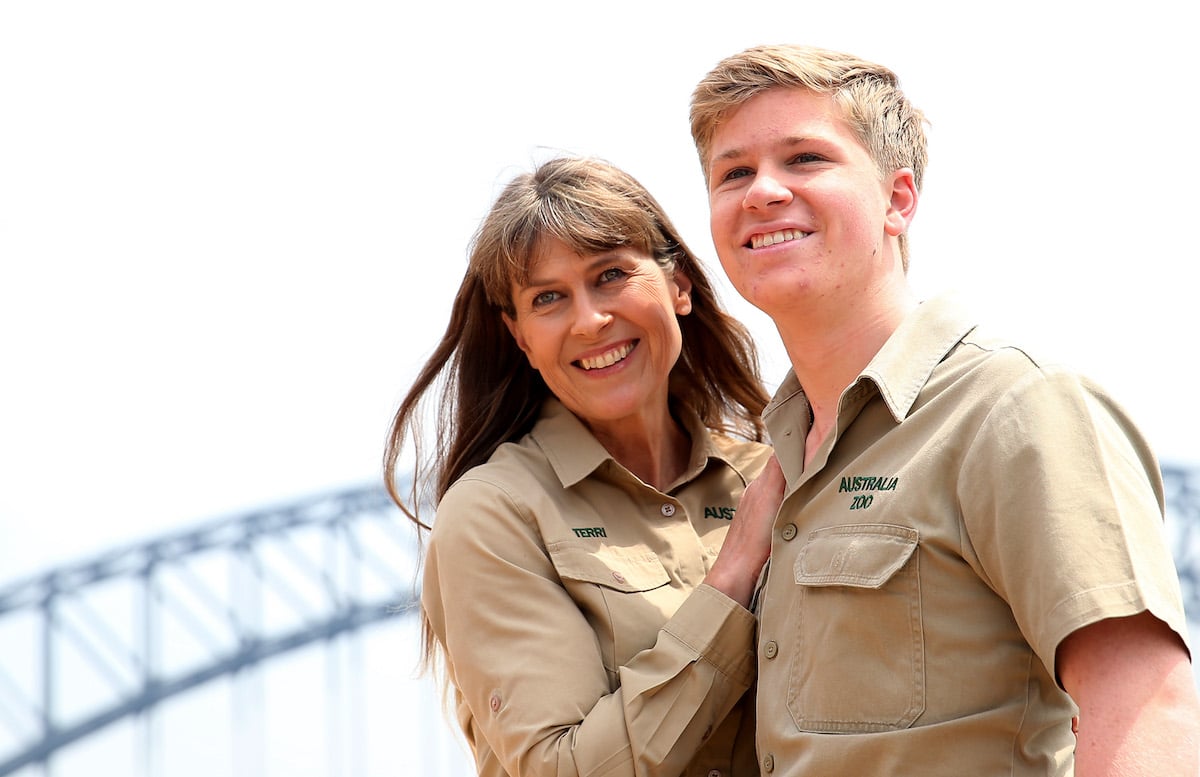
By 1992, Bob and Lyn officially handed over the day-to-day management of the park to their son Steve, who had worked at the facility since childhood. Under Steve’s leadership—and supported by his wife, Terri Irwin, whom he married in 1992—the park underwent massive expansion. In 1998, it was officially renamed Australia Zoo, transforming from a regional fauna sanctuary into an internationally recognized conservation destination.
Lyn Irwin’s Impact on Wildlife Rehabilitation and Nursing
While Bob Irwin gained recognition for his expertise in field herpetology, Lyn Irwin gained widespread acclaim throughout Queensland as a pioneer in wildlife rehabilitation. Long before formal wildlife rescue networks existed in Australia, Lyn established standard operating procedures for raising orphaned joeys, rehabilitating trauma-stricken koalas, and caring for native bird species.
Lyn’s home was routinely filled with makeshift incubators and specialized feeding stations. Her work went beyond basic animal care:
- Pioneering Marsupial Diets: Lyn experimented with milk formulas suited for juvenile kangaroos and wallabies when commercial marsupial milk substitutes were unavailable.
- Community Emergency Service: She acted as an informal 24-hour emergency responder for local residents who found injured wildlife along Queensland highways.
- Mentorship: She trained dozens of volunteers, staff members, and her own children in gentle restraint methods and animal triage, emphasizing stress reduction for captive wild animals.
Her contributions established the blueprint for what would eventually become the Australia Zoo Wildlife Hospital, one of the largest and most advanced wildlife medical facilities in the world.
Financial Valuation: What Was Lyn Irwin’s Net Worth?
Because Lyn Irwin died unexpectedly in February 2000, before global online net worth aggregation existed and prior to the peak commercial success of the Crocodile Hunter franchise, there is no verified public record of her personal net worth.
Financial analysts and biographical reports evaluate her financial position based on the family’s real estate holdings, business equity, and subsequent estate valuations:
- Family Business Equity: When Bob and Lyn founded the Beerwah Reptile Park in 1970, the property was purchased for a modest sum. Over three decades, the land value on Queensland's Sunshine Coast appreciated significantly, turning the family's modest investment into a valuable real estate asset.
- Transfer of Operations: In 1992, Bob and Lyn passed operational control of the park to Steve Irwin. While Bob and Lyn retained historical interests and residential property on or near the grounds, the primary commercial ownership transitioned into the broader corporate structure managed by Steve and Terri Irwin.
- Estate and Legacy Asset Value: At the time of Lyn’s passing in 2000, the Australia Zoo facility was valued in the millions of dollars due to rising tourism revenue, television syndication deals from The Crocodile Hunter, and land acquisitions. However, Lyn lived a modest lifestyle focused entirely on animal care rather than personal wealth accumulation.
| Era / Metric | 1970 (Founding) | 1992 (Handover to Steve) | 2000 (Lyn's Passing) | Present Era |
|---|---|---|---|---|
| Facility Name | Beerwah Reptile & Fauna Park | Queensland Reptile & Fauna Park | Australia Zoo | Australia Zoo |
| Land Size | ~4 Acres | ~16 Acres | ~80+ Acres | 700+ Acres |
| Primary Operators | Bob & Lyn Irwin | Bob, Lyn, & Steve Irwin | Steve & Terri Irwin | Terri, Bindi, & Robert Irwin |
| Business Structure | Local Family Business | Regional Tourism Park | International Brand & Zoo | Global Enterprise & Conservation Charity |
| Estimated Asset Base | Modest local real estate | Mid-tier commercial property | Multi-million dollar enterprise | Multi-hundred million dollar brand estate |
Financial experts estimate that while the Irwin family enterprise held multi-million-dollar values by 2000, Lyn Irwin’s individual holdings were tightly bound within private family trusts and real estate. Consequently, attributing a specific dollar net worth figure to Lyn Irwin individually is historically inaccurate and speculative.
The Tragic Loss of Lyn Irwin and Her Enduring Cultural Legacy
On February 11, 2000, Lyn Irwin died at the age of 56 in a single-vehicle car accident near Beerwah, Queensland. Her unexpected death devastated the Irwin family and sparked an outpouring of grief from the local community and international conservationists.
Steve Irwin spoke frequently about the profound grief he felt following his mother's death. In numerous interviews, he cited Lyn as his moral compass and the primary reason he remained dedicated to animal rescue rather than purely public entertainment. To honor her memory, the family established the Lyn Irwin Memorial Fund, which directed public donations straight into wildlife rehabilitation projects and habitat conservation.
The principles Lyn established during the 1970s and 1980s continue to guide the Australia Zoo. The Australia Zoo Wildlife Hospital, opened in 2004 by Steve and Terri Irwin, was built in direct tribute to Lyn’s legacy as a pioneer of Australian wildlife nursing. To date, the hospital has treated over 100,000 native Australian animals, carrying forward the rescue mission Lyn started in her family living room.
Frequently Asked Questions
When did Lyn Irwin pass away, and what was the cause of death?
Lyn Irwin died on February 11, 2000, at the age of 56, following a single-vehicle automobile accident in Queensland, Australia.
Was Lyn Irwin wealthy during her lifetime?
Lyn Irwin maintained a modest, practical lifestyle focused entirely on wildlife care. While she co-owned and helped build a sanctuary that grew into a multi-million-dollar tourism asset, her wealth was tied to family real estate and zoo operations rather than liquid personal fortunes.
What role did Lyn Irwin play in creating the Australia Zoo?
Lyn Irwin co-founded the Beerwah Reptile and Fauna Park in 1970 with her husband, Bob Irwin. She managed park operations, animal care, and wildlife rehabilitation for over two decades before the sanctuary was expanded and renamed Australia Zoo.
How did Lyn Irwin influence Steve Irwin's career?
Steve Irwin often credited Lyn as his chief inspiration for animal rehabilitation. She taught him how to nurse injured animals, handle wildlife gently, and care for orphaned marsupials, instilling the deep compassion that defined his career as the Crocodile Hunter.
Is Bob Irwin, Lyn Irwin's husband, still alive?
Yes, Bob Irwin Sr. survived his wife Lyn. Following her death and subsequent changes at Australia Zoo after Steve's death in 2006, Bob retired from public zoo operations to continue independent wildlife conservation work in regional Queensland.
Remembering Lyn Irwin’s Place in Wildlife History
Evaluating Lyn Irwin purely through the lens of net worth misses the fundamental impact of her life's work. As the co-founder of the original sanctuary that became Australia Zoo and the key mentor to Steve Irwin, her true asset value lies in her pioneer contributions to Australian wildlife rescue. Researchers, animal advocates, and historians view Lyn Irwin as a central figure in modern conservation history whose dedicated nursing techniques and sanctuary management laid the groundwork for one of the world's most famous environmental brands.