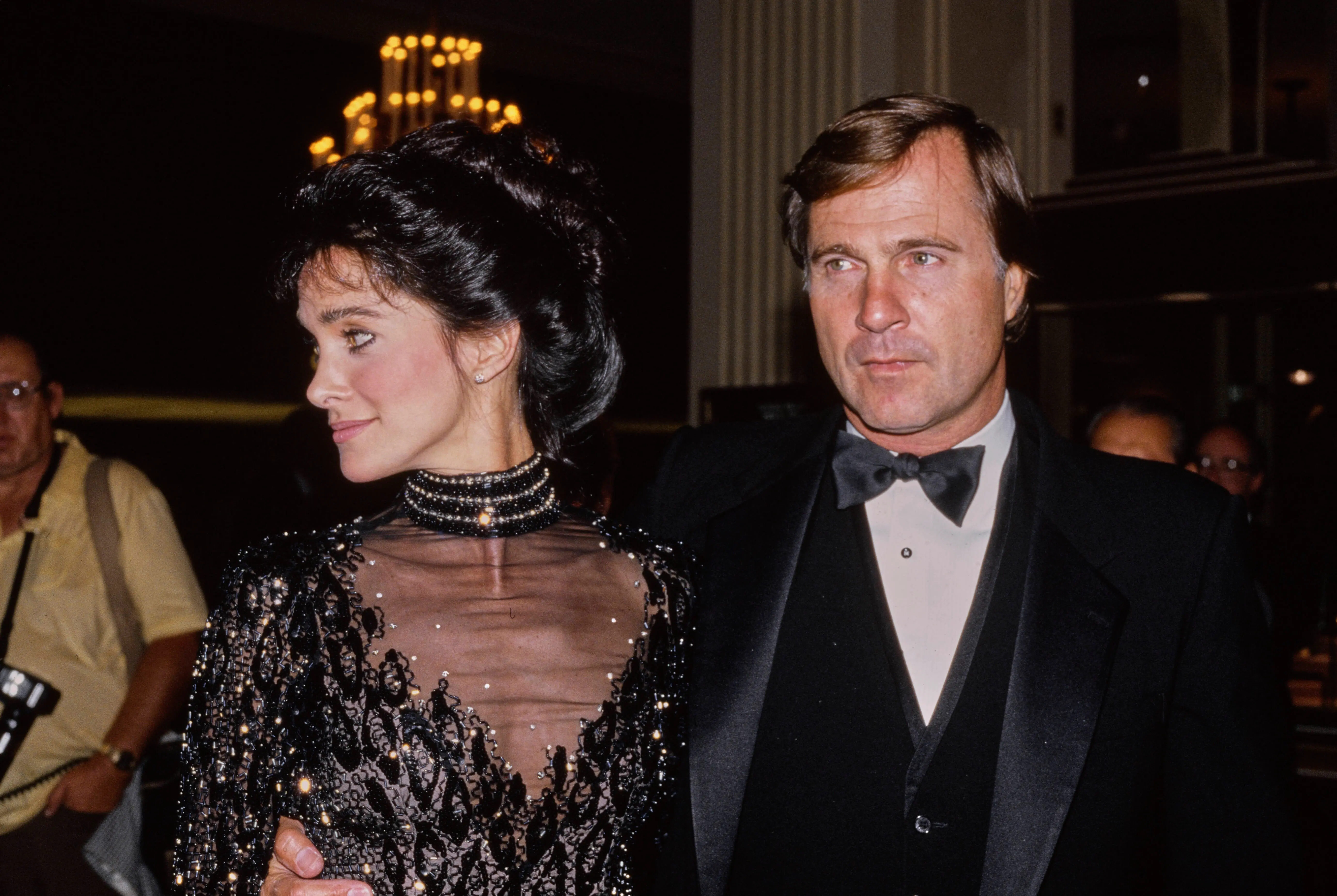
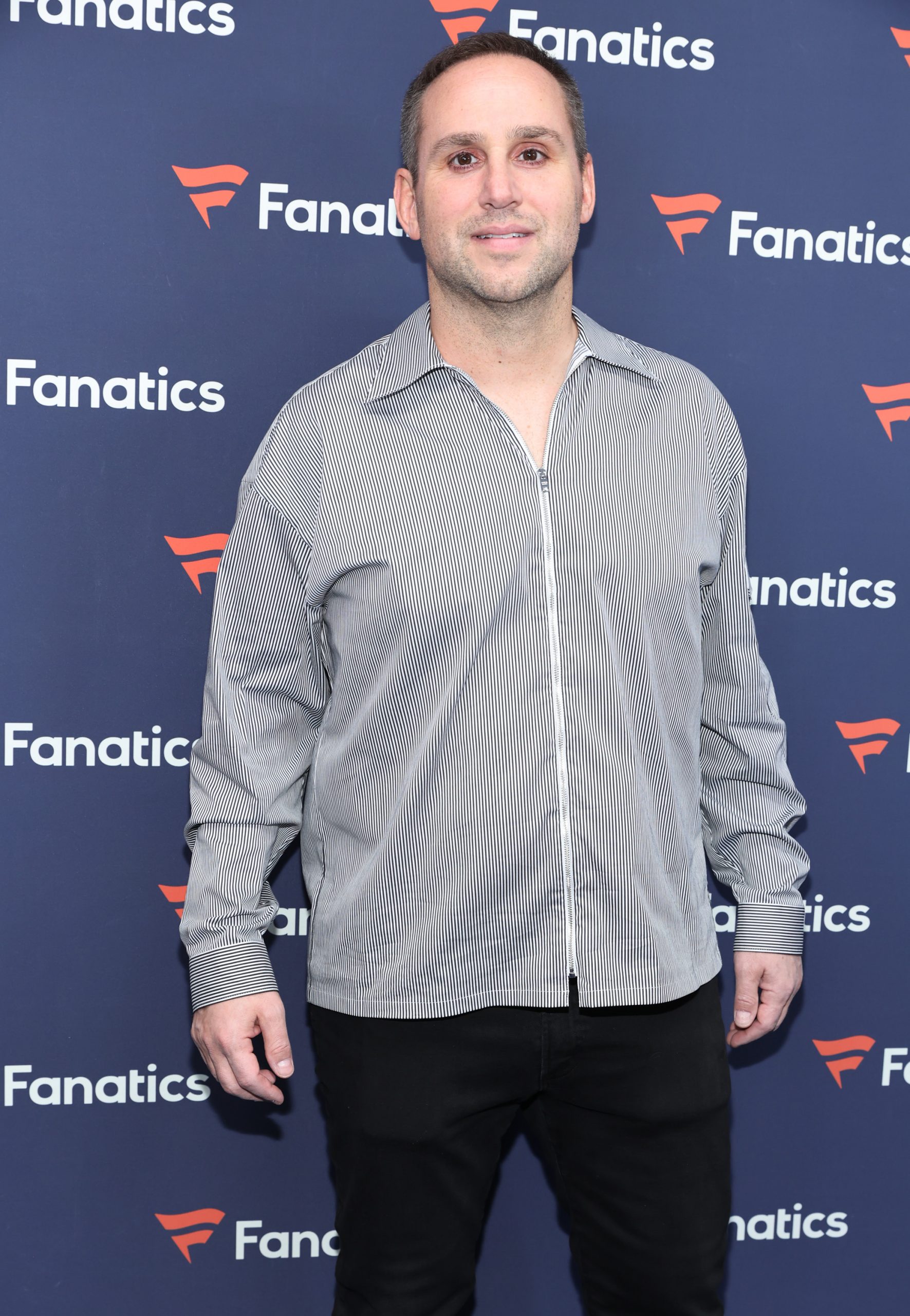
Stephen Rubin and his family maintain an estimated net worth between £2.1 billion and £3.0 billion (approximately $2.7 billion to $3.8 billion USD). As the controlling figures behind Pentland Group, the UK-based global brand management conglomerate, the Rubin family's fortune derives from iconic sportswear brands like Speedo and Berghaus, alongside a majority controlling stake in retail giant JD Sports Fashion plc.
The Origin of the Rubin Fortune: From Liverpool Shoe Company to Global Conglomerate
The foundational enterprise behind Stephen Rubin’s financial standing began in 1932, when his parents, Robert and Minnie Rubin, established the Liverpool Shoe Company. Stephen Rubin joined the family business in 1958 after studying law at Wadham College, Oxford, and being called to the bar. His legal background, combined with an aggressive strategy for commercial expansion, transformed a modest regional footwear business into a international corporate powerhouse.
Under Stephen Rubin’s leadership, the business floated on the London Stock Exchange in 1964 as Liverpool Shoe Company, later renaming itself Pentland Group in 1973 to reflect its diversifying investment portfolio. Rubin recognized early that long-term enterprise value in consumer goods lay not merely in contract manufacturing, but in brand equity and IP ownership. During the 1970s and 1980s, Pentland pivoted from footwear wholesale toward strategic brand acquisition, equity investments, and global distribution licensing.
In 1999, after decades of operating as a publicly traded company, Stephen Rubin led a buyout to take Pentland Group private once again. This strategic move allowed the Rubin family to retain 100% ownership of Pentland Group Holdings, shielding their long-term brand equity strategies from quarterly public market scrutiny while creating a consolidated privately held wealth engine.
Pentland Group Portfolio & Corporate Asset Structure
Understanding Stephen Rubin’s total fortune requires evaluating the dual structure of Pentland Group: its privately held brand operational unit (Pentland Brands Limited) and its substantial public equity investments. The family’s wealth relies on cash flow generation, brand licensing fees, and dividends distributed through these twin channels.
- Pentland Group Holdings (Rubin Family - 100%)
- Pentland Brands Limited (100% Private Brands)
- Speedo
- Berghaus
- Canterbury of New Zealand
- Ellesse
- Mitre
- Endura / Kickers (UK)
- JD Sports Fashion plc (~51%-55% Stake)
- Pentland Brands Limited (100% Private Brands)
Privately Held Brand Holdings
Pentland Brands owns, manages, or holds primary licences for a wide range of recognizable athletic, outdoor, and footwear names:
- Speedo: The world’s leading swimwear brand. Pentland acquired the global rights to Speedo in 1991 (having previously owned Speedo UK), positioning the company at the center of competitive and recreational water sports worldwide.
- Berghaus: A premier British outdoor clothing and equipment manufacturer focused on performance outerwear and mountaineering gear.
- Canterbury of New Zealand: A dominant heritage brand in international rugby apparel and team kit manufacturing.
- Ellesse: An Italian sportswear brand rooted in skiing and tennis fashion, successfully repositioned by Pentland into modern streetwear and heritage sports apparel.
- Mitre: One of the world’s oldest sports equipment brands, specializing in footballs, team equipment, and athletic accessories.
- Endura: A high-performance cycling apparel brand acquired to capture growing international demand in road, gravel, and mountain biking segments.
Public Equity Holdings: JD Sports Fashion plc
The largest single component of the Rubin family’s liquid asset backing is their controlling equity stake in JD Sports Fashion plc. Pentland Group acquired a controlling interest in JD Sports in 2005. Over subsequent decades, JD Sports expanded from a UK high-street retailer into a global powerhouse across Europe, North America, and the Asia-Pacific region.
While JD Sports trades publicly on the London Stock Exchange (FTSE 100), Pentland Group maintains a majority stake (historically between 51% and 55%). This stake yields significant annual dividend income for the Rubin family while adding billions in publicly verifiable equity to their net worth profile.
Estimating Stephen Rubin’s Net Worth: Valuation Methodology
Financial analysts and wealth tracking publications compute Stephen Rubin’s net worth by combining public market capitalization data, private company valuation multiples, and historical capital distributions.
| Asset Category | Primary Holdings | Ownership Structure | Valuation & Revenue Contribution Mechanism |
|---|---|---|---|
| Public Equities | JD Sports Fashion plc | Majority Stake (~51%+) via Pentland Group | Measured by LSE share price; provides high liquidity and robust annual dividend yields. |
| Private Brand Holdings | Speedo, Berghaus, Ellesse, Canterbury, Mitre, Endura | 100% Wholly Owned via Pentland Brands | Valued via Enterprise Value / EBITDA multiples relative to global consumer brand peers. |
| Real Estate & Cash Reserves | Commercial properties, UK/Global real estate, family liquid holdings | Family Offices & Subsidiary Property Arms | Rental yields, capital appreciation, and accumulated treasury reserves from legacy exits. |
| Venture & Minority Stakes | Technology, sustainability, and licensing ventures | Minority Private Equity Investments | Capital growth and long-term tech/licensing integration within retail channels. |
Private vs. Public Valuation Dynamics
Calculating private brand fortunes inherently involves variances across different wealth reporting publications, such as The Sunday Times Rich List or Forbes:
- Public Market Sensitivity: Because more than half of the family's gross asset value is tied to JD Sports Fashion plc, fluctuations in consumer retail sentiment, stock market valuations, and UK equity market cycles directly impact their net worth calculations from quarter to quarter.
- Private Multiple Application: Pentland Brands operating revenue is evaluated using private market enterprise multiples. Depending on whether analysts apply a conservative 8x EBITDA multiple or an aggressive 14x apparel peer multiple, the estimated value of the unlisted brand portfolio can shift by hundreds of millions of pounds.
- Family Trust Allocations: Rubin’s wealth is distributed across family trusts, holding vehicles, and executive succession structures involving his children, including Andy Rubin (who has held key executive roles within Pentland Group and JD Sports). Consequently, media outlets frequently list the net worth under "Stephen Rubin and Family."
Key Investments and Historic Windfalls: The Reebok Trade
The defining transaction in Stephen Rubin’s corporate career—and the single event that catapulted Pentland into global financial prominence—was the investment in Reebok USA in the early 1980s.
In 1981, Stephen Rubin was introduced to Paul Fireman, who held the North American licensing rights to Reebok, then a modest British running shoe manufacturer. Rubin agreed to acquire a 55% controlling stake in Reebok USA for just $77,500. Pentland provided the capital, supply chain management, and manufacturing oversight necessary to scale production.
- 1981: Initial Investment [Pentland buys 55% stake in Reebok USA for $77,500]
- 1980s: Aerobics Boom & Expansion [Reebok sales skyrocket from millions to billions]
- 1991: Complete Exit [Pentland sells final stake for ~$770 Million cash]
Driven by the 1980s aerobics boom and the launch of groundbreaking products like the Reebok Freestyle, sales exploded from under $4 million in 1980 to over $1 billion by the late 1980s. Between 1989 and 1991, Pentland systematically divested its equity stake in Reebok, realizing cumulative gross returns of roughly $770 million.
This historic windfall provided Pentland with unprecedented cash reserves. Rather than liquidating the profits, Stephen Rubin reinvested this liquidity back into corporate acquisitions, securing complete ownership of brands like Speedo and acquiring strategic retail positions, including the eventual buyout of JD Sports.
Corporate Governance, Leadership Transition, and Philanthropy
Stephen Rubin served as Chief Executive of Pentland Group from 1969 to 1998, subsequently taking on the role of Chairman. Over the past two decades, the family executed a structured leadership transition, bringing the next generation of leadership into key governance roles within Pentland Group Holdings and board seats at JD Sports.
Industry Leadership and Trade Bodies
Beyond managing family investments, Stephen Rubin spent decades shaping international trade policy and footwear industry standards:
- World Federation of the Sporting Goods Industry (WFSGI): Rubin served multiple terms as President and remains an Honorary Life President, driving global supply chain compliance, ethical labor standards, and anti-counterfeiting measures.
- International Chamber of Commerce (ICC): Served in senior advisory capacities, advocating for fair international trade agreements and cross-border IP protections.
- Textile Institute & British Heritage Institutions: Patron of numerous industrial design and apparel trade organizations across the United Kingdom.
Philanthropic Initiatives
The Rubin family directs substantial capital toward educational, medical, and community initiatives through family charitable foundations:
- Educational Endowments: Funding scholarships, design centers, and legal education research programs across UK institutions, including Oxford University.
- Humanitarian Aid & Social Programs: Supporting international development agencies, disaster relief programs, and youth sports development schemes aimed at expanding sports access in underprivileged urban centers.
Strategic Financial Outlook and Risk Factors
As family offices and market analysts evaluate the Rubin fortune, several market-driven operational variables dictate the trajectory of their capital growth:
- Direct-to-Consumer (DTC) Shift vs. Retail Partners: Pentland Brands continues to navigate the transition from traditional wholesale distribution to high-margin DTC e-commerce channels. Managing this shift without disrupting brick-and-mortar retail partnerships remains a critical operational priority.
- Global Supply Chain Volatility: Apparel and footwear brand margins depend heavily on Asian manufacturing hubs, international freight rates, and foreign exchange hedging (particularly USD/GBP pairings). Effective currency hedging strategies protect Pentland's bottom-line dividend flow.
- International Expansion of JD Sports: JD Sports’ aggressive expansion strategy into North America (via acquisitions like Finish Line, Shoe Palace, and Hibbett) serves as a primary catalyst for capital appreciation in the family's public equity portfolio.
FAQs About Stephen Rubin's Net Worth and Fortune
How did Stephen Rubin build his initial fortune?
Stephen Rubin expanded his parents' regional footwear business, the Liverpool Shoe Company, into Pentland Group. He built substantial capital through international brand licensing and achieved a landmark financial exit by investing $77,500 for a 55% stake in Reebok USA in 1981, which Pentland sold a decade later for approximately $770 million.
What major brands does the Rubin family control today?
Through Pentland Brands, the Rubin family owns global outdoor and athletic brands including Speedo, Berghaus, Canterbury of New Zealand, Ellesse, Mitre, and Endura. Additionally, through Pentland Group Holdings, they hold a controlling majority stake in retail conglomerate JD Sports Fashion plc.
Why do net worth estimates for Stephen Rubin vary across published rich lists?
Variances occur because media organizations use different valuation models for privately held assets. While the family's stake in public retailer JD Sports plc is easy to calculate based on daily stock prices, valuing private entities like Pentland Brands requires estimating earnings multiples, debt loads, and private liquidity reserves, which are not fully disclosed to public markets.
Does Stephen Rubin still serve as Chief Executive of Pentland Group?
No. Stephen Rubin stepped down as CEO in 1998, moving into the role of Chairman. The day-to-day operations and executive leadership of Pentland Group and its subsidiary holdings are managed by professional executive boards alongside family members of the next generation.
What was the financial impact of the Speedo global unification?
For many years, Speedo’s North American rights were licensed separately to third parties like PVH Corp. In 2020, Pentland Brands repurchased the North American Speedo business for $250 million, reuniting the global rights under Pentland ownership and significantly boosting annual operating revenue and brand equity.
Tracking Family Office and Brand Portfolio Valuations
Evaluating large family fortunes rooted in a hybrid mix of private IP brands and public equities requires specialized financial tracking tools. Investors and analysts monitoring multi-generational private equity holdings should focus on three core tracking actions:
- Monitor Public Filings: Track regular regulatory updates (such as Form RNS in the UK) regarding Pentland Group Holdings’ exact shareholding percentages and dividend distributions from JD Sports Fashion plc.
- Analyze Apparel Industry Multiples: Review quarterly Enterprise Value / EBITDA multiples across comparative public brand holding companies (such as VF Corporation, Amer Sports, or VF Outdoor peers) to estimate real-time valuations for Pentland's private portfolio.
- Evaluate Trademark and IP Expansion: Follow global trade register updates to observe how family offices acquire, defend, and license proprietary trademarks across emerging geographical markets.