Accessing information regarding Stanly County recent arrests in 2026 requires an understanding of the modernized digital infrastructure managed by the Stanly County Sheriff’s Office and the North Carolina Judicial Branch. As of 2026, the integration of the statewide Odyssey eCourts system has streamlined how public records, booking logs, and active warrants are accessed by the public. This guide provides a comprehensive overview of how to navigate the local justice system, locate individuals currently in custody, and understand the legal proceedings following an arrest in Albemarle and the surrounding municipalities.
Whether you are a legal professional, a concerned family member, or a researcher, maintaining transparency in public records is a cornerstone of the North Carolina Public Records Law (NCGS Chapter 132). The Stanly County Detention Center serves as the primary intake facility for all law enforcement agencies within the county, including the Albemarle Police Department, Locust Police Department, and the North Carolina State Highway Patrol.
Accessing the 2026 Stanly County Inmate Portal
The primary method for verifying recent arrests is through the Stanly County Sheriff's Office (SCSO) digital inmate portal. In 2026, this system offers real-time synchronization with the jail management software, ensuring that the public has access to the most current booking data.
Digital Search Functionality The online portal allows users to filter searches by name, booking date, and charge type. For 2026, the interface has been upgraded to include high-resolution digital imaging and detailed charge descriptions that correlate directly with North Carolina’s unified sentencing guidelines. When searching the database, users should have the correct spelling of the individual’s last name to ensure accuracy, as the system serves a population that has grown significantly over the last decade.
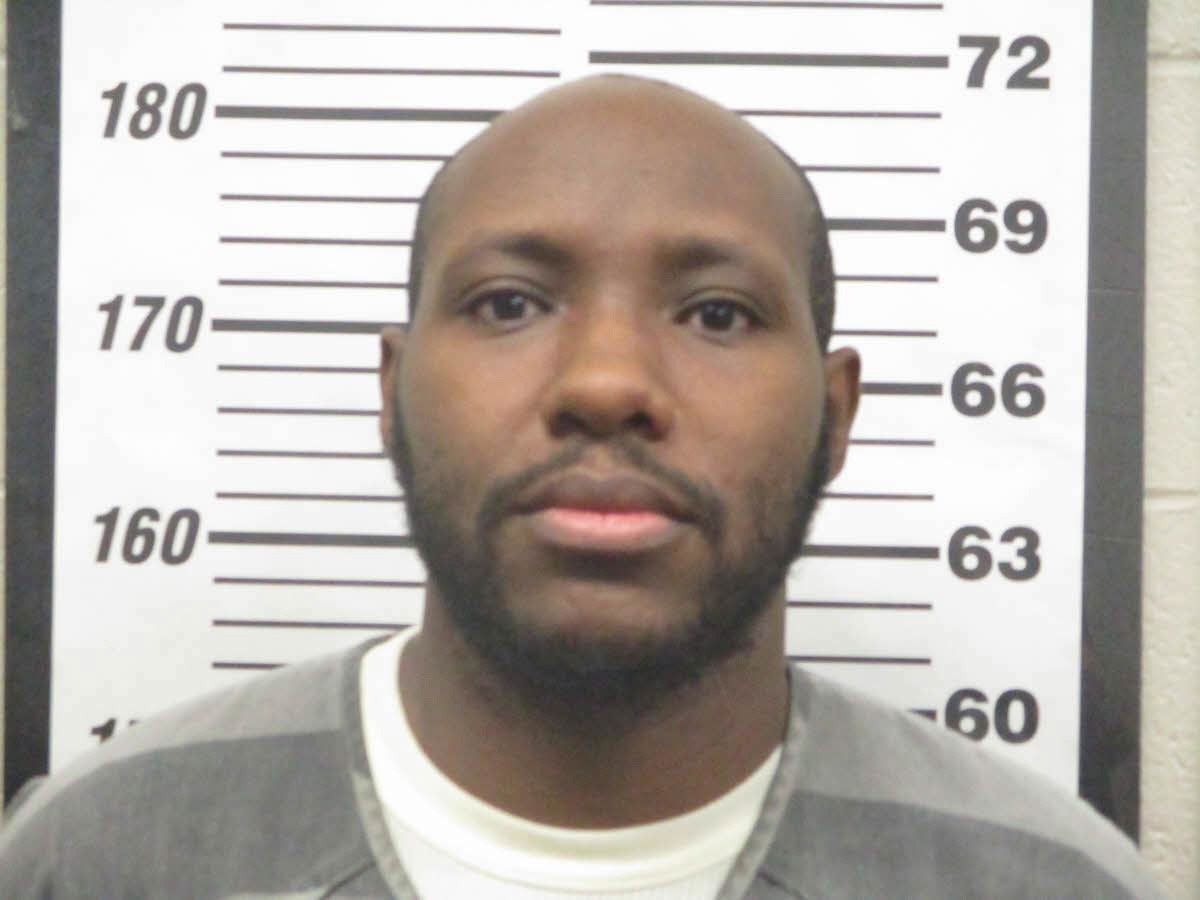
Information Provided in Public Records Upon locating a record, the public profile typically includes the full legal name, age at the time of arrest, booking photo (mugshot), specific charges, bond amount, and the scheduled court date. It is important to note that the presence of an individual on this roster indicates an arrest and booking but does not constitute a conviction.
The Arrest and Booking Pipeline at the Stanly County Detention Center
The journey from an initial stop to a booking at the Stanly County Detention Center, located at 223 South 2nd Street in Albemarle, involves several critical legal stages. In 2026, these stages are documented digitally to ensure compliance with civil rights standards and state mandates.
Initial Intake and Fingerprinting Following an arrest, individuals are transported to the detention center where they undergo a standard intake process. This involves a medical screening, inventory of personal property, and biometric enrollment. The biometric enrollment in 2026 includes advanced fingerprinting and facial recognition tagging to prevent identity discrepancies within the North Carolina State Bureau of Investigation (SBI) database.
The Magistrate’s Role The magistrate is a judicial officer who operates 24/7 at the Stanly County Courthouse or within the jail complex. Their role is to determine if there is probable cause for the arrest and to set the initial conditions of release. Under 2026 protocols, magistrates utilize a standardized risk assessment tool to determine bond amounts, focusing on the individual’s flight risk and the potential danger to the community.
Bail and Pretrial Release in 2026
The bail system in Stanly County has seen significant adjustments by 2026 to ensure equitable treatment. Understanding the types of bonds available is crucial for anyone attempting to secure the release of an individual from the Stanly County Detention Center.
Types of Release Conditions
- Written Promise to Appear: Usually reserved for minor misdemeanors or individuals with strong local ties and no prior history of failing to appear.
- Unsecured Bond: A dollar amount is set, but the defendant does not have to pay it upfront. They only owe the money if they fail to show up for court.
- Secured Bond: Requires the full amount to be paid in cash or through a licensed bail bondsman who charges a non-refundable fee (typically 10-15% in 2026).
- Cash-Only Bond: Occasionally mandated by a judge for high-risk cases where only the full cash amount is accepted by the Clerk of Superior Court.
Electronic Monitoring and Supervised Release In 2026, Stanly County frequently utilizes electronic monitoring (GPS tethering) as a condition of pretrial release for certain felony offenses. This allows the county to reduce jail overcrowding while ensuring the defendant remains within the jurisdiction of the court.
Comparison Table of Public Record Search Tools
Understanding where to find information depends on what specific data is needed. The following table compares the official resources available in 2026.
| Resource Name | Data Scope | Access Method | Real-Time Updates | Cost |
|---|---|---|---|---|
| SCSO Inmate Portal | Current bookings and mugshots | Online / Public Kiosk | High (Hourly) | Free |
| NC eCourts (Odyssey) | Historical cases and court dates | Online / Mobile App | High (Daily) | Free / Nominal Fee |
| Stanly County Clerk | Certified legal documents | In-Person (Albemarle) | Moderate | Per-page Fee |
| VINE (Victim Info) | Custody status notifications | Phone / Email / SMS | High (Instant) | Free |
| NC DPS (State) | Prison records (Post-conviction) | Online Search | Moderate | Free |
Legal Rights and Expungement in North Carolina
As of 2026, North Carolina’s "Second Chance Act" and subsequent legislative updates have streamlined the process for dealing with arrest records that did not lead to a conviction. It is essential to recognize the difference between an arrest record and a criminal record.
Presumption of Innocence Every individual whose name appears in the Stanly County recent arrests log is legally presumed innocent until proven guilty in a court of law. The publication of an arrest record is a matter of public safety transparency and does not imply guilt.
Expungement Procedures In 2026, many non-convictions and dismissed charges are eligible for automatic expungement under refined state laws. This means that if a charge is dismissed or a "not guilty" verdict is reached, the record of the arrest may be removed from public view via a petition to the Stanly County Clerk of Superior Court.
Accuracy and Corrections If a record contains factual errors—such as a misspelled name or incorrect birthdate—the individual or their legal counsel must contact the Stanly County Sheriff's Office Records Division to initiate a data correction request.
Victim Services and Community Resources
The 2026 public safety framework in Stanly County places a high priority on victim rights. If an arrest is related to a crime where there is a specific victim, several automated systems ensure the victim is kept informed.
The VINE System The Victim Information and Notification Everyday (VINE) system remains the gold standard for custody status updates. In 2026, the system integrates directly with Stanly County’s jail management software to provide instant alerts if an inmate is released, transferred, or escapes.
Local Support Agencies Victims of domestic violence or assault within Stanly County can access support through local non-profits and the District Attorney’s office. These agencies provide court advocacy and help victims navigate the complexities of the 2026 legal system.
Impact of Modern Technology on Local Law Enforcement
By 2026, the Stanly County Sheriff’s Office has fully implemented several technological advancements that impact how arrests are recorded and reported.
- Body-Worn Camera (BWC) Integration: Every arrest in Stanly County is now captured via high-definition body cameras. This footage is tagged to the arrest record, providing an objective account of the encounter.
- AI-Assisted Processing: Initial intake paperwork is now optimized using AI to ensure that charges are mapped correctly to the North Carolina General Statutes, reducing human error in the booking logs.
- Digital Evidence Management: The transition to a paperless system means that the Stanly County District Attorney’s office receives arrest data almost instantly, allowing for faster "first appearance" hearings.
Frequently Asked Questions
How can I find out if someone was arrested in Stanly County today? The most efficient way is to visit the Stanly County Sheriff’s Office official website and navigate to the "Inmate Search" or "Recent Arrests" section. This portal is updated multiple times per day and provides the most current information for individuals booked into the Stanly County Detention Center in 2026.
What should I do if a family member is arrested in Albemarle? Your first step should be to confirm their location using the SCSO Inmate Portal. Once confirmed, you can contact a local bail bondsman or visit the Magistrate’s office to determine the bond amount. It is highly recommended to consult with a licensed attorney to navigate the first appearance hearing and subsequent court dates.
Are mugshots public record in Stanly County in 2026? Yes, under North Carolina public records law, booking photographs taken by law enforcement agencies are considered public information. However, there are specific 2026 regulations that prevent commercial "mugshot websites" from charging fees to remove photos if the charges were dismissed or the individual was found not guilty.
How do I pay a bond for someone in Stanly County? Bonds can be paid at the Stanly County Magistrate’s office 24 hours a day. In 2026, payments can often be made via certified check, cash (at the detention center kiosks), or through a professional bonding service. For secured bonds, you will need to provide collateral or pay the bondsman’s premium.
Can I see the specific charges for a recent arrest? Yes, the public inmate roster lists each specific charge, including the North Carolina General Statute number. You can look up these statutes on the North Carolina General Assembly website to understand the severity and potential penalties associated with the offense.
When is the first court appearance for a person arrested in Stanly County? For individuals held in custody, a "first appearance" typically occurs within 48 to 72 hours of arrest, or on the next available business day if the arrest occurred over a weekend or holiday. These hearings are usually held via video link between the detention center and the Stanly County Courthouse.
If you are seeking information on a specific individual or require detailed legal records from 2026, the Stanly County Clerk of Court remains the authoritative source for all official case dispositions. For immediate public safety concerns or to report a crime, always contact the Stanly County Sheriff's Office or local municipal police directly.