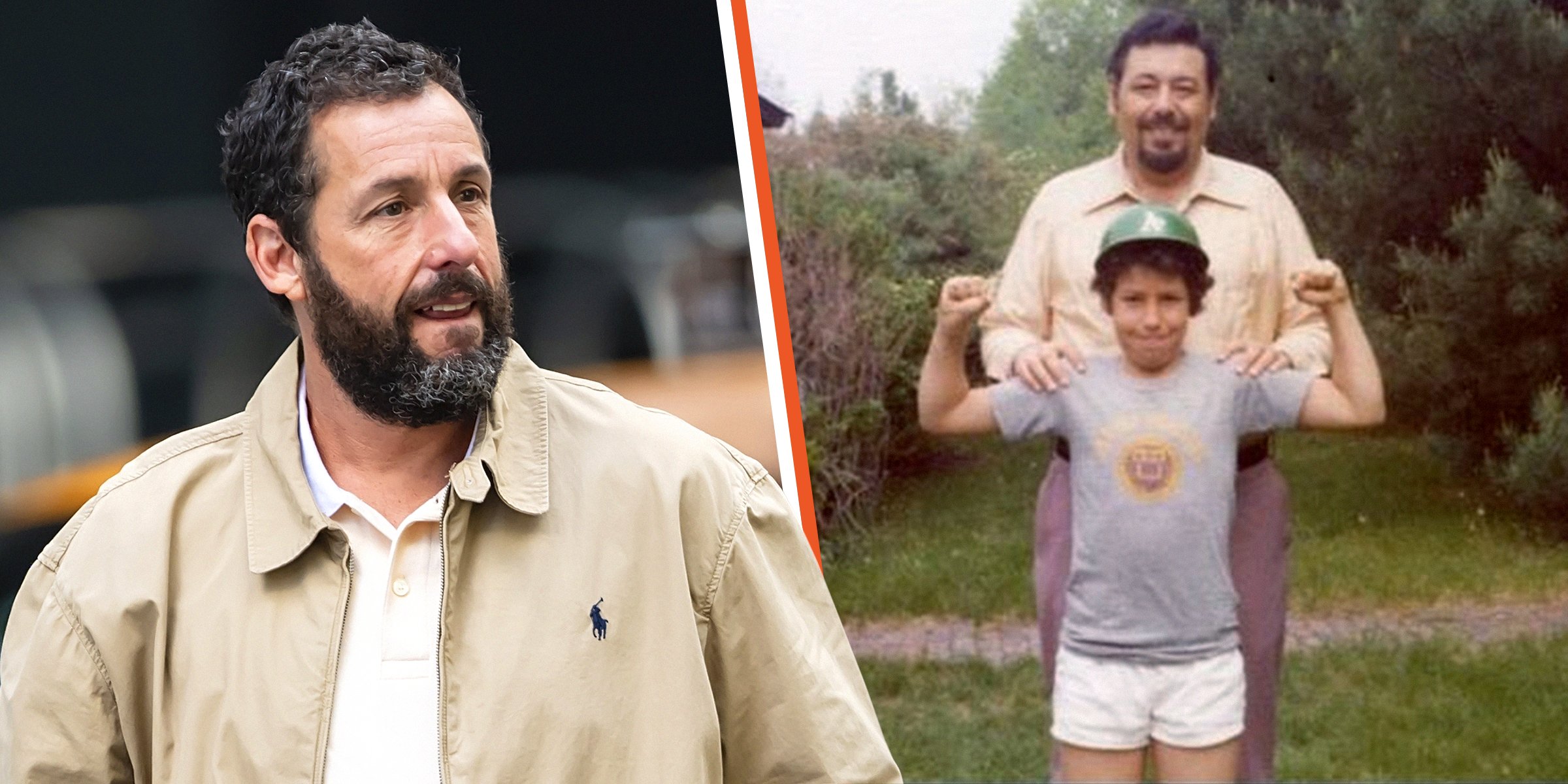
Stanley Sandler was the father of actor and comedian Adam Sandler, serving as his primary role model, comedic inspiration, and work-ethic anchor. An electrical engineer by trade, Stanley’s sharp humor, intense loyalty, and boisterous personality shaped Adam’s comedic style, studio culture at Happy Madison Productions, and recurring thematic focus on family devotion.
Who Was Stanley Sandler? Background, Career, and Family Life
Stanley Alan Sandler was born on April 5, 1935, in Brooklyn, New York. Raised in a tight-knit Jewish household, he developed a straightforward, plain-spoken demeanor that reflected the working-class ethos of post-war New York City. Stanley pursued a career in technology and infrastructure, qualifying as an electrical engineer—a profession that required technical precision, pragmatic problem-solving, and disciplined effort.
In the late 1950s, Stanley married Judith "Judy" Levine, a nursery school teacher. Together, they established a foundation centered on domestic warmth, humor, and open communication. Although Stanley worked demanding hours as an engineering contractor, his primary focus remained anchored in his home life.
- Stanley Alan Sandler (1935–2003) - Electrical Engineer
- Judith "Judy" Levine Sandler - Educator
- Scott Sandler - Attorney / Partner
- Valerie Sandler - Executive / Sales
- Elizabeth Sandler - Dentist
- Adam Sandler - Comedian / Actor
- Judith "Judy" Levine Sandler - Educator
In 1972, when Adam was six years old, Stanley relocated the family from Brooklyn to Manchester, New Hampshire. The move was prompted by business opportunities and a desire to raise their four children—Scott, Elizabeth, Valerie, and Adam—in a quieter suburban environment. Despite leaving New York, Stanley maintained his distinct Brooklyn cadence, quick temper, and expressive humor, traits that made a strong impression on his youngest son.
Stanley passed away on September 9, 2003, at the age of 68, following a battle with lung cancer. His death occurred just as Adam was transitioning from pure slapstick comedy to critically acclaimed dramatic and comedic roles. Despite his passing, Stanley remains a frequent presence in Adam's public statements, award acceptances, and creative projects.
Growing Up Sandler: Life in Brooklyn and New Hampshire
The transition from Brooklyn to Manchester provided the backdrop for Adam Sandler's childhood and early comedic observations. The Sandler home served as a central gathering spot for extended family, neighbors, and friends. At the center of this environment was Stanley, whose comedic style relied on unvarnished honesty, playful banter, and affectionate ribbing.
Adam grew up as the youngest of four siblings in a household where humor was used to navigate daily challenges. While Judy provided a nurturing, supportive atmosphere, Stanley brought a energetic, dynamic presence. He was known for delivering quick-witted remarks, hosting family cookouts, and commanding the room with his powerful voice.
Stanley Sandler's Core Influences on Adam's Life & Career:
- Work Ethic: "Work hard, take care of your family."
- Comedic Style: Loud, unfiltered, loving aggression & absurd music.
- Production Ethos: Happy Madison loyalty: Hire friends and family first.
- Character Inspiration: Paternal figures in Happy Gilmore, Big Daddy, Hustle.
The family dynamics provided Adam with a steady stream of material:
- Dinner Table Storytelling: Family meals functioned as informal comedy workshops where everyone competed for laughs, with Stanley acting as both chief performer and audience judge.
- Working-Class Values in Suburbia: Even after moving to New Hampshire, Stanley emphasized the value of labor, cautioning his children against pretension or self-importance.
- Music and Entertainment: Stanley loved classic music, big bands, and traditional vocalists. This appreciation for performance encouraged Adam to pick up the guitar, a tool that later became central to his stand-up acts on Saturday Night Live and in his comedy specials.
How Stanley Sandler Shaped Adam’s Humorous Identity and Work Ethic
Stanley Sandler's influence on Adam's career operated on two main levels: shaping his comedic perspective and instilling a strong professional discipline. Adam has often noted that his father was naturally the funniest person in their family, using a brand of humor defined by sudden bursts of emotion followed by immediate warmth.
The Dynamics of Loud Loyalty
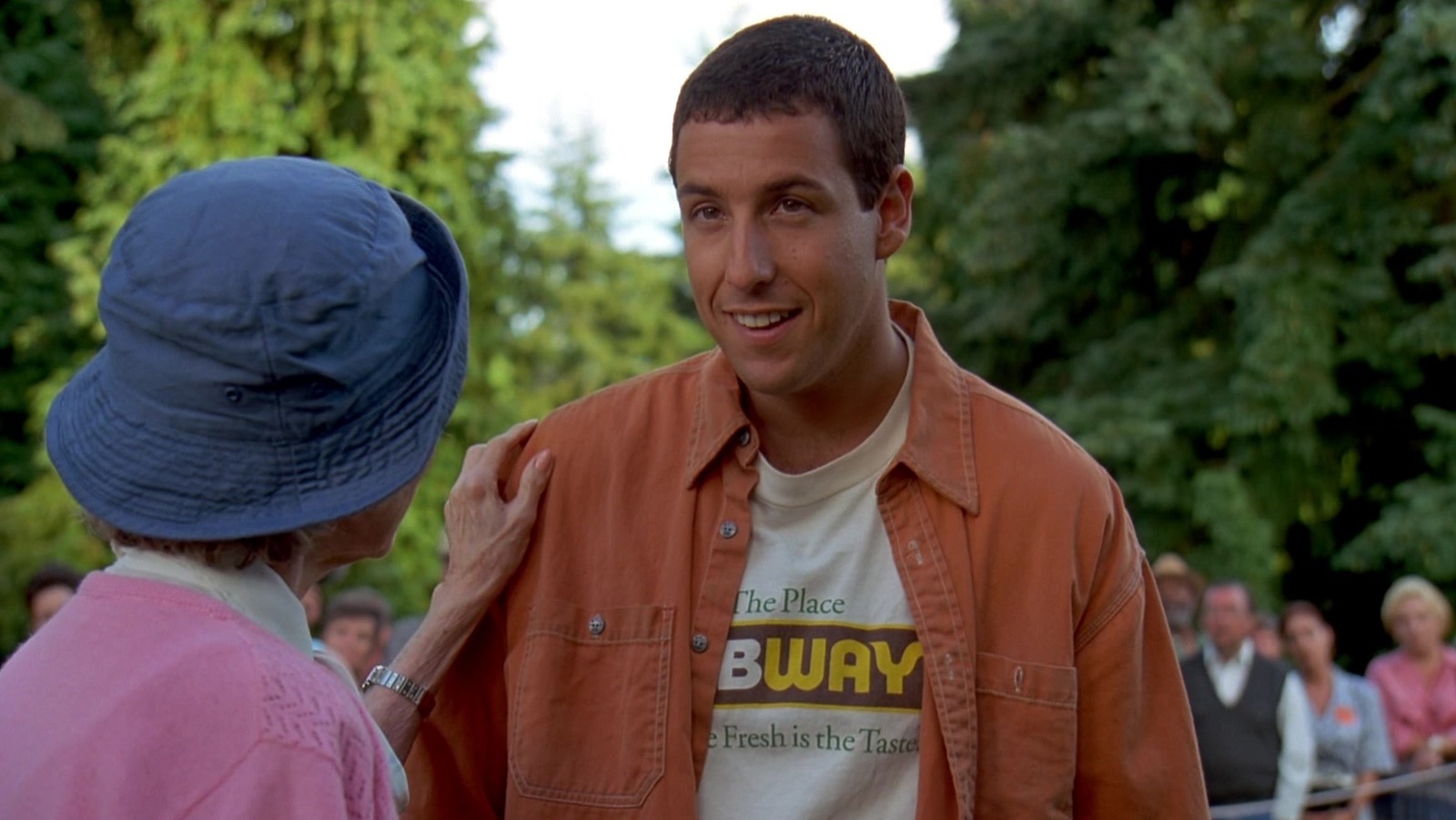
Stanley possessed a strong temper paired with deep devotion to his family. This combination—intense volume paired with affection—became a core element of Adam's comedic persona. Characters in movies like Happy Gilmore, The Waterboy, and Billy Madison frequently switch between loud outbursts and gentle sincerity, a dynamic Adam modeled directly on his father's personality.
Adam observed how his father used humor to defuse tension, defend his family, and build connections with people from all walks of life. Rather than discouraging Adam's goofy behavior, Stanley embraced it, often coaxing his son to perform impressions or sing songs for visiting friends and relatives.
Encouraging the First Stand-Up Gig
While many parents in the 1980s might have discouraged a career in stand-up comedy, Stanley supported Adam's artistic interests while insisting he pursue them with full commitment. When Adam was 17, his older brother Scott suggested that Adam perform at a comedy club in Boston. Adam was hesitant, but Stanley encouraged him to get on stage.
Stanley’s guidance was practical: if Adam chose to pursue comedy, he had to work hard, practice continuously, and stay grounded. This encouragement helped Adam balance his studies at New York University’s Tisch School of the Arts with regular night performances at Manhattan comedy clubs.
A Philosophy of Uncompromising Work Ethic
Throughout his rise from Saturday Night Live cast member to global box-office lead, Adam maintained a demanding production schedule. He attributes this drive to his father’s work ethic as an electrical engineer. Stanley operated under a straightforward rule: complete the job thoroughly, protect your team, and never complain about the labor required for success.
When Adam faced critical backlash early in his film career, Stanley advised him to ignore negative reviews and stay focused on making the audience laugh while supporting his friends and crew.
The Sandler Family Tree: Roles and Influence
The Sandler family operated as a close unit, with each member contributing to Adam’s personal development and eventual entertainment enterprise.
| Family Member | Relation | Background / Profession | Influence on Adam Sandler’s Life and Career |
|---|---|---|---|
| Stanley Alan Sandler | Father | Electrical Engineer / Contractor | Primary inspiration for Adam's comedy, temper, work ethic, and family-first production philosophy. |
| Judith "Judy" Levine Sandler | Mother | Nursery School Teacher | Instilled empathy and warmth; has made cameo appearances in films like Billy Madison and Eight Crazy Nights. |
| Scott Sandler | Older Brother | Attorney / Business Partner | Encouraged Adam’s first stand-up performance; aids in managing business affairs and legal matters. |
| Elizabeth Sandler | Older Sister | Dentist | Provided a grounded medical perspective; supported Adam during his early schooling and career moves. |
| Valerie Sandler | Older Sister | Corporate Executive | Offered structural guidance and sustained strong family connections throughout Adam's touring years. |
| Jackie Sandler | Wife (m. 2003) | Actress / Model | Married Adam shortly before Stanley’s death; continues the tradition of family involvement across Happy Madison projects. |
On-Screen Tributes and Cinematic References to Stanley Sandler
Stanley’s legacy is embedded throughout Adam Sandler’s filmography and stand-up specials. Rather than keeping his father's impact private, Adam frequently includes tributes to Stanley in his creative projects.
Dedicated Film Credits and Characters
Following Stanley's death in September 2003, Adam dedicated several high-profile films to his memory. The end credits of 50 First Dates (2004) feature a dedication card reading: "This movie is dedicated to Stanley Sandler. My father, my mentor, my captain, my best friend."
IN MEMORY OFSTANLEY SANDLERMy father, my mentor, my captain, my best friend.
- Dedication Card, 50 First Dates (2004)
In the animated holiday film Eight Crazy Nights (2002), the character of Dave Chow’s dad and the overarching themes of family loss and holiday tradition drew directly from Adam’s real-life experiences with Stanley. Furthermore, paternal figures throughout Sandler's filmography—such as the father roles in Click (2006), Big Daddy (1999), and Hustle (2022)—reflect Stanley's mix of firm discipline, protective warmth, and straightforward advice.
Musical Tributes in Stand-Up Specials
In his 2018 Netflix comedy special 100% Fresh, Adam performed a tribute song for his late friend Chris Farley, but he also integrated musical stories honoring his father. The song "Stan the Man" and related acoustic pieces outline specific memories:
- Stanley’s preference for classic cars and simple domestic routines.
- His habit of dispensing blunt advice while wearing mismatched leisure clothes around the house.
- The comfort Stanley offered when Adam faced creative setbacks or anxiety during his youth.
During live performances, Adam regularly projects archival family photos of Stanley on stage screens, transforming arena comedy shows into personal memorials.
The 2023 Mark Twain Prize Acceptance Speech
When Adam Sandler received the Mark Twain Prize for American Humor at the John F. Kennedy Center for the Performing Arts in 2023, his acceptance speech focused heavily on his parents. He attributed his self-confidence to Stanley, explaining that his father’s unwavering support gave him the courage to perform on stage without fear of failure.
Adam recalled that whenever he felt doubtful, Stanley would tell him, "Sandler, you can do it, work hard, and don't take any nonsense." That simple reassurance became the foundation of his career long after Stanley's passing.
Stanley’s Influence on Happy Madison Productions and Loyalty Culture
Perhaps the most structural legacy of Stanley Sandler is how Adam runs his production company, Happy Madison Productions. Founded in 1999, the company is famous in Hollywood for its unique approach: employing the same core group of friends, family members, and crew across decades of film and television projects.
- Stanley Sandler's Ethos: "Take care of the people who stand by you."
- Happy Madison Productions:
- Long-term crew retention
- Family members cast in roles
- Collaborative, loyal set culture
- Happy Madison Productions:
This business structure reflects Stanley’s belief that success is meaningless if not shared with those who supported you from the start.
- Re-employing Lifelong Friends: Actors like Allen Covert, Peter Dante, Jonathan Loughran, Steve Buscemi, and Rob Schneider regularly appear in Happy Madison productions. This collaborative approach traces back to Stanley's habit of bringing friends into his engineering business.
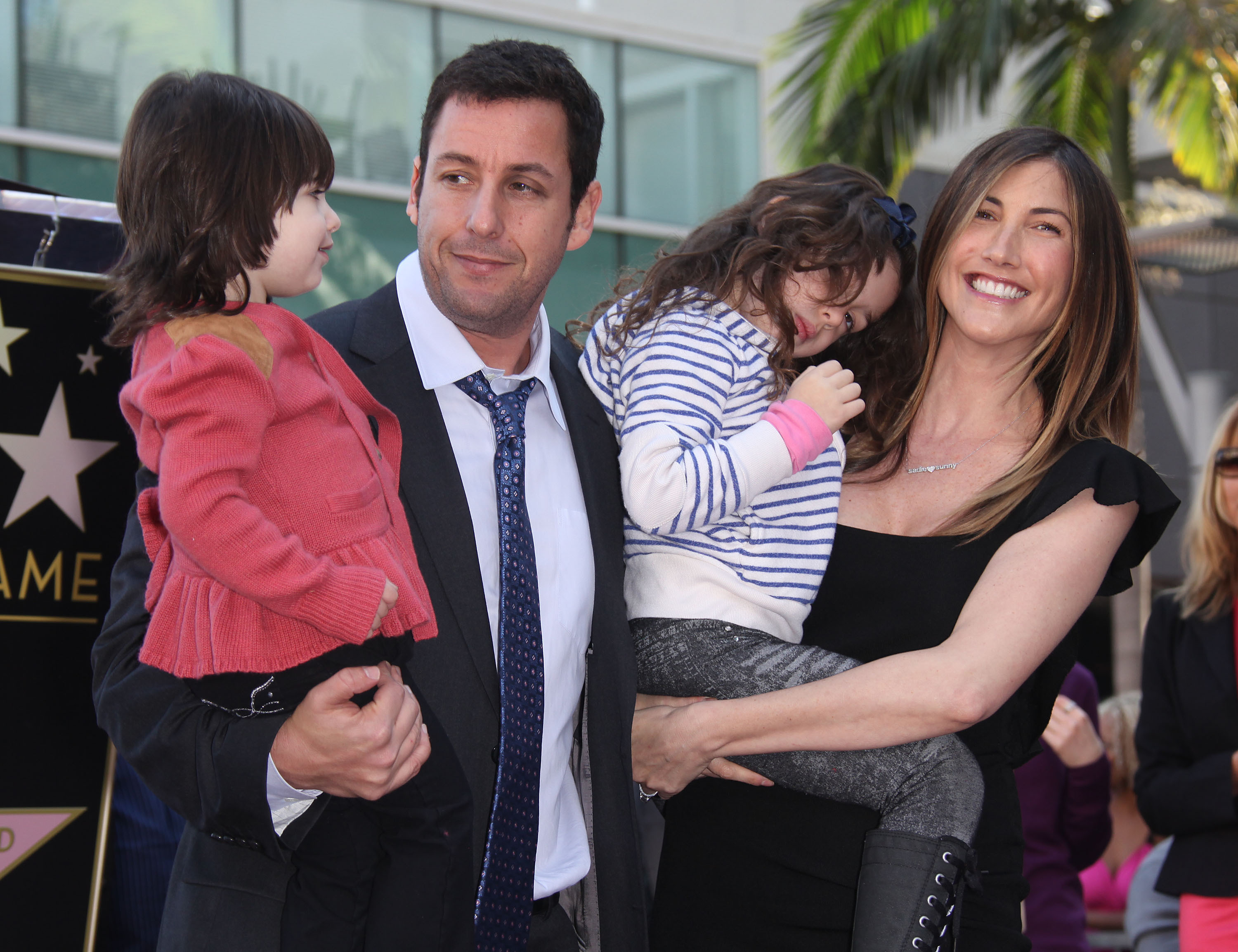
- Casting Family Members: Adam frequently casts his mother Judy, his wife Jackie, his daughters Sadie and Sunny, and his nephews in onscreen roles. This turned the film set into an extension of the Sandler family home.
- Creating a Supportive On-Set Environment: Crew members on Happy Madison productions routinely highlight the respectful, relaxed atmosphere on set. This positive working culture directly reflects the values Stanley demonstrated at home.
Frequently Asked Questions
What did Stanley Sandler do for a living?
Stanley Sandler was an electrical engineer and general contractor. He spent his career working on electrical infrastructure, regional construction projects, and technical contracting. His hard-working background shaped the strong professional discipline Adam brought to his entertainment career.
How did Stanley Sandler pass away?
Stanley Sandler died from lung cancer on September 9, 2003, at the age of 68. His passing occurred shortly before the release of several major films, prompting Adam to dedicate projects like 50 First Dates to his memory.
Was Stanley Sandler involved in Adam Sandler's movies?
While Stanley did not work professionally as an actor, he served as a key advisor and inspiration for Adam’s work. He made brief background appearances and visited sets regularly. His personality inspired many of the father figures and comedic tropes in Happy Madison films.
Where was the Sandler family raised?
The Sandler family lived in Brooklyn, New York, until Adam was six years old. In 1972, they moved to Manchester, New Hampshire, where Stanley and Judy raised their four children and where Adam spent his formative school years.
How does Adam Sandler honor his father today?
Adam honors Stanley through dedication cards in his films, acoustic tribute songs in his stand-up specials, and photo displays during live tours. He also frequently credits Stanley's work ethic and advice during major industry award acceptance speeches.
Key Takeaways for Fans and Creatives
Stanley Sandler’s legacy demonstrates the profound impact that strong family support and grounding values can have on a creative career. For fans of Adam Sandler, understanding Stanley provides valuable context for the comedian's body of work:
- Family Loyalty Drives Creative Longevity: The enduring success of Happy Madison Productions stems directly from Stanley’s lesson to keep loved ones close and share success with long-time supporters.
- Authenticity Resonates with Audiences: The emotional shifts in Adam Sandler's comedy—moving between absurd anger and deep warmth—mirror the authentic household environment Stanley created.
- Work Ethic Sustains Talent: Natural comedic talent relies on discipline. Stanley’s daily commitment to his engineering trade gave Adam the stamina needed to write, produce, perform, and manage a multi-decade entertainment career.
By grounding his high-energy humor in traditional family values, Adam Sandler turned his father’s everyday principles into a defining voice in modern American comedy.