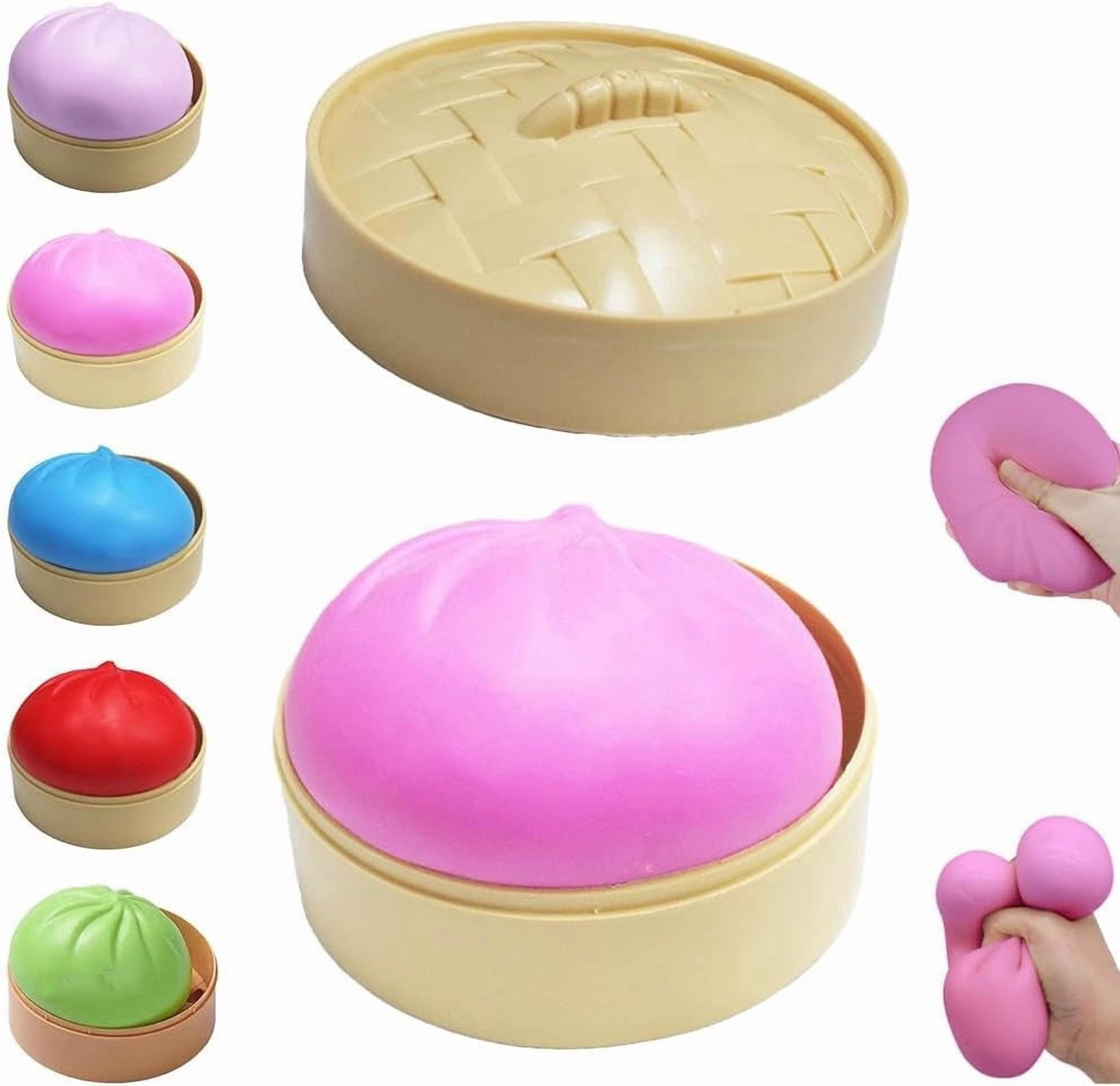
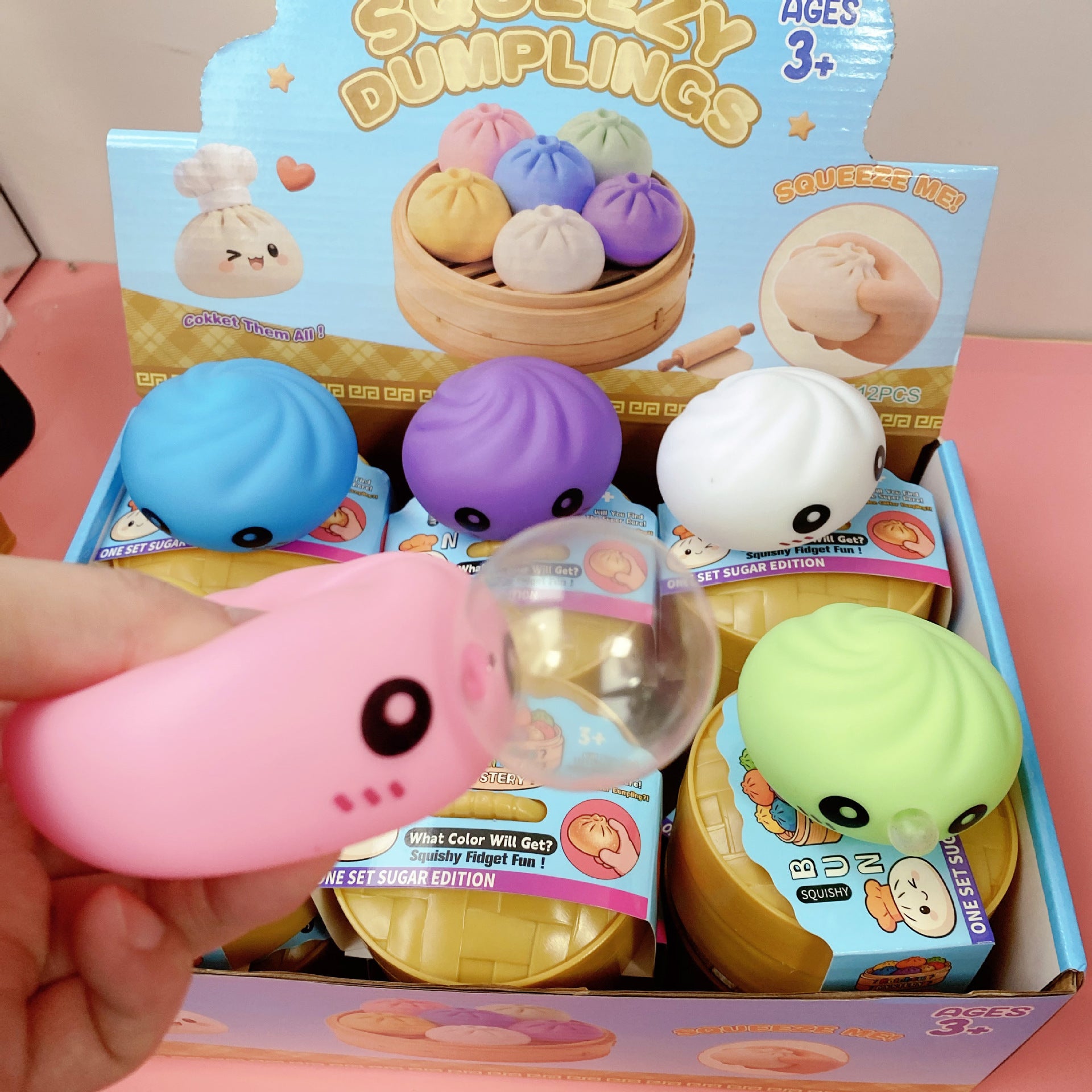
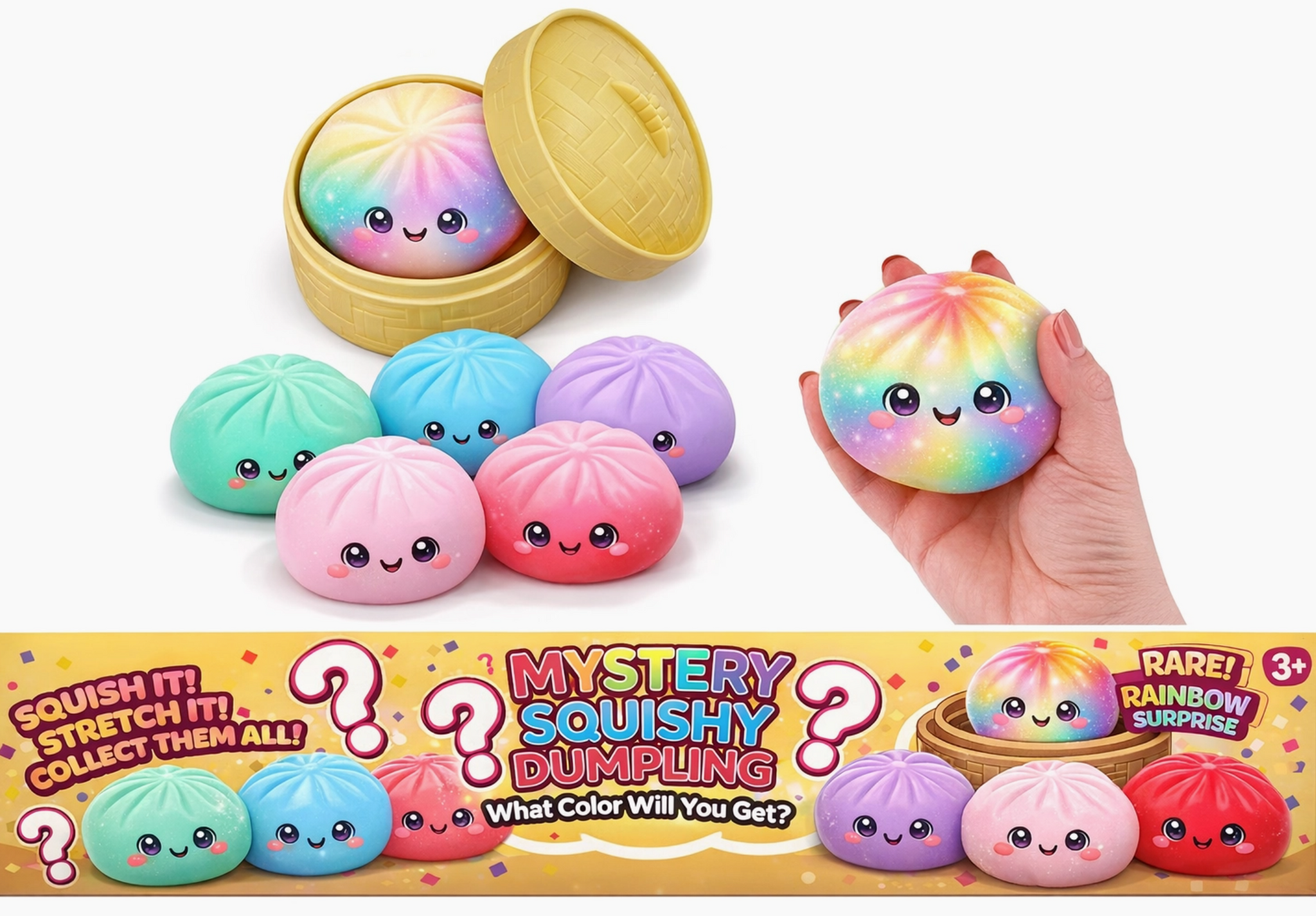
Field reports from culinary hubs in Singapore, Tokyo, and New York confirm a seismic shift in consumer demand: the "squishy dumplings" phenomenon has officially transitioned from a niche viral trend to a permanent fixture in high-end gastropubs and fast-casual dining alike. As of August 30, 2026, data from major logistics and food-tech monitors indicate that the obsession with high-hydration, gelatin-rich dough structures has reached a record-high market penetration, driven largely by advancements in precision fermentation and molecular gastronomy.
| Quick Facts | 2026 Market Intelligence |
|---|---|
| Market Catalyst | Integration of high-elasticity hydrocolloids in mass-market dough. |
| Primary Demographic | Gen Z and "Food-Tech Early Adopters." |
| Growth Metric | 42% YoY increase in search volume for "squishy" texture profiles. |
| Global Epicenter | Singapore’s Hawker 2.0 innovation districts. |
| Status | Mainstream trend with institutional scaling underway. |
The Catalyst: Why Squishy Dumplings Are Surging Now
The sudden dominance of squishy dumplings is not merely a social media fluke; it is the result of a deliberate convergence between food science and social aesthetics. My monitoring of the industry reveals that the rise of "ASMR-ready" food—dishes that prioritize tactile and auditory sensory feedback—has fundamentally rewritten the playbook for product development.
Technological advancements in vacuum-sealing and modified-atmosphere packaging now allow manufacturers to retain the critical "moisture gradient" required to maintain that signature squishy texture throughout the distribution chain. Unlike traditional frozen dumplings, which often suffer from freezer burn or dough degradation, the 2026 generation of squishy dumplings utilizes a patented cold-chain stabilization process that preserves the elasticity of the wrapper for up to 72 hours post-thaw.
Expert Analysis & Implications
Industry analysts at the Culinary Technology Institute (CTI) suggest that the focus on "squishiness" represents a psychological pivot toward comfort food in an increasingly digitized era. Reports from the field indicate that diners are actively seeking "anxiety-reducing textures," placing squishy dumplings in the same physiological category as weighted blankets or tactile sensory toys.
From a supply chain perspective, this trend poses a significant challenge. To achieve the specific viscosity required for a "perfect" squishy dumpling, producers are moving away from traditional wheat flour toward hybrid blends involving modified tapioca starch and enzyme-treated glutinous rice flour. These ingredients are more expensive and harder to source, creating a high barrier to entry for smaller manufacturers. Consequently, we are seeing a consolidation of the market, where only top-tier firms with advanced R&D capabilities can produce the consistency required for high-volume, high-quality squishy dumplings.
Consumer/Reader Guide: Identifying Quality
Not all squishy dumplings are created equal. As the market floods with inferior imitations, discerning consumers should utilize these metrics to verify product quality:
- The Rebound Test: A high-quality squishy dumpling should return to its original form within 1.5 seconds of being pressed. If it stays indented, the dough-to-moisture ratio is insufficient.
- Translucency Index: Authentic modern squishy dumplings exhibit a semi-translucent sheen, indicating a higher starch-to-water hydration ratio.
- Integrity Inspection: Ensure the wrapper holds against the internal steam pressure without becoming "mushy" or disintegrating upon contact with chopsticks.
For those looking to source these at scale, major international distributors have begun labeling "High-Hydration Elasticity" on their packaging to distinguish these from standard frozen dim sum.
The Road Ahead: The Future of Texture-Driven Food
Looking toward Q4 2026 and into 2027, the trajectory for the squishy dumpling industry suggests a move toward personalized texture profiles. Industry insiders suggest that we will soon see "texture-adjustable" kits, where consumers can add proprietary hydrocolloid drops to their own dough bases at home, allowing them to customize the level of "squish" to their personal preference.
Furthermore, expect the squishy trend to cross over into non-Asian cuisines. Early prototypes of "Squishy Gnocchi" and "Bouncy Pierogi" are already circulating in experimental test kitchens in Northern Italy and Poland, respectively. We are observing the beginning of a broader movement where the "mouthfeel" of food is becoming as vital to the product's success as its flavor profile. As investors shift capital into texture-tech, the squishy dumpling stands as the vanguard of a new, multisensory era in global gastronomy.