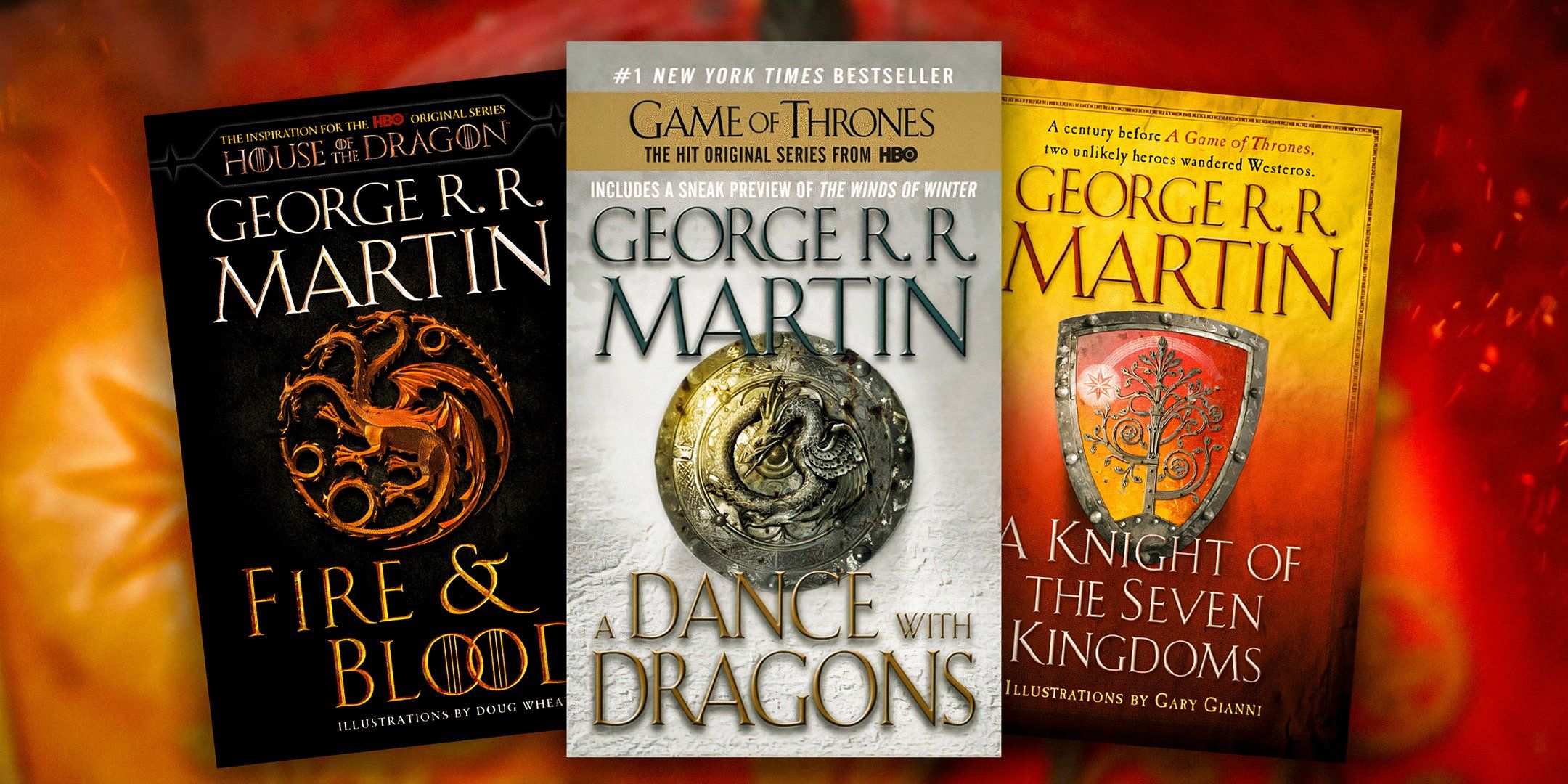
A Song of Ice and Fire is a groundbreaking series of epic fantasy novels by George R.R. Martin, renowned for its complex characters, political intrigue, and subversion of traditional genre tropes. As of 2026, it remains a cornerstone of modern literature, spanning five published core novels, several prequels, and a massive transmedia footprint.
The series began in 1996 with the publication of A Game of Thrones, which introduced readers to the Seven Kingdoms of Westeros. Unlike many fantasy predecessors that leaned heavily on clear-cut morality and magical solutions, Martin’s work emphasized the gritty realities of power, the consequences of human choice, and a "historical fiction" approach to world-building. This meticulous attention to detail has created a fandom that spans the globe, driving demand for the final two planned installments, The Winds of Winter and A Dream of Spring. For readers and viewers alike, understanding the depth of this universe requires looking beyond the screen at the intricate literary foundation Martin has constructed over three decades.
The Core Bibliography and Publication History
The primary sequence of A Song of Ice and Fire is designed as a sprawling narrative tapestry. Each chapter is told through a strictly limited third-person perspective (POV), focusing on a specific character’s internal thoughts and sensory experiences. This "POV" structure is the series' signature, allowing Martin to present a world where objective truth is often obscured by personal bias and incomplete information.
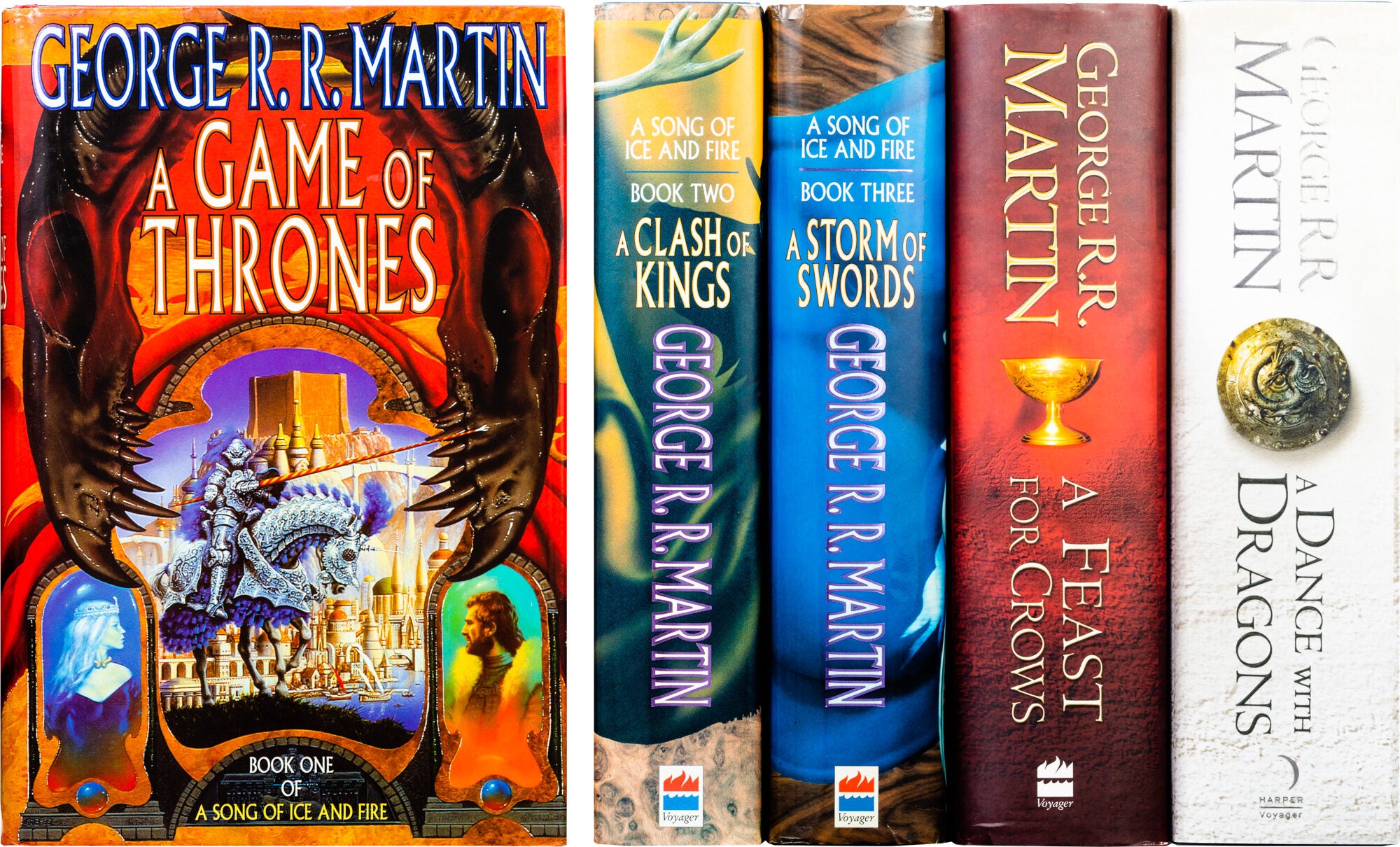
The published novels in the main sequence include:
- A Game of Thrones (1996): This volume establishes the primary conflict following the death of Lord Jon Arryn and the subsequent travel of King Robert Baratheon to Winterfell. It introduces the Stark, Lannister, and Baratheon dynamics while simultaneously planting the seeds of the supernatural threat in the North and the exiled Targaryen claim in the East.
- A Clash of Kings (1998): Following the "War of the Five Kings," this installment explores the fragmentation of Westeros. It is characterized by military strategy, the introduction of the ironborn’s role in the conflict, and the deepening of the magical elements surrounding Stannis Baratheon and Daenerys Targaryen.
- A Storm of Swords (2000): Frequently cited by critics as the series' pinnacle, this novel is divided into two parts in some markets (Steel and Snow and Blood and Gold). It contains several of the series' most famous "shock" moments, including the Red Wedding, which fundamentally shifted the expectations of what could happen to "protagonist" figures in fantasy.
- A Feast for Crows (2005): After the explosive events of the third book, Martin chose to split the narrative geographically rather than chronologically. This volume focuses on the aftermath of war in the South, introducing the Dorne and Iron Islands subplots in greater detail.
- A Dance with Dragons (2011): Running concurrently with A Feast for Crows, this book covers events at the Wall and across the narrow sea in Essos. It eventually moves past the timeline of the previous book, bringing the various narrative threads back together in a tense "cliffhanger" finale that the fandom has analyzed for years.
The 2026 Status of The Winds of Winter
As we navigate 2026, the status of the sixth novel, The Winds of Winter, continues to be the primary point of discussion within the literary community. George R.R. Martin has famously utilized a "gardener" approach to writing—allowing the story to grow organically rather than following a rigid architectural outline. This has led to numerous delays as the "Meereenese Knot" (a complex intersection of character arcs in the East) and other narrative hurdles required extensive rewriting.
The delay has not diminished the series' relevance; rather, it has fostered a robust culture of theory-crafting and scholarly analysis. Fans continue to monitor George R.R. Martin’s official blog for updates on his progress. In the interim, the "expanded universe" has grown to fill the void, providing historical context that enriches the main reading experience. This includes the "Dunk and Egg" novellas and the comprehensive history book Fire & Blood, which serves as the primary source material for various television adaptations.
Understanding the World-Building: Westeros and Essos
The geography of A Song of Ice and Fire is as much a character as the individuals themselves. Martin’s world is divided into several distinct landmasses, each with unique cultures, religions, and ecological challenges.
Westeros: The Seven Kingdoms
Westeros is a continent roughly the size of South America, though its climate is dictated by irregular seasons that can last for years. The social structure is strictly feudal, based on medieval European models but with distinct regional identities. From the icy, vast North governed by House Stark to the arid, culturally distinct Dorne in the south, the continent is a mosaic of competing interests. The "Wall," a 700-foot-tall structure of ice in the far north, serves as a literal and metaphorical barrier between civilization and the unknown.
Essos: The Eastern Continent
Vast and diverse, Essos is home to the Free Cities, the Dothraki Sea, and the ancient, crumbling remains of the Valyrian Freehold. Unlike the feudalism of Westeros, Essos features various forms of governance, including merchant republics and theocracies. It is the birthplace of the series' more overt magic, including the birth of Daenerys Targaryen’s dragons, which signaled the return of supernatural forces to a world that had largely forgotten them.
Key Themes and Narrative Complexity
What separates A Song of Ice and Fire from standard "high fantasy" is its commitment to moral ambiguity and political realism. Martin utilizes several recurring themes to deconstruct the genre:
- The Cost of Power: The series focuses less on "good vs. evil" and more on the pragmatics of ruling. Characters who are morally "good" (like Eddard Stark) often fail because they refuse to navigate the unethical requirements of political survival.
- Identity and Rebirth: Many characters undergo radical transformations, often losing a physical or social part of themselves (e.g., Jaime Lannister’s hand, Theon Greyjoy’s identity) to find a new, more complex version of who they are.
- The Unreliability of History: Through the use of different POV characters, Martin shows how the same event can be interpreted in wildly different ways. This forces the reader to act as a detective, piecing together the "truth" from conflicting accounts.
Summary of Published Works and Specifications
To help new readers navigate the existing library, the following table summarizes the core novels and their comparative scope.
| Title | Publication Year | Primary Focus | POV Characters | Approximate Word Count |
|---|---|---|---|---|
| A Game of Thrones | 1996 | The death of Jon Arryn; Stark/Lannister feud | 8 | 292,000 |
| A Clash of Kings | 1998 | The War of the Five Kings | 9 (plus prologue) | 318,000 |
| A Storm of Swords | 2000 | Escalation of war; Red Wedding | 10 (plus prologue/epilogue) | 414,000 |
| A Feast for Crows | 2005 | Aftermath in the South; Dorne/Iron Islands | 12 | 295,000 |
| A Dance with Dragons | 2011 | Events at the Wall and in Meereen | 16 (plus prologue/epilogue) | 415,000 |
Comparing the Books to the Television Adaptations
While the HBO series Game of Thrones brought Martin’s world to a global audience, the books offer a significantly deeper and more nuanced experience. By the middle of the television run, the show began to diverge sharply from the source material, a trend that accelerated once the show moved past the published books.
- Character Depth: In the books, characters like Tyrion Lannister and Jon Snow are much more internal and often darker than their television counterparts. The books explore the psychological trauma of their choices in ways that a visual medium cannot always capture.
- Excluded Subplots: Entire narrative arcs, such as the "Young Griff" storyline or the "Lady Stoneheart" reveal, were omitted from the show. These plots are critical to the book’s endgame and provide a different context for the eventual resolution of the Iron Throne conflict.
- The Nature of Prophecy: Magic and prophecy are far more prevalent and mysterious in the text. Characters are haunted by dreams and visions that are frequently omitted or simplified in the adaptations.
FAQ: Frequently Asked Questions
Is A Song of Ice and Fire suitable for young readers?
No, the series is intended for an adult audience. It contains graphic descriptions of violence, sexual content, and complex political themes that are generally not appropriate for children or younger teenagers. Martin uses these elements to emphasize the harshness of the world he has created.
Do I need to read the prequels before the main series?
It is not necessary to read the "Dunk and Egg" novellas or Fire & Blood before starting A Game of Thrones. However, reading A Knight of the Seven Kingdoms can provide a lighter, more adventurous entry point into the lore of Westeros, while Fire & Blood is best enjoyed after you have a basic understanding of the Targaryen dynasty.
Why is the series called A Song of Ice and Fire?
The title has multiple layers of meaning. On a literal level, it refers to the conflict between the "Ice" (the Others/White Walkers) and the "Fire" (the Dragons). On a character level, it often points toward the lineage of certain key figures who may embody both elements, a central mystery that the fandom continues to debate.
What is the recommended reading order for new fans?
The best way to experience the story is in publication order: A Game of Thrones, A Clash of Kings, A Storm of Swords, A Feast for Crows, and A Dance with Dragons. For a second read-through, many fans recommend "combined" reading orders for the fourth and fifth books, as they take place during the same timeframe.
How does the lore of A Song of Ice and Fire differ from traditional fantasy?
Martin’s lore is heavily grounded in historical parallels, such as the Wars of the Roses and the Glencoe Massacre. Unlike many fantasy series where magic is a common tool, magic in Westeros is rare, dangerous, and often requires a terrible price, making its appearance much more impactful.
Recommendations for Engaging with the Series
For those looking to dive into the world of Westeros in 2026, the most rewarding path is to begin with the original text of A Game of Thrones. While the television adaptations offer a spectacular visual summary, the prose provides the necessary context to understand the motivations and historical weight behind every decision.
To enhance your reading experience, consider using resources like Westeros.org, the most comprehensive fan-run compendium of lore, which was developed with input from Martin himself. Engaging with the community through forums and analytical podcasts can also help clarify the denser genealogical and historical points that Martin weaves into the narrative. Whether you are a new reader or a returning fan, the depth of A Song of Ice and Fire ensures that there is always a new secret to uncover in the shadows of the Red Keep or the wilds beyond the Wall.