Current social media trends emphasize algorithmic interest graphs over traditional follower networks, native social commerce, high-intent Social SEO, and community engagement within private channels. Succeeding across platforms like TikTok, Instagram, LinkedIn, and YouTube requires adapting content to search-friendly formats, leveraging creator partnerships, and utilizing structured analytics rather than relying on vanity metrics.
The Shift from Social Graph to Interest Graph Optimization
For over a decade, social media distribution relied heavily on the social graph—the network of friends, family, and direct brand followers a user explicitly chose to connect with. Modern recommendation systems on platforms such as TikTok, Instagram, YouTube Shorts, and X have shifted decisively toward the interest graph. Algorithms evaluate content based on engagement signals (watch time, re-watches, saves, and shares) across micro-interest clusters rather than who published the post or how many followers the account possesses.
This transition alters distribution dynamics for brands and creators alike. Accounts with zero followers can achieve millions of organic impressions if their video or carousel holds retention and signals immediate value to a target audience segment. Conversely, accounts with massive legacy follower counts frequently experience low organic reach if their content fails to engage test audiences in the initial distribution phase.
Optimizing for the interest graph requires a deep understanding of audience taxonomy. Content must be categorized precisely through audio cues, spoken words, visual metadata, text overlays, and caption phrasing. Brands must structure their publishing strategy around specialized content pillars rather than broad corporate announcements, ensuring that each post delivers high thematic relevance to a specific user cohort.
Social SEO: Optimizing Content for In-Platform Discovery
Social media platforms are increasingly operating as primary search engines, particularly among younger demographics who use TikTok and Instagram to find product reviews, travel recommendations, educational tutorials, and professional advice. As a result, social media optimization now requires traditional search engine optimization principles adapted for short-form media and dynamic feeds.
Social SEO Architecture
- On-Screen Text & Captions: Matches user search queries
- Spoken Keywords: Extracted via audio transcript
- Metadata & Hashtags: Categorizes target niche
- Visual Context & Frames: Processed by computer vision
Search crawlers on social networks analyze multiple data layers within every post. To capture high-intent search traffic on social channels, content creators must incorporate descriptive search terms directly into four core zones:
- Spoken Dialogue: Automated captioning systems transcribe audio tracks. Articulating target keywords clearly within the first five seconds signals topic relevance to the indexing algorithm.
- On-Screen Text Overlays: Native text tools within platform editors are indexed by optical character recognition (OCR) engines. Placing primary search phrases in on-screen titles improves search categorization.
- Captions and Descriptions: Natural language captions containing long-tail keywords, related synonyms, and clear topic summaries contextualize posts better than single-word captions or obscure hashtags.
- Strategic Tagging: Broad, generic hashtags have diminished in ranking power. Utilizing three to five targeted, niche-specific hashtags helps platforms place content into precise topical directories.
By structuring posts to address explicit user queries, organizations generate perpetual traffic from search queries long after the initial posting spike subsides.
The Evolution of Short-Form Video and Multi-Format Content
While short-form vertical video remains a dominant format across digital channels, user consumption habits have matured. Audiences have developed high tolerance filters for standard, low-effort video templates. Winning video content now demands immediate narrative hooks, higher production quality, or raw, unpolished authenticity that contrasts sharply with traditional corporate advertising.
Simultaneously, platforms are expanding format limits to capture varied user intents. Platforms like TikTok and Instagram have increased video duration allowances, encouraging creators to publish mid-length content (two to five minutes) that offers deeper technical explanation or storytelling. Longer watch times generate stronger algorithmic signals, driving elevated distribution.
Multi-Format Strategy Matrix
- Short-Form Video (< 60s): Fast reach & algorithmic discovery
- Mid-Length Video (1-5m): In-depth education & retention
- Visual Carousels: High save rates & step-by-step guides
- Text & Long-Form Posts: Thought leadership & B2B networking
Carousels and multi-image posts have also experienced a resurgence, particularly on Instagram and LinkedIn. Swipeable carousels often yield higher average engagement rates than static images because platforms re-serve un-swiped carousels to users a second time featuring a different image slide. Diversifying formats across platforms ensures brands capture both low-friction scrollers and high-intent research behavior.
Comparing Core Platforms, Trends, and Operational Demands
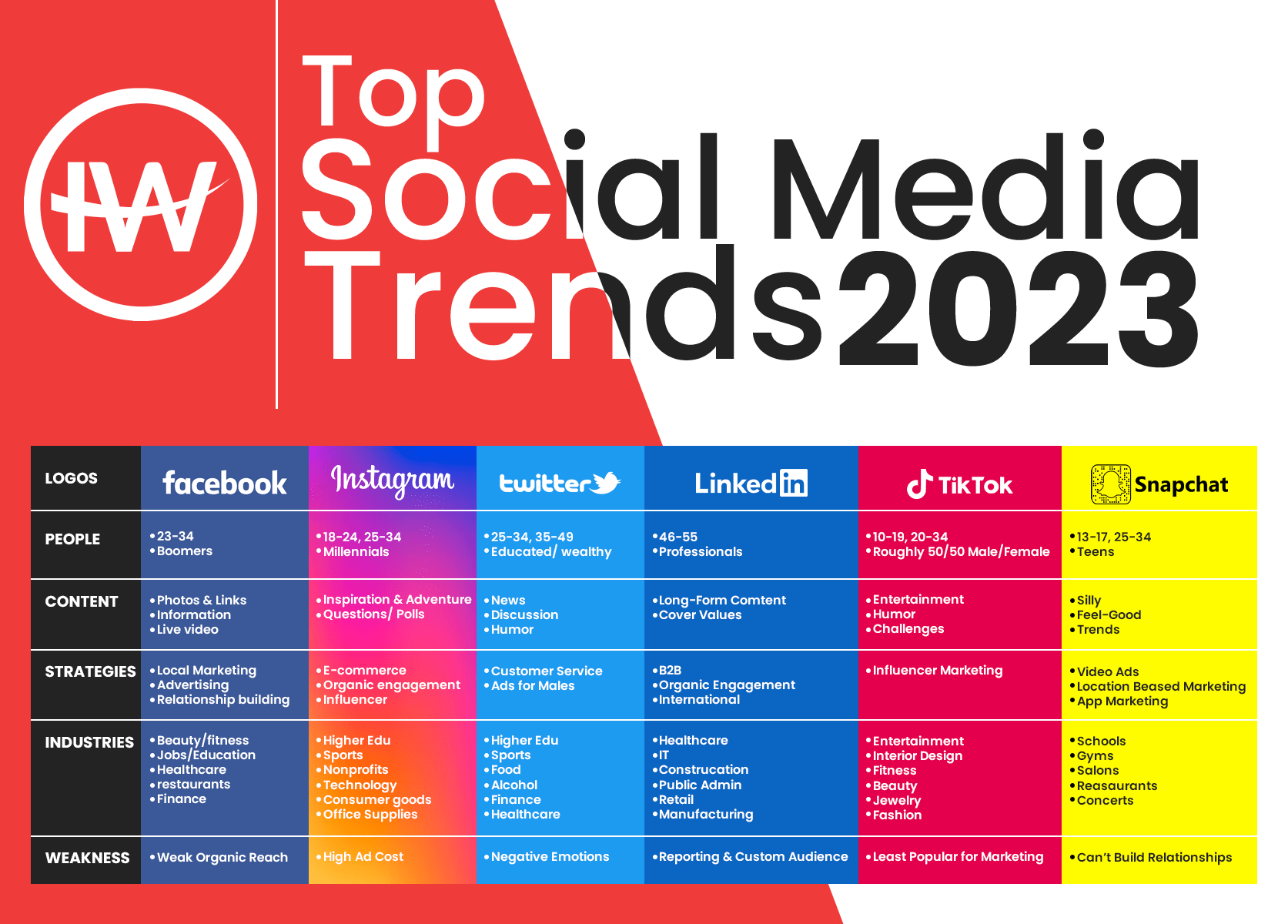
Different social media networks require distinct content architectures, production cadences, and key performance indicators. The following table summarizes operational requirements across primary channels:
| Platform | Core Dominant Formats | Key Algorithmic Priority | Primary Conversion Objective | Resource & Production Demand |
|---|---|---|---|---|
| TikTok | Short/Mid-Form Vertical Video, Search Carousels | Watch time, completion rate, search term match | Native shop sales, traffic, brand discovery | High (Frequent video creation, trend adaptability) |
| Reels, Multi-Slide Carousels, Stories | DMs/Shares per reach, save rates, visual search | Product tagging, website leads, community retention | High (Polished visual assets, direct messaging management) | |
| YouTube | Long-Form Video, Shorts, Community Posts | Audience retention percentage, click-through rate (CTR) | Ad revenue, subscriber growth, deep education | Very High (Professional editing, scriptwriting, thumbnails) |
| Text + Image, PDF Carousels, Video | Meaningful comments, dwell time, professional relevance | B2B lead generation, talent recruitment, authority | Moderate (Subject matter expertise, consistent commentary) | |
| X (Twitter) | Short Text, Live Audio, Embedded Media | Reply threads, reposts, Premium user engagement | Site referral traffic, real-time news distribution | Moderate (High frequency, rapid community response) |
Native Social Commerce and Frictionless Conversions
Social commerce has shifted from basic link-in-bio redirections to fully integrated, native checkout ecosystems. Digital storefronts embedded directly within TikTok, Instagram, and YouTube allow consumers to transition from discovery to purchase without leaving the application. Removing friction from the buying journey increases impulse conversion rates, particularly for low-to-mid-tier price point consumer goods.
Successful social commerce relies on non-disruptive integration. Users rarely visit social platforms with the sole intent of shopping; they engage to be entertained or educated. Consequently, shoppable posts perform best when products are demonstrated in context—such as unboxing videos, practical tutorials, real-world stress tests, or honest comparison guides created by trusted micro-influencers.
Native Social Commerce Funnel
- Organic Content Discovery (Short-form video / User review)
- In-App Product Tagging (Instant access to pricing & specs)
- One-Click Native Checkout (Saved payment info, zero friction)
- Post-Purchase Engagement (Automated tracking & direct updates)
For B2B organizations and high-ticket service providers, native conversions take the form of streamlined lead-generation forms, direct messaging (DM) automation workflows, and event registrations built natively into platforms like LinkedIn and Meta. Reducing external website jumps consistently improves conversion efficiency across paid and organic campaigns.
Community Building in Dark Social and Private Channels
As public feeds become increasingly saturated with sponsored media and algorithmic recommendations, user conversations are shifting into "dark social"—private channels, direct messaging, broadcast channels, and gated communities like Discord, WhatsApp Channels, and Telegram. Dark social refers to online interactions that cannot be easily tracked or measured by traditional Web analytics referral tools.
Dark Social Ecosystem
- Public Feeds: Broad Discovery & Brand Awareness
- Private Channels: Deep Relationship Building & Retention
- Direct Messages (Instagram DMs, LinkedIn Messaging)
- Broadcast Channels (Instagram, Telegram, WhatsApp)
- Micro-Communities (Discord, Private Groups)
Building influence in private channels requires brands to move away from broadcasting corporate messaging toward facilitating high-value peer discussion. Strategies for leveraging private social dynamics include:
- Launch Exclusive Broadcast Channels: Use Instagram or WhatsApp Broadcast channels to share behind-the-scenes insights, early product access, or direct commentary from executives.
- Implement Conversational DM Automation: Utilize tools like ManyChat to deliver downloadable resources, discount codes, or interactive quizzes directly into direct messages when users comment on public posts with specific keywords.
- Encourage Organic Messaging Shares: Craft content designed specifically to be forwarded to a friend—such as relatable industry humor, insightful data graphics, or highly practical reference lists.
By cultivating active micro-communities within private networks, brands insulate themselves against public feed algorithm changes and build higher customer retention rates.
Action Plan: Implementing Trend-Driven Strategies Across Channels
To operationalize these trends effectively, organizations should adopt a structured step-by-step workflow:
- Audit Current Search Intent: Conduct searches on TikTok, Instagram, and YouTube for core product terms. Identify common long-tail questions, visually trending formats, and content gaps in top-ranking results.
- Standardize Content Production Templates: Create flexible production workflows for short-form video and carousels. Plan script hooks, on-screen text zones, and transcript keyword targets prior to filming.
- Integrate In-App Conversion Points: Connect social storefronts (such as TikTok Shop or Instagram Shopping) and implement automated direct-messaging funnels for lead captures.
- Establish Dark Social Touchpoints: Launch a dedicated broadcast channel or private messaging flow to capture high-intent followers convert them into a owned audience segment.
- Track Intent Metrics Over Vanity Metrics: Shift focus away from raw follower counts and total impressions. Measure success using saves, direct shares, search traffic percentages, DM conversations initiated, and native sales conversions.
Frequently Asked Questions
What is the difference between a social graph and an interest graph?
A social graph distributes content primarily to users who explicitly follow an account or connect with a user. An interest graph distributes content based on user behavioral signals—such as watch time, saves, and topic affinity—delivering posts to users interested in the specific subject matter, regardless of whether they follow the creator.
How does Social SEO impact traditional website SEO?
Social SEO optimizes content for discovery within social media app search bars rather than web search engines like Google. However, major search engines index social media posts, videos, and profile pages. A strong Social SEO strategy improves overall brand visibility, drives referral traffic, and captures search intent directly on platforms where audiences spend significant time.
Why are direct messaging (DM) shares more valuable than public likes?
Algorithms prioritize shares via direct message and content saves over standard likes because they signal strong emotional resonance or high utility value. When a user sends a video to a friend via direct message, it demonstrates deep engagement, prompting the algorithm to distribute the content to a broader audience segment.
How can B2B companies leverage short-form video trends?
B2B brands can use short-form video to explain complex industry topics, highlight client case studies, offer quick software tutorials, or share executive perspectives. Using clear on-screen text, professional captions, and targeted search terms helps B2B videos rank for niche professional searches on platforms like LinkedIn, YouTube Shorts, and TikTok.
Are traditional hashtags still effective for organic reach?
Broad, high-volume hashtags (e.g., #fashion or #tech) have largely lost their effectiveness for reach expansion. Modern algorithms rely primarily on visual analysis, audio transcripts, and caption text to categorize content. Using three to five precise, highly relevant hashtags remains useful for contextual grouping, but keyword-rich captions and on-screen text carry significantly more weight.
Building a Sustainable Content Strategy for Long-Term Growth
Adapting to evolving social media trends does not require adopting every new feature or platform gimmick. Sustainable growth depends on establishing a clear content engine aligned with audience intent, leveraging interest-based algorithms, and creating frictionless conversion paths.
Focus resources on mastering two primary channels—one discovery engine (such as TikTok or YouTube Shorts) and one relationship/community channel (such as LinkedIn or an Instagram Broadcast channel). By prioritizing clarity, search optimization, and direct engagement over raw content volume, brands can maintain high visibility and consistent audience conversion regardless of future algorithmic shifts.