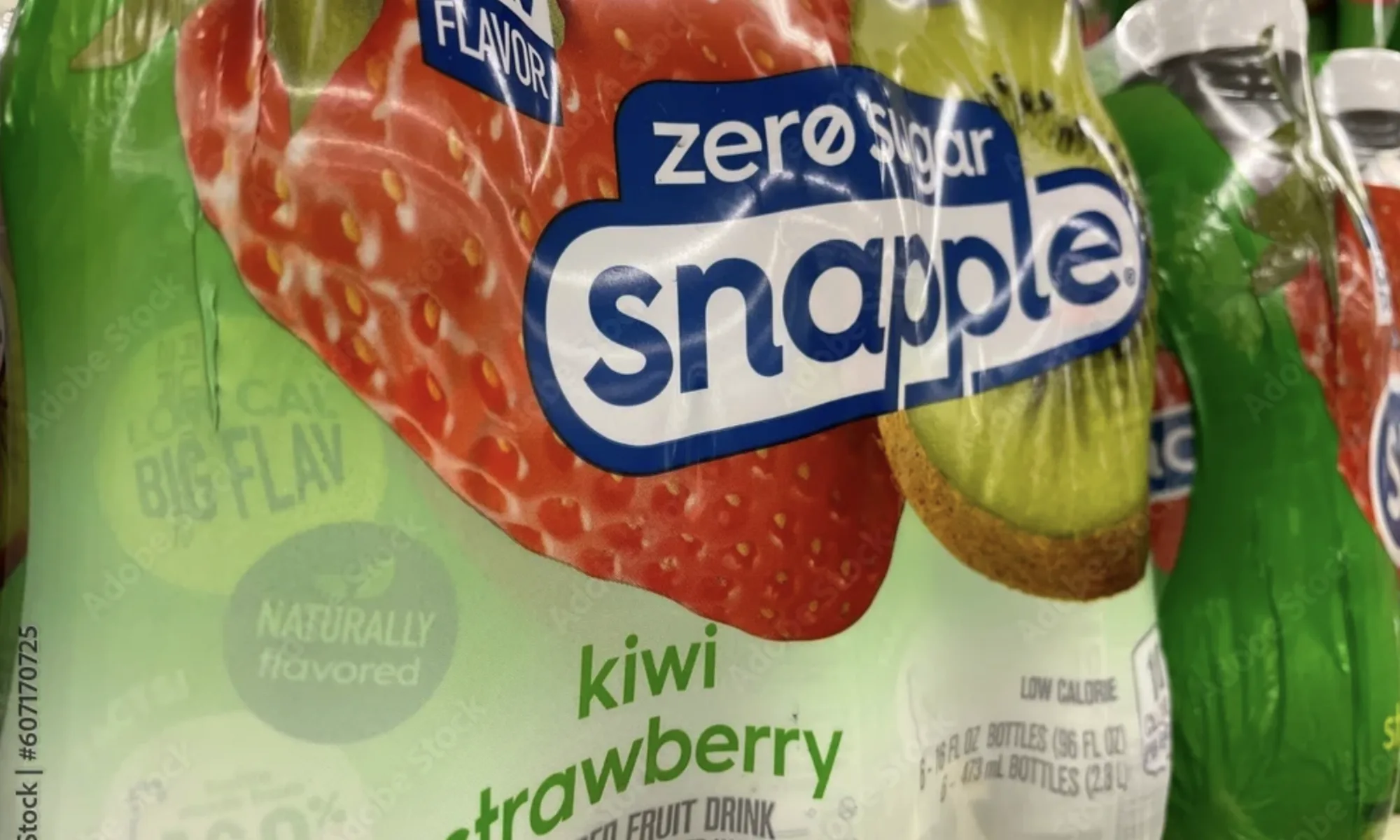
Snapple has not been discontinued, but the brand underwent massive operational, packaging, and corporate restructuring that led many consumers to believe it disappeared. Owned today by beverage giant Keurig Dr Pepper, Snapple permanently phased out its iconic glass bottles and metal popping caps in favor of 100% recycled plastic, while retired niche lines and altered regional distribution schedules.
Clarifying the Rumors: Is Snapple Still in Production?
Rumors surrounding the complete demise of Snapple pop up regularly across social media and online forums, driven primarily by consumers who can no longer find their favorite classic flavors or who notice that the drink looks and feels fundamentally different on supermarket shelves. Snapple remains very much in active production, retaining a major share of the ready-to-drink (RTD) tea and juice drink markets in North America.
The confusion stems from a series of sweeping product consolidation decisions made by its parent company over the past decade. When a long-standing consumer package goods (CPG) brand alters its primary packaging, discontinues regional flavor variants, or shifts its distribution channels away from independent delis to major big-box retailers, consumers often assume the brand itself has folded. In Snapple’s case, the disappearance of original touchstones—most notably the heavy glass bottle, the snapping metal cap, and specific 1990s signature flavors—created a widespread perception that the original product was discontinued.
What actually occurred was a comprehensive brand modernization campaign driven by corporate mergers, supply chain logistics, shifting consumer wellness trends, and environmental packaging mandates. Understanding why Snapple changed requires looking at both its tumultuous corporate history and the economic realities of modern beverage manufacturing.
The Evolution of Snapple Ownership: From Brooklyn Startup to Keurig Dr Pepper
To understand how Snapple reached its current state, one must trace its corporate trajectory. Founded in 1972 by Leonard Marsh, Hyman Golden, and Arnold Greenberg in Valley Stream, New York, the company originally operated under the name Unadulterated Food Products. It began as a small venture selling pure apple juice to health food stores. The name "Snapple" was born after the founders created a carbonated apple juice product that literally snapped its cap off during fermentation.
| Year | Snapple Ownership Timeline |
|---|---|
| 1972 | Founded as Unadulterated Food Products (Valley Stream, NY) |
| 1994 | Acquired by Quaker Oats Company for $1.7 Billion |
| 1997 | Sold to Triarc Companies, Inc. for $300 Million (Value Loss) |
| 2000 | Acquired by Cadbury Schweppes for $1.45 Billion |
| 2008 | Spun off into the independent Dr Pepper Snapple Group (DPSG) |
| 2018 | Merged with Keurig Green Mountain to form Keurig Dr Pepper (KDP) |
Throughout the 1980s and early 1990s, Snapple experienced explosive growth. It pioneered the premium ready-to-drink iced tea category with real-brewed teas, quirky marketing featuring "Wendy the Snapple Lady" (Wendy Kaufman), and quirky product lore like the "Real Facts" printed inside every bottle cap. This grassroots popularity made Snapple an attractive target for major corporate buyers, initiating a chaotic series of ownership changes:
The Quaker Oats Debacle (1994–1997)
In 1994, food conglomerate Quaker Oats purchased Snapple for a staggering $1.7 billion. Quaker sought to replicate the massive success it enjoyed with Gatorade. However, Quaker misjudged Snapple’s unique market niche. They attempted to distribute Snapple through supermarket channels using mass-distribution strategies rather than supporting the small delis, corner stores, and gas stations where Snapple built its loyal fanbase. Quaker also canceled popular advertising campaigns, replacing them with generic corporate spots. The misstep resulted in catastrophic losses, and just 27 months later, Quaker sold Snapple to Triarc Companies for a mere $300 million—a loss of over $1.4 billion.
Stabilization and Strategic Growth (1997–2017)
Under Triarc, Snapple embraced its quirky heritage, restored unconventional flavor development, and regained market stability. Recognized once again as a lucrative asset, Cadbury Schweppes acquired Snapple in 2000 for $1.45 billion, integrating it into its global beverage division. By 2008, Cadbury Schweppes decoupled its confectionery and beverage arms, spinning off its American drinks unit into the publicly traded Dr Pepper Snapple Group (DPSG). Under DPSG, Snapple maintained steady growth, refining its flagship Lemon, Peach, and Raspberry Tea recipes while streamlining regional supply chains.
The Keurig Dr Pepper Era (2018–Present)
In 2018, Keurig Green Mountain merged with Dr Pepper Snapple Group in a $18.7 billion transaction, creating Keurig Dr Pepper (KDP). As part of KDP's multi-brand beverage platform, Snapple was re-evaluated alongside brands like Dr Pepper, 7UP, Canada Dry, and Peet's Coffee. KDP prioritized operational efficiency, digital supply chain management, and aggressive sustainability goals. This era sparked the most visible physical transformations in Snapple's history, fundamentally changing how the product is manufactured, packaged, and sold.
Why Consumers Thought Snapple Was Discontinued
The belief that Snapple was taken off the market is largely the result of three major operational pivots executed under Keurig Dr Pepper's leadership: the retirement of glass packaging, the elimination of the metal "pop" cap, and aggressive stock-keeping unit (SKU) rationalization.
- Historical Identity
- Heavy Glass + Metal "Pop" Cap
- Broad Regional Flavor Menu
- Independent Deli Distribution
- Modern Operations
- 100% Recycled PET + Plastic Cap
- Streamlined Core SKU Portfolio
- Direct-Store-Delivery & Big-Box
1. The Transition from Glass to 100% Recycled PET Plastic
For nearly five decades, Snapple was synonymous with its heavy, cold glass bottle. In late 2020, Keurig Dr Pepper announced a complete overhaul of Snapple’s packaging architecture, transitioning the entire product line from glass to 100% recycled polyethylene terephthalate (rPET) plastic bottles.
While KDP framed this move as an environmental initiative aimed at cutting greenhouse gas emissions, the shift permanently altered the tactile experience of drinking a Snapple. Consumers accustomed to picking up a cold glass container suddenly found lightweight plastic bottles on store shelves. The aesthetic change was so pronounced that casual buyers frequently assumed store shelves were stocked with counterfeit products, knock-offs, or entirely different brand reformulations.
2. The Loss of the Metal "Pop" Cap
Along with the glass bottle came the retirement of Snapple’s famous metal cap. The original cap produced an audible, satisfying "pop" when turned, assuring the consumer that the vacuum seal was intact.
When the brand switched to rPET bottles, engineering constraints required adopting a standard plastic threaded closure. Because plastic bottles flex under pressure, traditional vacuum sealing with a metal lid is not feasible. The disappearance of the signature cap pop eliminated one of Snapple's defining sensory attributes, sparking viral complaints across social media platforms and reinforcing the misconception that the original Snapple was dead.
3. SKU Rationalization and Flavor Discontinuations
In the consumer packaged goods industry, "SKU rationalization" refers to the practice of eliminating low-margin or slow-selling product variants to focus manufacturing capacity on core, high-volume products. Between 2018 and 2024, KDP aggressively streamlined Snapple's flavor menu.
Dozens of niche flavors, diet variations, and specialized juice blends were quietly phased out. When loyal consumers could no longer find specific varieties—such as Snapple Mint Tea, Diet Plum Tea, or Peach Mango—they frequently assumed the entire brand had been taken out of production.
Comparing Classic Snapple vs. Modern Snapple
To illustrate how the brand has evolved over time, the following table compares key characteristics of historical Snapple against its modern marketplace iteration:
| Feature / Attribute | Historic Snapple (1980s – 2019) | Modern Snapple (Current Market) | Operational / Strategic Reason |
|---|---|---|---|
| Primary Container | 16 oz. Heavy Molded Glass Bottle | 16 oz. 100% Recycled PET (rPET) Plastic | Reduces shipping weight, lowers carbon emissions, and cuts freight costs. |
| Cap Mechanism | Metal Press-Formed Vacuum Cap ("Pop") | Plastic Threaded Screw Cap (No Pop) | Compatible with flexible rPET bottles; streamlines bottle manufacturing. |
| Core Sweeteners | High Fructose Corn Syrup / Cane Sugar | Filtered Water, Sugar (Cane), Real Juice | Formulated to meet consumer demand for "real ingredient" labelling. |
| Product Portfolio | 40+ Flavors (Wide Regional Variety) | Focused Core Line (~15-20 Primary SKUs) | Optimizes manufacturing line changes and maximizes shelf turnover. |
| Sub-Brands / Lines | Snapple Elements, Snapple Pie, Diet Lines | Streamlined Core Teas, Juices, Zero Sugar | Consolidates marketing spend behind high-volume signature flavors. |
| Primary Parent Co. | Independent / Quaker / Cadbury | Keurig Dr Pepper (KDP) | Scaled corporate ownership focused on cross-portfolio efficiency. |
Strategic and Economic Reasons Behind the Product Changes
The transformation of Snapple was not arbitrary; it was a response to macro-economic headwinds, changing consumer behavior, and strict corporate sustainability targets.
Shipping Logistics and Freight Costs
Glass is heavy and fragile. Transporting glass-bottled beverages requires substantial fuel, reinforced corrugated packaging, and careful handling to prevent breakage loss. By transitioning the product line to rPET plastic, Keurig Dr Pepper achieved an immediate, dramatic reduction in package weight.
Lighter freight allows beverage distributors to pack more product per truckload while reducing diesel fuel consumption. This change yielded massive operational cost savings during a period marked by rising global inflation and escalating transportation expenses.
Environmental Targets and Regulations
Keurig Dr Pepper committed to corporate sustainability goals aimed at reducing the use of virgin plastics across its beverage portfolio. By engineering a bottle made entirely from post-consumer recycled plastic (excluding the cap and label), KDP reduced the brand’s reliance on new petroleum-based plastics. According to KDP corporate sustainability reports, switching Snapple to 100% rPET eliminated approximately 46 million pounds of virgin plastic use annually.
- The Drivers of Brand Transformation
- Freight Optimization: Lower shipping weight cuts fuel use and breakage.
- Corporate ESG Goals: Eliminates ~46 million lbs of virgin plastic yearly.
- Market Realities: Shifts focus to RTD tea market share over niche SKUs.
Evolving Consumer Preferences
The ready-to-drink beverage market has become fiercely competitive. The explosive rise of functional sparkling waters, low-calorie energy drinks, and electrolyte enhancers squeezed traditional high-sugar juice drinks and sweetened teas.
To maintain profitability, Snapple refocused its marketing and production capacity on its top-performing SKUs—such as Lemon Tea, Peach Tea, Raspberry Tea, and Fruit Punch—while launching rebranded "Zero Sugar" options to replace older "Diet" lines.
Notable Discontinued Flavors and Cult-Classic Products
While Snapple as a whole remains available, several specific lines within the Snapple umbrella were officially discontinued or fundamentally altered over the years:
- Original Snapple Elements (Discontinued early 2000s): Launched in 1999, Snapple Elements featured distinct glass bottles with raised graphics and exotic flavor profiles named Rain (Agave Cactus), Fire (Dragon Fruit), Earth (Guava Macadamia), and Sun (Starfruit). The line achieved cult status but was pulled from market shelves due to declining sales and high manufacturing costs. (KDP launched a modernized, re-imagined Elements line in plastic packaging in 2022, though distinct from the original formulas).
- Snapple Pie (Discontinued): A limited-run, spiced apple-flavored beverage that featured a distinct baked-pie aroma and flavor profile. It remains one of the most requested revivals among brand enthusiasts.
- Mint Tea (Discontinued): A long-standing regional favorite in the Northeastern United States, Snapple Mint Tea was retired during SKU rationalization efforts, triggering petitions from loyal drinkers.
- Truchel / Cranberry Raspberry (Discontinued/Reformulated): Early iconic fruit juice blends were consolidated into standardized juice drink lineups over successive corporate ownership shifts.
- Clear Teas (Discontinued mid-1990s): Introduced during the "clear beverage" craze of the 1990s (coinciding with products like Crystal Pepsi), Snapple Clear Teas were quickly phased out as consumer interest in clear beverages waned.
How to Track Down Hard-to-Find Snapple Flavors Today
If you are struggling to find your favorite Snapple variant in local stores, the product line may simply have shifted regional distribution channels rather than being cancelled outright. Here is how consumers can locate specific varieties or advocate for retired favorites:
- Use the Keurig Dr Pepper Store Locator: KDP maintains an online product locator tool on its official website. Consumers can input their postal code and filter by specific Snapple SKUs (such as Zero Sugar Takes 2 to Mango or Takes 2 to Mango Tea) to identify nearby retailers that currently stock those items.
- Check Independent Wholesale Distributors: Many independent delis, specialty bodegas, and regional gas station chains source inventory through local DSD (Direct-Store-Delivery) networks that carry regional SKUs not stocked by national grocery chains like Walmart or Target.
- Submit Product Feedback Directly to KDP: Beverage manufacturers regularly monitor consumer requests when evaluating potential seasonal revivals or limited-time offerings. Direct inquiries through official customer service forms help corporate brand managers gauge demand for retired products like vintage Snapple Elements recipes or niche tea variants.
Frequently Asked Questions
Why did Snapple stop using glass bottles?
Snapple transitioned from glass to 100% recycled PET plastic (rPET) to reduce carbon emissions, cut transportation freight weights, prevent product breakage, and achieve corporate environmental sustainability targets regarding virgin plastic reduction.
Did Snapple discontinue "Snapple Elements"?
The original late-1990s Snapple Elements line in glass bottles was discontinued in the early 2000s due to falling sales. In 2022, Keurig Dr Pepper reintroduced a revamped version of Snapple Elements in lightweight plastic packaging with updated flavor profiles, though it differs structurally from the original 1999 beverage line.
Why don't Snapple caps "pop" when opened anymore?
The iconic metal "pop" cap required a rigid glass neck to maintain a mechanical vacuum seal. When Snapple converted its packaging to flexible rPET plastic bottles, it had to adopt standard plastic threaded caps, which cannot support the vacuum mechanism needed to produce the classic metal pop.
Who owns Snapple today?
Snapple is owned and operated by Keurig Dr Pepper (KDP), a publicly traded American beverage conglomerate formed by the 2018 merger of Keurig Green Mountain and Dr Pepper Snapple Group.
What was the infamous Quaker Oats Snapple acquisition?
In 1994, Quaker Oats bought Snapple for $1.7 billion, hoping to use its Gatorade distribution channels to scale the brand. Misunderstanding Snapple's deli-centric appeal and quirky brand identity led to massive financial losses, forcing Quaker to sell Snapple just 27 months later to Triarc Companies for $300 million.
The Bottom Line for Snapple Consumers
Snapple is far from gone, but the era of heavy glass bottles, metal pop caps, and experimental boutique flavors has given way to modern beverage execution. If you miss a retired flavor or the tactile feel of the original bottle, your best recourse is to use Keurig Dr Pepper’s product locator for obscure SKUs and voice feedback directly through official brand channels. Consumer demand remains the primary driver behind limited-edition re-releases and portfolio revivals.